 Slimepress
As Oshi No Ko Season 2 Soars, I Wish The Same Could Be Said For The Manga
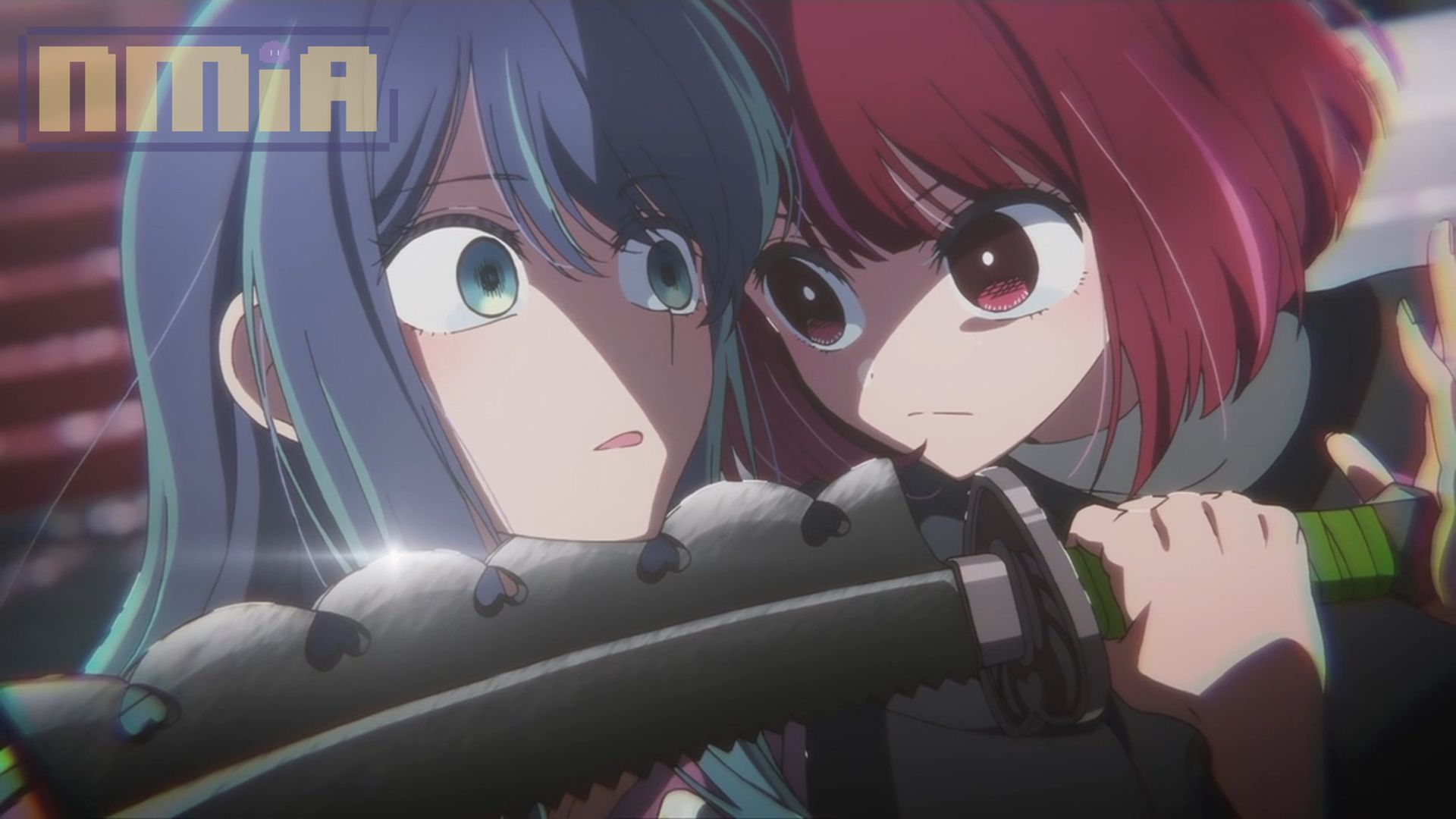
Reading an ongoing manga with an ongoing anime adaptation is a trip. If you’re up to date, watching an anime adaptation is something that’s less about “what happens next” and more of an appreciation of how they can tell a story you already know. But it does often create some funny juxtapositions- what if the [...]
Reading an ongoing manga with an ongoing anime adaptation is a trip. If you're up to date, watching an anime adaptation is something that's less about "what happens next" and more of an appreciation of how they can tell a story you already know. But it does often create some funny juxtapositions- what if the manga's not in the best place right now while the anime soars?
That's certainly the case with Oshi No Ko Season 2, now streaming on Netflix. Look, I am a devout believer in the writing of Akasaka Aka. I think he writes vulnerable characters very well, and the highs of Oshi No Ko as well as Kaguya Sama all come from stubborn characters admitting that, at the end of the day, they just wanted love too. While authors like Gege Akutami or Fujimoto are rightfully in the spotlight right now, I think there's room for discussion that Aka-sensei is one of the greatest modern minds in manga.
And yet, if you compare where Oshi No Ko is right now in the manga to the anime, then re-read Kaguya Sama as I have, the truth comes to you: maybe drama isn't his strong suit.
Warning: Spoilers for Oshi No Ko manga ahead
The Peak Of Character Drama In Oshi No Ko Season 2
For the uninitiated, Oshi No Ko tells the story of Ruby and Aqua, secret twin children of the late idol Hoshino Ai who also happen to be reincarnated souls of her fans getting into the entertainment industry and also seeking out the man who killed her (editor's note: explaining the plot of Oshi No Ko is always a headache, yes).

Season 2 covers the Tokyo Blade arc- easily one of the best parts of the manga. While it does take some leaps in pushing the plot forward, its highs are for what it does to the characters- everyone, from the demure Akane to even side characters like Melt gets some sort of vignette for their growth. Heck, even the sleazy producer man, through a simple line of dialogue gets the opportunity to be seen in a new light.
It highlights the strength of Aka's writing- having a major event, and chapters being about individual characters growing into the roles they need for it. The outcome of the Tokyo Blade stage show has little actual value- it's only important because it's important to Akane, Kana and Aqua.
The 15-Year Lie Needs To Spend More Time In Character's Heads
Meanwhile, the Oshi No Ko manga is currently in the middle of the 15 Year Lie arc. it's supposed to be a dramatic high for the series: Aqua and Ruby have found their dad, and told Ai's story through the production of a biopic about the late idol.

And yet, its insistence that the series climax needs to be a physical event is constantly holding it back. So far we've had twists for the sake of twists- the recent chapter has pulled a World of Warcraft and said, no, Hikaru Kamiki isn't the big bad, there was actually another person pulling the strings even beyond him, all the while Ruby and Aqua decide that their "revenge plan" was telling their biological father that he was loved all along.
I mean, it's all just a bit much. After 100 plus chapters and in-universe years of chasing him the fact that the next chapter is just them in the same room with him is a pretty big anticlimax. You're never treated to Aqua or Ruby's thoughts during their "revenge", either. You're told, not shown everything about a moment the entire series has built up to- a wild disconnect from the rest of the series.

It's not like there aren't good emotional beats, but the problem with Oshi No Ko is that its such a mix of genres that it works better when it's focused on the characters instead. The 15-Year Lie arc is like Tokyo Blade for Ruby's character- thrust into the world of actors, she's forced to see the world through new eyes and that's where she shines.
The exploration of Ai through Ruby's performance, even her relationship with Kana are all great parts of the arc that are worth a re-read. Heck, the last chapter is about side character Mem-Cho finally coming out and telling the public that she's a 27-year old woman pretending to be 20 so she can be an idol.

Compared to that, the revenge and anything related to Hikaru Kamiki feels, well, bland. I actually really liked the original twist where Aqua thought his biological father was dead. It was a nice way to take the manga in all sorts of new directions, since he'd be free of the grudge he'd been carrying since he was a child. Seeing him come back through Akasaka-brand Pseudo-Science almost felt editorial- "we need to tie the manga back to its original plot", as if to say.
While the manga wrestles with reaching its serious point, I'm really happy with how kind of meandering Tokyo Blade is going in the anime. I mean, the major plot of the arc is the production of the play, yes, but its focus is much clearer in that respect. It's the entertainment industry through Oshi No Ko's uniquely cynical lens, yet optimistic enough to say that even the most cutthroat stakeholders are still passionate people. It's not rushing to any one point- it's set up its major event and episodes are spent just exploring different facets of it through its characters.

The episode about the mangaka in particular is a season high for me and also peak Aka- despite being presented as cold and capricious enough to shut down the whole production and fire the script writer, the entire episode is spent with her friend trying to change her mind- ending in an explosive argument where they're both honest about who they are.
There's also the heroine Akane- while she was the shy, sweet girl in season 1 you get to see her in her element once she's on the stage. She's competitive, she's driven and her relationship with Arima Kana is amazingly fleshed out. Even in her role as Aqua's girlfriend, her willingness to potentially ice a man because he hurt Aqua adds an interesting layer to what was once just "sad theatre girl on a reality show".

While a lot of the Oshi No Ko's manga's problems stem from its mishmash of genres, it also couldn't really reach its highs without them. I've seen the joke that "every character in Oshi No Ko thinks they're in a different genre" and honestly? That's where the strength of the characters comes from. Having Aqua be a loser teenager who's also trying to assassinate a well-known actor is the charm of the show, and the fact that the murder plot is absolutely never played for laughs is important to maintaining the tone.
I honestly hope that I'm wrong about The 15 Year Lie arc in Oshi No Ko. There's still time for an impressive pull- some big moment with characters chewing scenery that just recontextualizes what has been an otherwise weird arc into a thrilling narrative. Heck, even just re-reading the manga without the weekly gaps is already fixing a lot of the pacing issues- maybe once it's all done we'll realize how good the story looks in the rear view mirror. I just have one request: Please abandon the twincest.