 Slimepress
Assassin's Creed Black Flag Resynced Feels Like The Big Bombastic Pirate Romp It Needs To Be
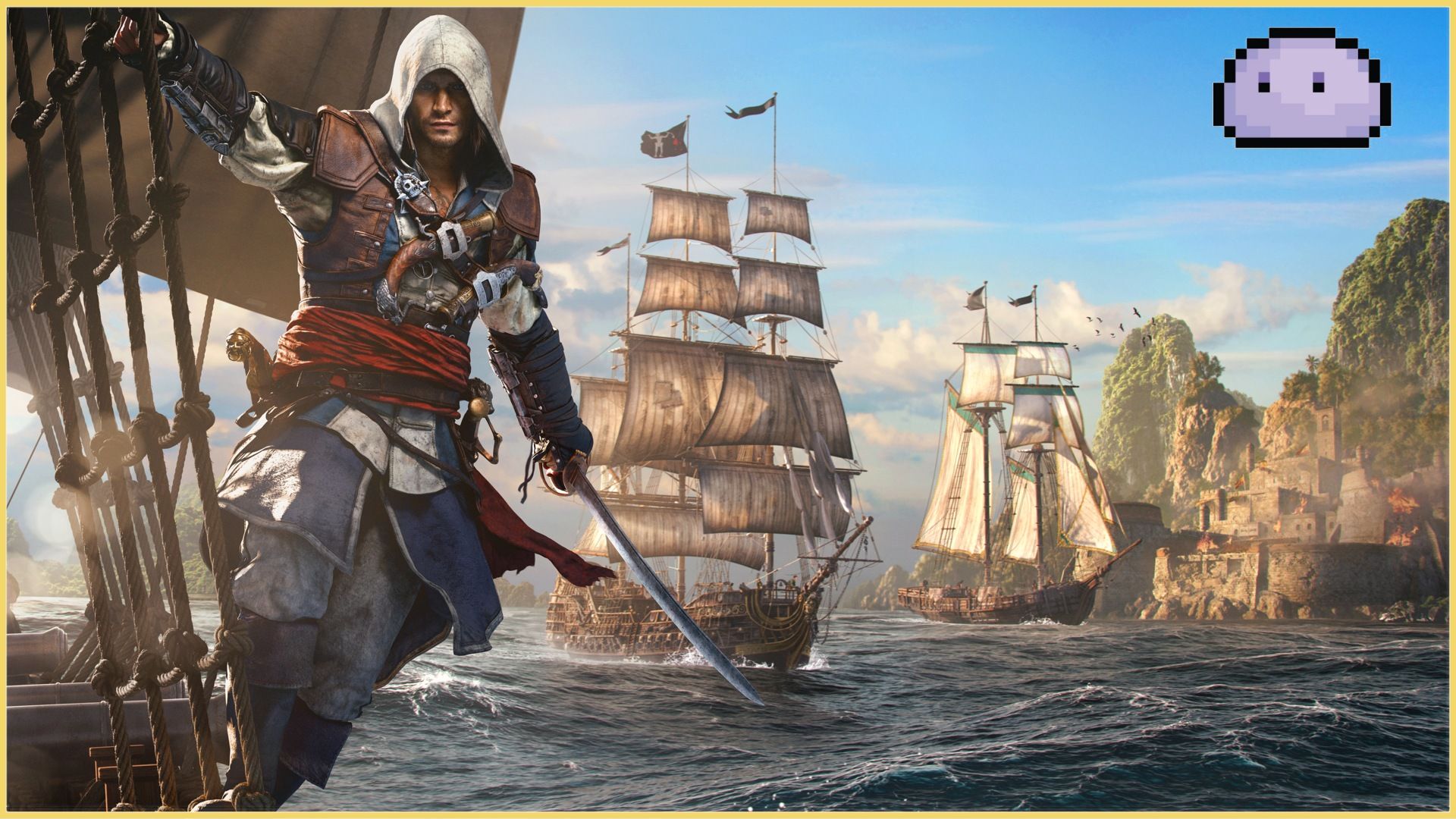
Hands-on impressions of Assassin's Creed Black Flag Resynced, which brings back the fan favorite game with pomp and circumstance
In an era flooded with classic video game remakes, breathing second life into a title is a highly challenging art form. Last week, I had the privilege of being invited to the Ubisoft Singapore studio to attend a three-hour media hands-on preview and a tour of the studio’s technical and audio departments for the highly anticipated Assassin's Creed Black Flag Resynced.
Led by the Singapore team and featuring the return of several core developers from the original game, this massive remake is a complete restructuring of the 2013 pirate epic. After playing it, it is safe to say that this title elegantly walks the tightrope between staying true to the original spirit and embracing modern innovation, showcasing a highly ambitious next-gen vision. (Note: This preview was strictly limited to a 3-hour session featuring various missions and naval combat; the full review will be released closer to the game's launch).
Smoother Performance and the Long-Awaited "Free Crouch"
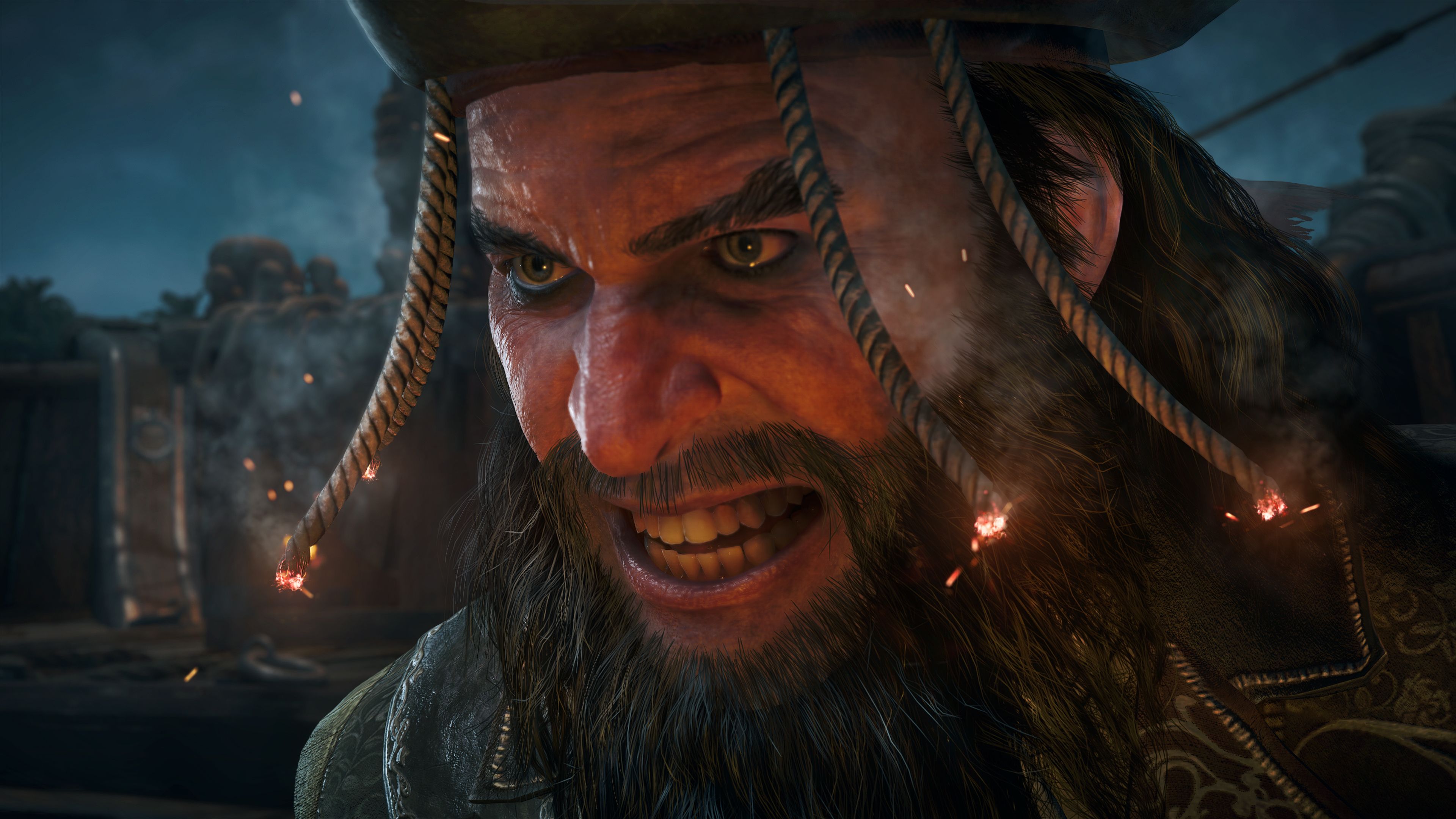
During the three hours of hands-on gameplay, the most stunning element was undoubtedly the massive leap in overall gameplay fluidity. I actually booted up the original game right before heading to the Ubisoft Singapore studio just to compare. Honestly, when held up against current-gen games, the controls of the original title feel incredibly stiff by today's standards. Thanks to Ubisoft's cutting-edge Anvil engine, this remake completely sheds the clunky, heavy feeling of the 13-year-old original.
During an on-site technical demonstration, Technical Director Jussi Markkanen personally showed us the game's peak performance on the PlayStation 5 Pro. Whether it was the dynamic light bouncing through the narrow alleys of Havana or the warm ambient light reflecting off Edward’s body, the Ray-Traced Global Illumination (RTGI) made the colors of the Caribbean look incredibly lifelike.
Even more groundbreaking is the development team's integration of the community’s highly requested "Free Crouch" (crouch-anywhere) mechanic into the stealth system. Players are no longer forced to rely on specific patches of stalking bushes; you can now crouch and move at will on any terrain or ship deck. Imagine having to explain to people that Edward's original crouch was geography-locked.
Combined with the Anvil engine's micropolygon rendering and dynamic weather tech, when a Caribbean storm hits, the physical effects of the surging waves are breathtaking. Furthermore, the heavy rain and overcast skies dynamically reduce enemy visibility in real time, creating a deep mechanical link between stealth assassinations and the natural environment.
The most user-friendly change, however, is the development team's bold decision to completely axe the incredibly frustrating original mechanic where failing a tailing objective meant instant Desynchronization. Instead, missions now branch and continue progressing based on the player's mistakes. Seamlessly blending modern controls and quality-of-life improvements into a classic skeleton elevates the gameplay experience to the standards of contemporary triple-A action-adventure games.
Sea Shanties Never Sounded This Good
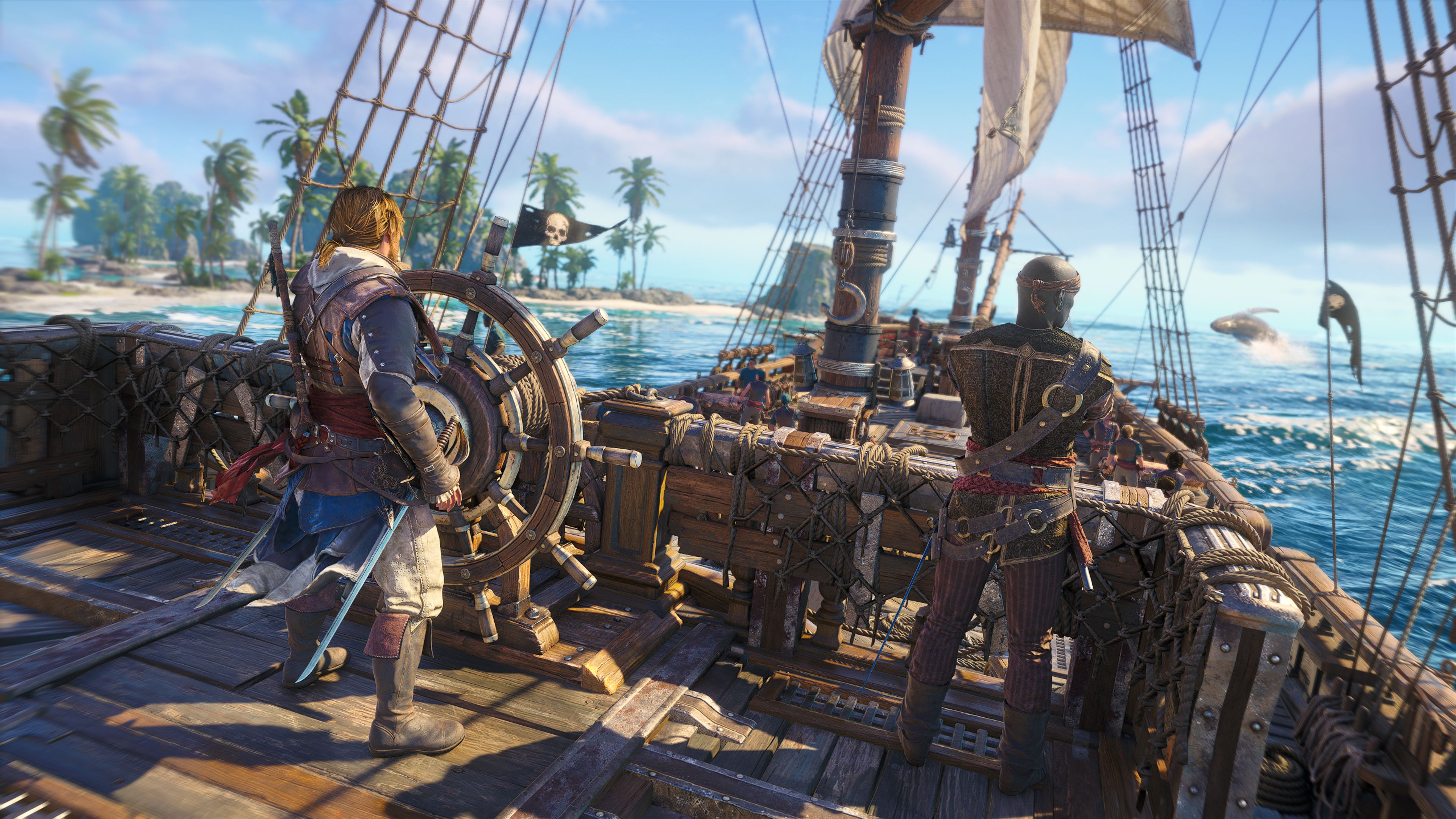
Audio and music are the soul of any pirate-themed game, and Ubisoft Singapore has poured immense effort into polishing this aspect. During our tour of the audio department, Audio Director Erik-Jon Evangelista (who also worked on the original game) shared the team's philosophy on balancing preservation with innovation. Old-school fans can rest easy: the exhilarating, classic orchestral score and the roaring Sea Shanties sung by the crew have been preserved completely intact. Furthermore, Grammy-nominated musician Woodkid has collaborated to inject brand-new tracks and acoustic details into the mix.
The remake's most noticeable audio upgrade is the comprehensive implementation of Dolby Atmos 3D object-based spatial audio. In a compatible audio environment, the entire Caribbean literally comes alive. Everything from the shouts of individual crew members tossed around by the waves on deck, to the Doppler effect of cannonballs whizzing past your ears, to the terrifyingly realistic thunder rolling in during a storm is precisely localized. (At least, that was the exact sensation I got inside their studio's mixing room). With four independent hull-wave sound emitters and discrete audio designs for every single cannon barrel and flying projectile, the entire acoustic landscape becomes a living battlefield—a technical feat truly worthy of current-gen hardware.
No More QTEs: Parry This Ye Scurvy Rat
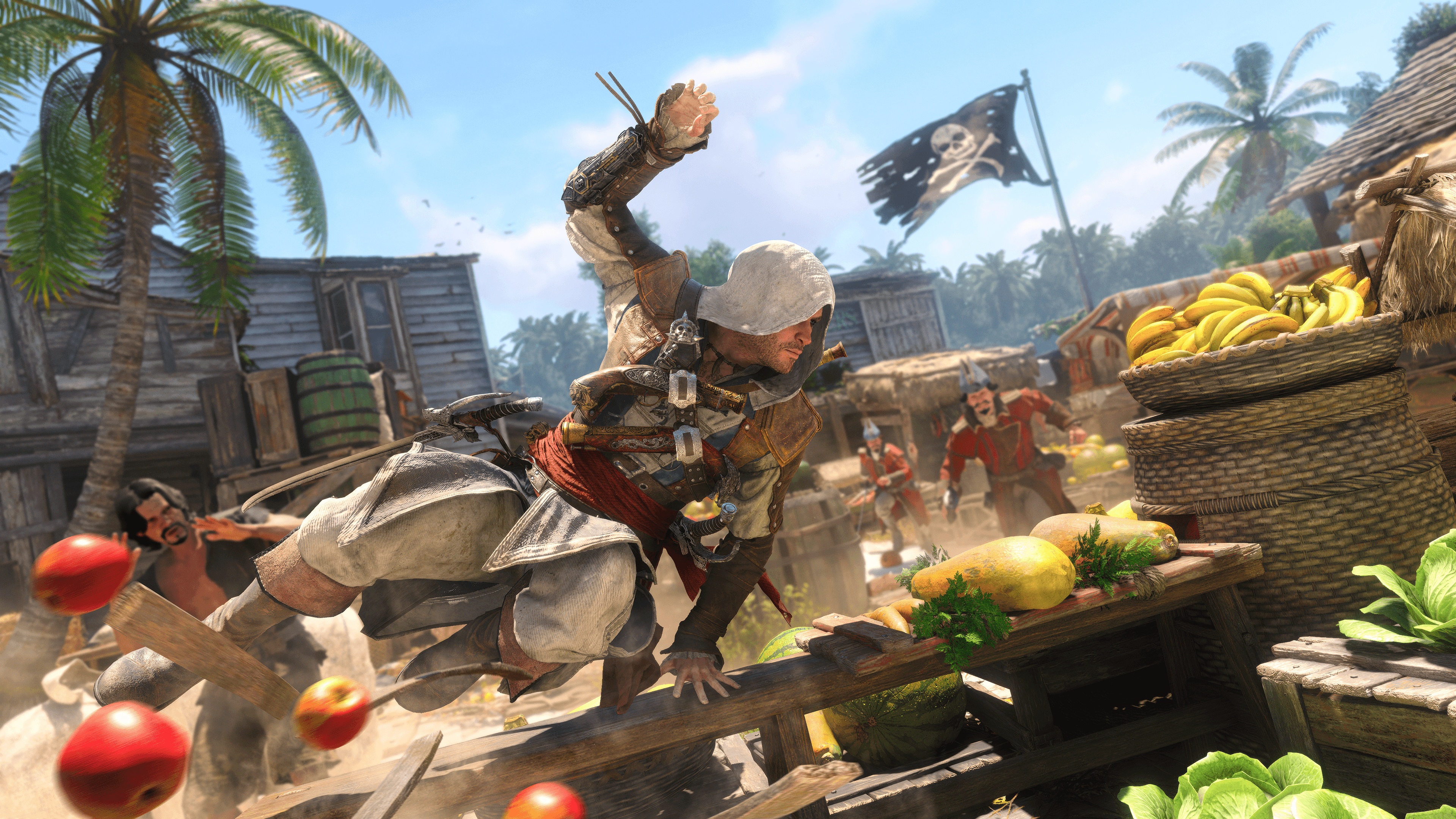
The overhaul of the combat system is where Assassin's Creed Black Flag Resynced distances itself the most from the original. Before we started our hands-on session, the Creative Director emphasized that the game's melee combat aims to reward player skill rather than gear stats, completely removing the gear attribute bonuses commonly found in modern RPGs to return to pure action-adventure.
The formulaic combat of the original—which was highly passive and only required players to press the counter button at the right time to trigger a finisher—is completely gone. It has been replaced by a brand-new, parry-driven system for close-quarters swordplay. When facing enemies head-on on deck, a successful parry rapidly depletes the enemy's guard meter, opening them up to visually striking and intensely brutal new execution finishers. This high-risk, high-reward parry mechanic delivers an unparalleled sense of satisfaction and control the moment you pull it off.
Even if you miss a perfect parry, you can still maneuver through the battlefield using more flexible dodges, positioning, and seamlessly interruptible parkour movements. Speaking as an editor who prefers action-heavy games, the overall game feel is vastly improved.
In addition to reworked melee mechanics, naval combat has also been deepened across multiple dimensions. The Swivel Guns have been changed from the original game's QTEs into a manual free-aim mode, requiring players to precisely target weak points on enemy vessels. Coupled with newly introduced secondary firing modes and chain-shot barrels capable of tearing down enemy sails across a wide radius, every broadside exchange amidst the treacherous waves becomes a thrilling tactical chess match.
If there is one minor flaw, it's that the underwater shark hunting gameplay feels virtually identical to how it did 13 years ago. Playing through it again today admittedly feels a bit tedious and dated.
Soon May The Wellerman Come
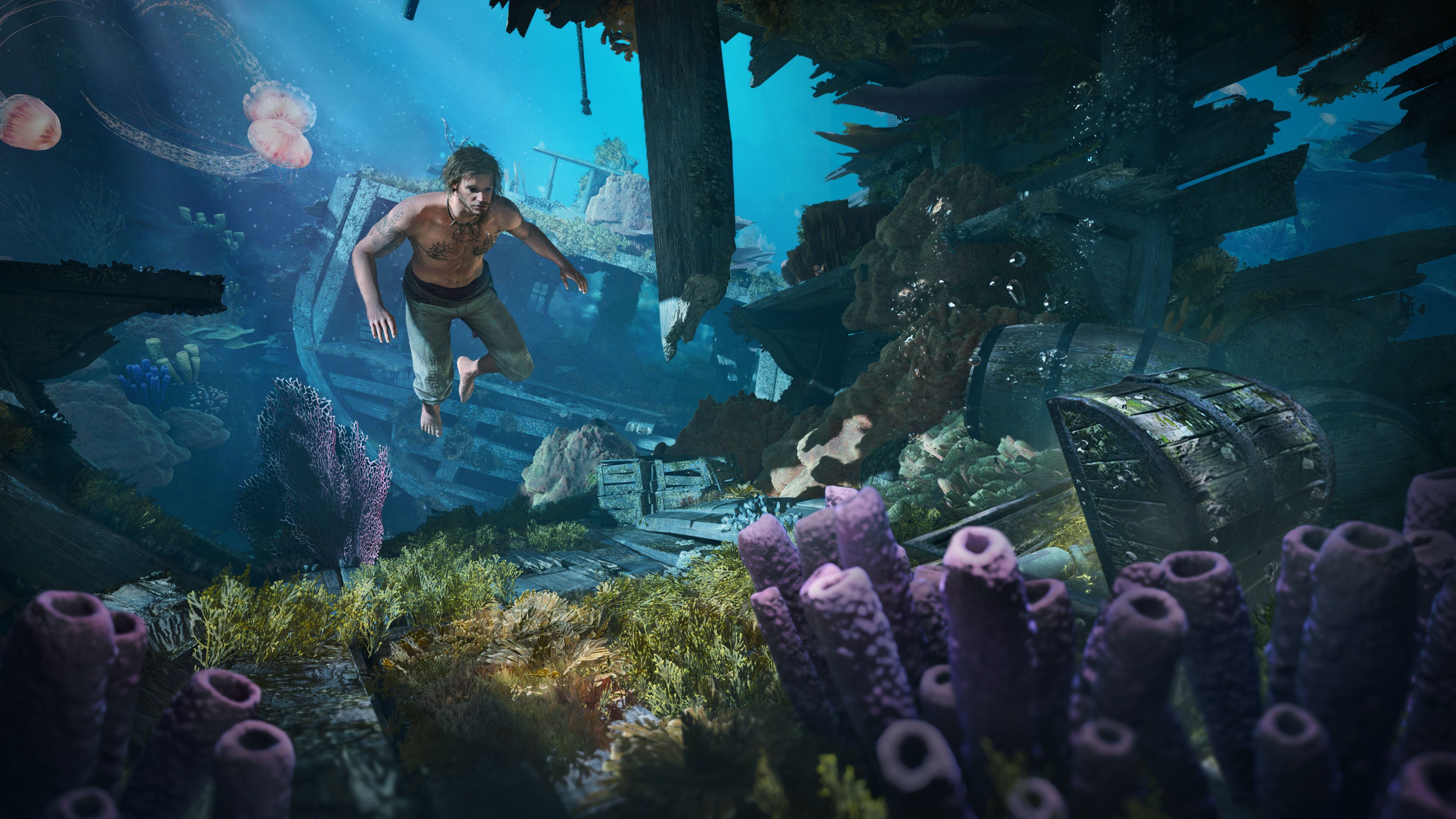
After wrapping up my brief three hours with Assassin's Creed Black Flag Resynced, it's clear that this project goes far beyond a conventional "HD Remaster." Leveraging the sheer power of the Anvil engine and pushing next-gen audio-visual tech to its limits, Ubisoft Singapore has successfully reshaped a 13-year-old pirate epic into a top-tier modern action-adventure masterpiece.
From silky-smooth parkour and skill-challenging parry combat to a deeply moving story, the game preserves its core narrative while washing away the dust of time with sincere, modern design.
Whether you are an old captain eager to helm the Jackdaw into a roaring storm once more, or a newcomer who has never experienced the legendary life of Edward Kenway, Assassin's Creed Black Flag Resynced is undoubtedly a must-play title of the year when it launches on July 9th. Ultimately, as a fellow gamer, I truly, truly, truly hope that when the full version is delivered, it steers clear of the recent frustrating tropes Ubisoft has put players through. I believe the community is always willing to place their trust in a game company that genuinely listens to player feedback.