 Slimepress
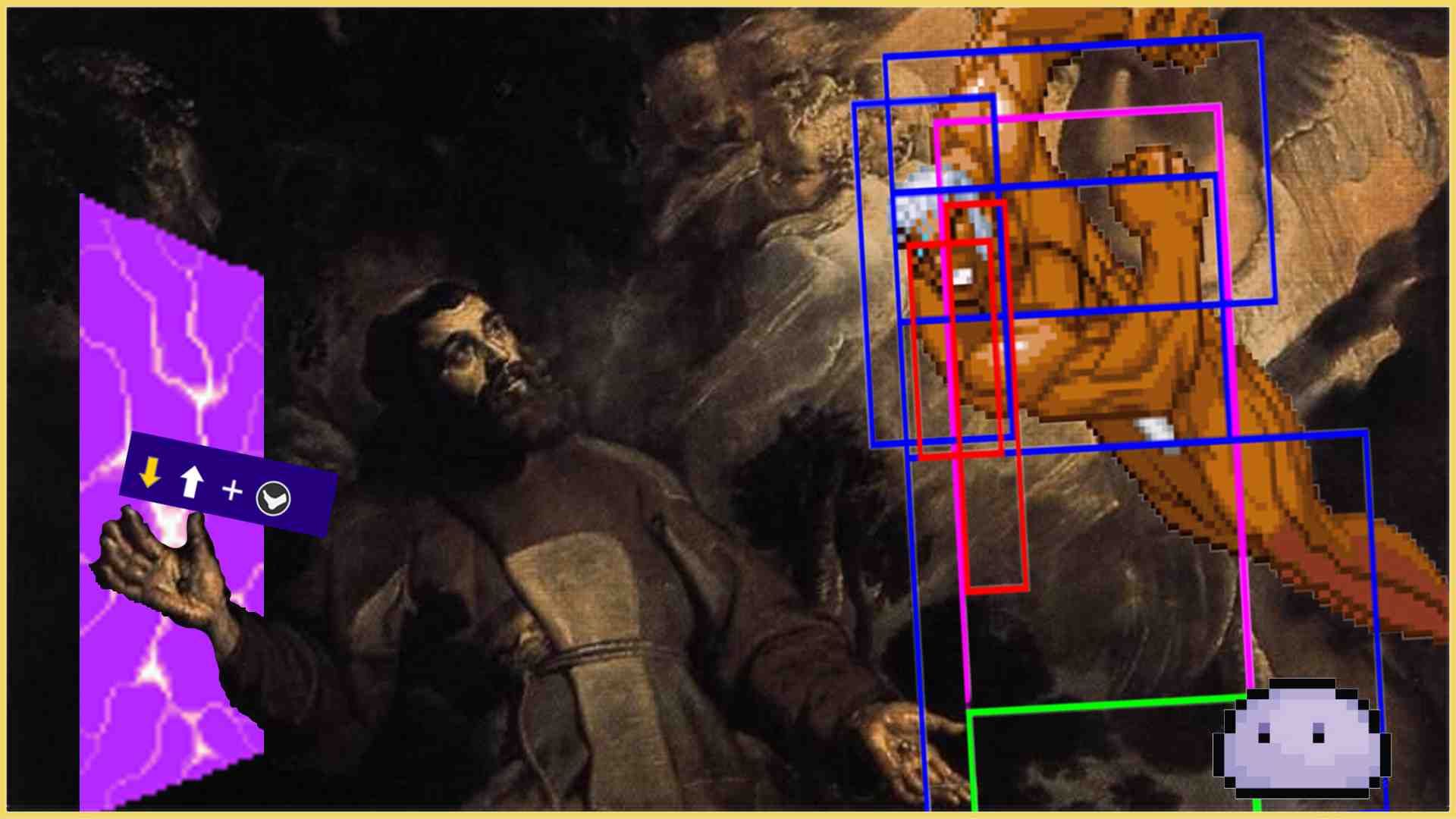
What's the deal with charge characters, and why are people mad that Alex got kicked out of the club?
If you're in fighting game spaces, the general temperature around yesterday's reveal of Alex for Street Fighter 6 trends positive save for one detail: they've taken away his status as a charge character.
It's the latest in a series of escalations in what, presumably, is the developer-side of fighting games trying to pander to a broader, more casual audience. But on the player side, many more see it as a watering down of the execution-heavy focus that's made fighting games so fun. From characters like M.Bison land Kain losing part of their kits charge inputs to games like 2XKO simply not having charge characters, it feels as if to say we live in a future where holding down-back on a stick might be one of those signs you need to schedule a geriatrics consult.
What is A Charge Character?
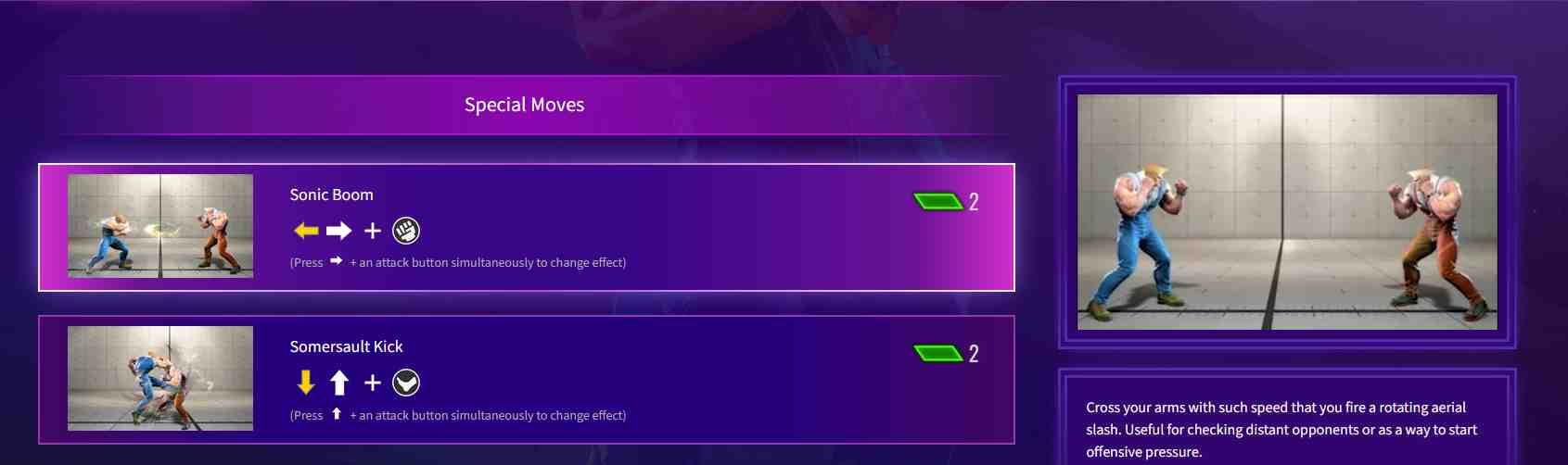
So if you're new or coming at this from the outside, let me break it down for you. In fighting games, special moves are usually done with a combination of directions. Rotating your stick down to forward is a fireball, a forward Z-shape motion is an uppercut, et cetera. Inputs don't have to necessarily correlate to move types, but in most characters you will either find some combination of quarter circle forwards, quarter circle backwards, DP inputs (the Z-shape) and maybe a half circle if you're playing a spicier game.
Charge characters eschew this for a different style of input. Rather than just hit down then forward, they have to hold a direction for a short duration. If you're an FPS player, think about a sniper rifle that's hitscan but only when scoped- projectiles like Guile's Sonic Boom are much faster to come out because you only have to press the forward input to release them, but you deal with the consequence of holding the charge input- usually down or back.

These usually come with some big game advantages- Leo Whitefang can flash kick through any gap in your string almost instantly, and much more reliably for new players than the tricky DP input. But on top of that, Charge characters are just fun because they force you to play intentionally and think about limitations: If you're holding down for a flash kick, that means you're vulnerable to overheads. Similarly, if you're charging a sonic boom you're physically incapable of walking forward.
The Case For Charge Characters
The thing about charge characters is that by default they make games spicier to learn. Big Band in Skullgirls could end his combos with a Big O style command grab, but it required you to figure out how to hold a charge in the middle of the combo. It wasn't just pressing buttons in sequence- you had to think about where in the string you had the liberty to also be holding a back input.
They're the platonic ideal of fighting games made manifest- characters that reward execution by their very nature, since you had to know how to sneak in charge inputs effectively. Kain in Fatal Fury City of The Wolves has a charged EX move- if you were doing his Season 1 Rev Accel combo, you were gonna walk away realizing just how many of his moves let him freely hold a down-charge while he zips around the screen.
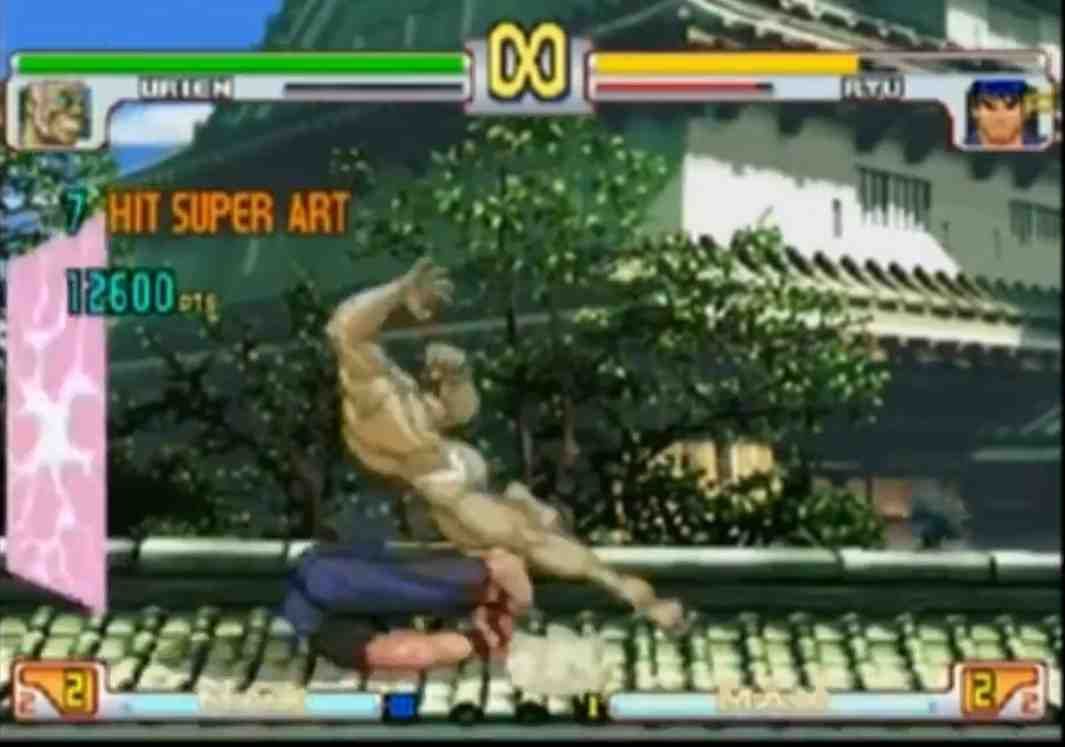
I mean, there's a reason Urien is the poster boy of high-execution. His 3rd Strike iteration takes it a step further with Charge Partitioning- a mechanism that lets him split the charge across two actions, basically bypassing the major flaw of Charge characters and unlocking some diabolical setups. It's incredibly strong but incredibly hard- your reward for learning was getting to do borderline unfair setups.
The Case Against Them
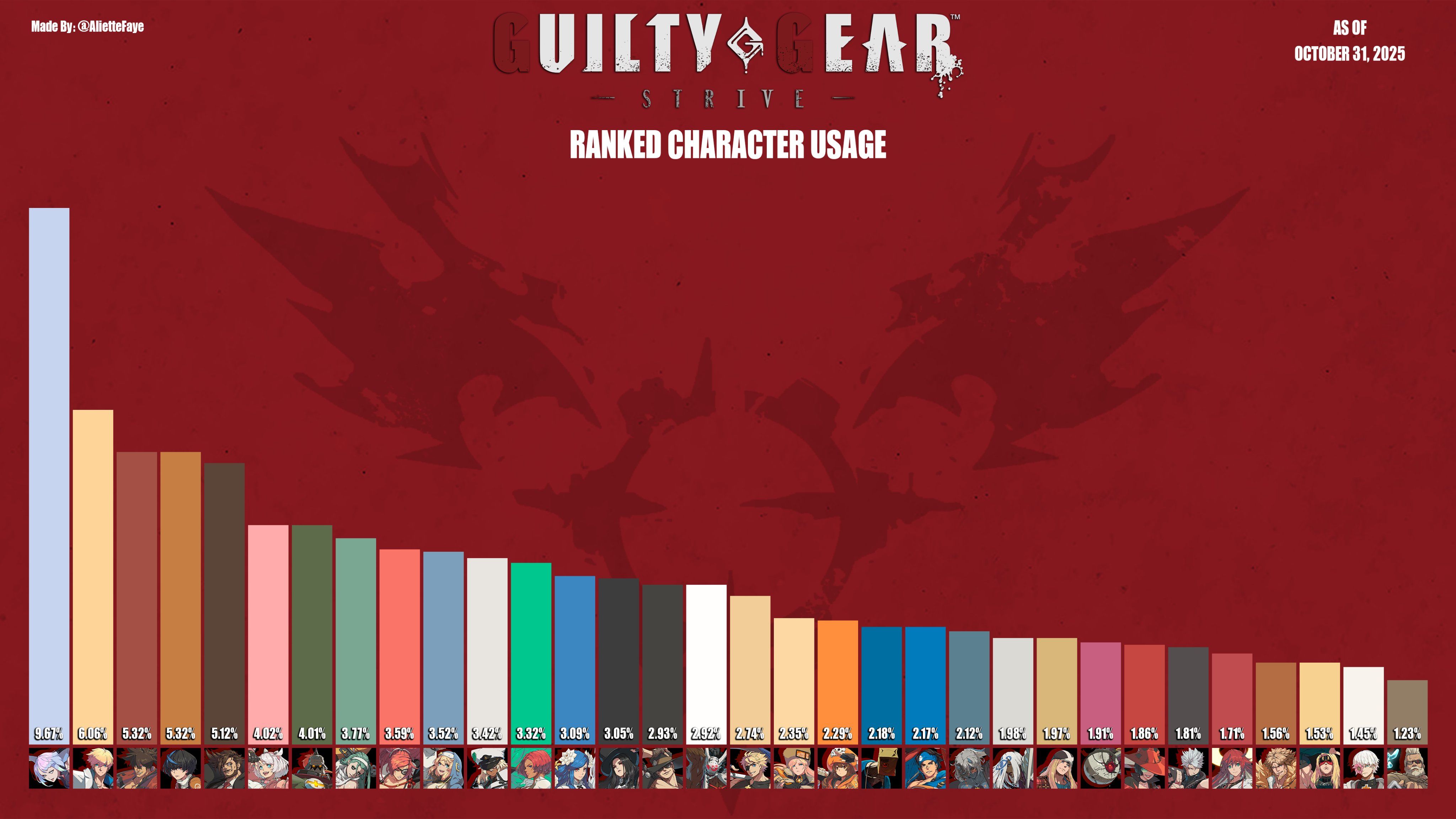
Of course, it's not like the comments against them are wholly irrational. Charge characters tend to have lower pick rates specifically because they have a higher skill floor. Leo Whitefang was largely considered a dominant character in Guilty Gear Strive yet had an incredibly low pickrate- it's because his strength revolved around using charges and stances.
If you had just jumped in on something like Street Fighter 6, it would make way more sense you'd suddenly want them gone. After all, why spend precious development time on a character that new players don't want to touch? To a new player, the common argument for Charge characters must seem like a bunch of demented oldheads fighting change: "We want charge characters because Street Fighter II had them", you must be thinking.
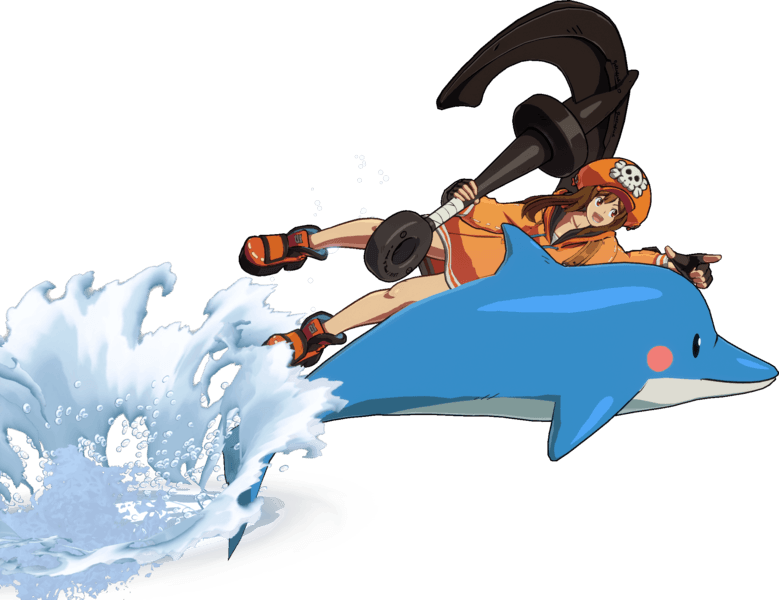
Similarly, as modern games trend more aggressive you could argue the archetype promotes passiveness. "How do I do offense with a character who can't walk forwards if he wants to use his fireball?", I hear you say. You'd be wrong, though- just look at May or Guile and tell me what about these characters is supposed to be passive when I'm eating flash kicks like it was on the food pyramid. But since newer players don't think about learning how to bend rules with characters, it's easy to assume they think that to have a charge input means to only ever be on defense.
Difficulty Is Good
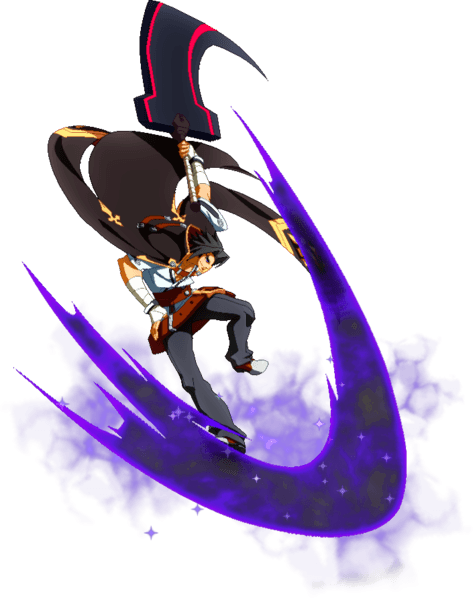
Personally, I don't like the idea of the charge character going away. Playing a charge character, even for just a day becomes a rewarding experience for any player simply because it opens your eyes to new ways to see the game. If you're doing an All Characters Master Run, it's a fun change of pace from hordes of Shotos and their ilk. If you're a newbie, you may find flash kicking your way out of pressure to be more natural than trying to jam in a DP input in a pinch.
I don't think difficult characters are necessarily bad. Interested players will always pick up what they want to pick up, while simple characters will always exist for those who want it. Street Fighter 6''s roster in particular is a really good mix of these- I may never learn Deejay in my lifetime but why would I when Terry exists. As it is, Charge characters are just a fun bit of texture to a genre that in recent years is running a bigger and bigger risk of homogenization.
Just like how snipers weren't phased out of shooters, I very much hope that we get a course correction on charge characters. Yeah, they're hard and you'll probably lose for a while before you can even say you like them, but trust me: you don't need Aegis reflector setups to realize just how good it feels getting those combos off.