 Slimepress
Could A Balatro Be Signed Today? Talking Indie Game Scouting With Playstack's Patrick Johnson
What does it take to scout out indie games? If you had a short meeting to pitch your game, what do you need to show? Patrick Johnson of Balatro publisher Playstack answers these and more.
The games industry is like a relationship in which one half has discovered the other is texting his high school crush for the first time in twenty years. Suffice to say, it's in a rough patch. If you're an indie developer, the fantasy of getting picked up by a publisher and becoming the next global sensation seems impossible.
Yet at the same time, it happened. This was more or less the story of Balatro- the solo-developed indie game that blew up online, riding a wave of hype further accelerated by a mobile release all the way up to a Game of the Year nomination at The Game Awards. Given the world's gotten a bit of a lot worse in the time since then, I spoke to Patrick Johnson, Head of Discovery at publisher Playstack about the process of looking for games.
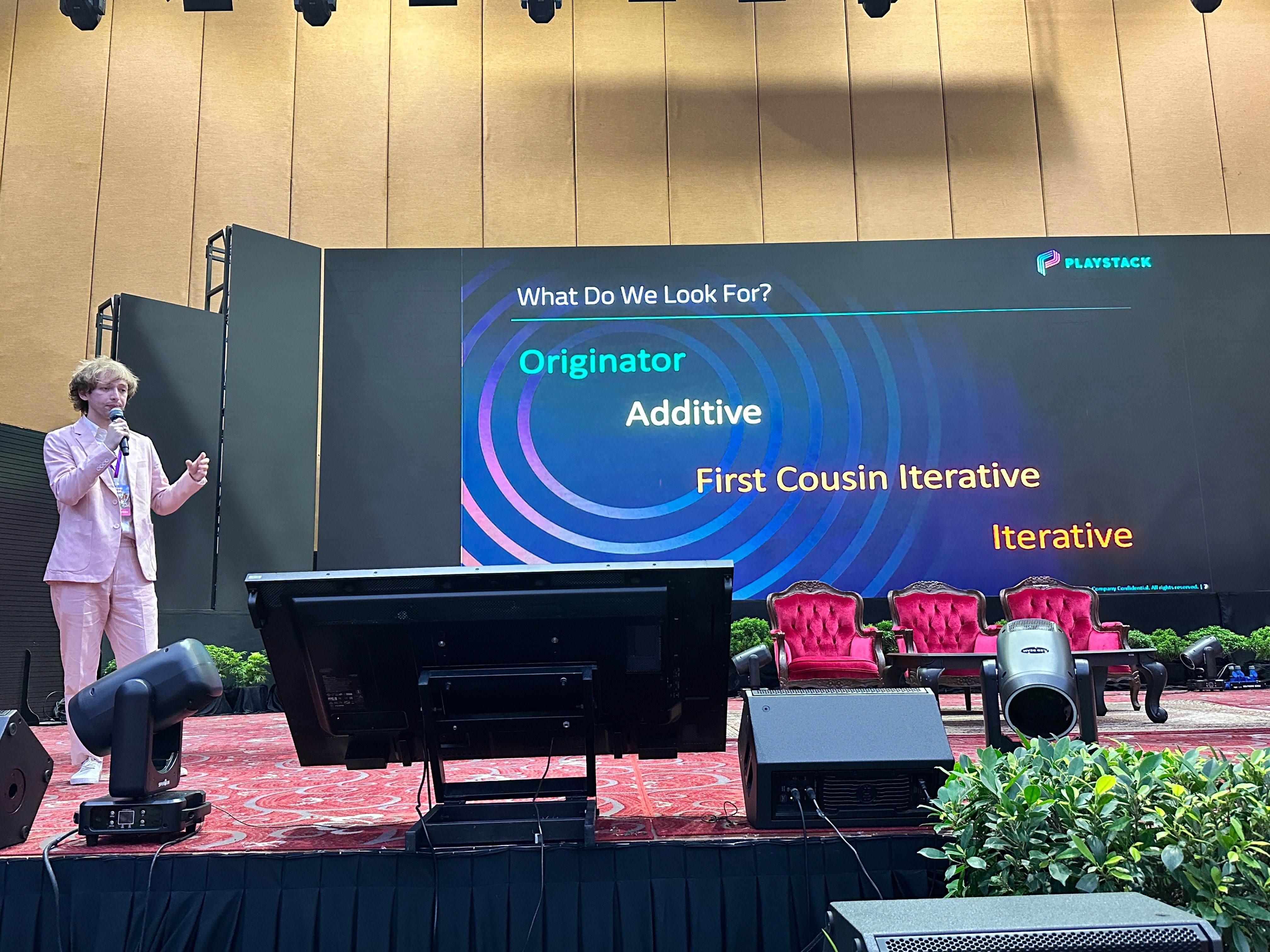
At Indie Jam 2026, Patrick had given his own talk about Playstack's specific appetite for games. He'd classified games into four types: Originators, Additives, First Cousin Iteratives and Iterative designs, highlighting that Playstack was typically only interested in the first two- basically games more interested in introducing new ideas and putting twists where previously were only straights.
Finding The Next Big Thing
This naturally might sound like a risky gambit from a funding standpoint. If you had a database that tracked how much every shooter sold, you could have confidence in your ability to predict how much a future shooter might sell. But what happens when your business is looking for the next surprise?
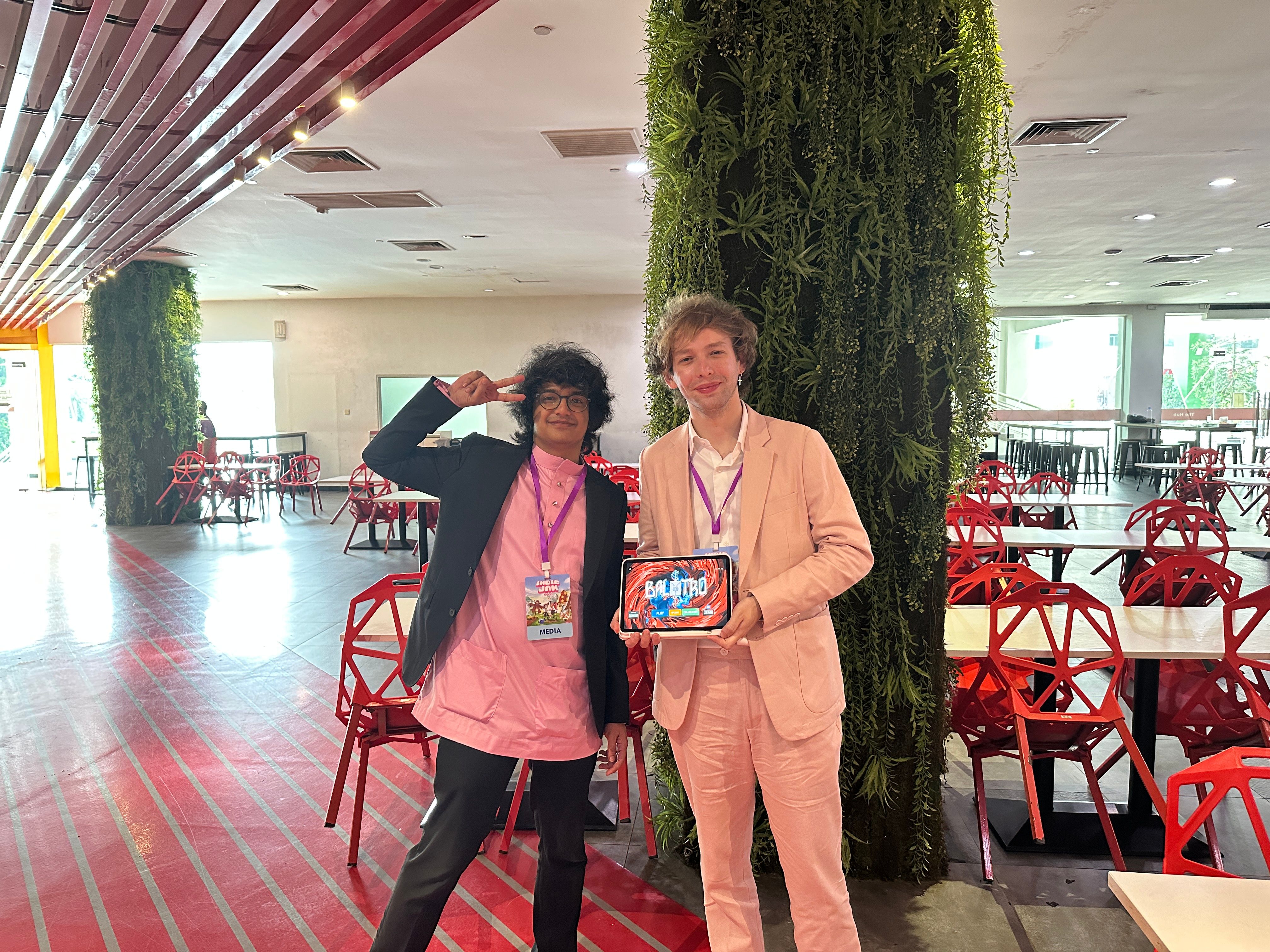
"I guess the approach that we take to it is like, we always want to look for the next automobile, not what the fastest horse is", he says. "We're looking for games more in line with telling players what they want, or at least showing players something they didn't know they wanted, is like the important thing for us in indie publishing, when talking about interesting and exciting games".
"Players think they might want another deck building roguelite, but if it's substandard or it's not as good as the one that they love, then they'll play it for 5 minutes, refund it and not engage with it", Patrick explains.
"[We're] Definitely looking to push the boat out on more original experiences looking for things that are interesting and unique, and what you were saying about developers can not do themselves any favors sometimes when they kind of distill their game to a lot of keywords".
At the same time, he also stressed that it's also on the publishers to be able to develop an eye for gems: Steam is overflowing with new games published every day, and publishers like Playstack need to have team members who can spot which ones need the financial nudge to go from good to great.
Another common topic among indie games is the line between homage and being completely derivative. While he didn't put it quite as bluntly, the gist of the rule of thumb was that it couldn't hinge entirely on a vibe of 'see it's just like the thing you know'.
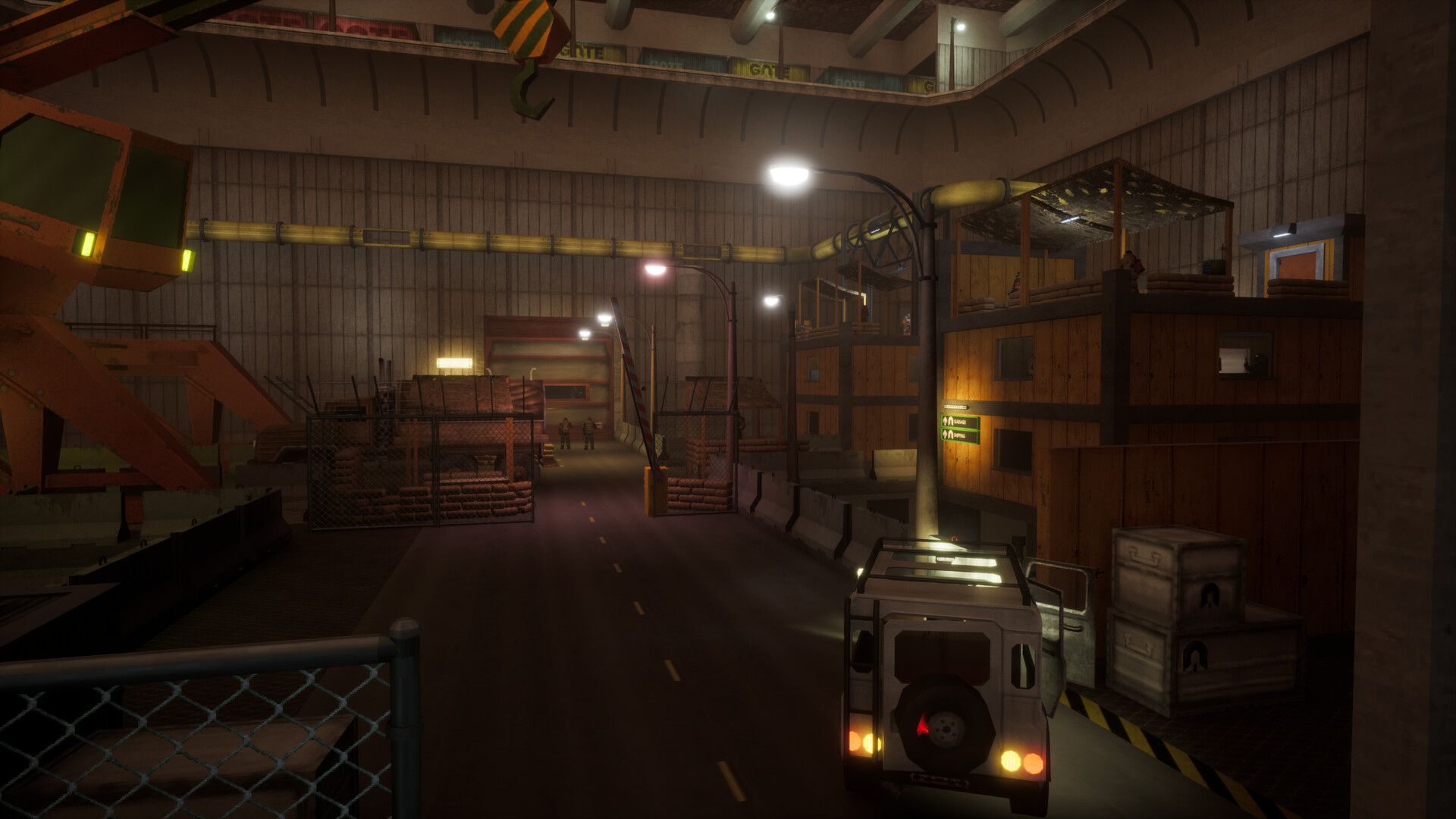
"Abiotic Factor is very much an Homage. It's visually very similar to Half-Life. It's got mechanics similar to Half-Life. Its setting and themes are.. But I think its different enough. And I think the thing about that is that it really distinguishes itself on the mechanical side of things", he says, highlighting that Abiotic Factor does not, in fact, have you recreating the events of Valve's famous shooter.
"It's not a cinematic first person shooter, its a very slow burn, very systems-driven survival crafter multiplayer game. And I think having a bit of recognisability to it... there's a trend right now for PSX-style games in particular that evoke Silent Hill 1, early Resident Evil titles", Patrick explains.
"It gives players the vibes without necessarily copying those games wholesale. To me, on the scouting level, this is fine. Personally I'm quite a sucker for that aesthetic as well".
But what about the true, genuine weirdos of the industry? While some games make them selves more appealing by asking for less money, there are games that aren't shooting for triple-A budgets but still getting told they're asking for a little too much. Patrtick describes this space as "No Man's Land", sitting over 1 million USD in dev cost but not quite shooting up to the 30 million-dollar tickets.
"There's definitely less of an appetite for originators that are expensive in terms of development funding. I think you can find original titles in a kind of sub-1-million development funding bracket.", he says.
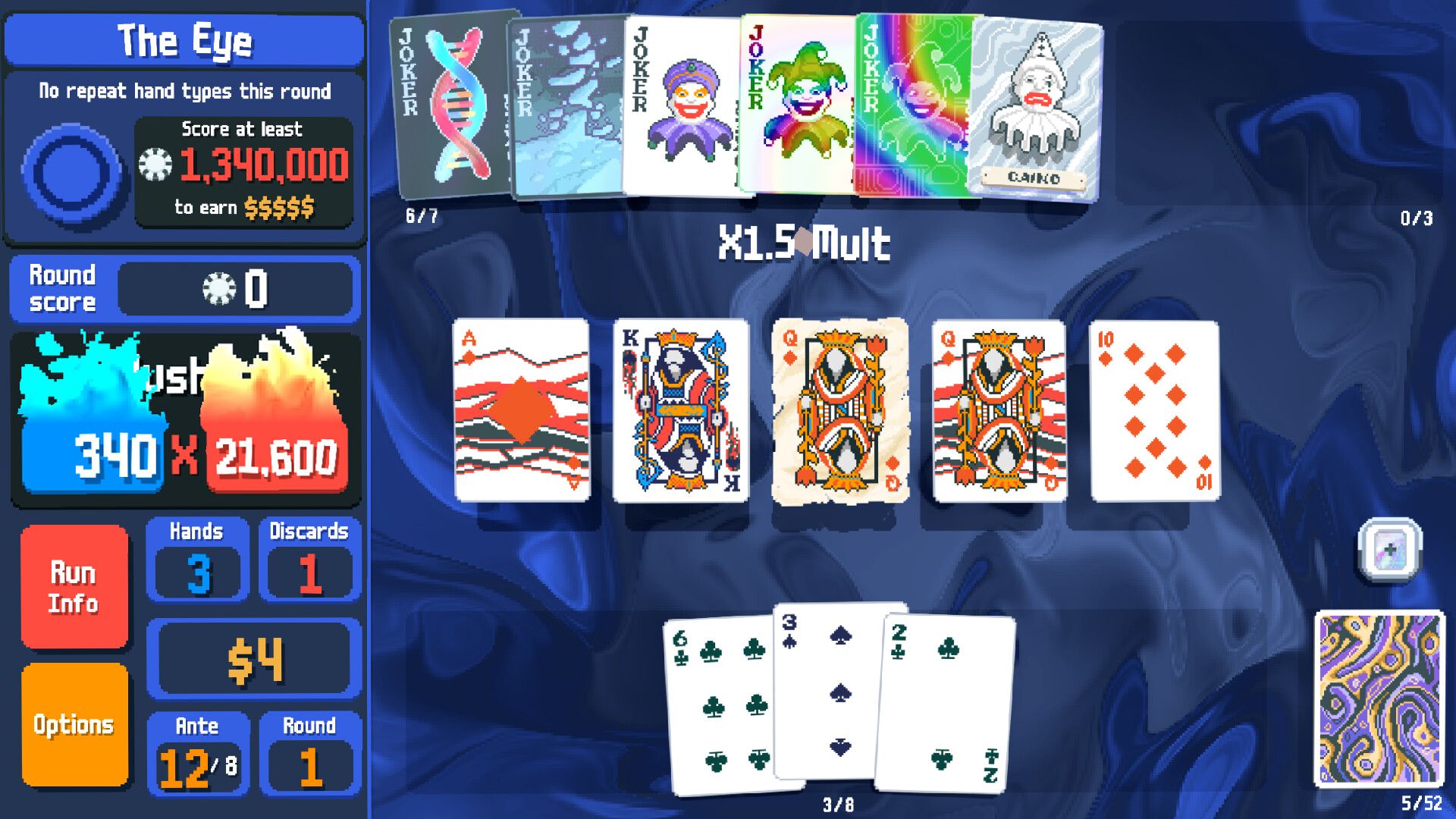
With that in mind, could a Balatro be made today? While Patrick says the answer is ostensibly yes, Patrick explained that it's less that the game's latent phenomena power is observable from space. Rather, it was a potentially high payout with a very low buy-in.
"I think Balatro specifically, I think people are still interested in signing games in that space because Balatro was relatively low development funding with high amounts of replayability. It was kind of a perfect storm. ", Patrick explains.
He adds that while not every one of them explodes in popularity the way Playstack's wild swing did, that doesn't mean all hope is lost: There very much were still publishers looking for more creative games.
"In terms of publishers signing truly original games, I think there are publishers who are still doing that. I can think of a few off the top of my head who are championing strange games that can go in either direction. They can either be an original game that pops and goes mainstream or they can be an original game that sits within their niche and people still really love them regardless.", he adds.
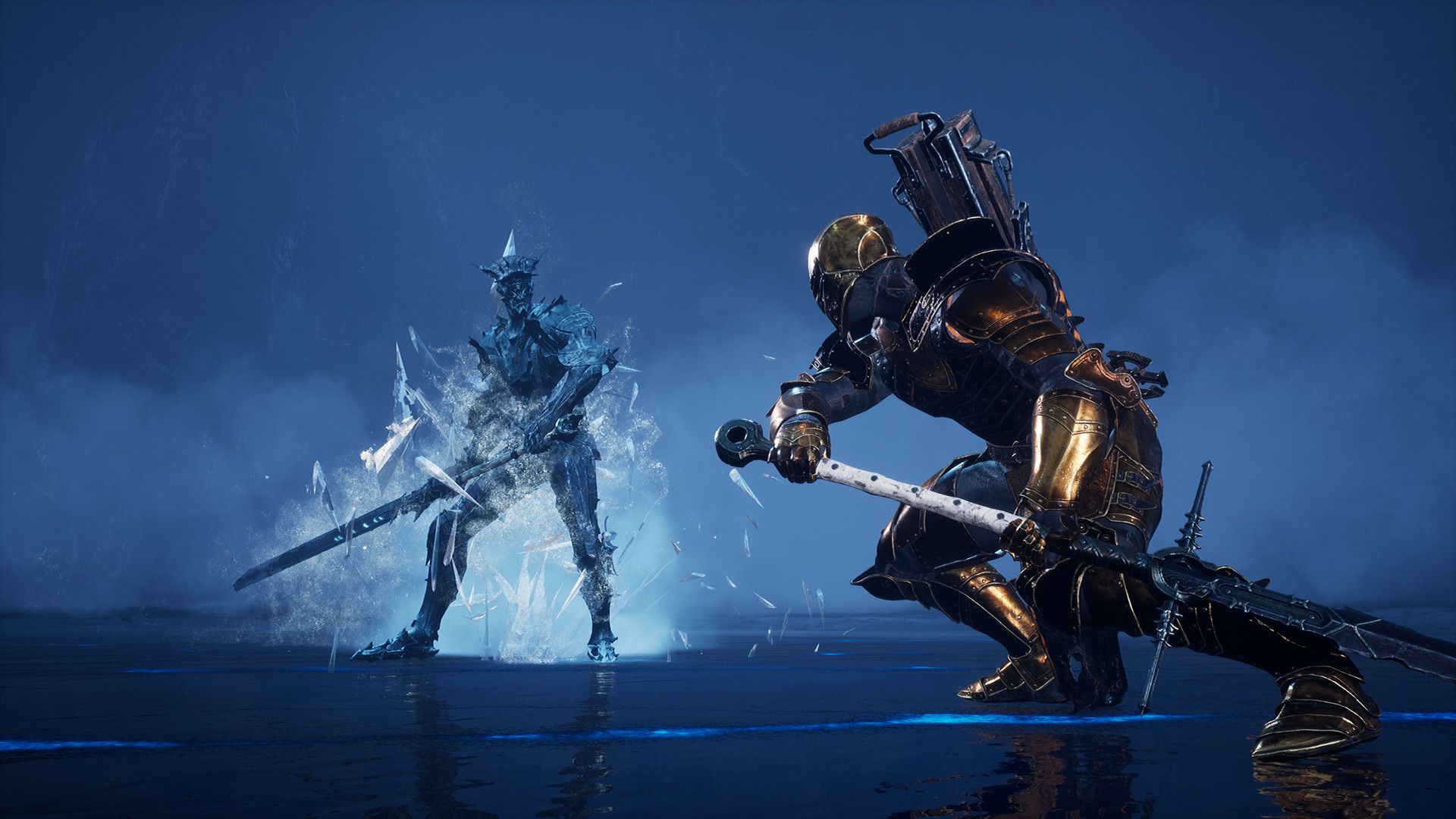
He did lament that while original ideas could flourish if they reined in their expenses, the double-A space was moreso being affected by the tightening of purse strings.
"Whether games like Balatro are still getting signed today, I think they are. Usually because those games usually sit in a lower development funding space. I think games that we're not seeing so much of these days is, to use a Playstack example, Double-A games like Mortal Shell", he says. "Those are the kinds of games we're seeing less of, the double-A space is languishing a little bit. Obviously the exception is Expedition [33], which does sit in that double-A space but served an audience that were under-served. There's a lot of caveats to it, lots of little unique threads you have to look at in each instance".
Now, starting any sentence with "I'm looking for..." at an indie game event is sure to attract cold pitches. After all, suddenly getting signed on to a publisher who gives your game the boost it needs is the indie fantasy, especially for younger developers. As no stranger to them, I needed to get important information from Patrick: Just what makes a good elevator pitch?
"For me personally, and I'm going to be quite straightforward with this: I want to know what makes the game special. I want to know when it's coming out, and I want to konw how much the dev funding is", Patrick says. "Those are the three clearest things you can give me in a pitch. The thing about Scouting is, and it will depend on the scout that you talk to, the way that we scout at Playstack is that we do know pretty quickly if its a game that we're interested in".
"The most important thing to us becomes in knowing more details about the project now, but at the beginning I just wanna see what the game looks like, I wanna know when it comes out, how much it costs and what makes it unique, as quickly as possible", he explains. "2-3 slides is perfect. Especially if there's a video as part of the slides, that's very helpful. I guess because we get so many inbound pitches, we're quite, not ruthless, but we're quite quick with how we go through things".
The Role Of Publishers
With that in mind, we shifted the conversation to talking about the publisher-side role in these. Patrick elucidated the publisher-eye view of how games are seen, especially from a funding perspective. In his talk, he covered that it's not that publishers were against high-ticket games in their entirety- it comes down to scouts abilities to capitalize on trends and spot a diamond in the rough. Games like Abiotic Factor, he says, is an example of a multiplayer game with strong potential.
That being said, he also painted part of his job as being like a patron of the arts. The Playstack slate didn't need to all be heavy hitting high sales-forecast titles, it also needs to express the publisher's own tastes, creating its own kind of brand with what games it signs.
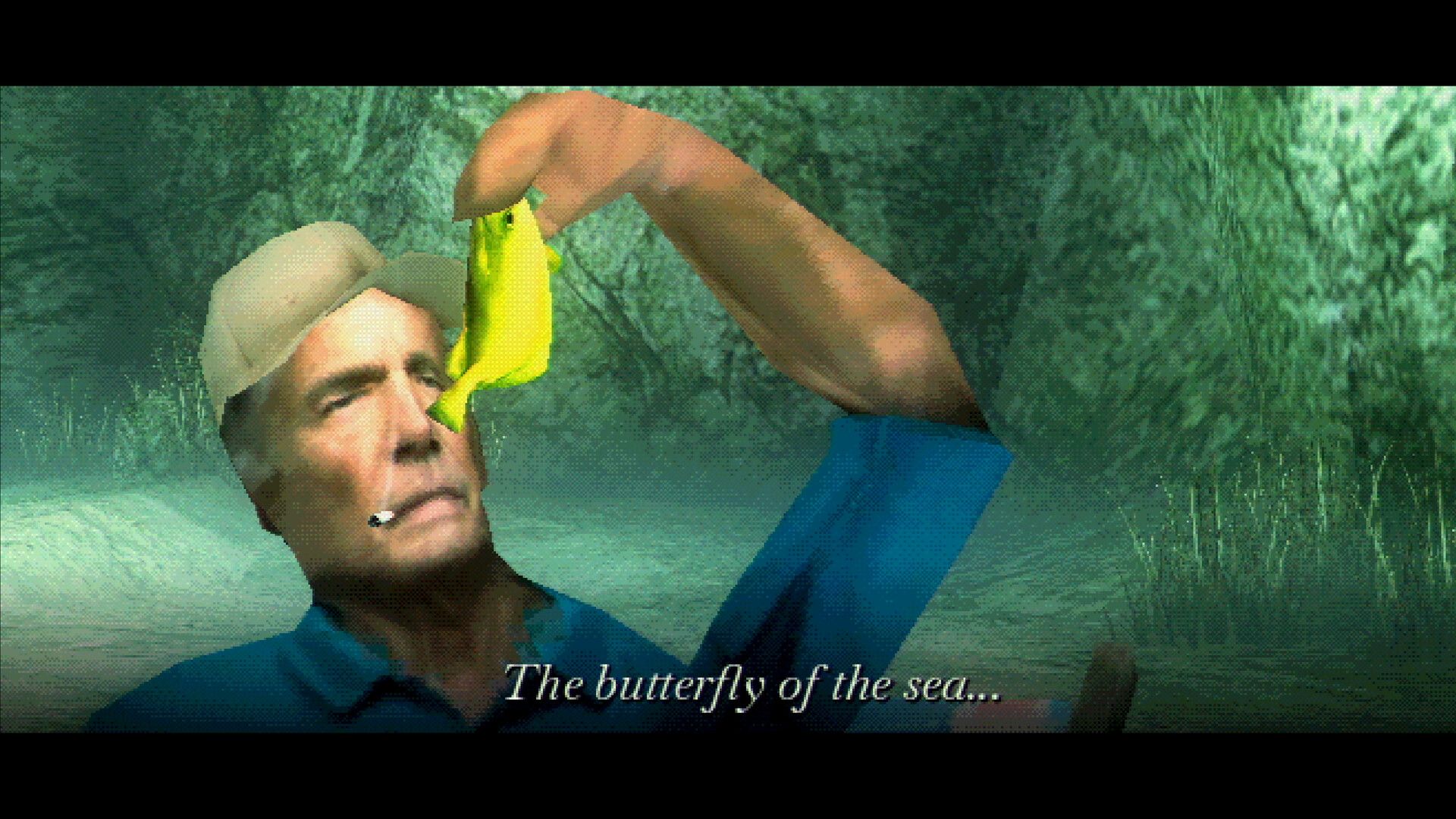
"I'm [also] interested in games as art, I'm interested in them as an artform and player experience first, and I want to work on those games and the team wants to work on those games so we still want to sign games in the vein of Golden Idol, About Fishing", he says.
"Games that are stranger and more daring in their mechanics, and maybe have a lower potential sales ceiling but are great portfolio games. They're games that enthusiasts care about, and when they see them they think 'well if Playstack can put their time and their money behind experiences like that, hopefully they have an eye for that kind of thing'".
"If you have enthusiastic people at these companies you'll naturally gravitate towards signing those kinds of games. Obviously as a publisher, the goal is to make money and to be profitable. I think perfect balance is being able to do that equally with signing interesting games as well", he notes.
Patrick also said this particular perspective comes from his own time working on the media side of the industry. He says a mix of people skills and enthusiastic approach are big factors in being a game scout for a publisher, and expressed his gratitude for the life journey he took to get to where he is now.
"I feel very lucky to have had that background. Scouting's an interesting position because you have to have a little bit of both worlds. You have to be relatively business savvy, you have to understand the numbers", he says. "But you also have to be an enthusiast. You have to really care about games. And you have to be a little bit of a people person. You have to be willing to get on calls with developers, sometimes 4-5 times a day, go to events, talk about the company, talk about the benefits of the company. Be transparent with people. You're kind of pulling from lots of different places in life".
"I'm really grateful for my time as a journalist for experiencing talking to people on interviews, knowing more about games, kind of obsessing over them. Funnily enough the one that's most important for me is I spent a lot of time in a customer service roles, so even working behind a cash register, a local record store, speaking to people, interacting with people every day, being able to talk about things. That's all really important in scouting, it's kind of pulling from all these different sources and experience", he adds.
The Actual Work Of A Publisher
Of course, publishers aren't just money-vending machines. A common part of a publishing contract is some sort of marketing deal- while the developer toils at the game, the publisher figures out how to get people excited for it. In Balatro's case, it was a game that became self-evident once you played it. The question remained: how do you get a deck of playing cards into people's hands>
"I guess when you look at games on Playstack, I look at them in two different ways. Either they're games that sing more with traditional Marketing beats or they're games that sing more with influencer-focused marketing beats", he says.
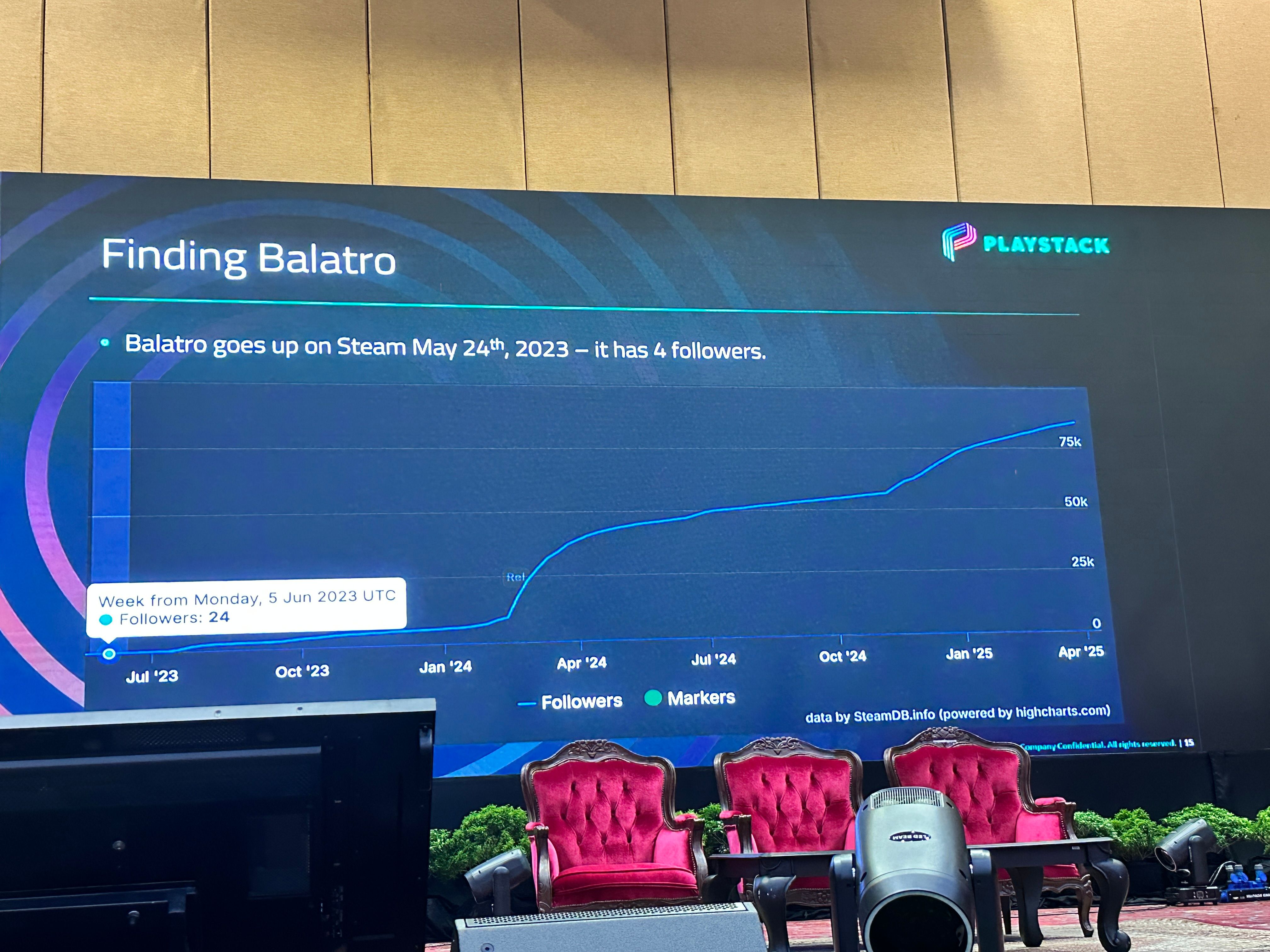
"Balatro for example was about growing that organic community around playtesting. It was about demo cadence. The game singing when you get it in people's hands, it was about having the demo up at certain times, taking it down to build hype, how much content to have in the demo. A lot of it is based around that", he explains. "Whereas with games like Golden Idol, in comparison to that, much more traditional marketing beats compared to that insofar as 'we want gaming press to review it, we want it to be at Media Outlets, we want Edge to review it' that sort of thing".
"Balatro got both at the end of the day, but I think Abiotic Factor is a great example: It's a game that sold over a million units, but traditional press don't talk about it very much.
It's very much an influencer-Steam-Content Creator kind of game. That's where it sings, and that's where most of the marketing is for that as well. I guess we try to focus on that side of things for games that we believe play better in people's hands.
Patrick also shed some light on what exactly publishers look at with signing a game. Briefly, his typical sales forecast looks something like this:
"I'm looking at what revenue share we're offering, what we've agreed upon for the title. And then I'm looking for, does it make its money back, does it make more money than it potentially would have without a publisher signed to it and after that split, after Steam tax, after all of that, has the developer made money. Are they happy with the outcome, have they made more money than they could have without our help", Patrick explains.
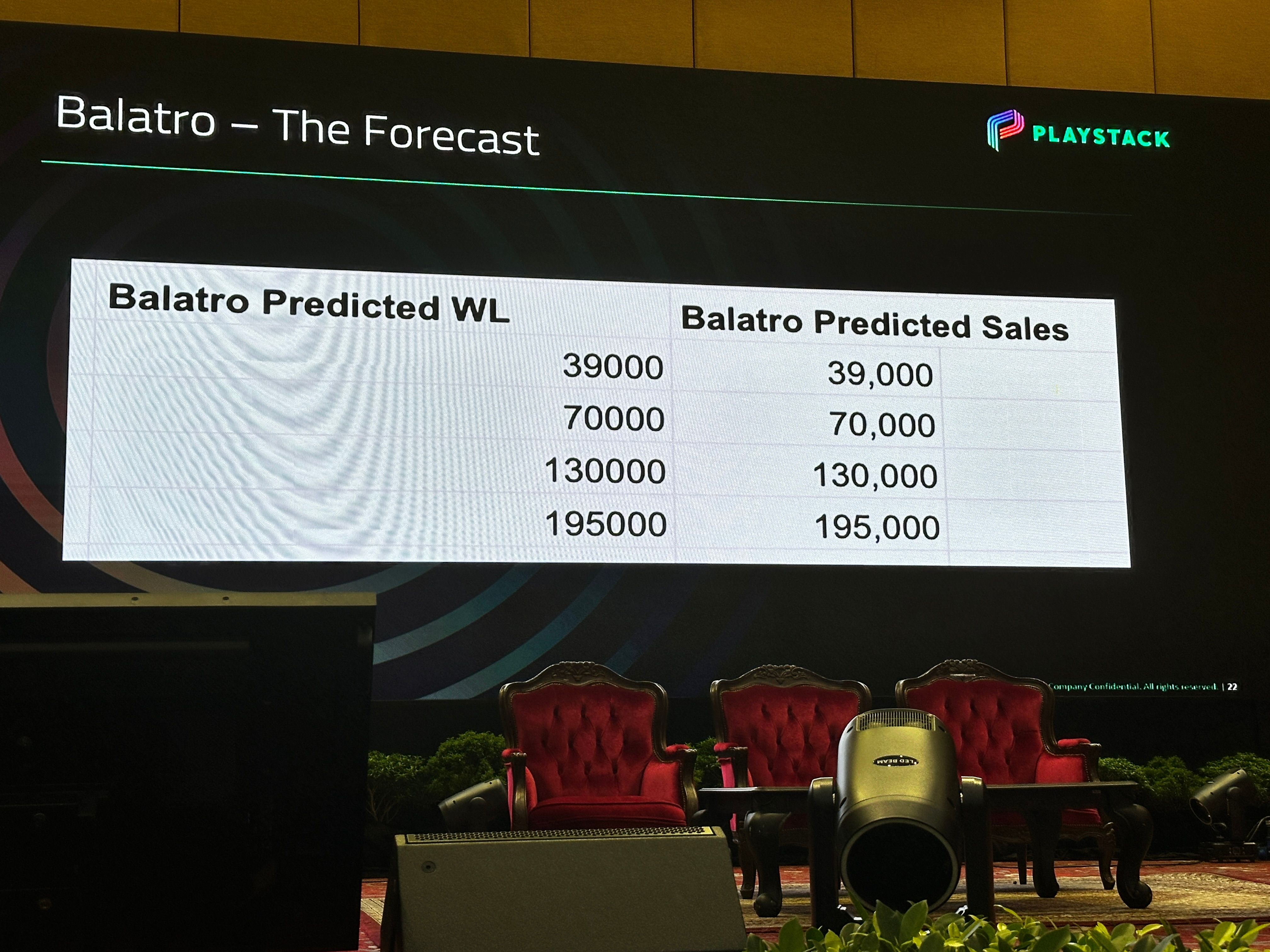
He also urged developers to not be afraid of asking what a publisher's expectations are- being in lockstep is, after all, the start of a good partnership. Developers make a game, while publishers figure out how much it can sell and how to get it there.
"There's quite a lot of math that goes into it I guess, and its all pseudo-science. We take the wishlists, and we figure out how many sales each wishlist is worth, and then we try 16:50 and look at the competition", Patrick says. " 'Do we think it's as good as this game, so we think it will sell as well as this game', and that can be difficult for games we like to look at, original games, because sometimes there's not a lot to compare them to. In that situation its like 'well, we don't really know what the sales estimates can realistically be. We've got to try and figure that out' ".
Building On Success
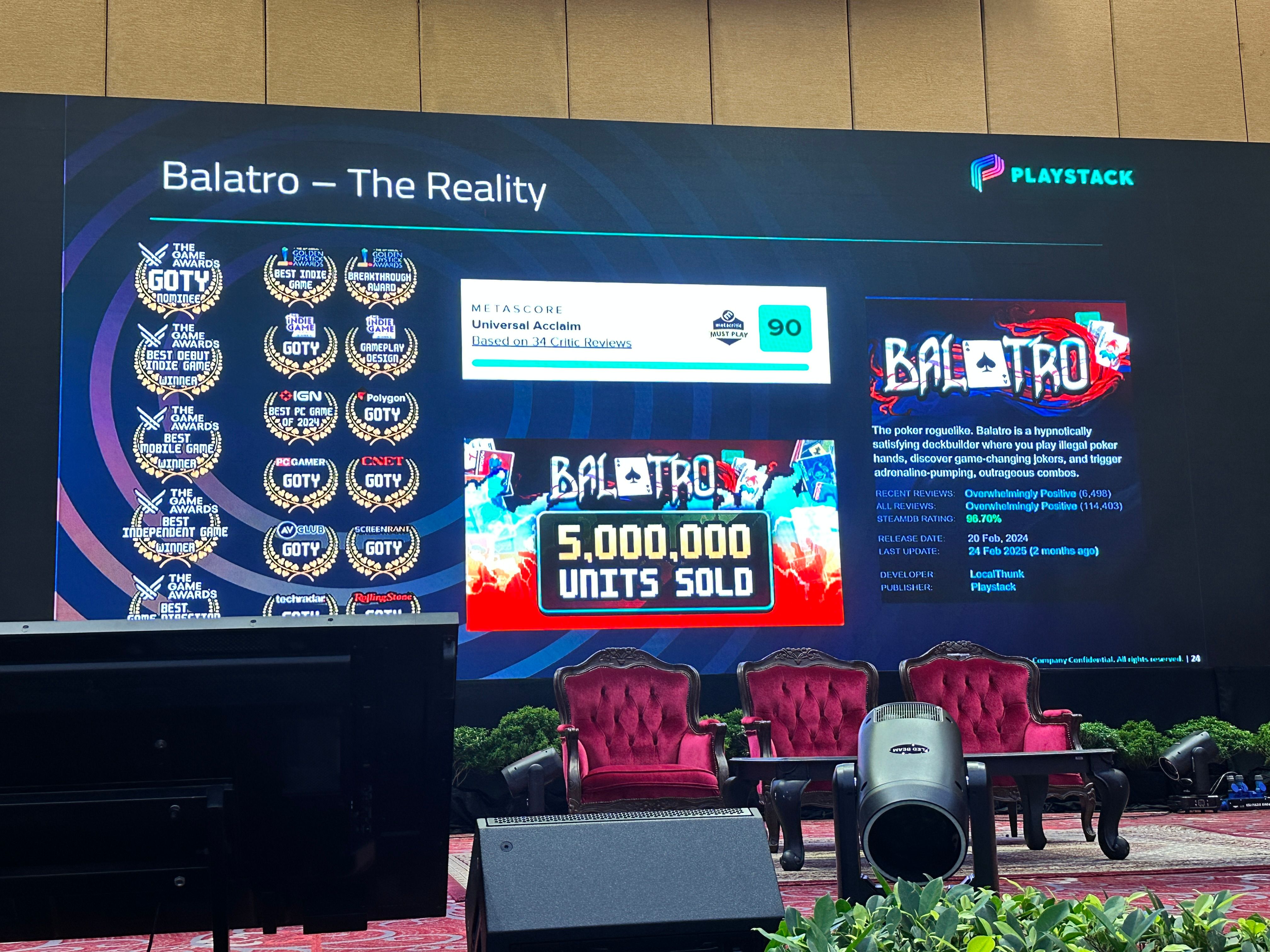
There's also one more element to the publishers' role: acting when a game becomes a breakout success. We wouldn't be mentioning Balatro so much if it didn't come out the gate absolutely swinging. While many only took notice of Balatro after it started to soar, Patrick says internally they were already bracing for the game's meteoric rise.
"One of the good things was that we had a lot of the warning signs that Balatro was going to be a successful game before it launched so we got to prepare for those things in advance.
We simultaneously shipped on console and PC, but we were very much preparing for mobile because we knew that was very much a platform people wanted to see the game on so we were beginning to prepare for that", he says.
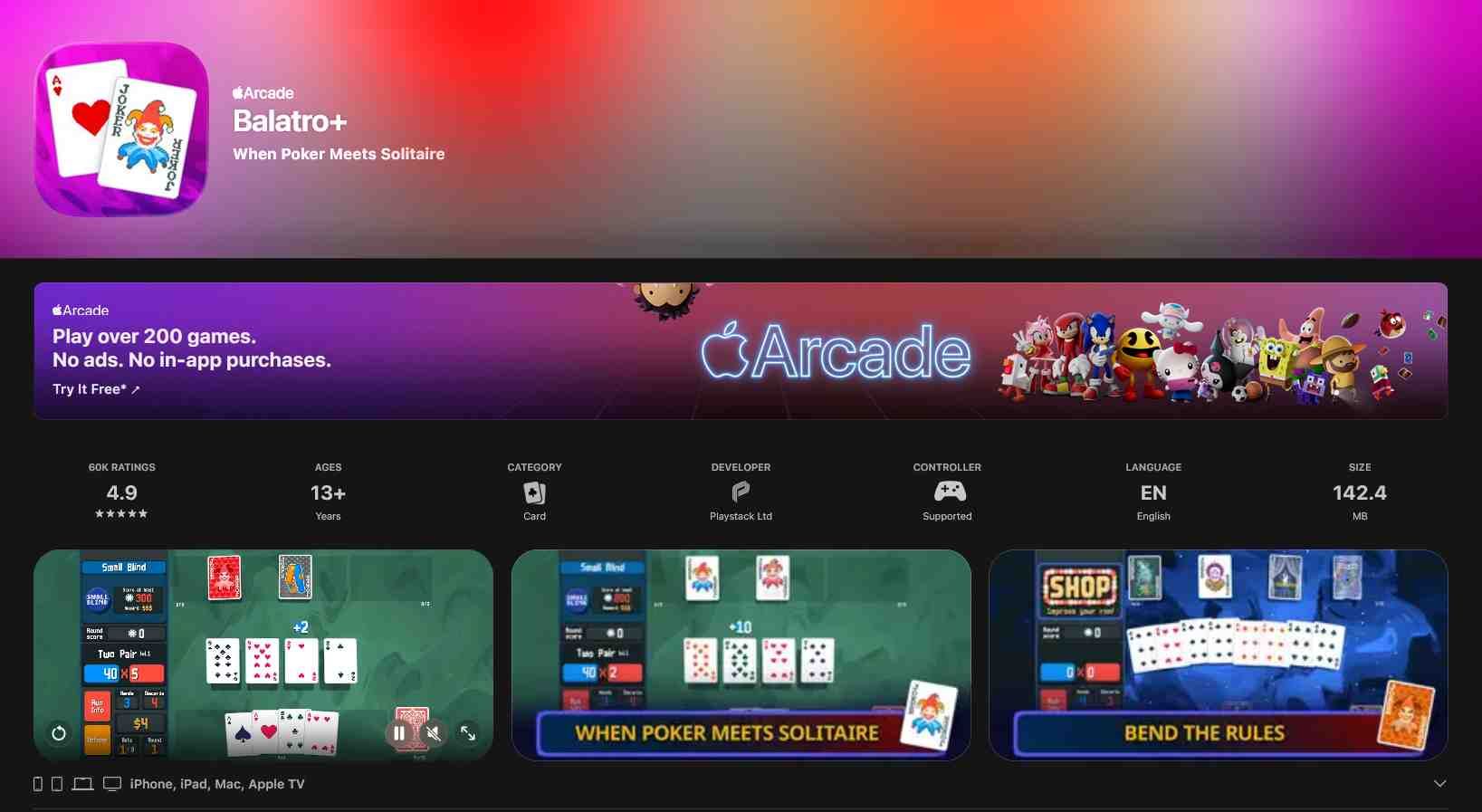
Part of this, he explained, was working with 'very specific specialists' to get Balatro ported to mobile. Playstack also by then had already gotten into talks with Apple Arcade and other mobile platforms to see if they'd have any interest in one of the hottest games of that year. While the mobile version was developed internally by Playstack, the deal with Apple made sure that the game got the shoutouts it needed- that Balatro could now be carried anywhere.
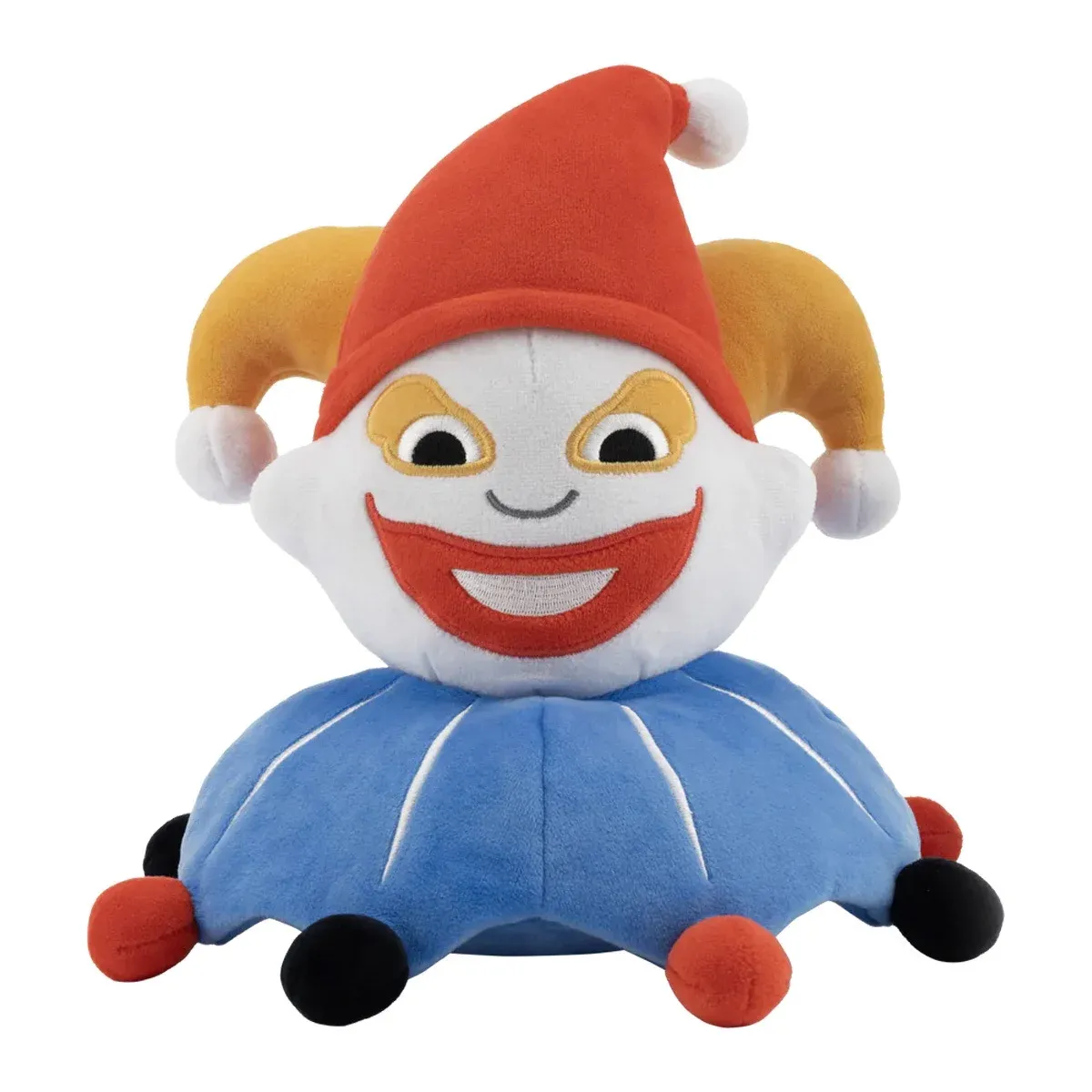
Meanwhile, the team at Playstack themselves had to adjust to the new world order: an appetite for Jimbo permeated the air and they had a duty to satiate it.
"We also took quite a few people internally at Playstack and had kind of a Balatro Breakout Team and were like 'right we need to put these people on Balatro now, they need to take care of this project going forward'. Merchandising, IP- we don't own the IP obviously but we had Localthunk take care of it. All those sorts of things", Patrick says.
While even Patrick had stressed a publisher isn't a necessity for indie games, the picture he painted about how Playstack in particular navigates their role was an interesting one. While numbers are still important, our chat with Patrick was an illuminating look at the day-to-day of it all: from keeping an eye out for the next hit to making sure they can support the hits they've got.