 Slimepress
Digimon Story Time Stranger Feels Like The Series Finding Its Groove As A Monster Collector
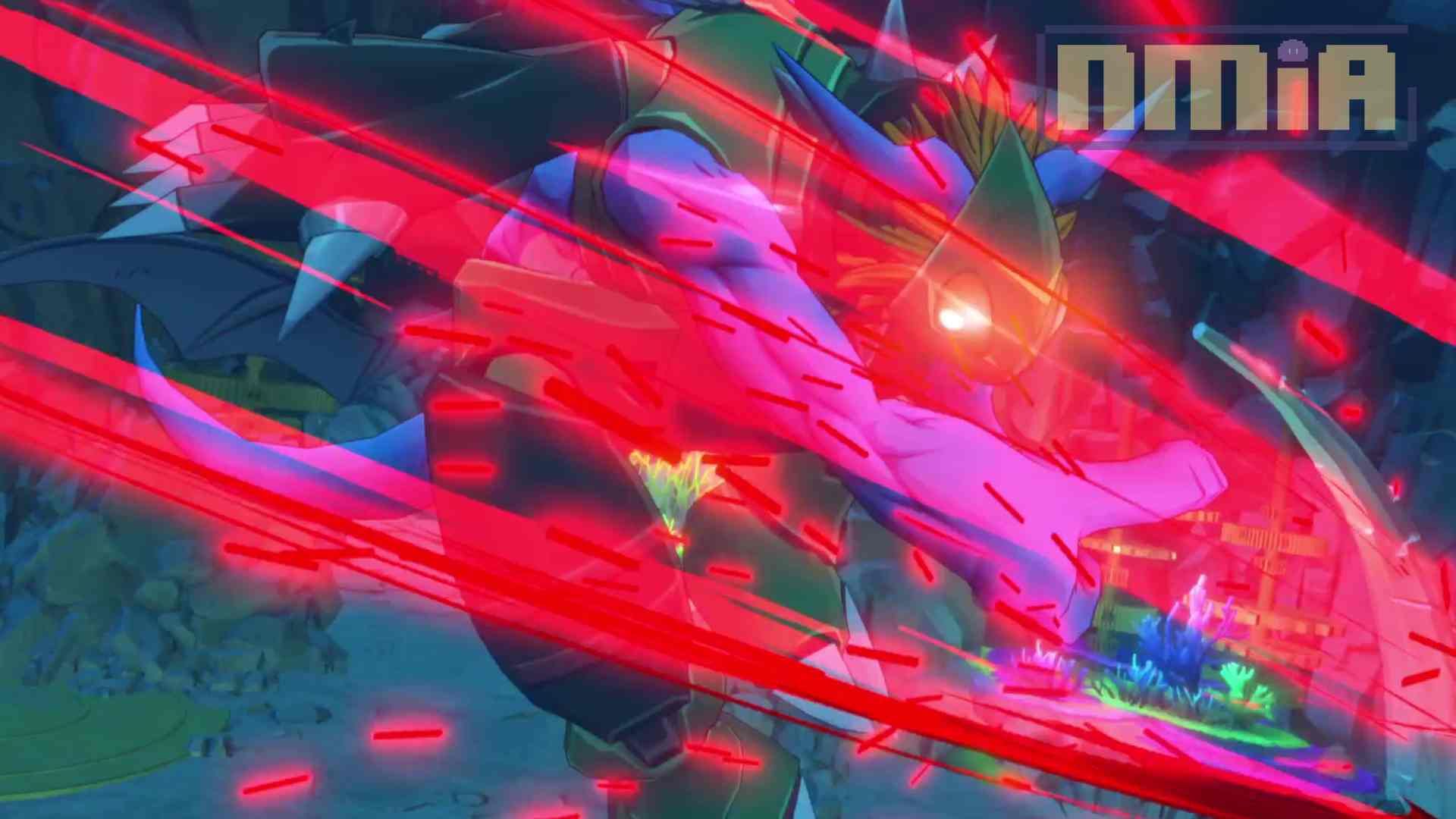
Review of Digimon Story Time Stranger, which is honestly one of the best Digimon things put out in recent years
I've watched Digimon go through so many iterations over the years that it's been hard to determine what exactly makes something, well, Digimon. From the mass experimentation of the World series to the mobile games, despite not being related it feels like the Digimon IP has always just rested in the shadow of Pokemon, who always somehow comes on top in any comparison discussions.
Having spent the past month chugging away at Digimon Story Time Stranger though, it feels good to see the game hit something that doesn't feel like it's even running that race anymore. Because surprise- why be Pokemon when you can be the slightly more approachable version of a Shin Megami Tensei game.
Title: Digimon Story Time Stranger
Developer: Media Vision
Publisher: Bandai Namco Entertainment
Platforms: PC, PS5, Xbox Series X|S
No, Seriously
No, I'm not kidding. So much of Digimon Story Time Stranger's appeal comes from the fact that you can see the ATLUS influences running through its systems. It's not nearly as brutal, it's way more intuitive and it's got the charm of Digimon's branching evolution trees- but at its core you can see that this game may as well be called Digital Devimon Saga.
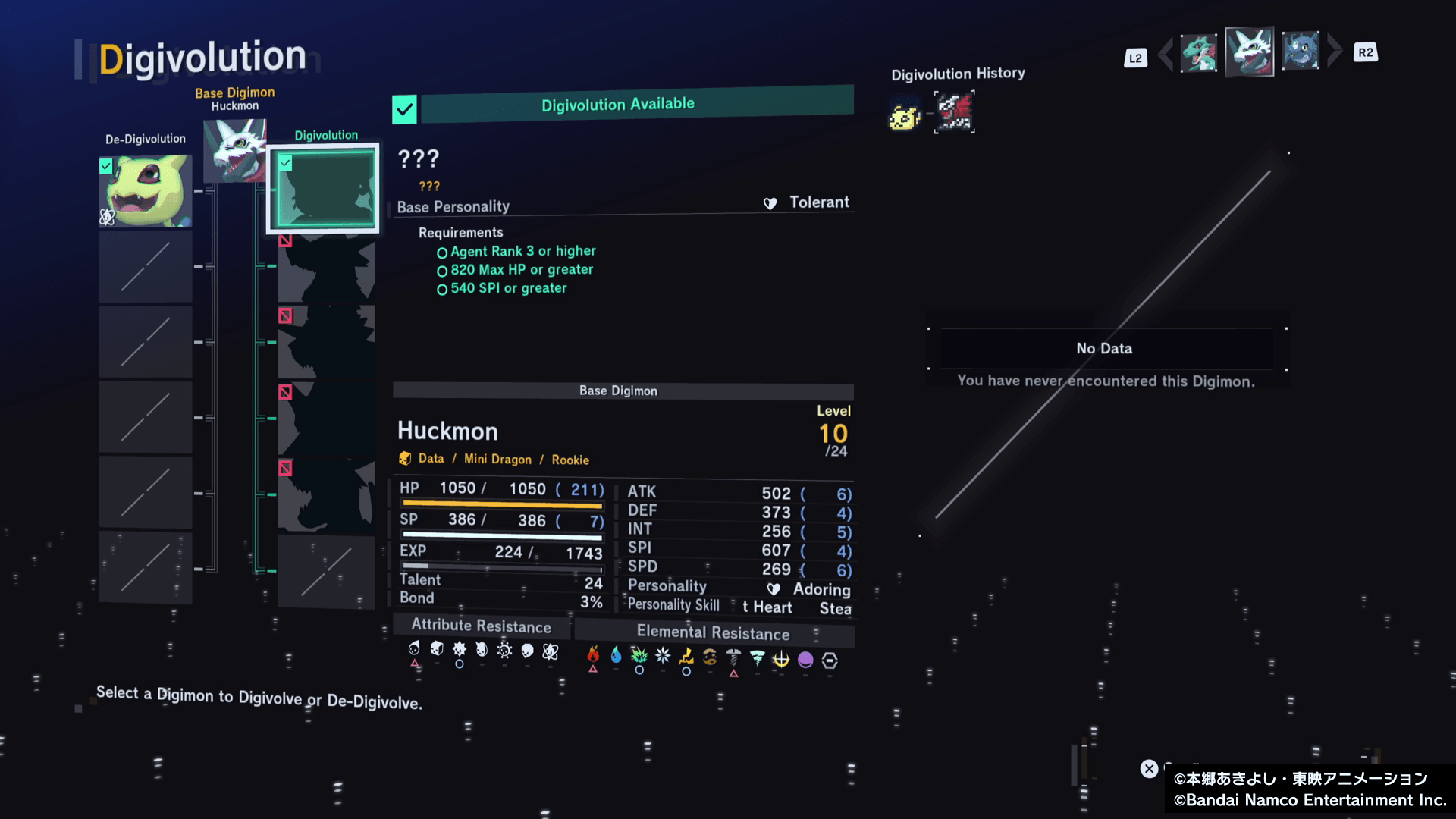
On a mechanical level I absolutely adore Time Stranger's systems- every Digimon is a broad spectrum of evolution trees and branches, and you're encouraged to experiment with them in much of the same way you would a Demon Fusion. Just like how the game goes back to calling the main Digimon Aegiomon even when he eventually digivolves, you look back at your team in much the same way. My team of edgelords were still very much the Wormmon I picked up at the very start of the game, along with the Tsumemon as well as the Solarmon I picked up later.
It helps that the game's Personality Skill system is what really drives the Digimon's individuality even as you shuffle through so many evolutions. Basically, as you train or answer your partner Digimon's questions, they'll shift their personality on two axes. This can trigger new Personality Skills, which can be as banal as "10% less SP consumed when you attack" to some build-defining skills like "All Digimon healed by this one can be overhealed to double their max HP".
It works in tandem with the universal Attachment Skills in a really cool way because any Digimon can perform any function- it all ultimately comes down to how you raise them, which is literally the ethos of Digimon as a series.
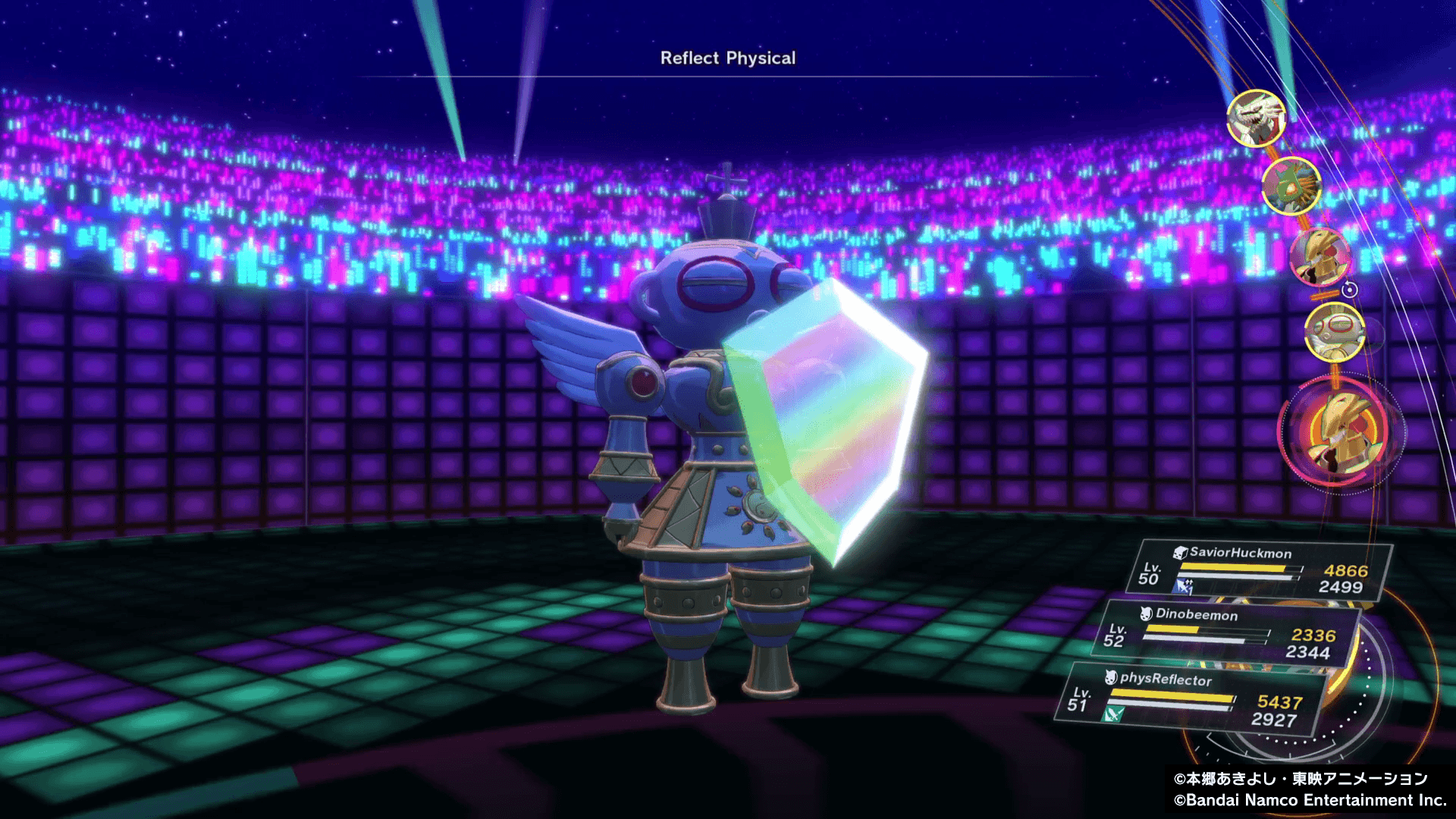
Given just how many stages there are, I do wish the game got crazier with the endgame builds. We start to touch on things like weakness implants and Maternal Figures Who Reflect Physical, but it feels like the game is just always shy of letting you really make unkillable tanks or insane 100-hit builds.
So Let's Talk About The Setting
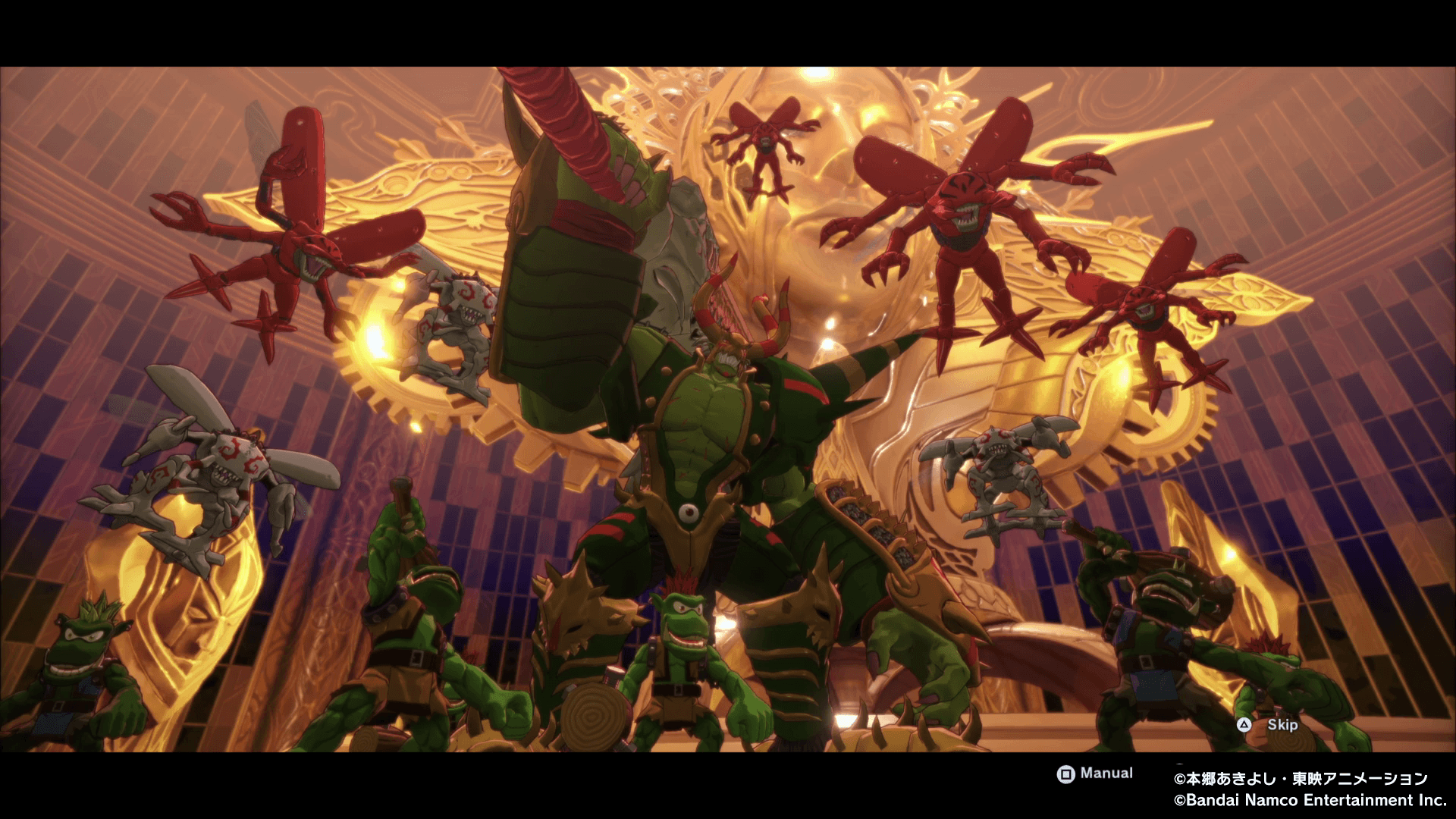
Of course, all those systems need a background to play in. Digimon Story Time Stranger's epic also definitely feels like a few pages out of the Megaten playbook. We've got divine succession, the destruction of Tokyo in a massive war and even questioning Dogmatic Truths, all set against the backdrop of you, a paranormal ADAMAS Agent and Inori and Aegiomon, a girl and her Digimon as you get thrown through time like a chewtoy trying to prevent exactly this.
Look, as a device for exploring the Digital World, Time Stranger's story is great. Digital World Iliad is a cool playground, themed after just how many weird Digimon there are. It does that thing where all the marine Digimon obviously hang around the water zone, while all the angelic ones are obviously in a city of gold in the heavens.
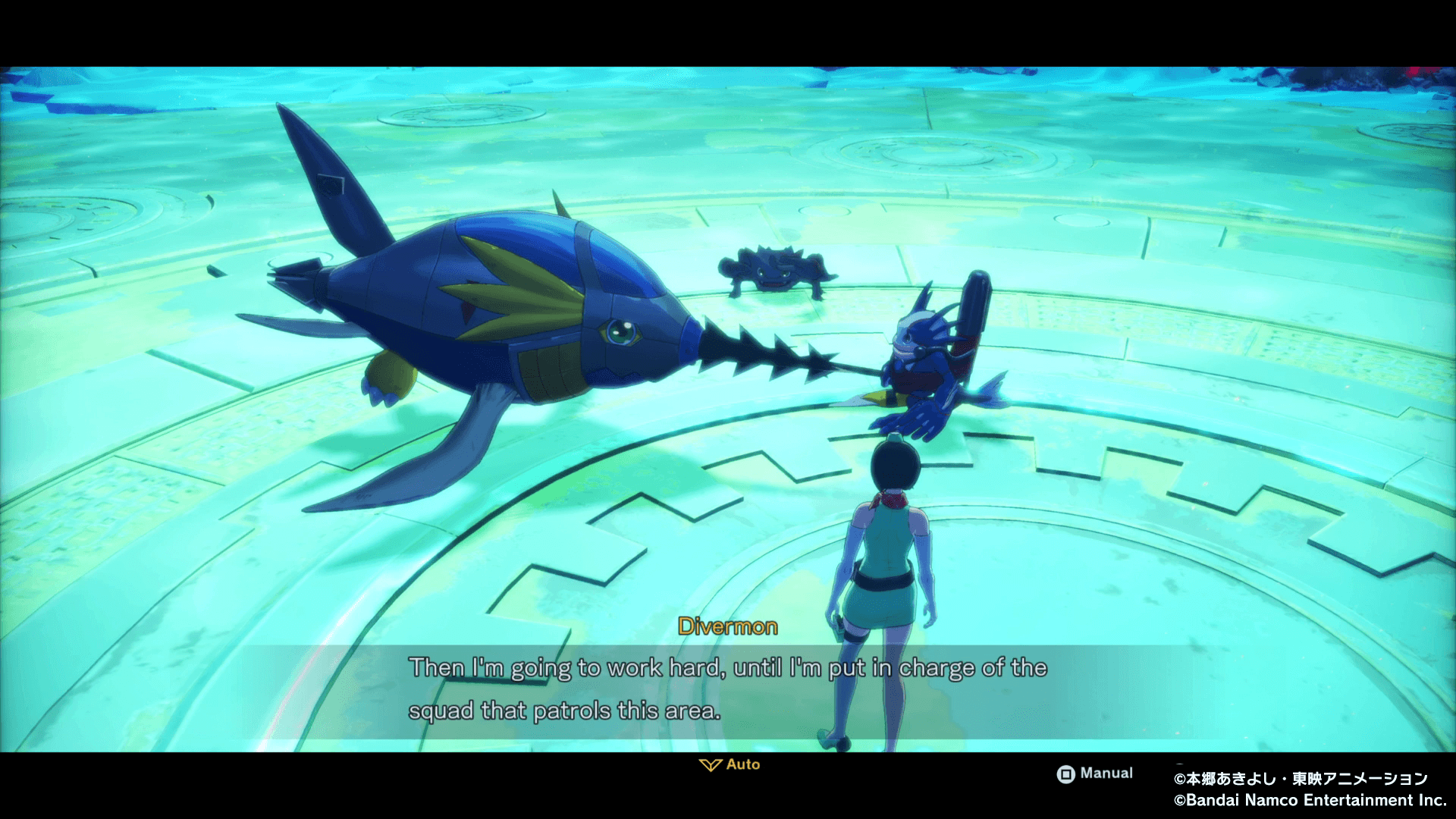
But while the areas and arcs themselves are cool, its the moment-to-moment that gets me down, largely because it feels like someone is actively trying to tone down the game's heavier theming. In one chapter, A character quits what are basically Digimon Nazis after realizing that the people in the village he's raiding are chill. His plan is to then share this revelation with his unit, who are sure to change their mind once they find out. When it doesn't work and the village is overrun, his plan becomes... to rejoin the Reich, but change it from the inside. And it works.
The story does this weird thing in the back where it even talks about the moral implications of time travel- only I just spent the last 20 hours exploring just how rad it is to time travel every time something goes bad. I get that it's not meant to be misery porn, but I just wish the game had a bit more harmony between what it wants to tell you as a story vs what it needs you to do as a player.
At all times it feels like it's split down the middle- be the story of Aegiomon coming to terms with his power and Inori, or be the story of your adventure in the Digital World and dealing with the Olympus XII. I like both stories, they just mesh in a kind of weird way.
The Gripes
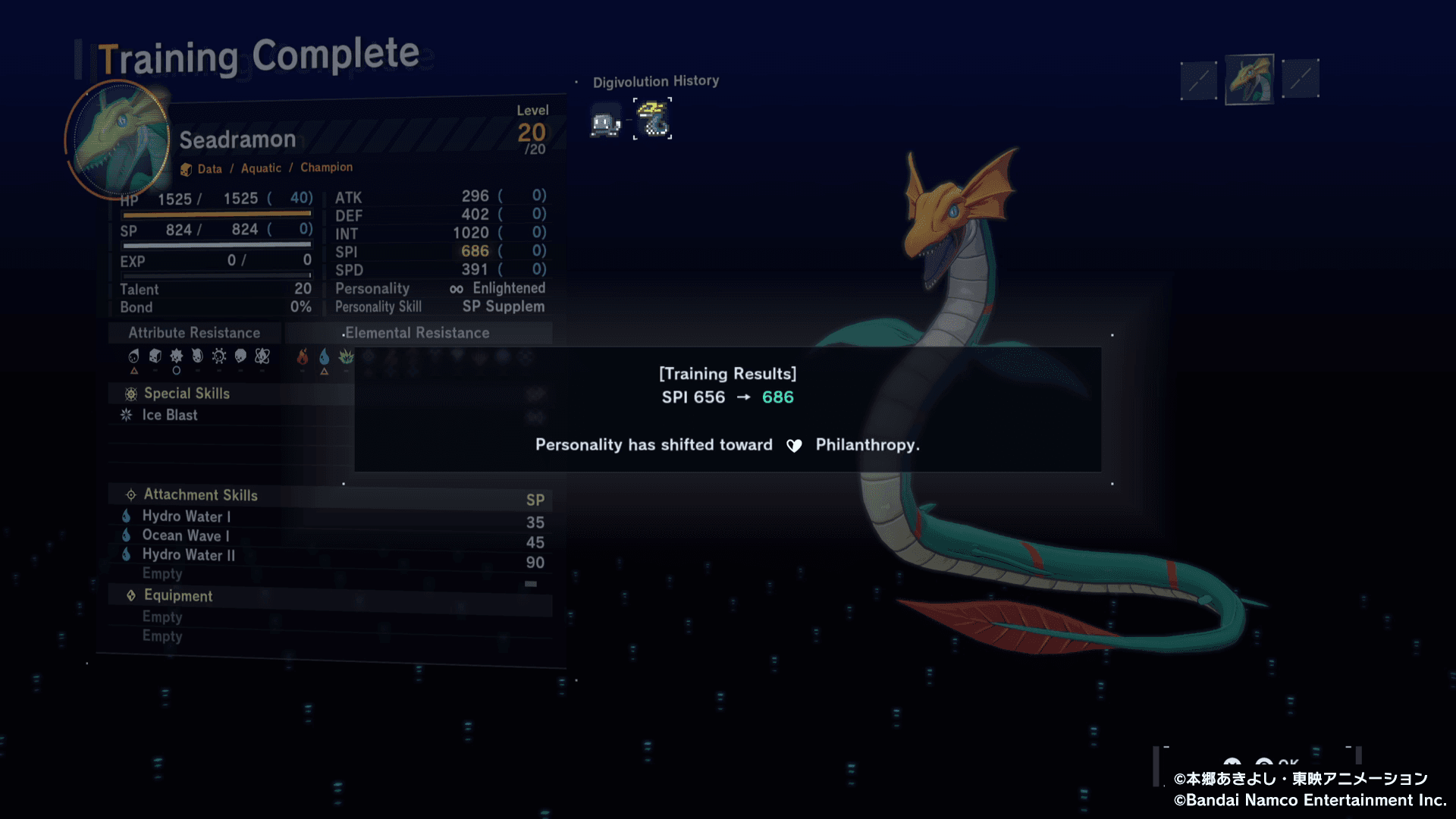
Despite the fact it's an excellent RPG, there are some specific gripes to be had with the systems in Digimon Story Time Stranger. For one, it's grindy. Every Digivolution resets you back to level 1, which means Aegiomon's whole quest is now on hold as you run dungeons to bring your team back up to snuff. It's objectionable but I highly recommend actually splurging for the grinding DLCs- the Hall of EXP is single-handedly worth the extra cost alone, since it allows you to just stockpile level up items.
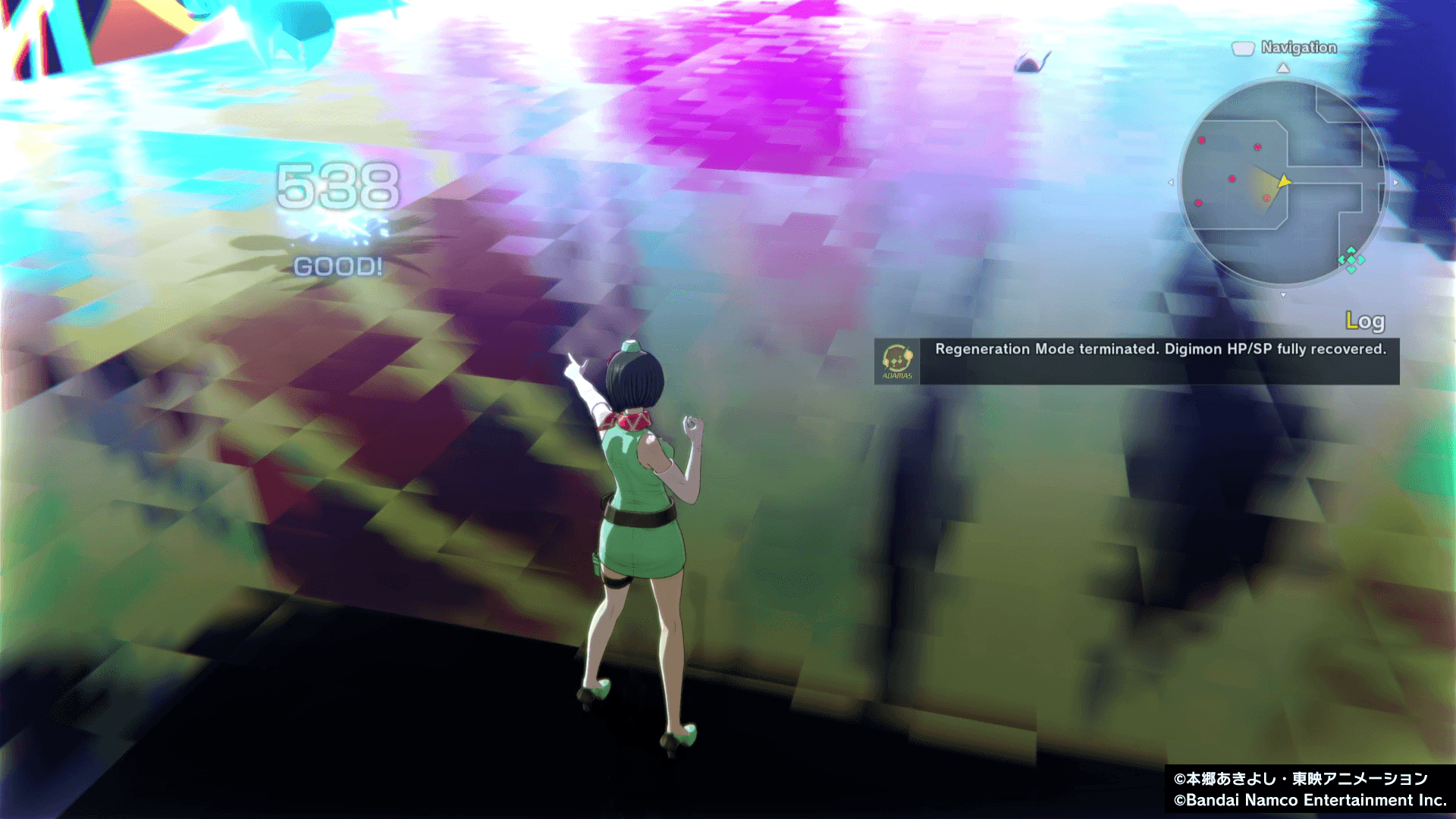
If you're a DLC-totaler, you may find yourself less interested in exploring the branches- evolutions are based on stats which require real world time in the farm, which are then followed by hours of grinding your Digimon back to the level of the zone you're trying to clear. It's not nearly as bad as Digimon World 2, but unfortunately this tedium is also part of the Digimon experience. Seriously, if you just wanna see your favorite Digimon, get the grinding caves- the Money EXP cave means that you can basically keep fast-completing the farm until you have the stats you want.
There's also questions about the roster. On one hand, it's downright impressive how much Digimon Story Time Stranger pays homage to all the quirks of the Digimon IP. DNA Digivolution as powerful special moves, armor evolutions, even Spirit Evolutions from Frontier. It's so cool that all of those are in the game.
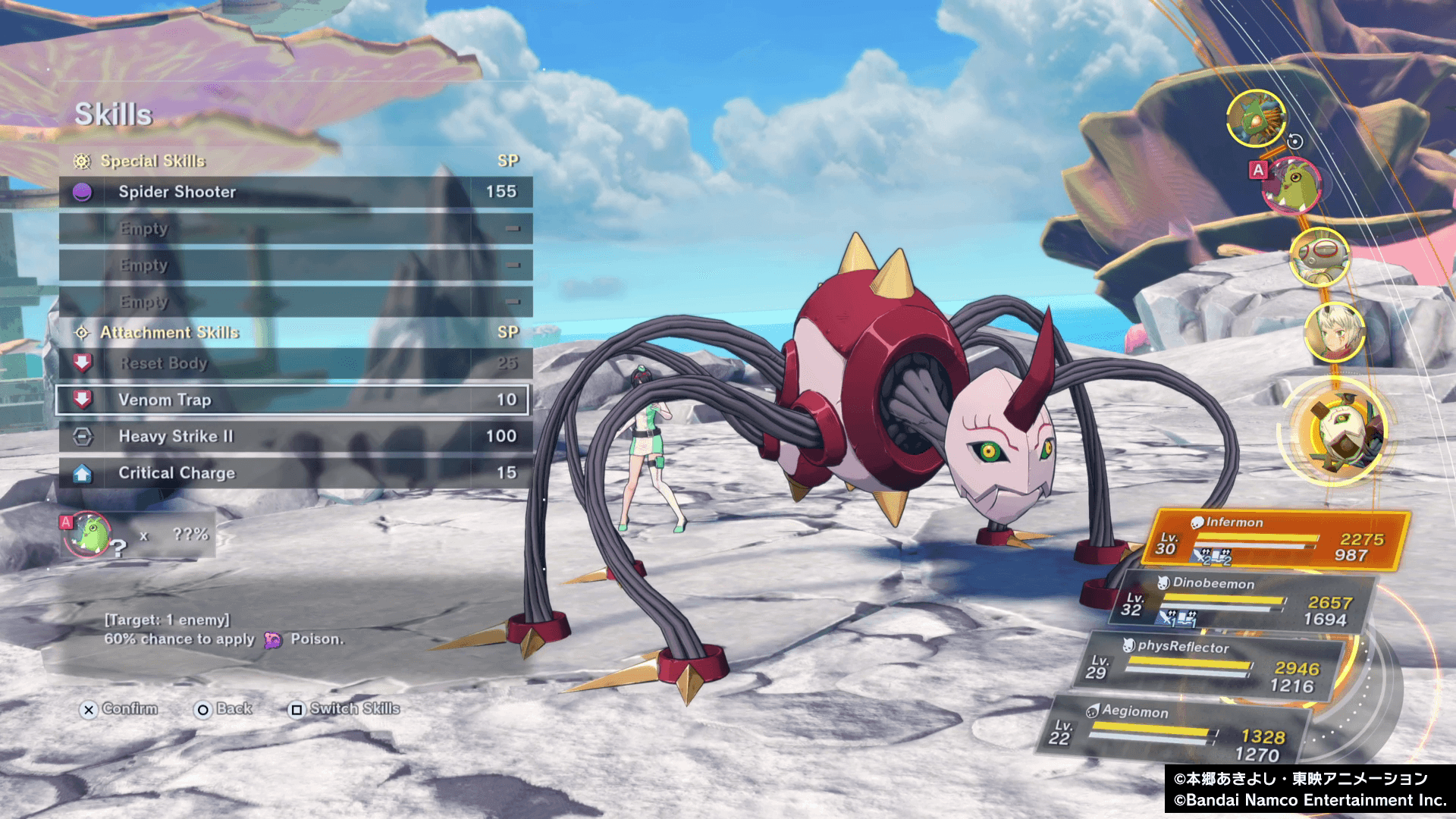
But at the same time, you also start to see where exactly they were unable to complete the fanservice. Despite being the latest anime, there's no rep from Digimon Ghost Game, for example. By the time you hit Mega stage, if you're not looking for a team of sexy women or dragon men, your options suddenly feel barren.
It's one of those things that's really more of a result of how good the fanservice we got is- I wouldn't care about a lack of cool Bug Megas if it wasn't for the fact that I know the other Digimon types are so well fed. We've advanced enough as a civilization that GranKuwagamon and HerculesKabuterimon aren't the only bug Megas, but apparently no one told the Time Stranger team.
Digimon Story Time Stranger Verdict
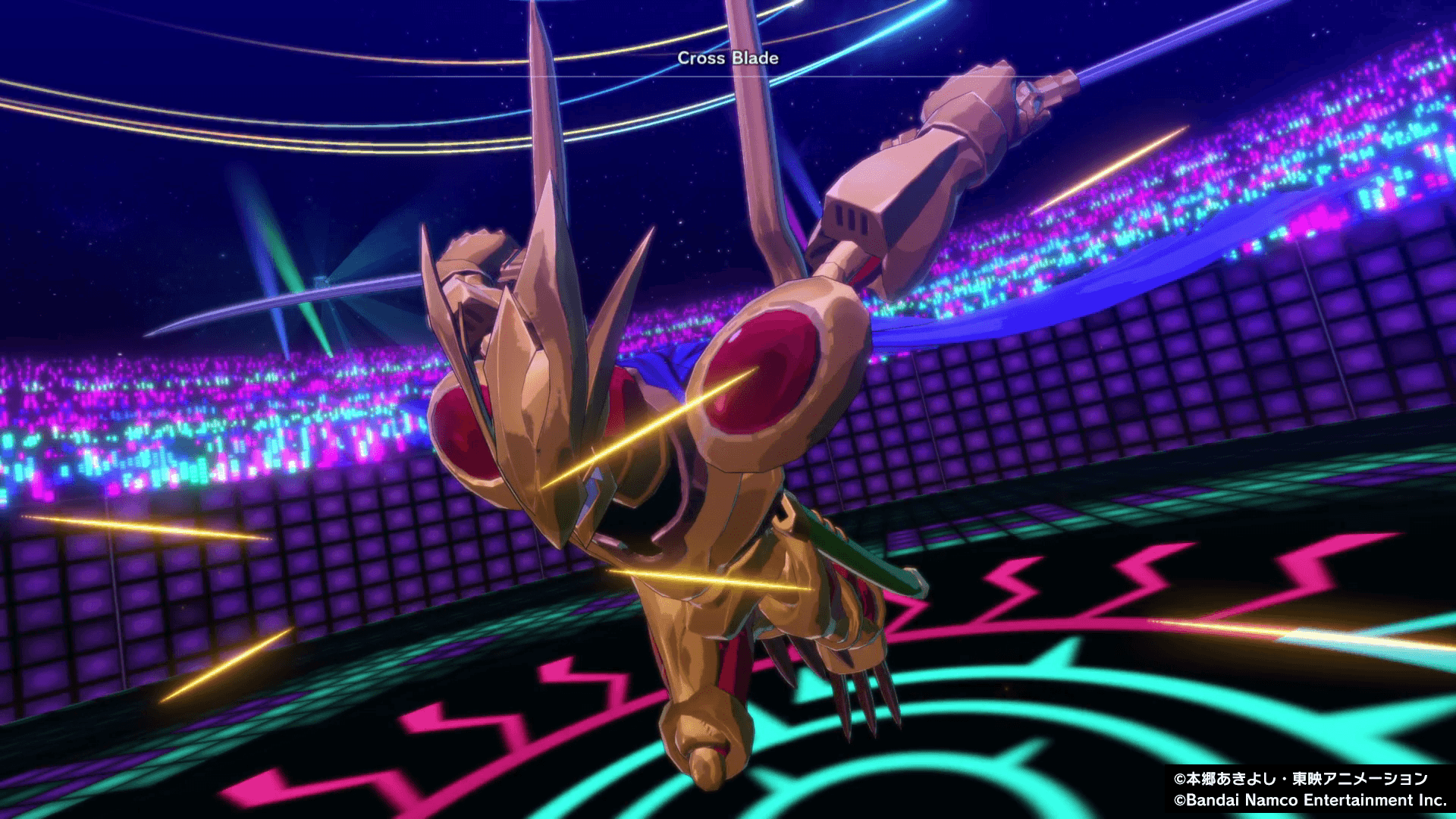
If you're a Digimon fan, this is an amazing Digimon experience. From the lovingly crafted unique animations for Digimon attacks to the cavalcade of systems, it's easy to lose yourself in a maze of building your favorite Digimon and forgetting you're on a quest to stop the Shinjuku Inferno from happening.
It has friction, yes, but I feel like it's nothing you wouldn't expect out of a Digimon game. On one hand, it's grindy, on the other, so is every other Digimon game. Sometimes you gotta throw your hands up and accept that at least this time, your Stingmon won't die of old age.
Game reviewed on PS5. Review code provided by Bandai Namco Entertainment
Review Score
Pros
- An overall improvement to every Digimon RPG that came before it
- Visually gorgeous given the roster size
- Deeper-than-you'd-expect systems
Cons
- The story can be a bit hit-or-miss
- This game grinds like it's at the club just after a breakup