 Slimepress
Don't Just Look At Wishlists And Numbers, Says Indie Game Marketing Experts
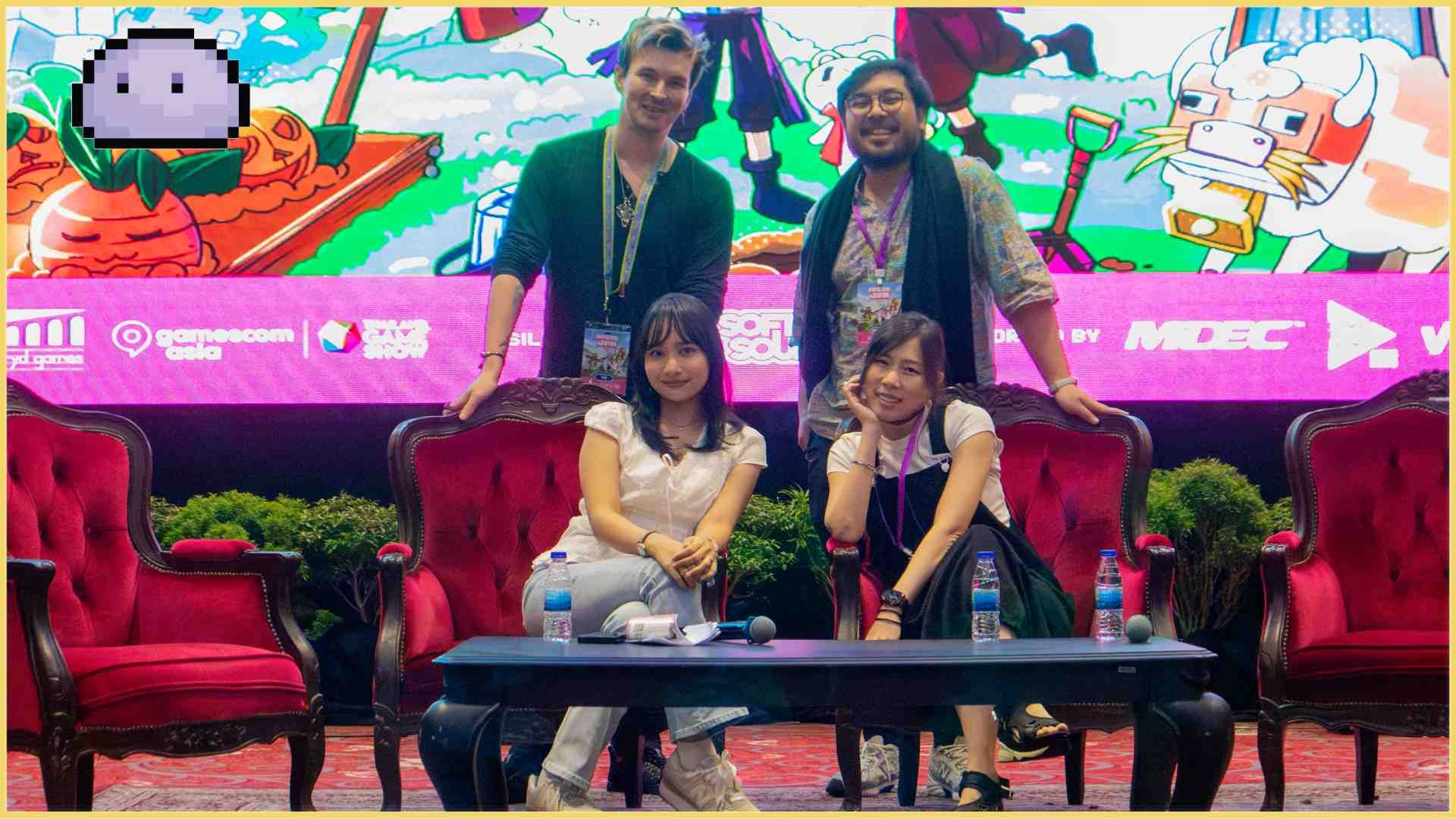
How do you assess your marketing strategy for indie games? A 4-man panel of indie game gurus weigh in.
With big changes to social media algorithms, the canon of games marketing needs to be marketed especially for indie games.
In a panel at Indie Jam 2026 featuring Vlad Tsopljak, co founder of Goldpact Goblins, Neon Noroshi and Goldpact Goblin's Samantha Low as well as Lala from Toge Productions, the trio highlighted how a more qualitative approach to user feedback was in order.
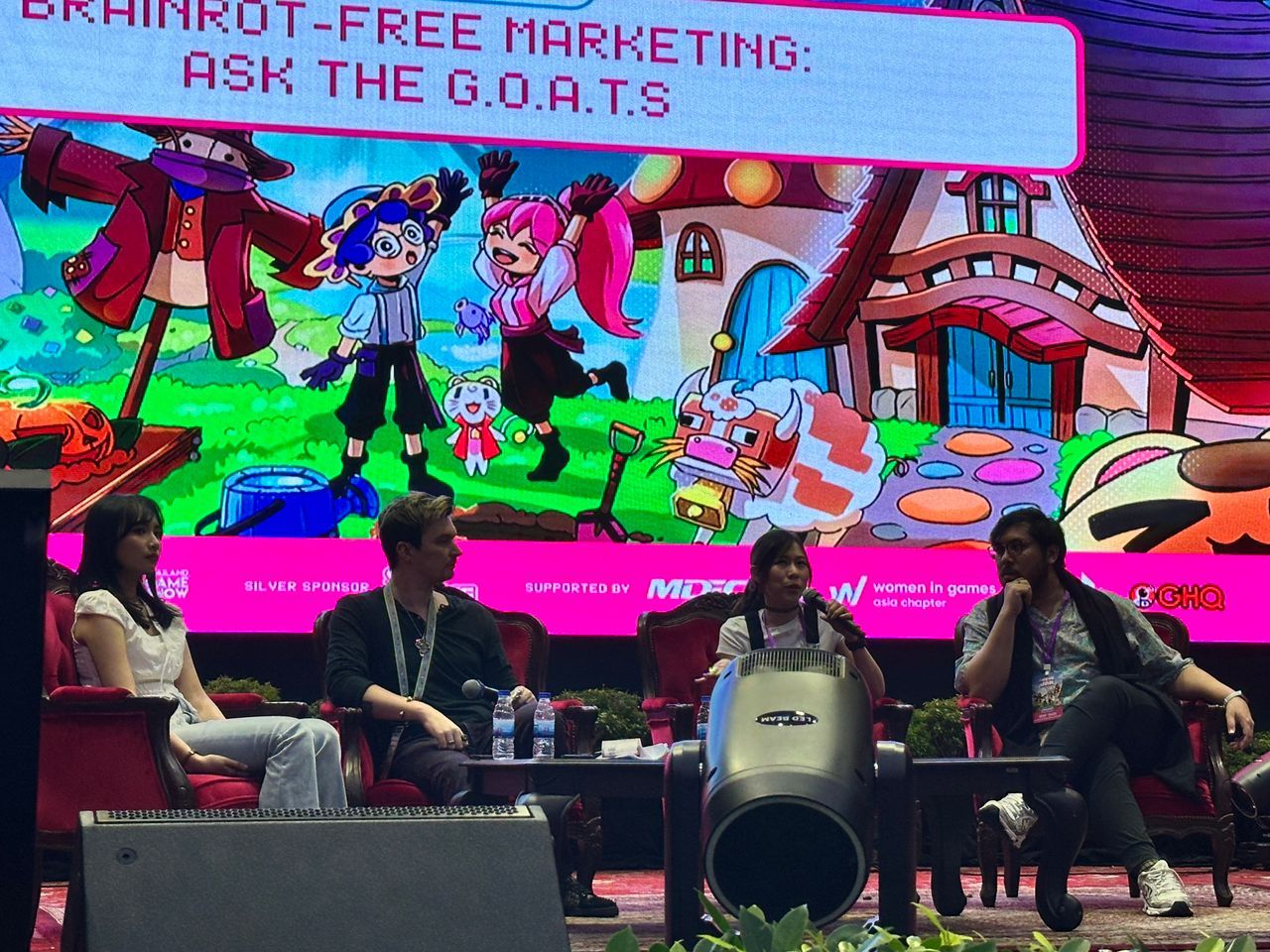
"Case studies from 10 years ago are no longer relevant", Vlad says, owing it to how both platforms like Steam as well as the internet at large had been changed.
Instead of only chasing wishlist numbers, the panel urged looking into these areas like Sentiment, as well as Retention to have a clearer picture of what users like vs what they dislike.
Following User Sentiment
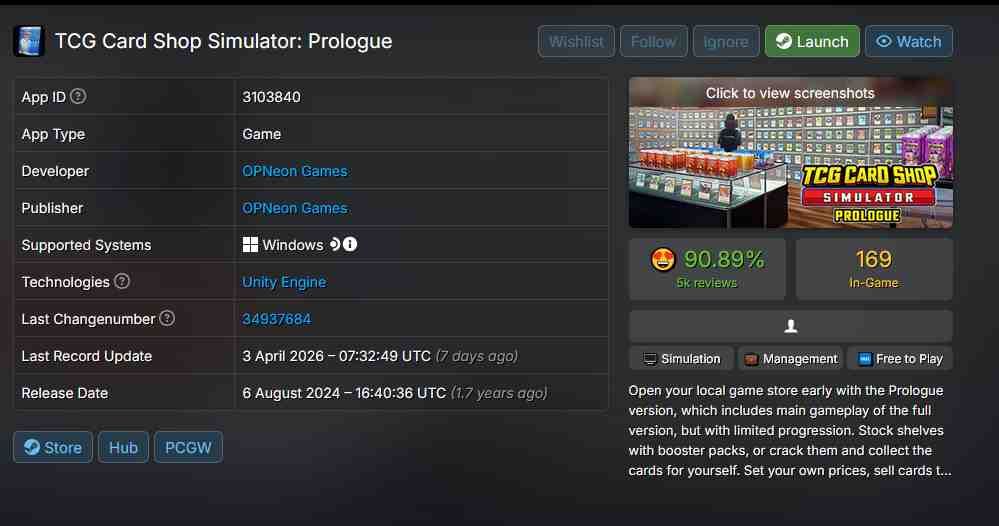
One feature Vlad in particular urged to look at was Demo pages. In recent years, Steam has allowed game demos to have their own Steam pages- complete with trackable metrics like installs and average playtime. Combined with tools like a bot that could grab Steam reviews for sentiment analysis and another for tracking opportunities to market the game, these were necessary parts of a marketers toolbox.
Another metric highlighted was user sentiment. Rather than assuming anyone who likes a game will automatically wishlist or pre-order it, Samantha highlights that listening to what people are saying often paints a more granular picture of what they want and what they like.
"[When you only look at numbers], sentiment is not being taken into account", she says.
Instead, diving through reviews, comments and even coverage was a good way to get a feel of a game's strengths and weaknesses- and develop a more effective plan going forward.
"Coverage adds value to how your game is perceived", she says.
Creating News And Excitement For Your Game
One of the ways to build on sentiment and generate marketing beats also involved localization- since many indie games simply don't have the resources to come out the gate with multi-language support, she stressed that even adding a new language like Simplified or Traditional Chinese or Bahasa Indonesia could be its own marketing beat.
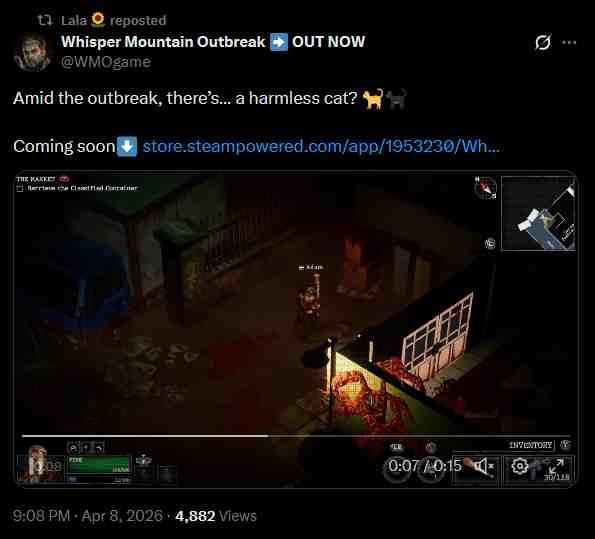
On the more pragmatic side, Lala also shared a secret to preparing content. She inadvertently answered the question of "How do game devs constantly have the right response for every post?".
The answer? Just have a lot of content in storage ready to go.
"Sometimes I spend a whole day just capturing screenshots or clips", she says. "I make a content bank, and then I post every one or two days".
While being a meme wouldn't necessarily convert to becoming the highest selling game that year, she said that contributing to trends as well as working with smaller creators was a good way to build a strong foundation for a game's marketing.