 Slimepress
DRAGON QUEST VII Reimagined Review — A Reimagined, Monumental Fragment-Hunting Quest, Now Streamlined Yet Still Deeply Moving
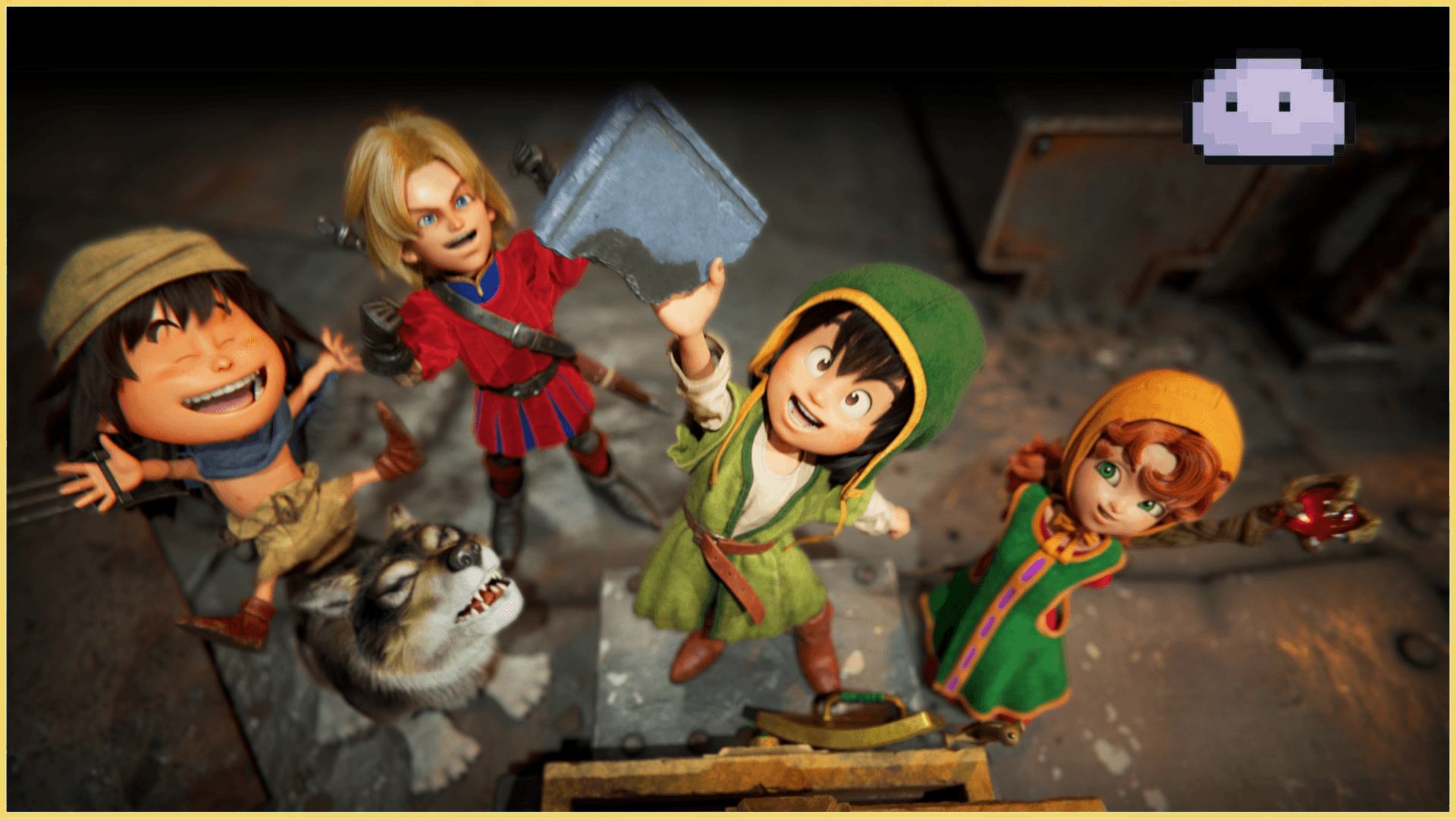
Among the many classic Japanese role-playing games (JRPGs), Dragon Quest VII (DQ7) remains one of the most divisive, yet unforgettable entries in the genre. When the original launched on PlayStation in 2000, its massive scope and episodic storytelling broke from convention, earning both passionate admiration and sharp criticism. Some regard it as the series’ most mature narrative and richest world, while others were put off by its slow pacing and occasionally cumbersome design. More than two decades later, the adventure returns as Dragon Quest VII Reimagined, bringing not only a visual overhaul but also a comprehensive reworking of pacing, systems, and storytelling.
After spending roughly 80 hours with the remake, this review shares hands-on impressions across story progression, job development, combat mechanics, and audiovisual presentation, examining how this classic balances preserving its soul while adapting to modern expectations. This is a genuine reimagining, has the original’s slow-burn narrative been refined? Can traditional turn-based combat feel fresh again? And do those once beloved, or frustrating design choices still fit the pace of today’s players?
As someone who deeply experienced the original and now revisits it through this remake, the journey evokes more than nostalgia, it also brings surprise and rediscovery. DQ7 Reimagined faithfully preserves the warmth and melancholy of the original while boldly updating its structure and gameplay systems, transforming it from just another remake into what feels like a potential new starting point for the series. That said, even with improvements, it remains a lengthy, deliberately paced RPG that may not appeal to everyone.
Whether you once walked away from Dragon Quest VII with unfinished feelings, or have never embarked on this long journey before, this review aims to highlight how the remake differs from the original, helping you decide whether Reimagined is worth returning to, or stepping onto that solitary island for the first time to begin the quest to restore the world.
Title: DRAGON QUEST VII Reimagined
Developer: Square Enix
Publisher: Square Enix
Platform: PlayStation 5, Xbox Series X|S, Nintendo Switch / Swich 2, PC
Release Date: February 2, 2026
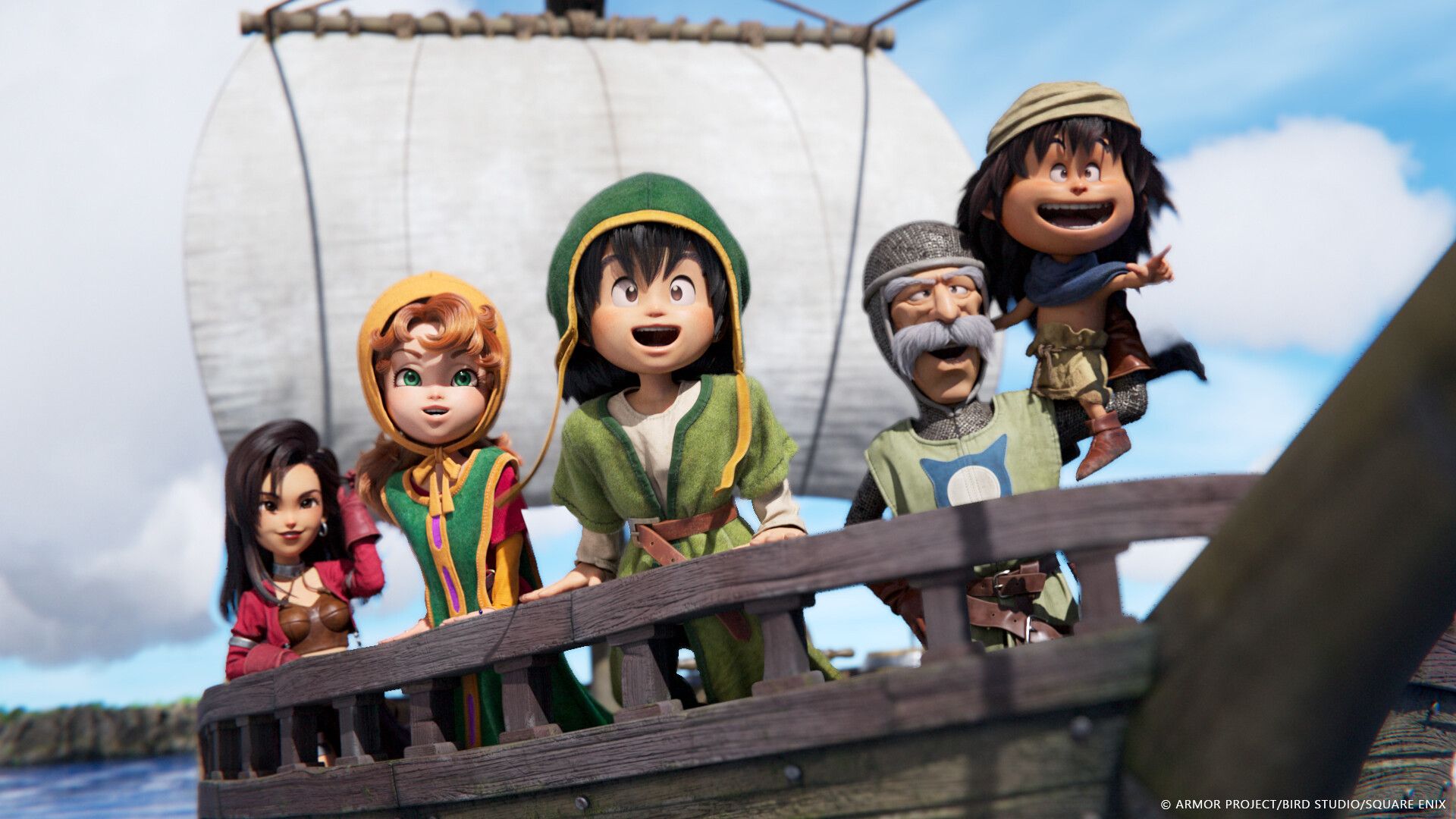
DQ7 Reimagined's Story Background and Narrative Structure
The original Dragon Quest VII (2000) centered its story around a unique archipelago-based adventure. Players take on the role of a young boy from an isolated island village who, by collecting mysterious stone fragments, travels between past and present to restore lost continents. Each fragment leads the party to a different island in the past, where they experience self-contained story arcs, such as breaking the curse or saving communities from monster invasions, before returning to the present to witness those lands restored to the world map.
This episodic, almost anthology-style structure was bold at the time. Each island introduced its own characters and conflicts while gradually tying back into the larger narrative centered on the schemes of an ancient evil god. Beneath the series’ traditionally light, fairy-tale aesthetic, the story often tackled surprisingly dark and emotional themes. Many episodes end not with simple happy resolutions, but with bittersweet outcomes and lingering reflection, earning DQ7 a reputation as one of the most mature and emotionally complex entries in the series. By the finale, the individual island stories converge into a grand conclusion, delivering an emotionally powerful ending, but reaching it often requires well over a hundred hours of gameplay.
However, the original release also drew criticism for its pacing. The opening hours are filled with village routines and puzzle-focused exploration, and new players often spend nearly two hours before encountering their first battle. Many players felt the early progression dragged, weighed down by repetitive dialogue and exploration, leading some to describe the opening as overly padded and slow-moving. The island-based structure could also feel repetitive, as players continually discover new islands, resolve local crises, return to the present to expand the world, then repeat the cycle. Some side stories, only loosely connected to the main plot, were seen as unnecessary detours.
That said, the slow-burn structure also has its strengths. Personally, I feel this extended buildup is what allows players to truly immerse themselves in the vast world and emotional landscape of DQ7. The original game featured no voice acting, relying entirely on text, yet the strong writing combined with the series’ evocative music, left a lasting impression on players. Much of that emotional impact has been successfully preserved in DQ7 Reimagined, allowing both returning fans and newcomers to experience the story’s enduring charm once again.
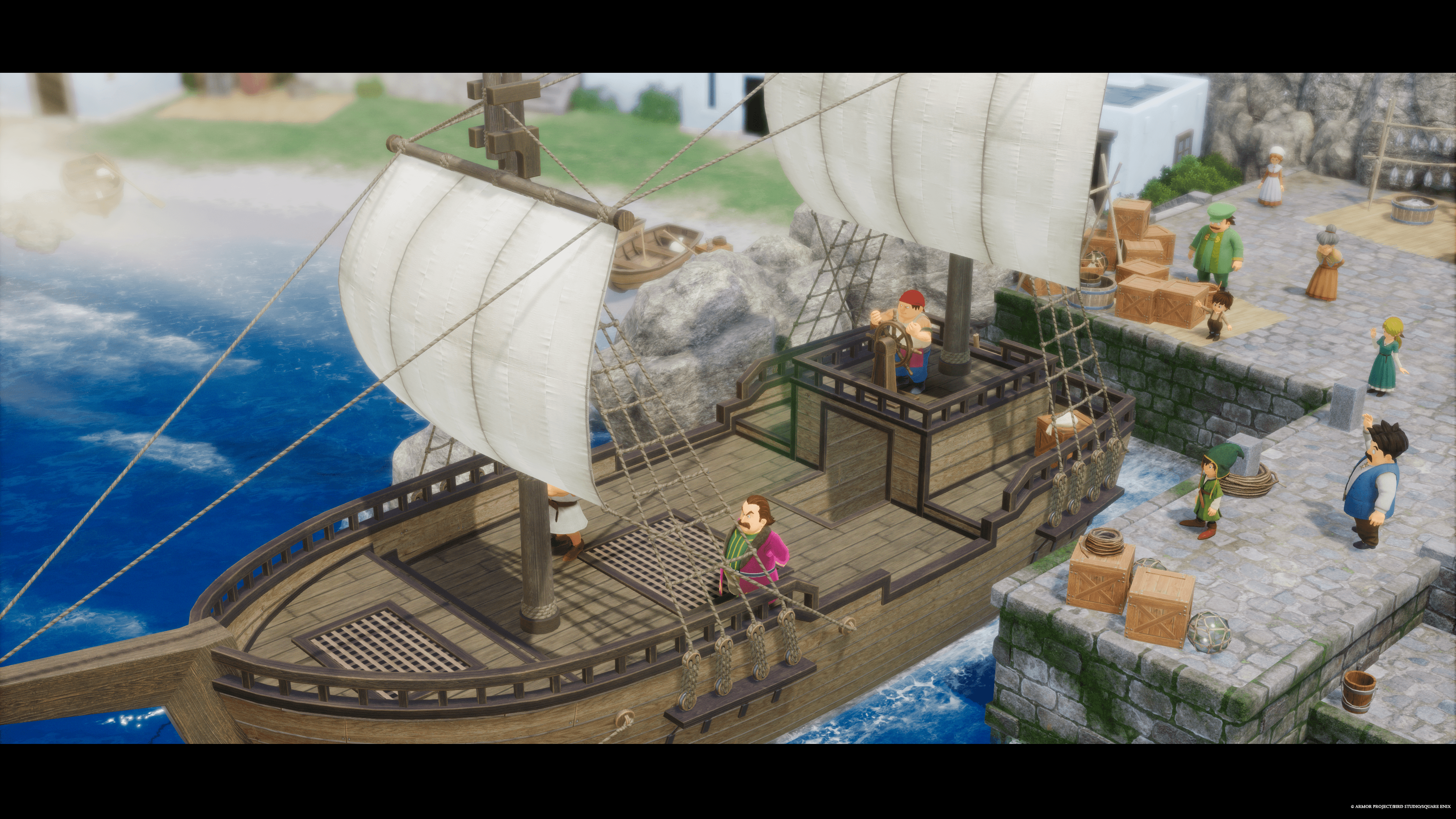
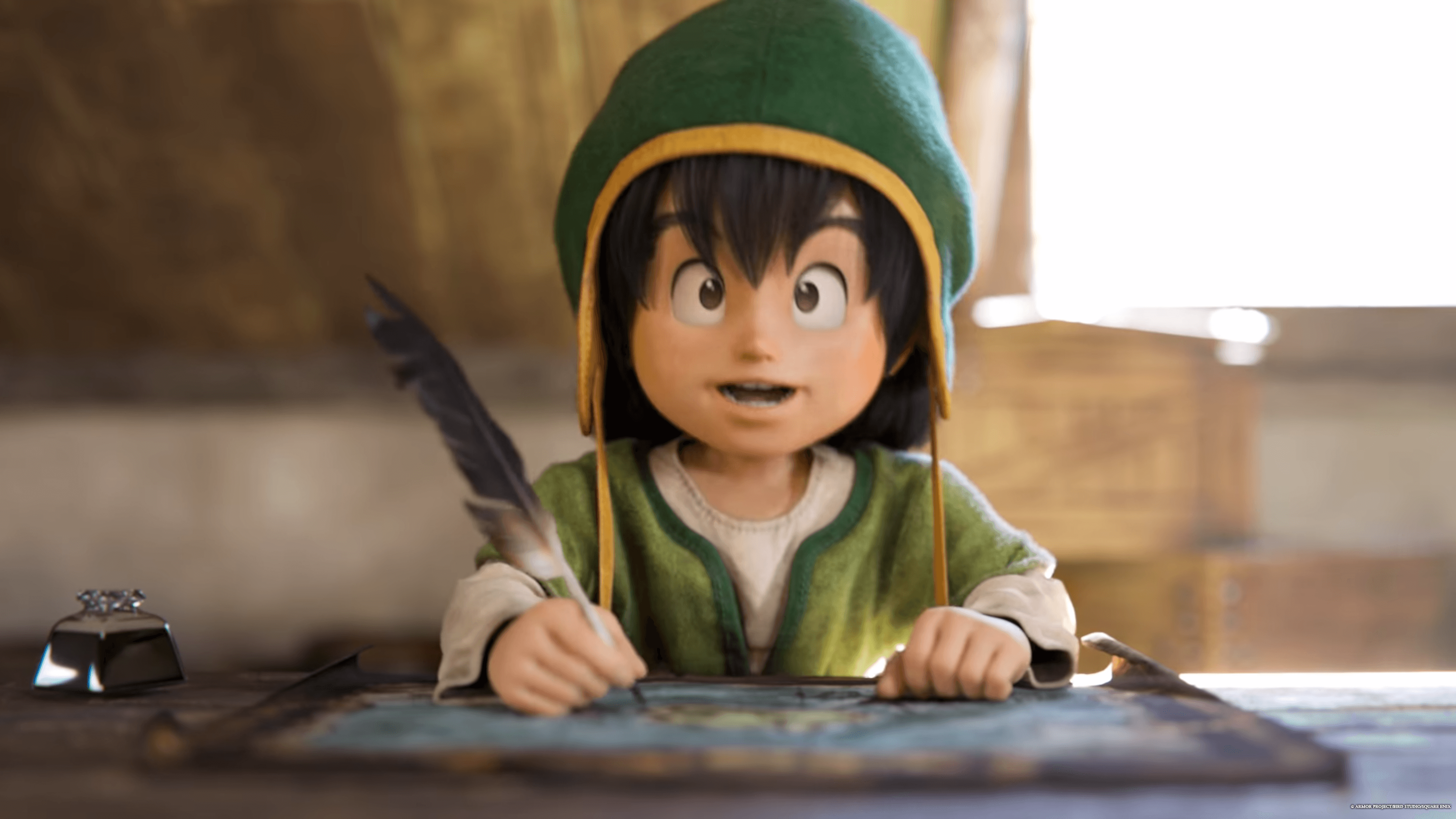
Now in DQ7 Reimagined, the core narrative framework and spirit of the original remain intact, but the story has been boldly refined and streamlined to better suit modern players. The development team has made it clear that the goal was to offer a more focused way to experience the original’s massive storyline. Most notably, the notoriously slow opening has been completely reworked, allowing players to reach their first battle much faster, making the entire prologue feel far more fluid and engaging.
In practice, the difference is striking. he opening feels unbelievably shorter compared to the original, what once felt like a snail-paced buildup now moves with welcome momentum. Beyond the introduction, the main storyline itself has also been trimmed and reorganized. Staying true to the original themes of resilience and the light of human nature, the writers retained the most impactful island stories while removing roughly three side arcs that had little connection to the main plot. Several island scenarios have also been turned into optional content, allowing players to decide whether to experience them at appropriate points in the journey, rather than being forced into pacing interruptions.
These changes make the main story tighter and more focused, yet the developers did not simply reduce content. Instead, they added entirely new story segments that further explore the relationships and backgrounds of key characters, making the narrative feel richer and more layered overall. Notably, since players now have greater freedom in choosing which islands to tackle next, rather than following the strictly linear progression of the original, the script has been partially restructured to ensure narrative continuity regardless of order. To accommodate these new design choices, the game even introduces previously unseen ending variations, offering returning players fresh surprises alongside the familiar adventure.
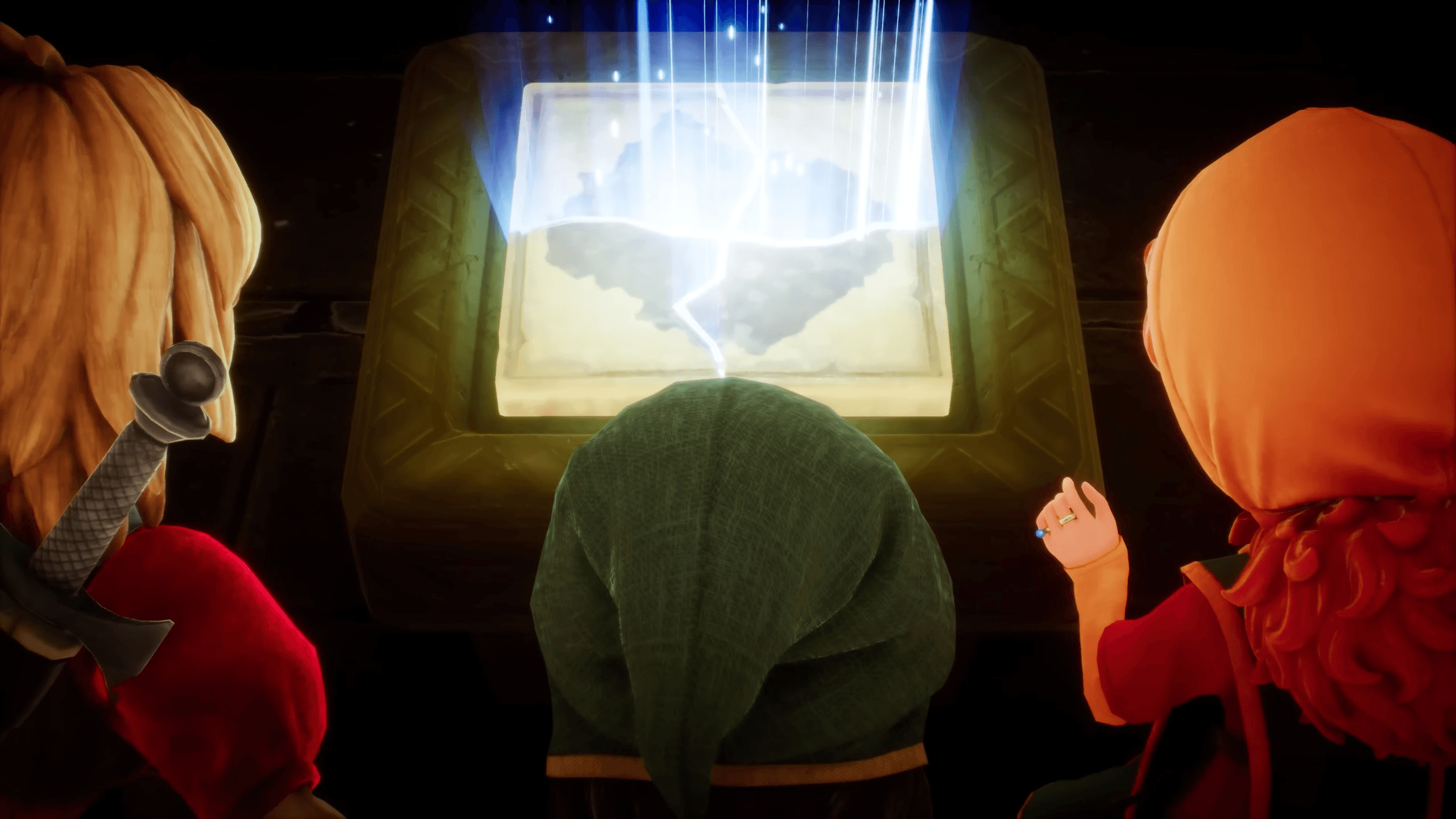
In terms of story presentation, one of this remake’s biggest upgrades is the addition of full voice acting. Neither the original release nor the 3DS version featured voiced dialogue, leaving character personality to be conveyed entirely through text. In DQ7 Reimagined, however, all major dialogue is fully voiced, including main party members such as Kiefer, Maribel, Ruff etc. This marks the first time the game features complete voice acting, and the script was adjusted accordingly to sound more natural, conversational, and reflective of each character’s personality and cultural background.
For example, inhabitants of different islands now speak with distinct accents and speech styles, while the English localization even gives a wealthy character occasional Italian phrases to enhance the sense of cultural flavor. The addition of voice acting greatly enhances emotional impact and dramatic tension, allowing longtime fans who once had to imagine the voices of DQ characters to finally hear their companions’ emotions brought to life. Combined with the remake’s updated visual presentation, storytelling scenes now carry far greater dramatic weight. A notable example is the classic moment when the knight Melvin awakens from stone; whether delivered with a samurai-like tone in Japanese or a knightly cadence in English, the performance adds vivid personality to the character.
Of course, even with these improvements, DQ7 still retains much of its traditional JRPG pacing, which may feel somewhat old-fashioned to some modern players. The adventure remains massive in scale, and occasional repetition or prolonged progression still appears in parts. Nevertheless, compared to the original, the overall pacing has been noticeably improved.
In the end, the remake successfully strikes a balance between faster pacing and preserving narrative depth. The main story feels tighter, side content more meaningful, and the addition of voice acting and modern presentation further strengthens emotional delivery. As many preview impressions have noted, the remake “keeps the soul of the original while trimming unnecessary excess,” allowing players to immerse themselves in the adventure more quickly without losing the emotional resonance that made the original so memorable.
DQ7 Reimagined's JRPG Exploration Flow
The original Dragon Quest VII was infamous for its enormous, often exhausting progression structure. Advancement largely revolved around collecting stone fragments to unlock new regions, and with limited guidance available, players frequently had to scour every corner of towns or speak to nearly every NPC to locate key pieces. While this design encouraged exploration at the time, it was also widely criticized for being tedious and time-consuming.
The issue became more apparent when the story required repeated travel between past and present versions of the same location, such as the well-known Aishe storyline, leading to frequent backtracking across familiar maps. Beyond the main story, additional systems like the Immigrant Town, Monster Parks, and casino minigames provided entertaining diversions, but also further extended playtime. A standard playthrough often exceeded 100 hours, and completionists could easily approach 200. While undeniably content-rich, the sheer scale also meant repetitive objectives and occasional confusion when players lacked clear direction, giving the experience a distinctly old-school feel.
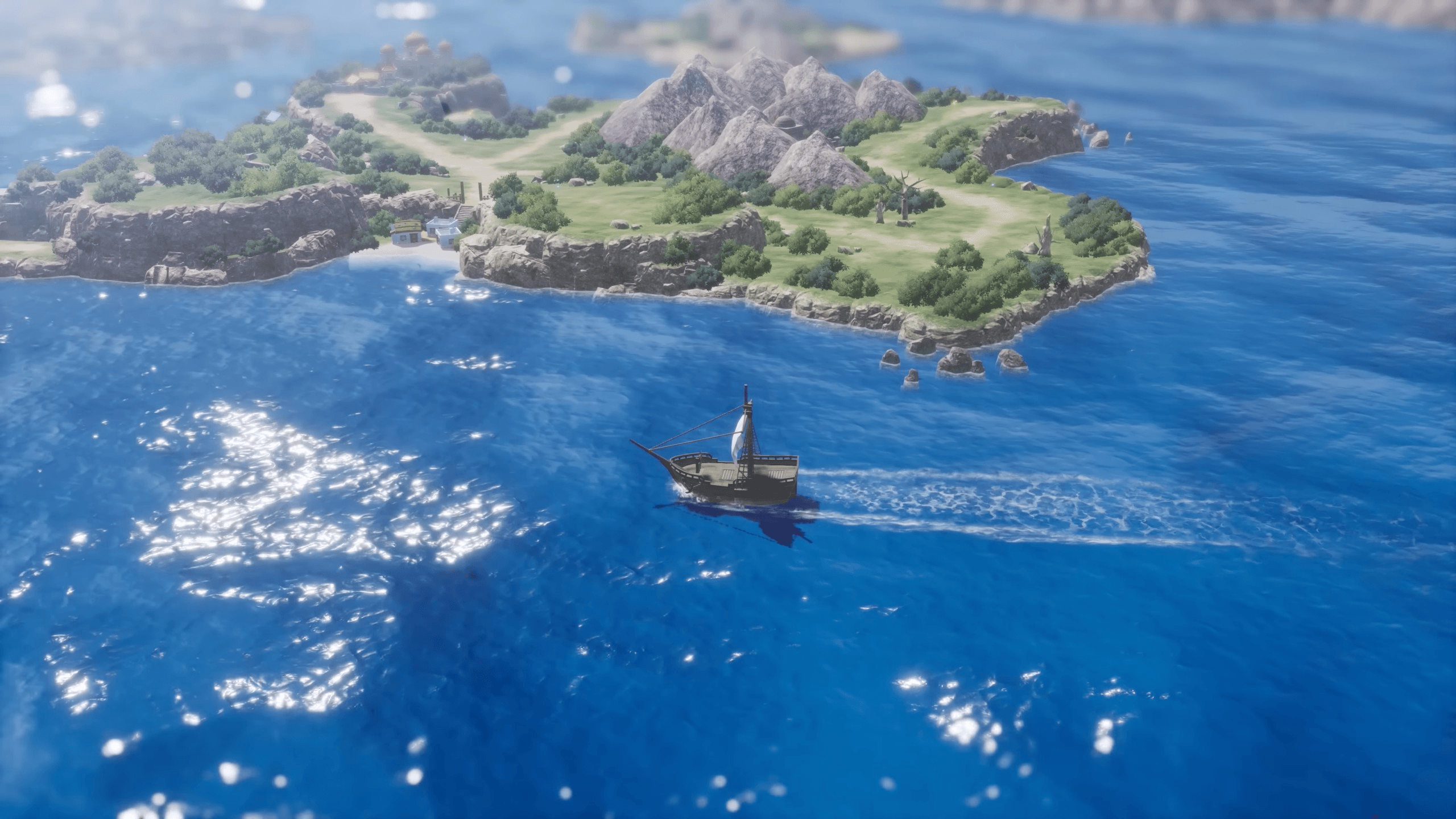
DQ7 Reimagined significantly streamlines this structure, aiming to reduce unnecessary friction while preserving the sense of adventure. The fragment collection system, in particular, has been modernized with several convenience features. Players can now consult a shard list at the shrine to track obtained and missing fragments, while maps provide hints indicating where undiscovered pieces may be found, greatly reducing blind searching.
Additionally, unlocking new islands no longer strictly follows a fixed order, allowing players more freedom in choosing where to venture next. Some islands with minimal relevance to the main story have also been turned into optional content, letting players engage with them at their own pace without disrupting narrative momentum. Overall, exploration in the remake feels both more guided and more flexible: the game clearly communicates available destinations while still allowing players to decide their own path, avoiding the fatigue of rigid linear progression.
Many formerly repetitive sequences such as forced backtracking across eras, have also been trimmed or reworked. In practice, the adventure flows far more smoothly, and exploration feels lighter and more enjoyable. Veteran players will likely appreciate that the frustration of spending hours searching for a single missing fragment is now largely gone, while newcomers benefit from a more welcoming experience that still preserves the joy of discovery.
To further improve overall convenience, the remake also introduces numerous interface and system refinements. Menus are now cleaner, faster, and far more responsive, making navigation noticeably smoother. It’s hard not to appreciate just how far modern quality-of-life features have come, so much so that it feels difficult to return to the original version after experiencing these upgrades. Of course, some nostalgic players may still prefer the old-school approach, where exploration relied entirely on personal discovery with minimal guidance. However, most players will likely welcome these improvements, as they streamline tedious elements without diminishing the satisfaction of uncovering things on your own.
In its current form, DQ7 Reimagined strikes a satisfying balance between accessibility and depth. Story progression feels more fluid, character growth remains as engaging as ever, and thoughtful design changes ensure players spend more time enjoying the game’s best elements rather than struggling with outdated inconveniences. In that sense, the remake successfully preserves the original’s vast scope and freedom of progression while modernizing its pacing, delivering an adventure that feels welcoming to newcomers and refreshing for returning fans alike.
DQ7 Reimagined's Job Progression and Combat
The original DQ7’s job system remains one of its most celebrated, and sometimes divisive features. Building upon the series’ long-standing class-changing tradition, DQ7 arguably pushed the concept to its peak, offering dozens of available professions. Playable characters could take on familiar roles such as Warrior, Mage, Dancer, Pirate, or Paladin, alongside unique monster classes unlocked by collecting special monster hearts. As characters fought battles, they gained job proficiency, gradually learning powerful skills and spells. Mastering certain base classes also unlocked advanced hybrid professions, greatly expanding character development paths.
This freedom allowed players to experiment with creative class combinations. For example, mastering Dancer before switching to Warrior granted access to powerful abilities like Sword Dance, such flexibility is why many longtime fans consider DQ7’s job system the series’ most robust. However, it also came with notable drawbacks. In the original release, players could not change jobs until reaching Dharma Temple, roughly a quarter into the story, meaning the first 20–30 hours (depending on play style) offered limited combat variety as characters remained locked into their starting roles.
Once job changes finally became available, players were suddenly flooded with options, making progression choices overwhelming. Balance issues also surfaced: switching to a new job required rebuilding proficiency from scratch, and stat adjustments tied to each class sometimes caused characters to temporarily become weaker when advancing to higher-tier jobs. Additionally, proficiency growth depended on the number of battles fought, and with the game’s relatively high encounter rate and slower combat pacing, combined with the original’s classic first-person battle view, maxing out classes often demanded lengthy grinding sessions. Many players joked that late-game progression involved endlessly farming encounters just to unlock skills, which could become repetitive.
In short, while the original job system offered tremendous depth, its structure created a high barrier of entry and made the early game less accessible for many players.
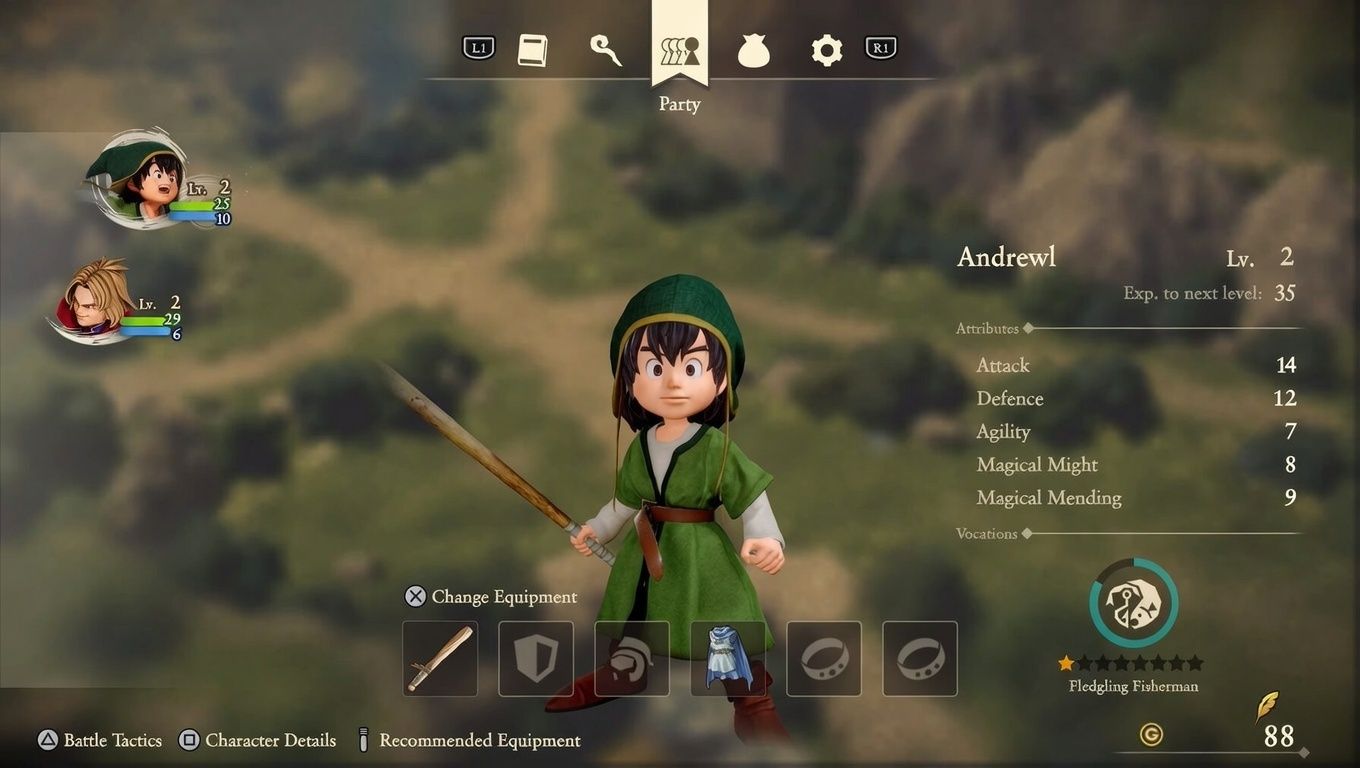
The remake completely reworks DQ7’s job system, effectively rebuilding it from the ground up. Most notably, job changes are unlocked much earlier, sparing players the dozens of hours once required before accessing this core mechanic.
The most significant addition is a new “Moonlighting” system, which allows each character to equip two jobs simultaneously. Characters can now train a secondary job without losing the skills, spells, or effectiveness of their primary one. This change directly addresses one of the original game’s biggest frustrations, stat drops and reset progression when switching jobs, and makes character growth far more flexible and rewarding.
For example, a Warrior who moonlights as a Mage can wield a sword while casting healing spells, dramatically expanding tactical options. The remake also streamlines the original monster job system: instead of repeatedly grinding monster hearts, monster abilities are now granted via equippable items. This lowers the barrier to special builds and prevents monster collection from overshadowing the main progression loop.
Beyond dual jobs, each profession now features a unique Job Trait, activated through a new “Awakening” (Limit Break–style) system. By building up an action gauge in combat, characters can trigger powerful, job-specific effects, such as party-wide attack buffs for martial classes or instant revival abilities for clerics. These traits add meaningful momentum shifts to battles and greatly enhance strategic decision-making, especially in clutch moments.
Overall, the remake retains the depth that made DQ7’s job system legendary while making it far more approachable. With dual-job flexibility, impactful job traits, and reduced grinding, character progression feels smoother, more expressive, and far more enjoyable allowing players to focus on experimentation and combat rather than repetition.
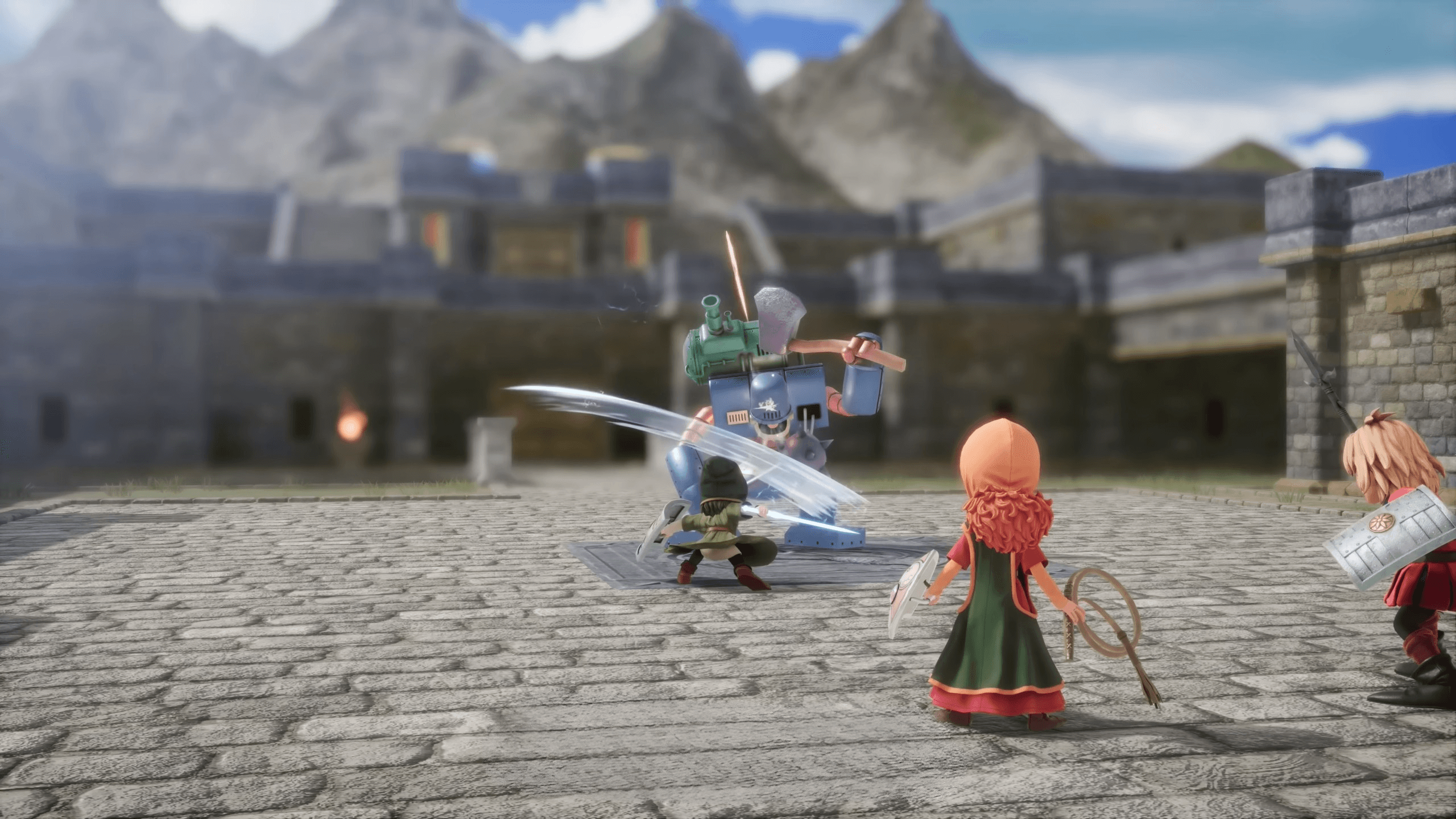
The traditional Dragon Quest turn-based combat returns in Dragon Quest VII Reimagined, but it has been thoroughly modernized. In the original PS1 release, battles were presented from a first-person perspective, meaning players never saw their own party members in action, relying instead on enemy animations to read the flow of combat. While Akira Toriyama’s monster designs were charming, most enemies appeared as static images with only minimal animation during attacks.
Combat pacing also felt slow, with every encounter pulling players into a separate battle screen. Spell and skill effects were simple, lacking visual flair, and combined with the relatively high random encounter rate, frequent minor battles could become tiresome and interrupt exploration. Still, thanks to the deep job system, battles retained strategic value, especially during boss fights, even if overall difficulty remained fairly forgiving.
Reimagined, however, delivers a dramatic overhaul while preserving classic turn-based foundations. At first glance, it may seem like characters have simply been added to the battlefield, but the improvements run far deeper. Most notably, enemies now appear directly on the field, replacing random encounters. Players can choose whether to engage or avoid combat, making exploration far smoother and less disruptive. As characters grow stronger, weaker monsters will even flee on sight, and if contact does occur, they can be instantly defeated through the previously mentioned Field Attack, granting rewards without entering battle.
Quality-of-life upgrades further streamline combat. Frequently used commands, such as party-wide healing or buffs can now be assigned to shortcuts for instant use. An Auto-Battle option also speeds through routine encounters by allowing AI to handle commands automatically.
Perhaps the biggest time-saver is the implementation of Field Attacks, which instantly defeat significantly weaker enemies on the overworld without entering combat. This means returning to earlier areas for exploration or treasure hunting no longer results in constant interruptions from trivial battles, letting players focus on discovery rather than repetitive combat.
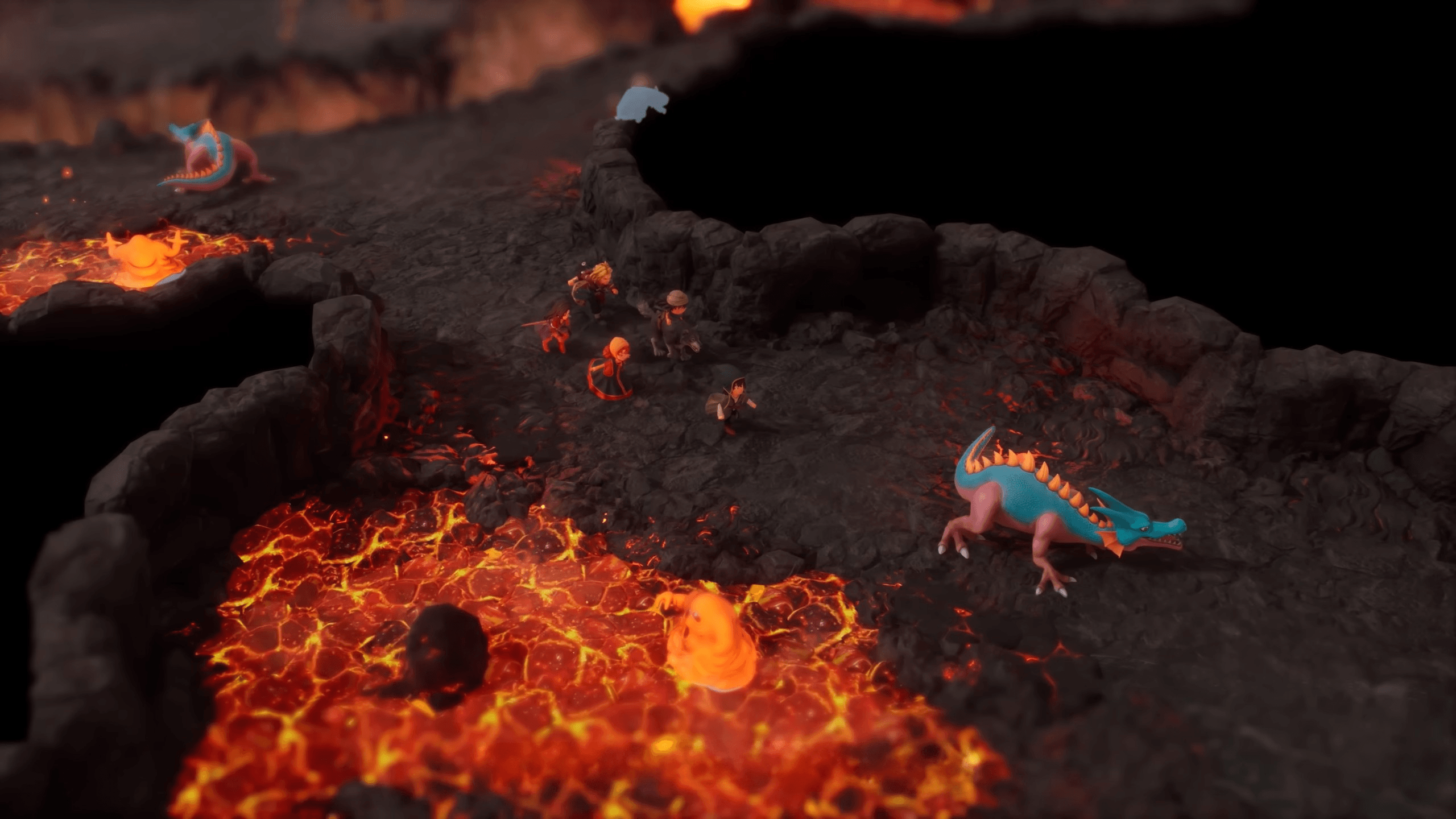
Party synergy has also been subtly enhanced. When characters use complementary abilities within the same turn, such as applying a defense debuff before following up with a high-damage spell, the game may trigger a hidden Chain Boost, increasing the effectiveness of the follow-up attack. While the system isn’t explicitly explained, extended play makes its impact clear: the better you understand skill timing and sequencing, the more efficient and satisfying combat becomes. It’s a clever design choice that quietly rewards mastery and keeps battles engaging.
Auto-battle has also evolved significantly. Instead of the old simple “aggressive” or “defensive” presets, players can now tailor AI behavior based on each character’s job and learned abilities, even specifying which skills should be used in certain situations. This makes grinding and routine encounters far less tedious while still preserving tactical flexibility. It’s genuinely one of the smartest auto-battle systems seen in a JRPG, saving time without sacrificing control and honestly, more games in the genre should adopt something similar.
These changes greatly reduce the frustration often associated with leveling and long travel segments. Visually, battles now unfold fully in 3D, finally allowing players to see their party members attack, defend, and cast spells on-screen. Characters and monsters appear as charming 3D models, leaning toward a stylized, tabletop miniature aesthetic rather than the more realistic presentation seen in titles like DQXI. Small details like Slimes squishing as they fall or characters displaying expressive animations during spells add a lively charm to every encounter.
Powered by modern hardware, spells and special abilities now deliver vibrant visual effects without slowing combat down, making battles feel far smoother and more exciting than in the original. Despite the faster pace, the remake preserves the series’ signature warmth and charm. Boss fights in particular benefit from the expanded systems: players can, for example, build up their potential gauge, unleash a Warrior’s high-risk power boost at a critical moment, then switch to a Sage to follow up with powerful magic, combining jobs and burst mechanics to turn the tide of battle in ways the original version never allowed.
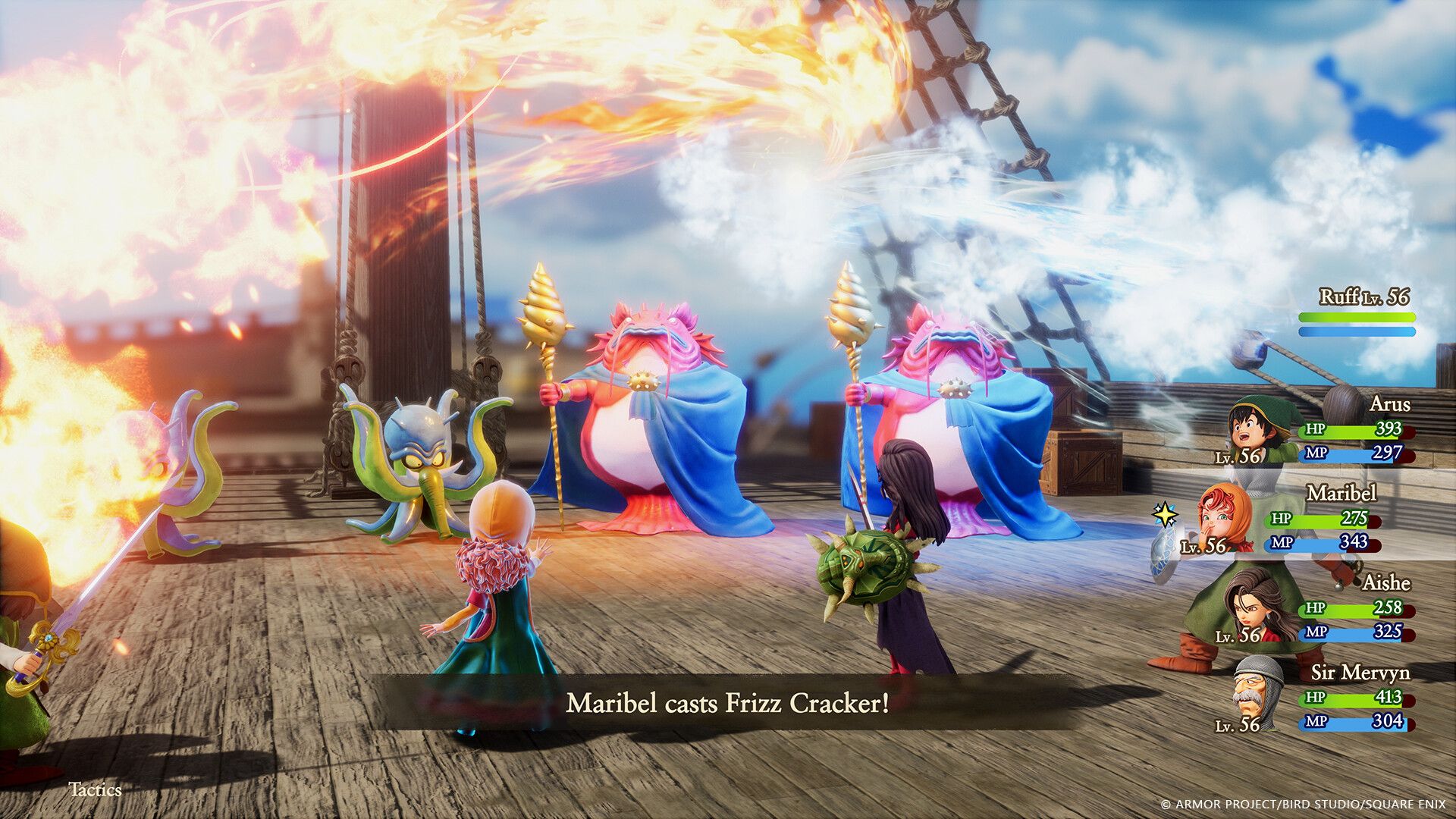
However, my biggest reservation with the revamped combat system is just how rarely I ever felt close to a party wipe throughout the entire adventure. Dragon Quest has always stood out to me as a series that offers a fair degree of challenge and demands strategic thinking, yet this time the journey often felt a little too comfortable. I did play on normal difficulty, but the experience lacked the familiar tension and sense of danger that I usually associate with the series.
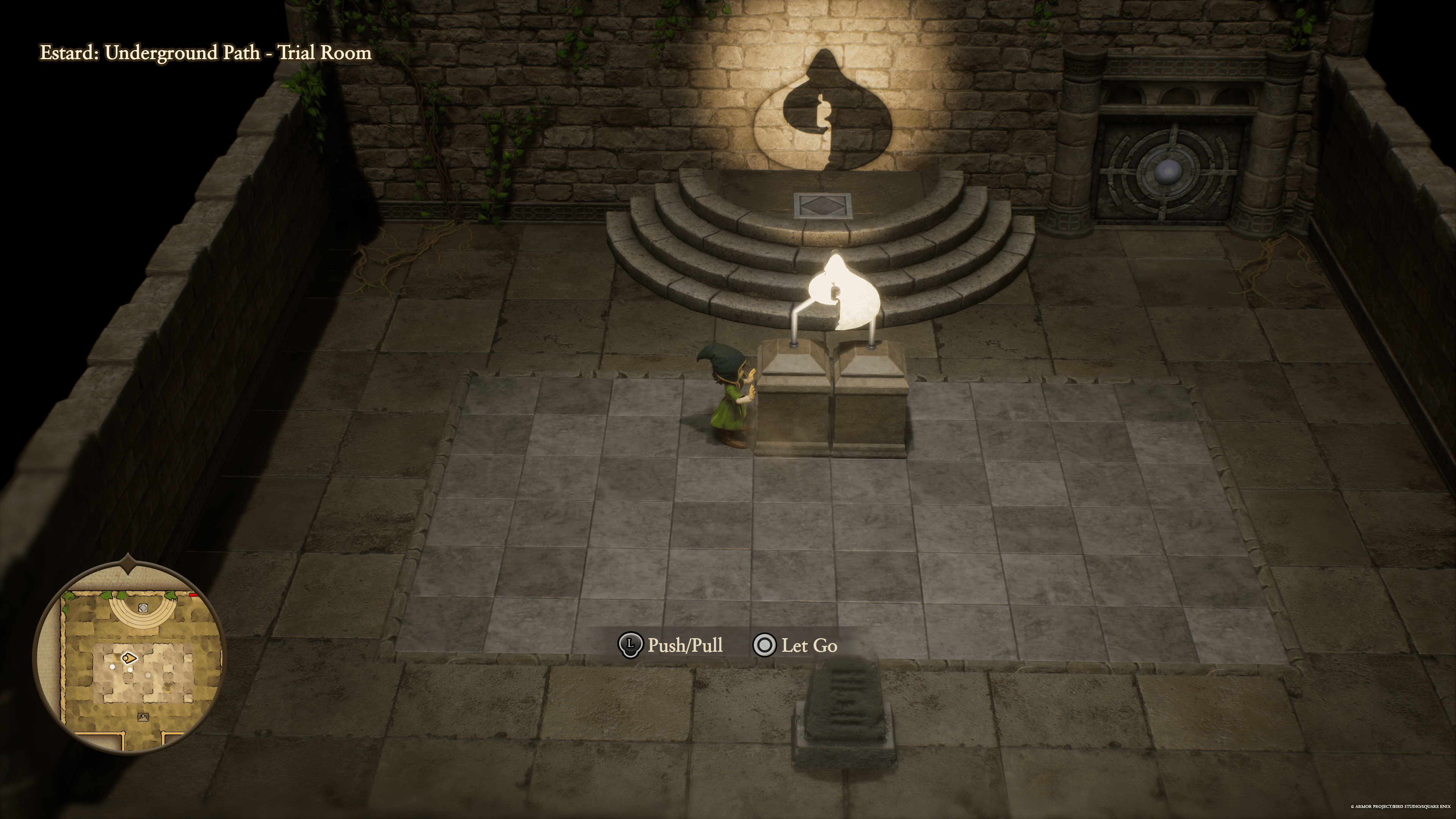
The game’s relatively few puzzle segments also failed to truly engage me. In many cases, before I even had time to think through a solution, overly helpful party members would jump in with hints, stripping away the satisfaction of solving puzzles on my own. By contrast, the original game featured several notoriously tricky puzzles frustrating at times, perhaps, but incredibly rewarding once you finally figured them out.
As a result, parts of the remake feel somewhat over-streamlined. While this certainly reduces frustration for modern players, it also diminishes some of the challenge and memorable moments that long-time fans might have cherished, making the experience feel slightly less impactful for returning players.
DQ7 Reimagined's Visual and Audio Presentation
One of the most striking changes in DQ7 Reimagined compared to the original lies in its visual presentation. The PS1 version used a classic JRPG mix of 2D pixel characters and simple 3D environments. Even then, Akira Toriyama’s iconic character and monster designs stood out, and the freely rotatable camera felt innovative at the time.
Rather than adopting Square Enix’s recent HD-2D nostalgia style, the remake takes a bold new direction with a diorama-inspired art style. Characters and environments resemble finely crafted miniature models, creating a warm, handcrafted atmosphere. This approach actually complements Toriyama’s traditionally cute, compact character proportions, making the updated look feel both faithful and refreshingly new.
Villages, castles, and dungeons resemble detailed tabletop models, filled with charming touches, from wooden textures and tiny window frames to handcrafted-looking forests and fields. Rotating and zooming the camera feels like peering into a living display case, blending fairy-tale warmth with modern visual clarity.
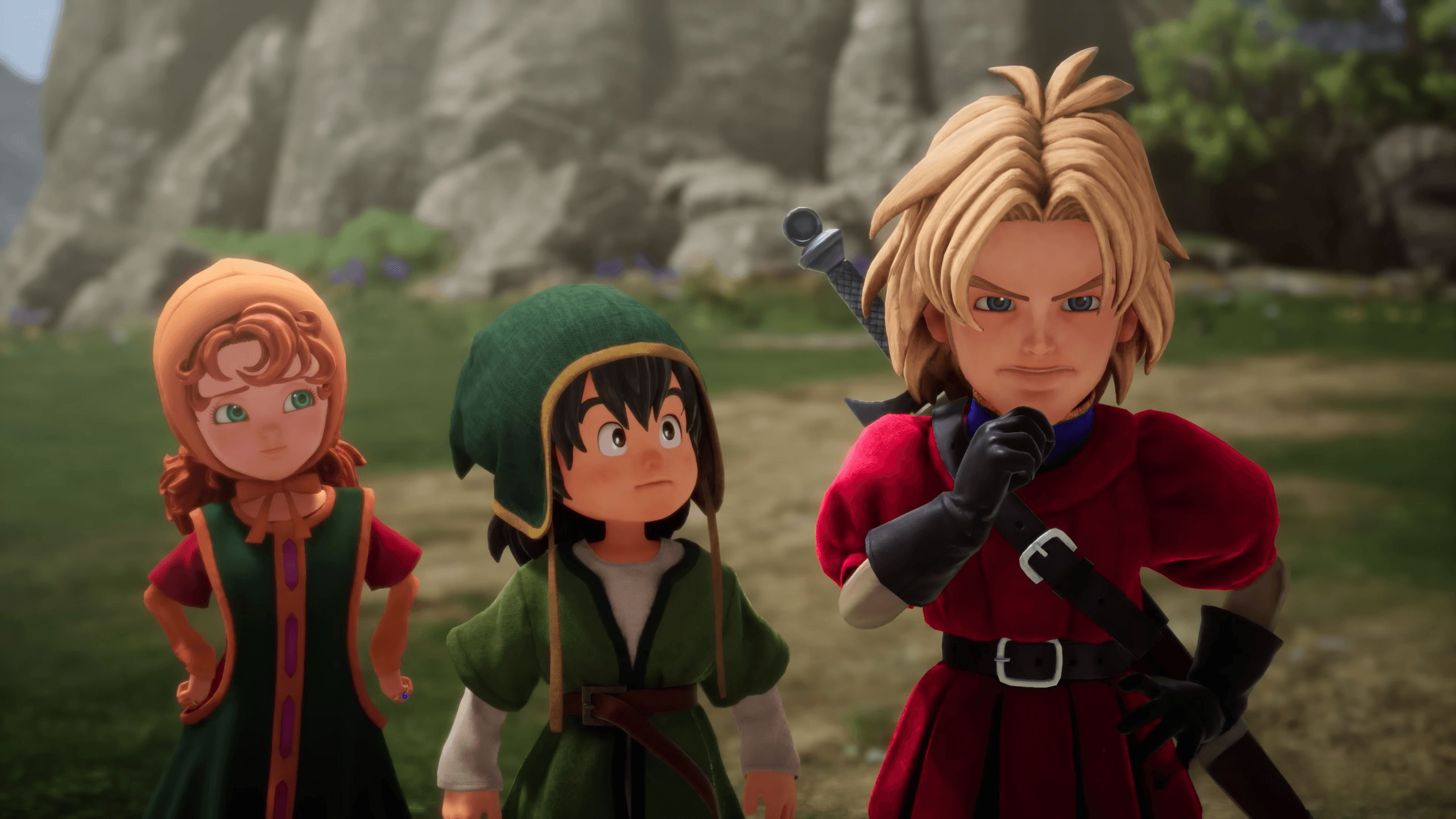
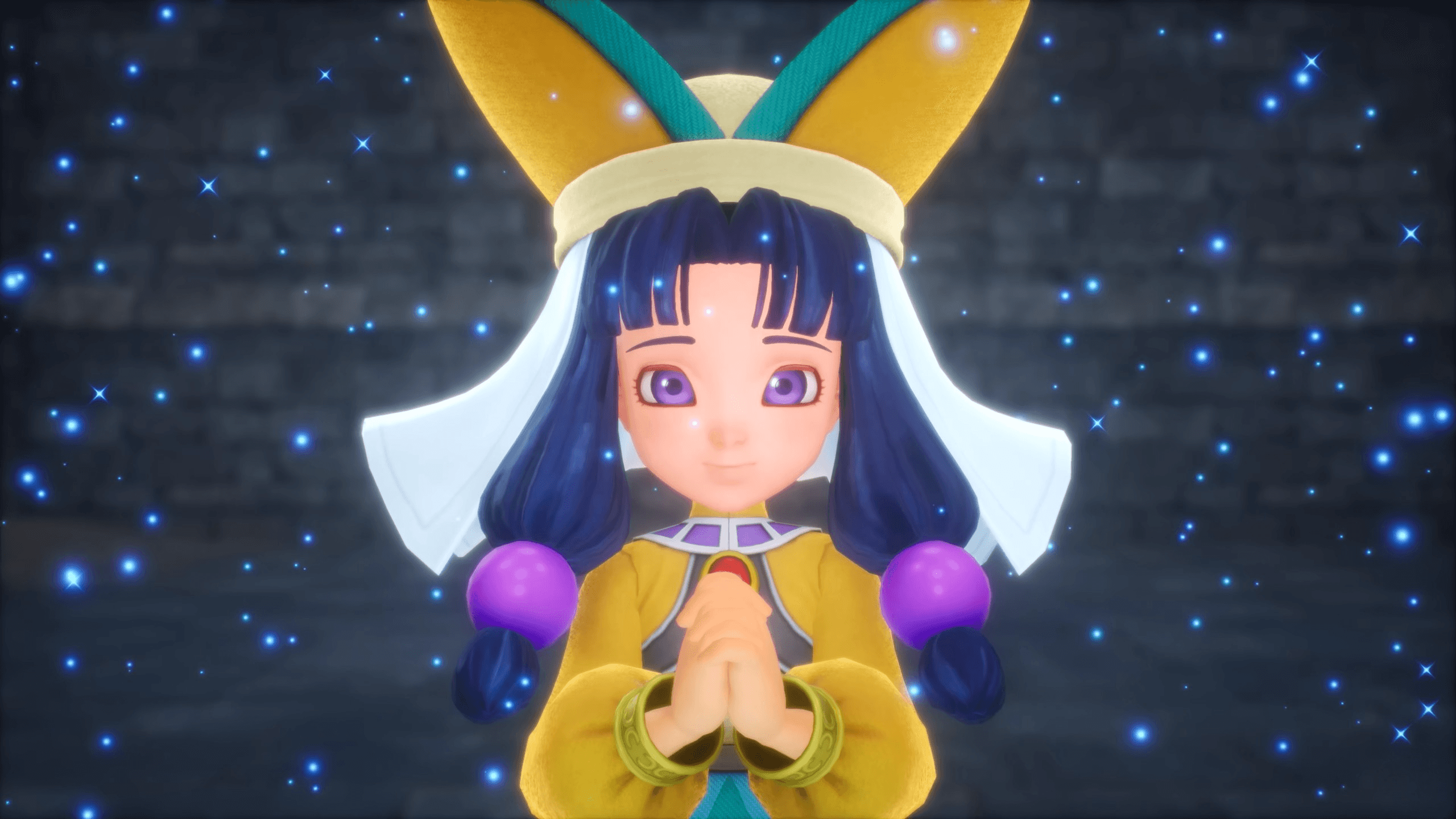
Character models are more chibi-like than in typical JRPGs, yet feature high-quality textures and lighting, making costumes and animations feel lively. Emotional expressions shine as well: Maribel puffing her cheeks in anger or Kiefer leaping in surprise adds charm and personality, especially when paired with full voice acting.
Personally, I adore this new direction. It feels bold yet perfectly suited to Dragon Quest’s tone, making the world feel magical and inviting. At one point, I even caught myself thinking, “What if Final Fantasy IX were remade in this style?”—a testament to how inspiring the presentation is. Of course, art style is subjective. Some players may prefer the more traditional look of previous versions, while others, like me, appreciate this modern reinterpretation that gives the 25-year-old classic a fresh identity.
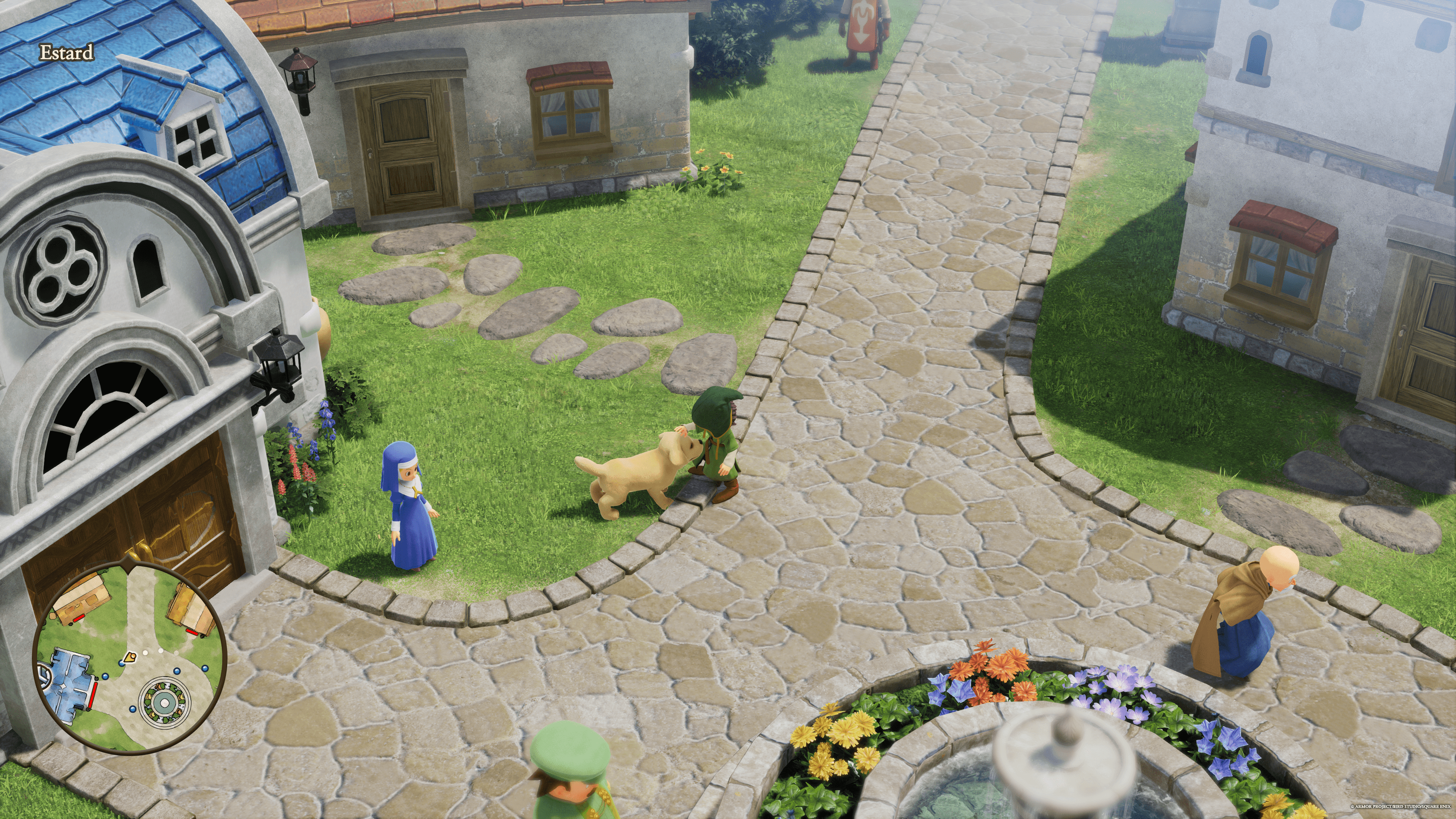
On the audio side, well... what can I say, the remake once again reaches the series’ signature high standard. Composer Koichi Sugiyama’s orchestral themes, such as the overture, world map, and battle themes remain timeless.
The original PS1 release relied on MIDI due to hardware limits, and even later ports often lacked full orchestral recordings, making the new version especially welcome. This time, all tracks are fully re-recorded with live orchestral arrangements overseen by Sugiyama’s team. From soaring world themes to intense battle music and solemn temple melodies, the orchestral performances add emotional weight and immersion.
Sound quality is excellent, with clear instrumental layering that enhances each region’s atmosphere. Classic tracks like the world map theme feel grander than ever, evoking powerful nostalgia for returning players.
Overall, the remake’s audiovisual presentation is outstanding. It breathes modern life into a 25-year-old adventure, making it feel like a newly produced animated RPG. With upgraded visuals, richer battle presentation, full voice acting, and orchestral music, the experience is elevated across the board while still preserving the pure spirit of Dragon Quest.
Balancing tradition and innovation, Dragon Quest VII Reimagined successfully revitalizes a beloved classic, delivering an adventure that feels both comfortingly nostalgic and excitingly new.
DQ7 Reimagined's Final Verdict
Overall, DQ7 Reimagined is a sincere and ambitious reimagining rather than a simple remaster. It completely reinvents the game’s visual identity with its diorama-style presentation, while also addressing many long-standing criticisms of the original most notably its bloated systems and sluggish pacing. The chapter-based narrative and its deeply human, often somber themes remain intact, but are now elevated through full voice acting and more expressive presentation. Exploration flow, vocation progression, and combat systems have all been streamlined with better guidance and modern conveniences, making the experience far more approachable for newcomers while giving veterans a fresh lens through which to revisit this journey.
That said, as with every Dragon Quest adventure, light and shadow coexist. Despite numerous refinements, this is still fundamentally DQ7, a massive JRPG with a deliberately slow burn. Even with a shortened opening, clearer tablet hints, and earlier access to vocations, the overall journey remains long, and the repeating island-based episodic structure may still lead to fatigue for some players over extended playtime.
Similarly, while the moonlighting dual job system and mechanics add welcome tactical variety, the core combat design has not been radically overhauled. Late-game grinding is still very much part of the experience, and some battles and dungeon puzzles have been simplified to the point where the sense of triumph found in overcoming the original’s tougher challenges is slightly diminished.
On the audiovisual front, however, the remake is a clear triumph. Akira Toriyama’s characters and monsters are reintroduced through a charming chibi, diorama-inspired style that will naturally divide opinion. Some will find it whimsical and refreshing, others may miss the original’s more grounded tone. But What I think is far more universally praised is the fully orchestrated soundtrack and complete voice acting. Koichi Sugiyama’s iconic compositions feel newly reborn, and the voiced performances give the cast far greater personality and emotional presence. In this regard, the remake is simply outstanding.
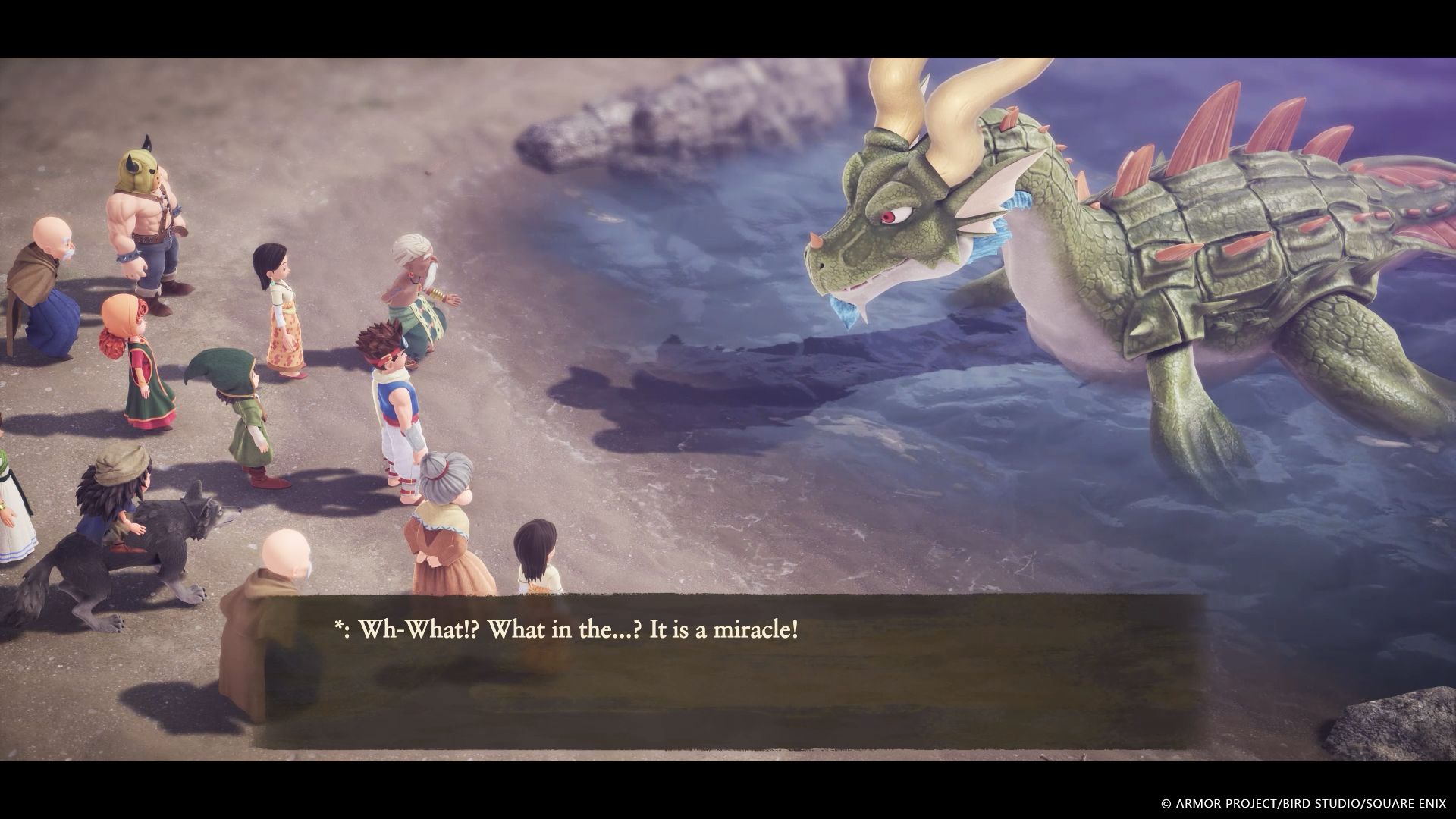
Ultimately, I see Dragon Quest VII Reimagined as a successful balance of preservation and evolution. It remains faithful to the emotional core of the original while retelling its story in a more modern, accessible language. It respects long-time fans’ memories, yet is unafraid to revise designs that no longer suit contemporary expectations. For players who once loved DQ7 but fell away due to its pacing and complexity, this is a chance to rediscover, and perhaps fall in love with it all over again. For newcomers, it offers a distinctive, content-rich starting point unlike any other entry in the series.
Whether you are a returning veteran or a first-time traveler setting foot on the island, Dragon Quest VII Reimagined delivers a familiar yet renewed adventure worthy. It still carries traces of its old-school structure and tempo, but its story, systems, and emotional impact have been carefully reshaped, inviting players, amid the modern JRPG landscape, to slow down and once again hear that timeless question: “Do you want to become a hero?”
Game reviewed on PS5. Review copy provided by Square Enix
Review Score
Pros
Successfully modernizes DQ7’s pacing while preserving its emotional core
Fully revamped job system adds depth without excessive grinding
Combat is smoother, faster, and more engaging
Excellent audiovisual overhaul elevates immersion
Quality-of-life improvements dramatically improve exploration flow
Cons
Difficulty and challenge feel noticeably reduced
The adventure can still feel long and structurally repetitive at times, but it is nevertheless a significant improvement over the original