 Slimepress
Echoes of Aincrad Hands-On Preview — Letting You Relive the Adventure of Aincrad Through Your Own SAO Story
Developed by Bandai Namco Entertainment's Game Studio Inc., the upcoming Sword Art Online action RPG Sword Art Online: Echoes of Aincrad takes a very different approach from previous entries in the series.
Rather than retelling Kirito and Asuna's story, Echoes of Aincrad puts players at the center of the experience. By creating their own original character, players become one of the thousands trapped inside SAO's deadly virtual world, experiencing the fall of Aincrad from a completely new perspective.
After spending around seven hours exploring content from the first two floors, one thing became immediately clear: this isn't just another anime adaptation. Instead, it aims to deliver the fantasy many fans have imagined for years: what if you were the one trapped inside Sword Art Online?
In terms of story and worldbuilding, Sword Art Online: Echoes of Aincrad largely follows the core premise of the original Sword Art Online.
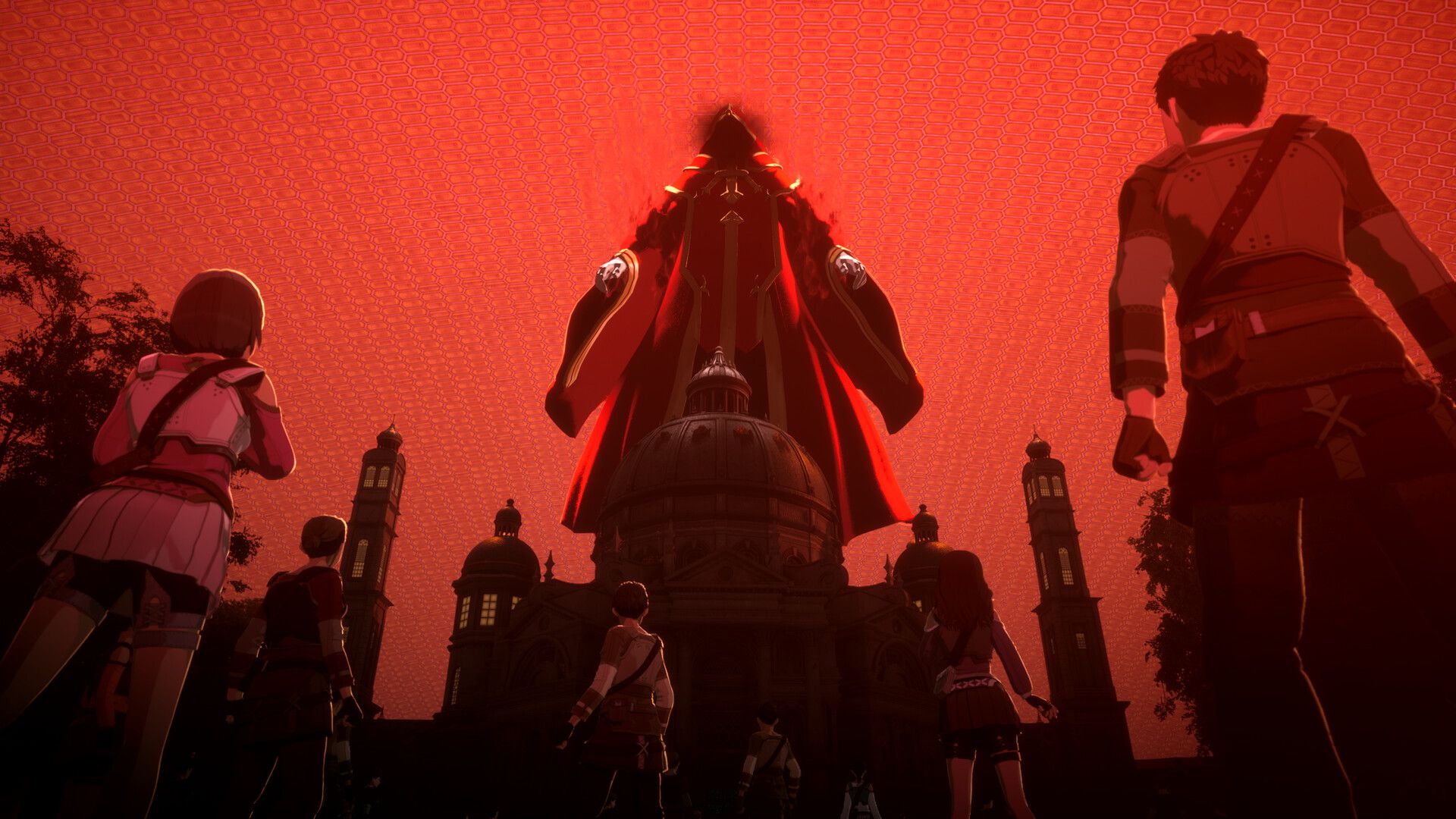
Players log into the world's first fully immersive VRMMORPG, Sword Art Online, using the NerveGear and enter the floating castle of Aincrad. What begins as a groundbreaking virtual adventure quickly turns into a nightmare when creator Akihiko Kayaba appears before all players and reveals a horrifying truth: the logout function has been removed.
Trapped inside the game, players face a deadly reality, death in SAO means death in real life. The only way to escape is to clear all 100 floors of Aincrad and survive the ultimate death game.
While this setup will be familiar to longtime SAO fans, Echoes of Aincrad distinguishes itself by placing players in the role of an original character rather than Kirito. You play as a former beta tester who becomes trapped alongside fellow beta tester Iori and a cast of new original characters. Familiar faces such as information broker Argo also return, joining players on their journey through Aincrad.
This shift in perspective gives the story a very different feel from previous SAO adaptations. Even if you already know how the death game begins, experiencing Kayaba's announcement firsthand as one of the trapped players carries a surprising amount of weight. Standing among the crowd rather than watching from the sidelines makes the situation feel far more personal and immediate.
In many ways, Echoes of Aincrad is not about retelling the story of Sword Art Online. Instead, it gives players the chance to live through one of the series' most iconic events from an entirely different perspective. Although the journey begins at a familiar point, the experience itself feels refreshingly new.
While Echoes of Aincrad largely follows the world and premise of the original Sword Art Online, its biggest departure from previous SAO games is that you are no longer playing as Kirito. Instead, the protagonist is a blank slate created entirely by the player.
After completing character creation, you step into Aincrad as your own avatar rather than an established character from the series. From your appearance and equipment choices to your preferred combat style, nearly everything can be tailored to your liking. In many ways, it feels much closer to the fantasy many fans had while watching Sword Art Online, imagining what it would be like to be trapped inside SAO themselves.
Thankfully, the game backs up that idea with a surprisingly robust progression system. Players can choose from six weapon types: one-handed swords, rapiers, axes, daggers, greatswords, and greataxes, and further customize their build through equipment upgrades, Sword Skills, and attribute points earned through leveling.
The system offers plenty of freedom when it comes to shaping your character. Players who prefer a faster, more agile playstyle can invest in mobility and evasion, using daggers to dart around enemies and strike from behind. Meanwhile, those who enjoy a more direct approach can pick up a greatsword or greataxe, relying on powerful attacks, parries, and high-damage Sword Skills to overwhelm enemies head-on.
At least from what I've played so far, Echoes of Aincrad does a good job of letting players create a character that feels like their own, rather than simply following in Kirito's footsteps.
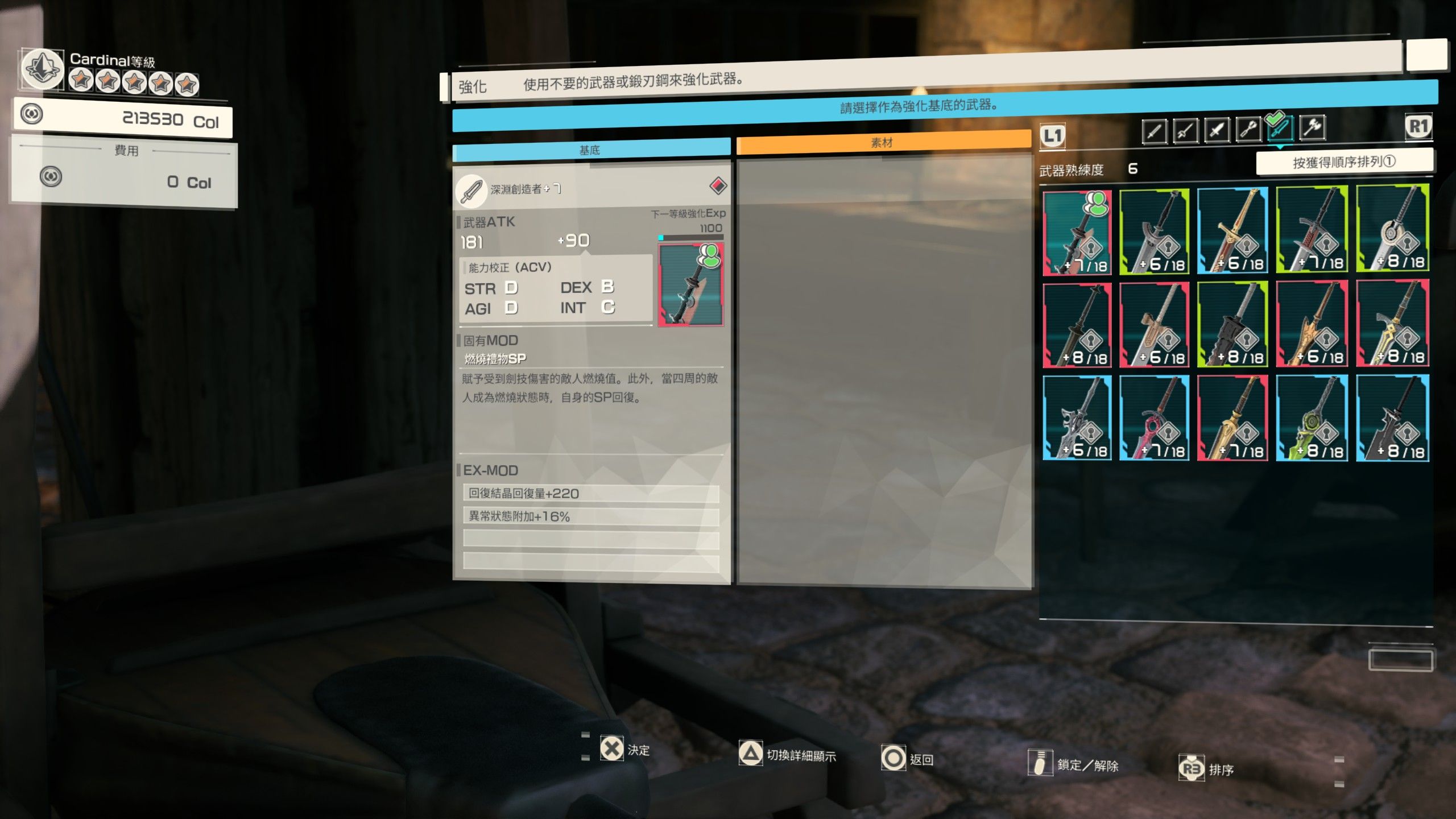
The equipment system also introduces a special modifier mechanic known as EX-MODS. These modifiers do more than simply boost stats such as skill damage or stamina efficiency, they can also grant weapons additional effects, including status ailments like poison, further altering how they perform in combat.
Even more interestingly, the game's crafting and synthesis systems allow certain modifiers to be transferred between pieces of equipment, offering a greater degree of build customization and long-term progression.
Since this hands-on preview was limited to the first two floors and only a few hours of gameplay, it wasn't possible to fully explore the depth of the endgame progression and gear-building systems. Even so, the systems on display already suggest that character progression and equipment customization are far more than side features. Instead, they appear to be a major pillar of Echoes of Aincrad's overall gameplay loop and could become one of the key reasons players keep coming back over the long term.
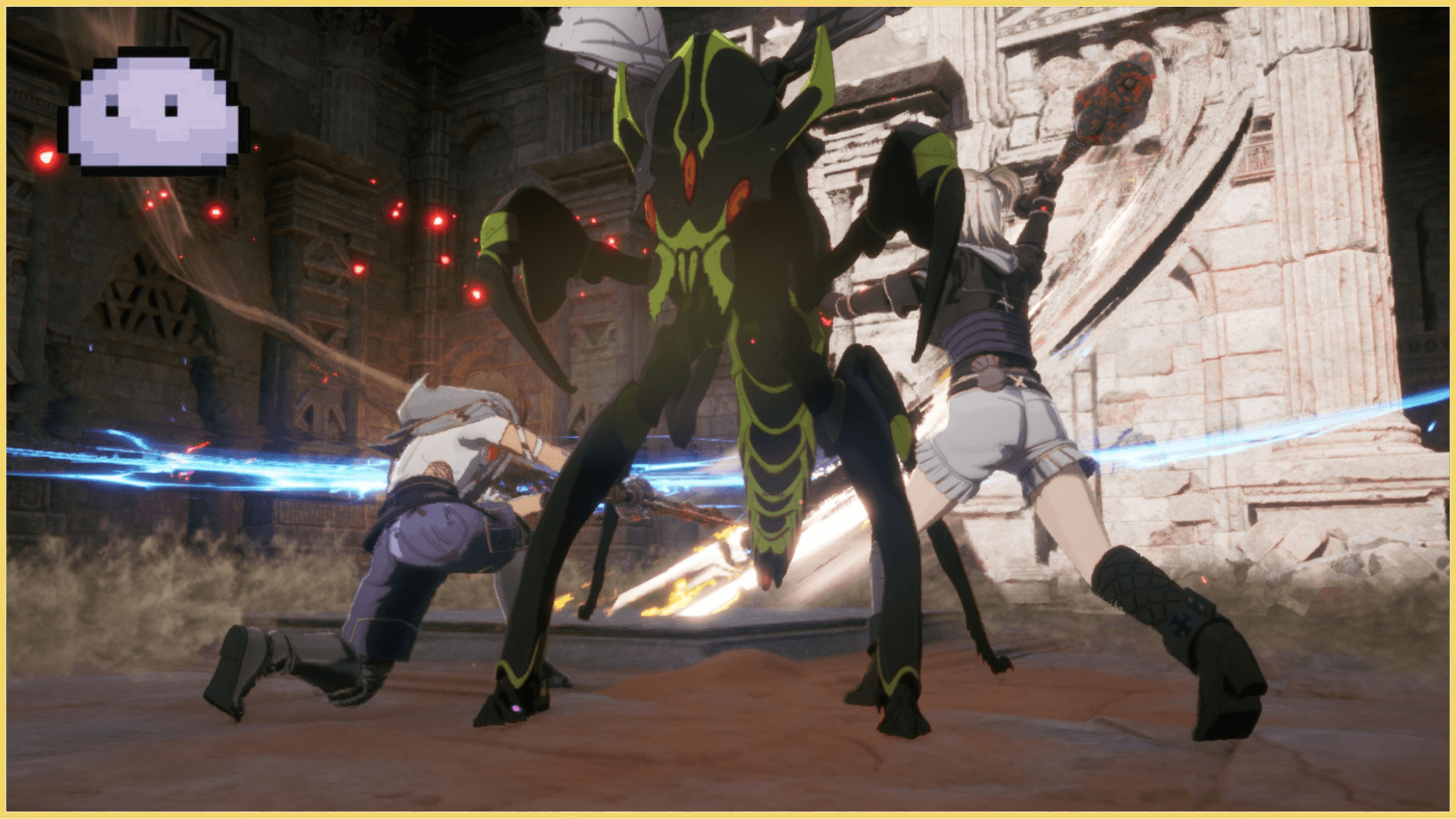
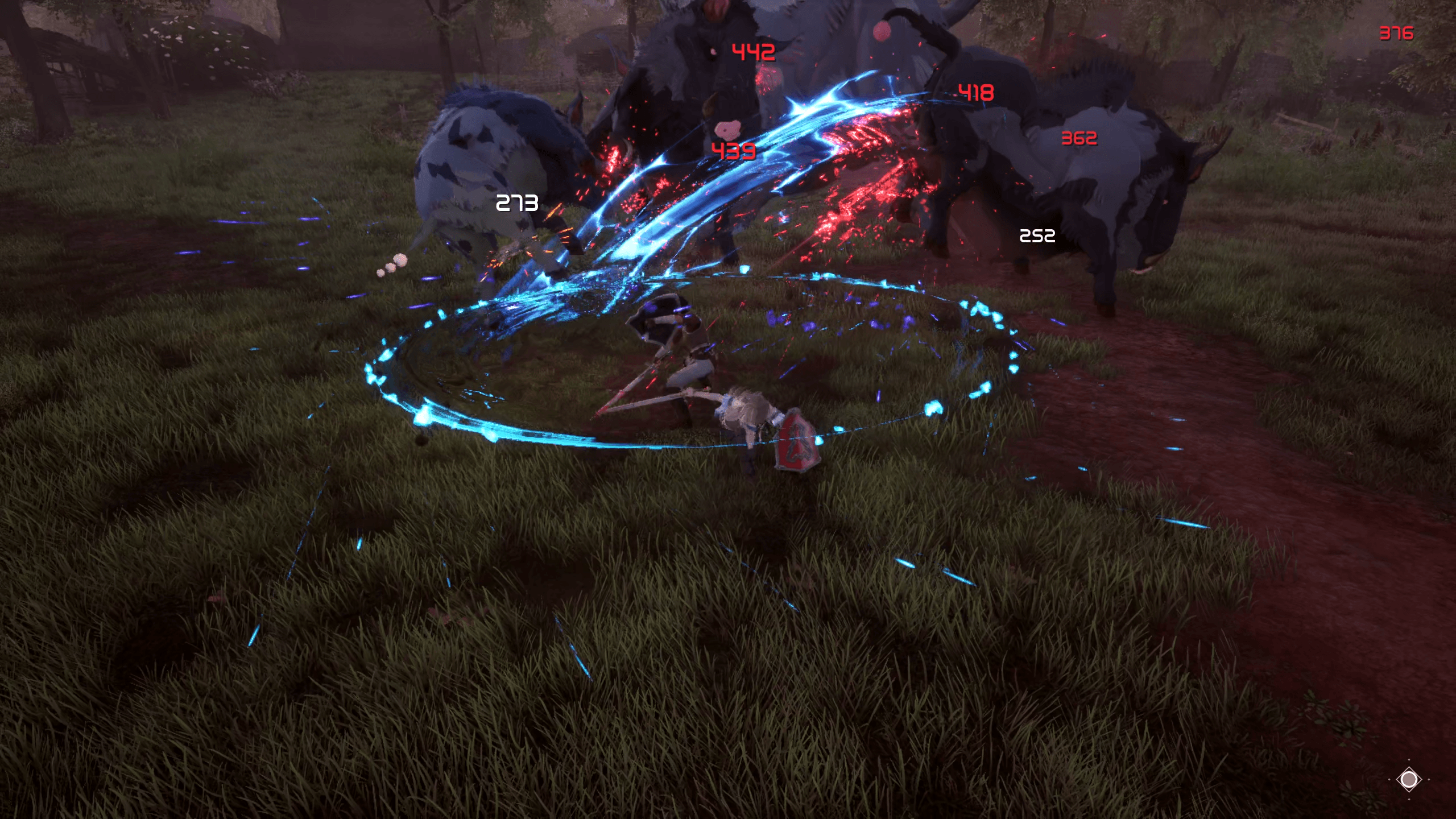
Combat is undoubtedly one of Echoes of Aincrad's biggest focal points, and it ended up being one of the game's most pleasant surprises. The overall combat flow leans heavily toward the action RPG side, incorporating several soulslike-inspired mechanics such as stamina management, dodging, blocking, and bonfire-style checkpoints, while still preserving the series' signature Sword Skill system.
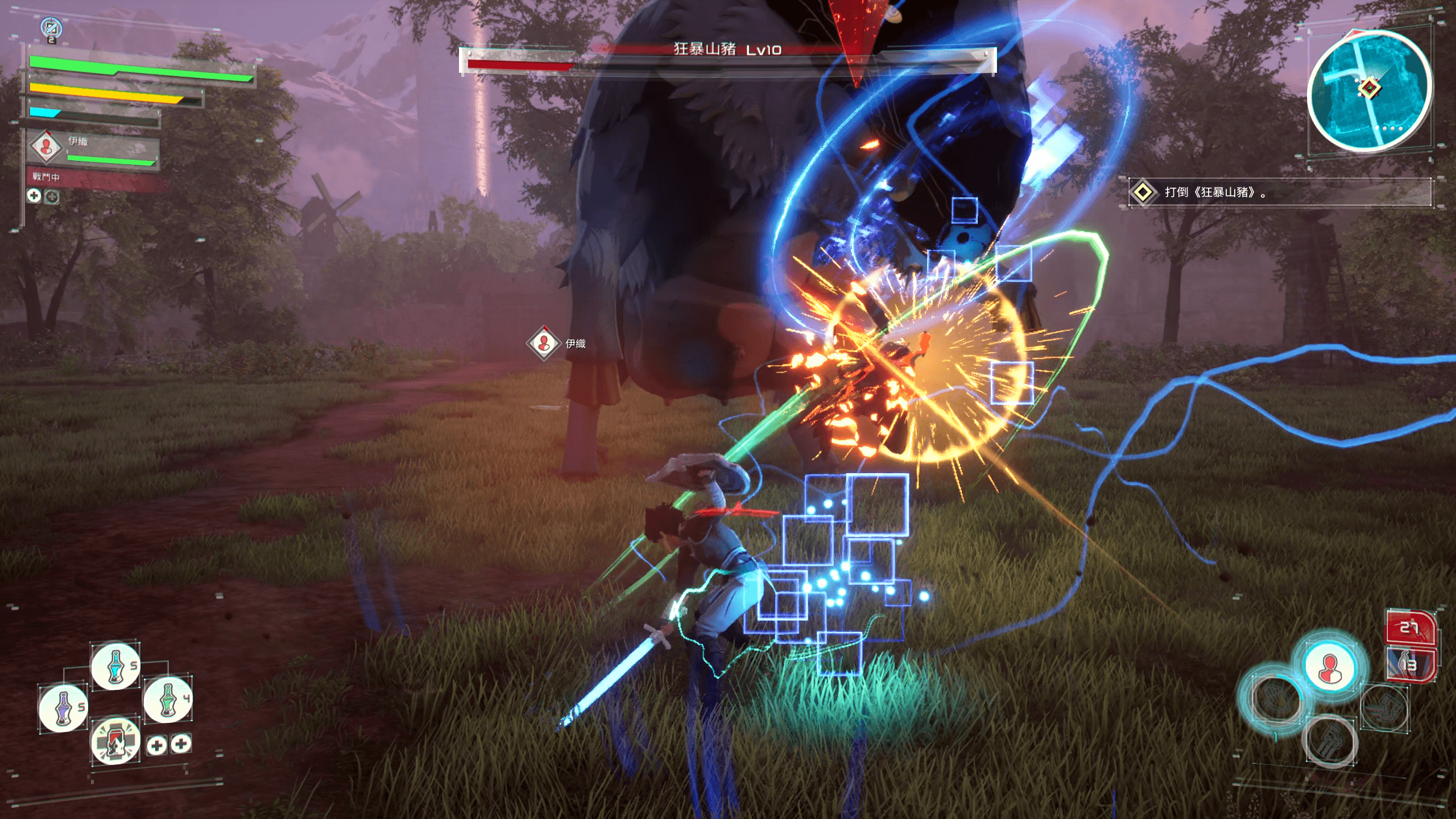
Combat revolves around chaining light and heavy attacks together while weaving in Sword Skills like Horizontal Slash and Vertical Slash. Each weapon has its own rhythm and playstyle, while enemy attacks can be answered with well-timed dodges, counters, and blocks.
One mechanic I especially enjoyed was Reversal Slash. When an enemy attack is marked by a blue indicator, a successful counter can interrupt their attack and create a valuable opening. Some weapons can also equip shields for blocking and parrying, adding another layer of strategy to combat.
As for me, I've always been a fan of high-risk, high-reward greatsword builds in action RPGs. Rather than dancing around enemies, I'd much rather stand my ground and deliver one massive hit when the opportunity appears.
Naturally, I chose the greatsword during the preview, and it absolutely delivered on that fantasy. Several greatsword Sword Skills feature powerful charge attacks that reward patience and timing. Landing a fully charged strike after catching an enemy off guard feels incredibly satisfying, with the kind of weight and impact you'd expect from a weapon this massive.
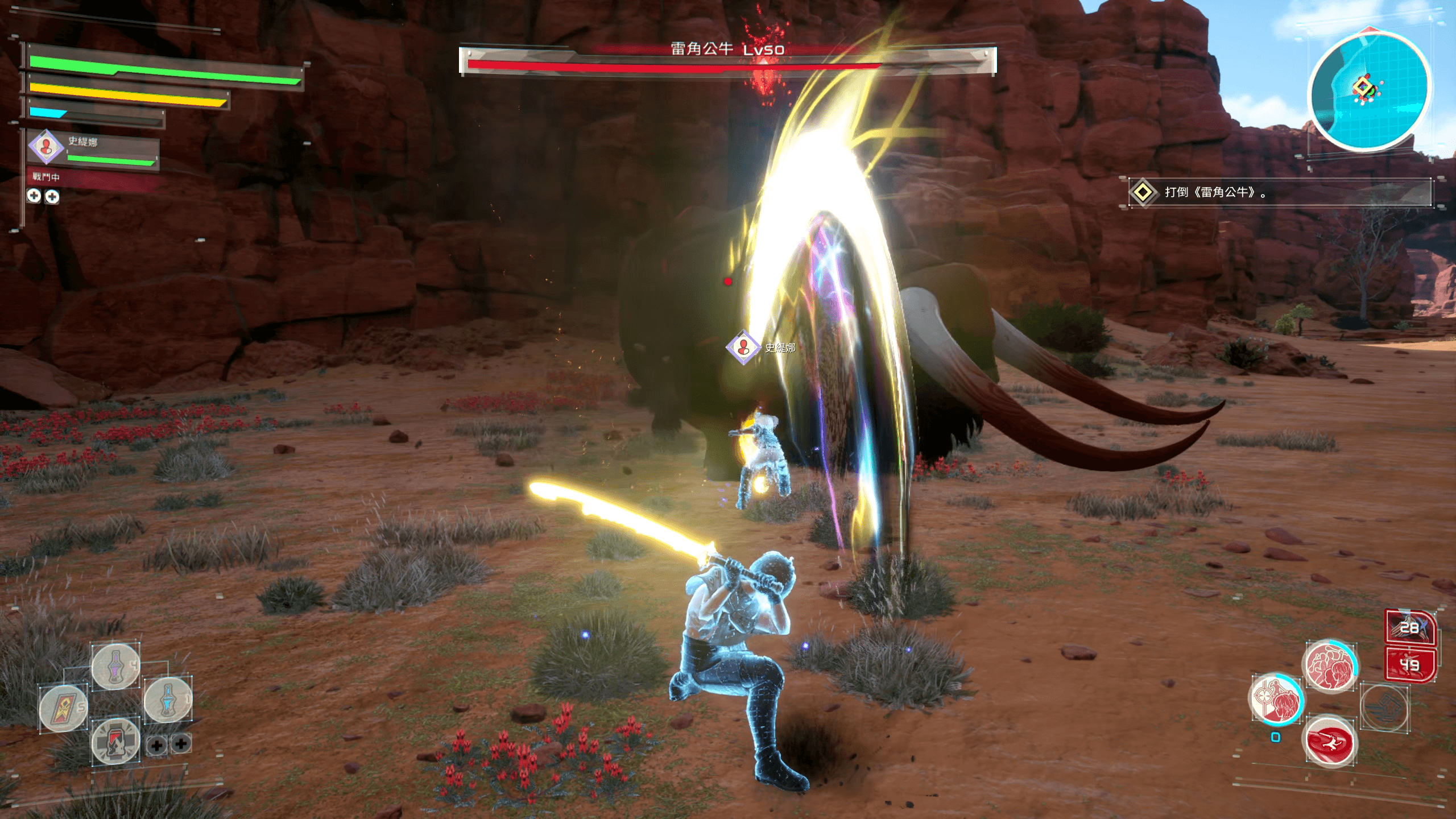
More importantly, the combat feels far better than I expected. Attacks have a satisfying sense of weight without sacrificing responsiveness, making every hit feel impactful.
This is especially noticeable with heavier weapons. Powerful attacks can stagger enemies, and in some cases even break specific monster parts. Seeing a creature's armor or body part shatter under a well-timed strike provides a strong visual payoff and makes each successful hit feel genuinely rewarding.
Defensive options also vary depending on your weapon choice. Greatswords offer a reliable parry that can create excellent counterattack opportunities when timed correctly, while faster weapons like daggers lean more heavily on dodging and mobility, trading defense for speed and aggression.
At least during my time with the first two floors, the greatsword delivered exactly the kind of experience I was hoping for. There's something incredibly satisfying about spotting an opening, committing to a heavy swing, and watching a huge chunk of an enemy's health disappear.
And perhaps that's one of Echoes of Aincrad's biggest strengths. Rather than forcing players into the shoes of an existing character, it gives them the freedom to create their own playstyle, their own role, and ultimately their own SAO story.
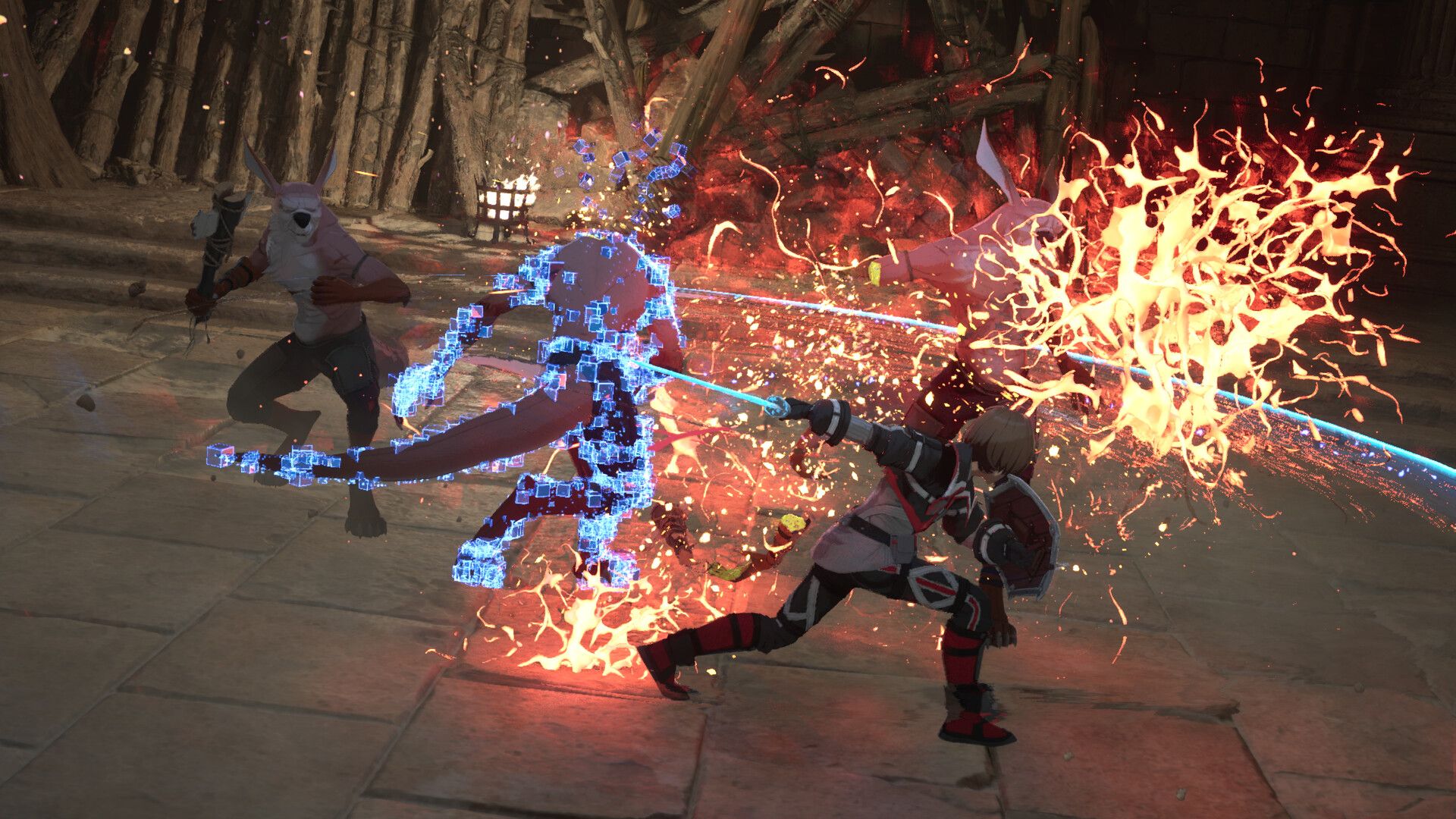
Another core feature is the game's Companion System.
Before heading out on a mission, players can choose an AI companion to accompany them. Each character fills a different role, with some specializing in healing and support, while others focus on damage dealing or tanking. From my time with the game, the system reminded me a bit of the AI partners in Code Vein 2, giving players the freedom to tailor their party around their preferred playstyle.
Every companion comes with their own unique abilities and combat role. By mixing and matching different characters, players can either cover weaknesses in their build or further enhance its strengths. Some companions can place healing fields, provide defensive buffs, or reduce incoming damage, while more offensive-focused allies can chain together powerful Link Attacks with the player for impressive burst damage.
On top of that, players can switch their companion's AI behavior on the fly, freely toggling between Free Mode and Switch Mode during combat to adapt to different situations.
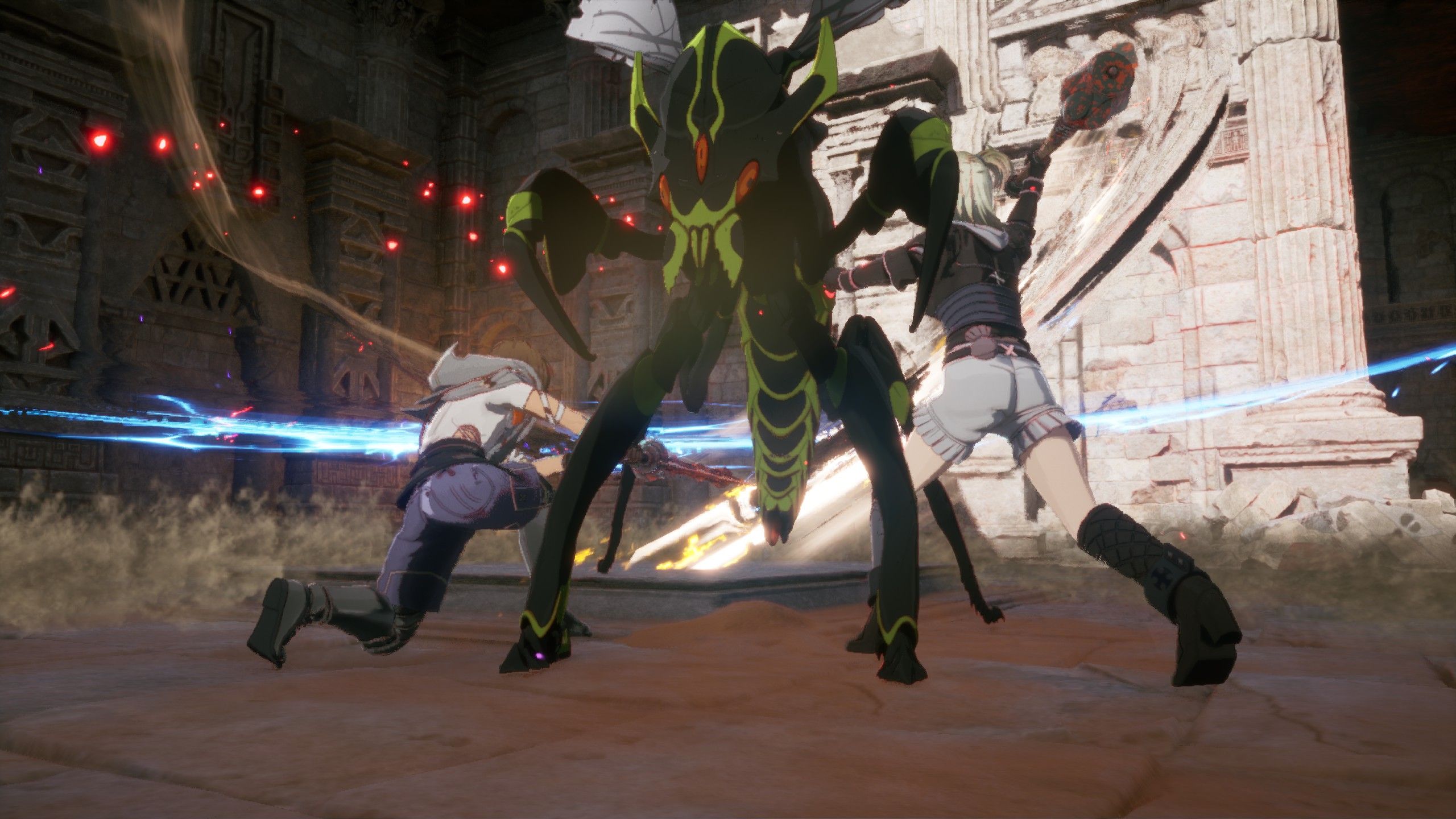
That said, I do think the game's tutorials could do a better job of explaining some of these systems. In fact, there were several mechanics I didn't fully understand until after the preview, when I went through Bandai Namco's official guides and gameplay breakdowns.
Free Mode lets companions act independently, attacking enemies, drawing aggro, and creating opportunities on their own. Its biggest advantage is that it splits enemy attention between two targets, making fights feel much more manageable. This was especially useful when using a greatsword, as teammates could keep enemies occupied while I charged up heavier attacks.
Switch Mode, on the other hand, keeps your companion focused on the same target you're attacking. This becomes particularly effective against larger enemy groups or when you need to quickly burst down a priority target. Having both characters rush the same enemy and chain attacks together makes combat feel noticeably more aggressive.
While there are still plenty of details I haven't had enough time to fully explore, the companion system already feels like much more than just having an AI partner by your side. It seems deeply tied to both character building and combat strategy, and I can easily see companion choice and AI behavior becoming an important part of tackling bosses and harder content later in the game.
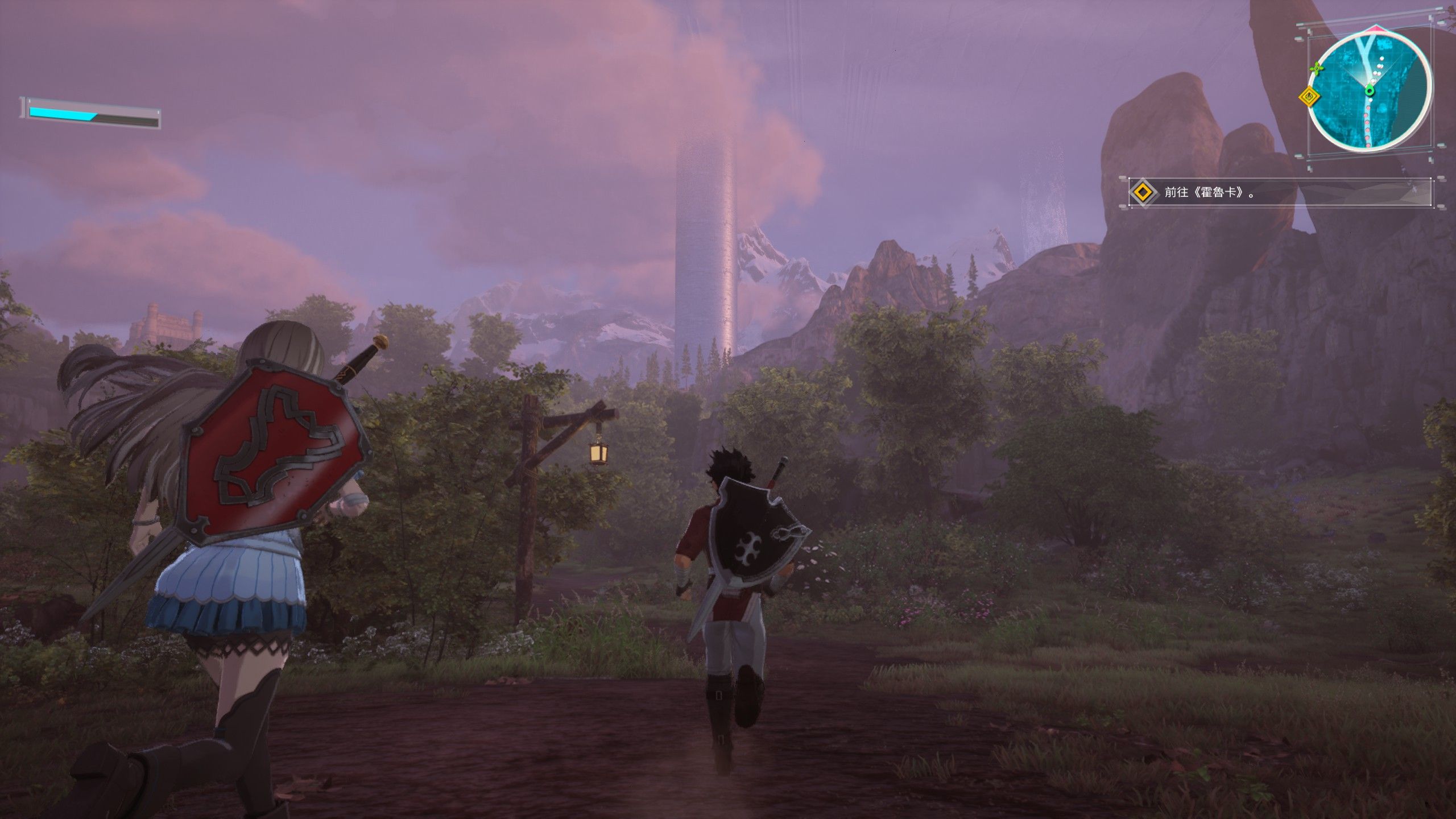
One thing that surprised me was just how large Aincrad feels in Echoes of Aincrad. Compared to what I expected, the game places a much heavier emphasis on exploration. Players are free to roam the field maps, hunt for treasure chests, gather crafting materials, discover hidden paths, and take on elite monsters. Even within just the first two floors, there was already a decent amount of space to explore, with Safe Points that gradually reveal more of the map as you activate them.
During my hands-on session, I frequently came across routes that existed for more than simply leading to the next main objective. Many of them hid optional areas waiting to be discovered, often containing treasure chests, rare enemies, or valuable crafting resources. As a result, exploration feels like a meaningful part of the experience rather than just downtime between story quests.
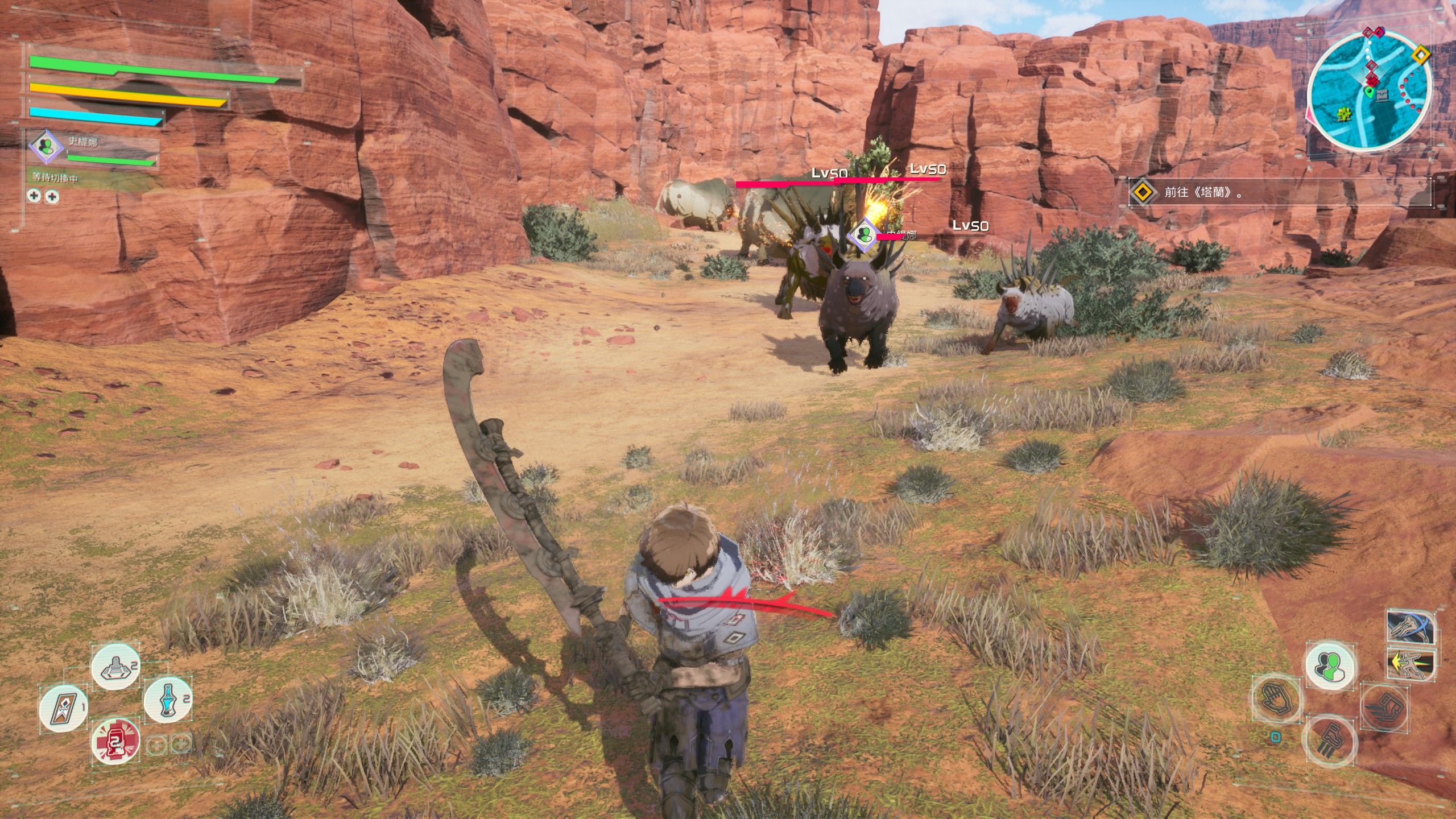
Personally, I think the difficulty of enemy encounters during exploration feels just right. Even outside of the optional Death Game Mode, venturing into unfamiliar areas still carries a genuine sense of danger and adventure. Much of this comes from the game's tendency to challenge players with groups of enemies rather than simply inflating enemy stats.
Things can quickly become chaotic when an elite monster is accompanied by several smaller enemies. With attacks coming from multiple directions and healing items being less plentiful than expected early on, some encounters genuinely made me stop and think, "This is only the first floor?"
At least based on what I played, the developers have done a great job of capturing the tension of exploring an unknown dungeon. Even while roaming through larger open areas, I never felt comfortable enough to completely let my guard down, which helps keep both exploration and combat engaging.
On the other hand, the developers have included several player-friendly safeguards that make exploration far less punishing. Falling into deep water or off a cliff won't result in major penalties, meaning players won't be heavily punished for a missed jump, a wrong turn while exploring, or even getting knocked back during combat.
Because of this, exploration feels fairly relaxed overall. While combat can still be challenging, traversing the world rarely feels stressful, encouraging players to explore freely and take risks.
That said, the current preview build does show a few areas worth watching. The biggest is repetition. As exploration time increased, I gradually began to feel some combat fatigue setting in. Since certain areas feature similar enemy placements and encounter structures, longer play sessions can occasionally make battles feel a little repetitive.
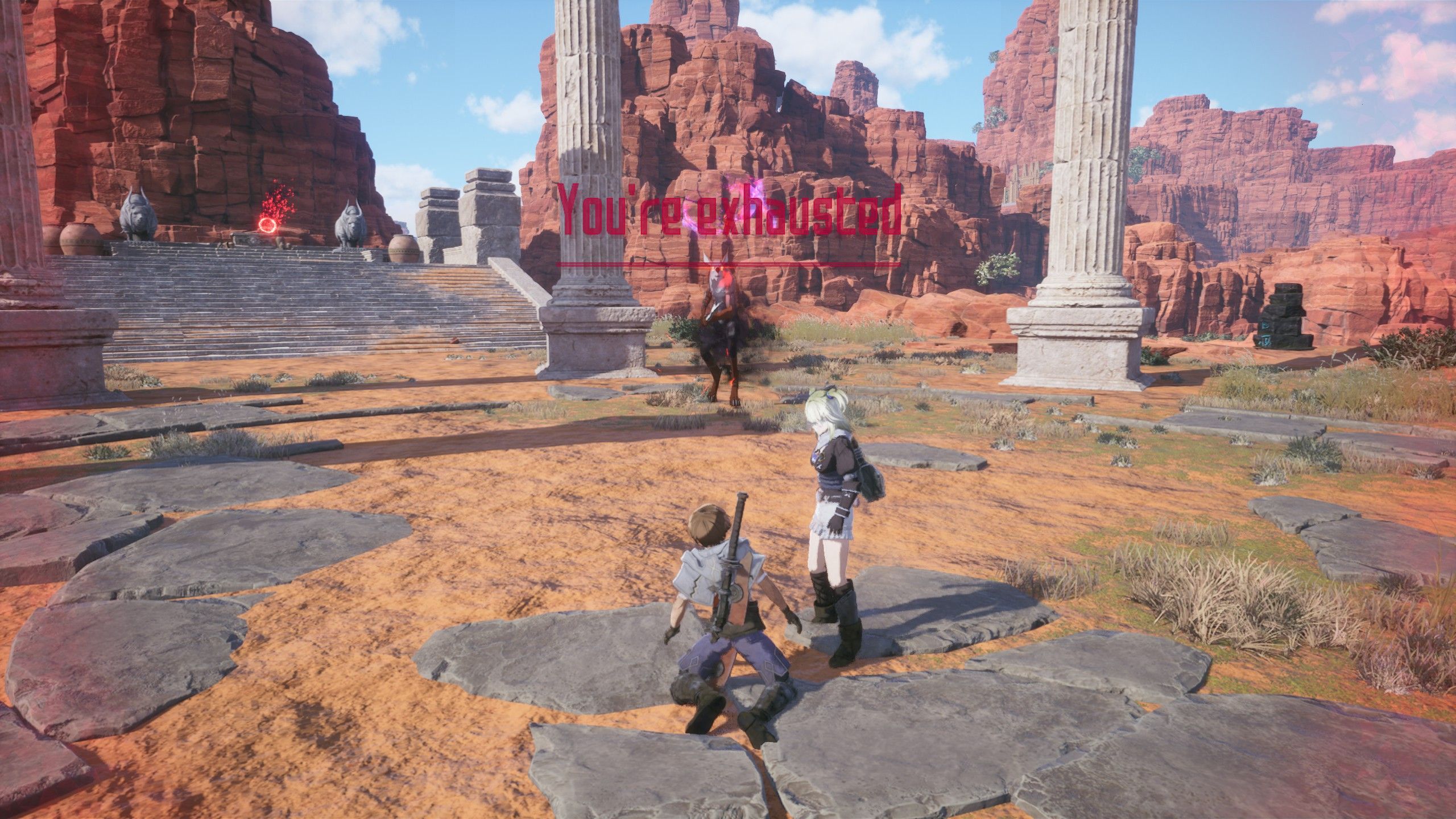
There are, however, a few areas that still left me with some concerns.
The biggest one is convenience. Based on the current build, fast travel options feel fairly limited. When your inventory starts filling up with materials and gear, your healing supplies run low, or you simply want to head back and organize your equipment, you'll often have to spend a considerable amount of time retracing your steps. Early on this isn't a huge issue, but within a game built around climbing all 100 floors of Aincrad, I can easily see it becoming a pacing concern later on.
Equipment management also feels more restrictive than expected. At the moment, players can't freely swap weapons on the spot and must instead return to town or a designated checkpoint to adjust their loadout. While this likely exists to reinforce resource management and the survival aspect of the game, it occasionally felt more inconvenient than immersive during my hands-on session.
These issues certainly don't overshadow the overall experience, but they are areas I'd like to see refined before launch. A little more flexibility in movement and equipment management could go a long way toward making the adventure flow more smoothly without sacrificing the game's sense of challenge.
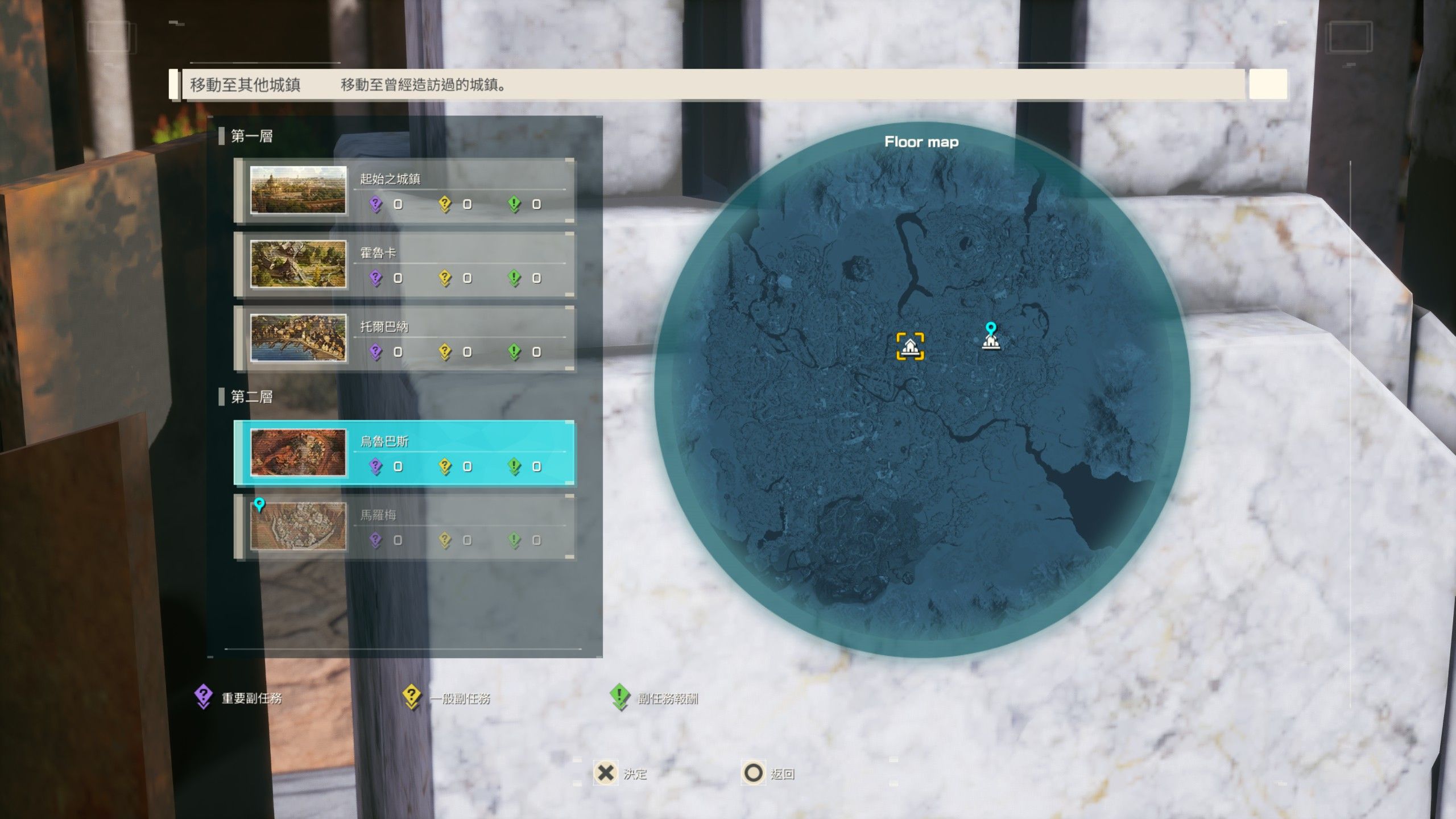
Despite the constant threat of death hanging over every corner, Aincrad remains a surprisingly beautiful place to explore.
Visually, Echoes of Aincrad does an excellent job recreating the anime's iconic art style while expanding it into large, explorable environments. From the overall atmosphere to the environmental design, much of Aincrad feels exactly as fans remember it.
Whether it's the fantasy-inspired landscapes, bustling towns, or massive labyrinths and dungeons, many locations genuinely feel as though they've been lifted straight from the anime. The flashy Sword Skill effects, detailed character models, densely populated settlements, and monster-filled field zones also hold up surprisingly well from a technical standpoint, with no major performance issues during my hands-on session.
Whether I was wandering through the forests outside the Town of Beginnings or exploring the rocky cliffs and wilderness of the second floor, the combination of high-quality anime-style visuals and subtle cel-shaded rendering made Aincrad a consistently enjoyable world to look at and explore.
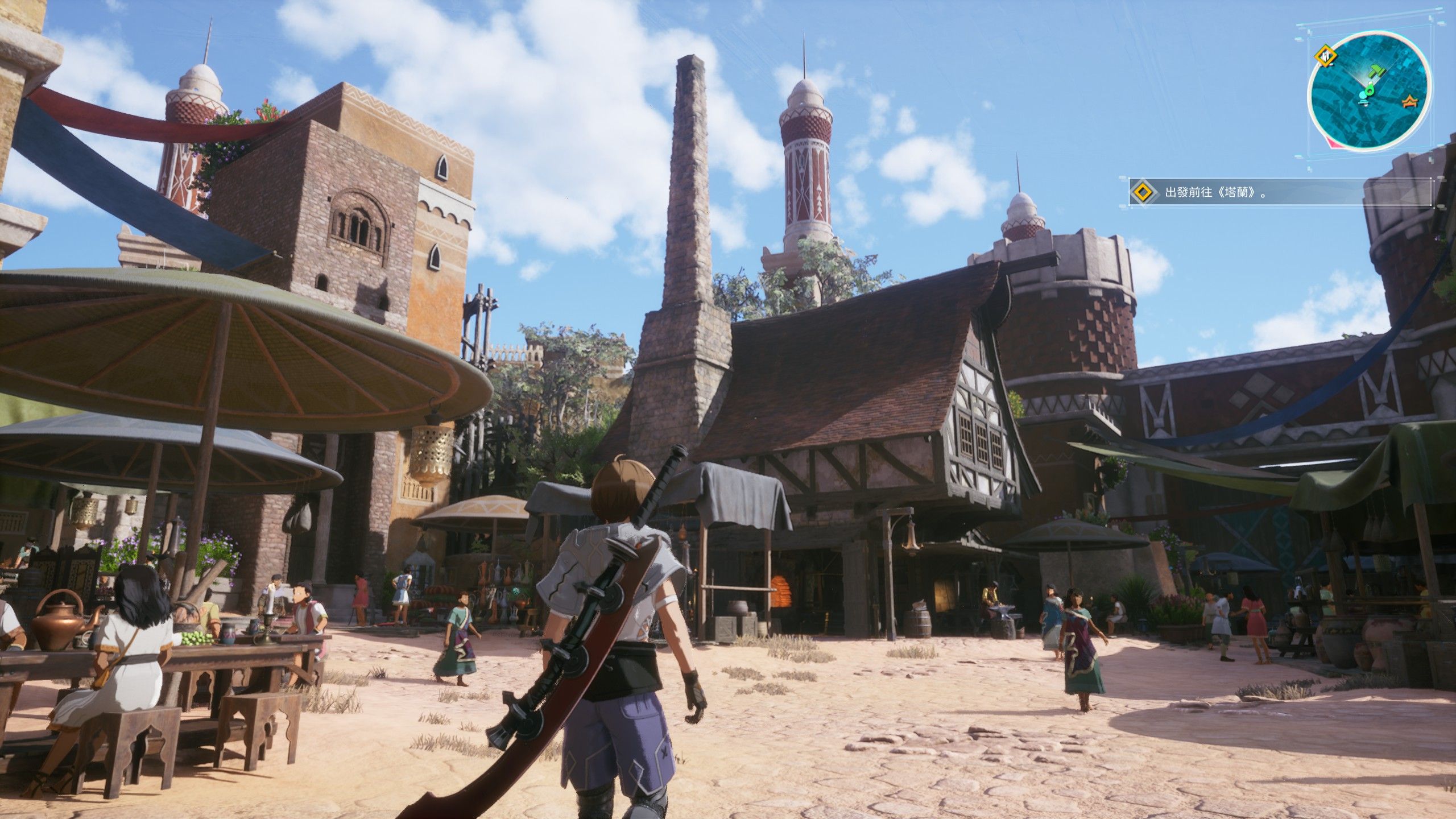
After spending around seven hours with the preview build, there were certainly a few rough edges and quality-of-life issues that stood out. Yet what stayed with me the most was the sense of genuinely stepping into Aincrad and experiencing an adventure of my own.
Rather than retelling Kirito and Asuna's familiar journey, Echoes of Aincrad shifts the spotlight to the countless other players trapped inside SAO and allows you to take part in the death game through your own character. I think that's a genuinely smart direction, and one that gives the game a unique appeal that many previous Sword Art Online adaptations lacked.
For many fans, the real fantasy was never simply watching Kirito become a hero. It was imagining what you would do if you were trapped inside Aincrad, like who you would meet, what choices you would make, and how you would survive. Echoes of Aincrad feels like one of the few SAO games that genuinely tries to bring that fantasy to life.
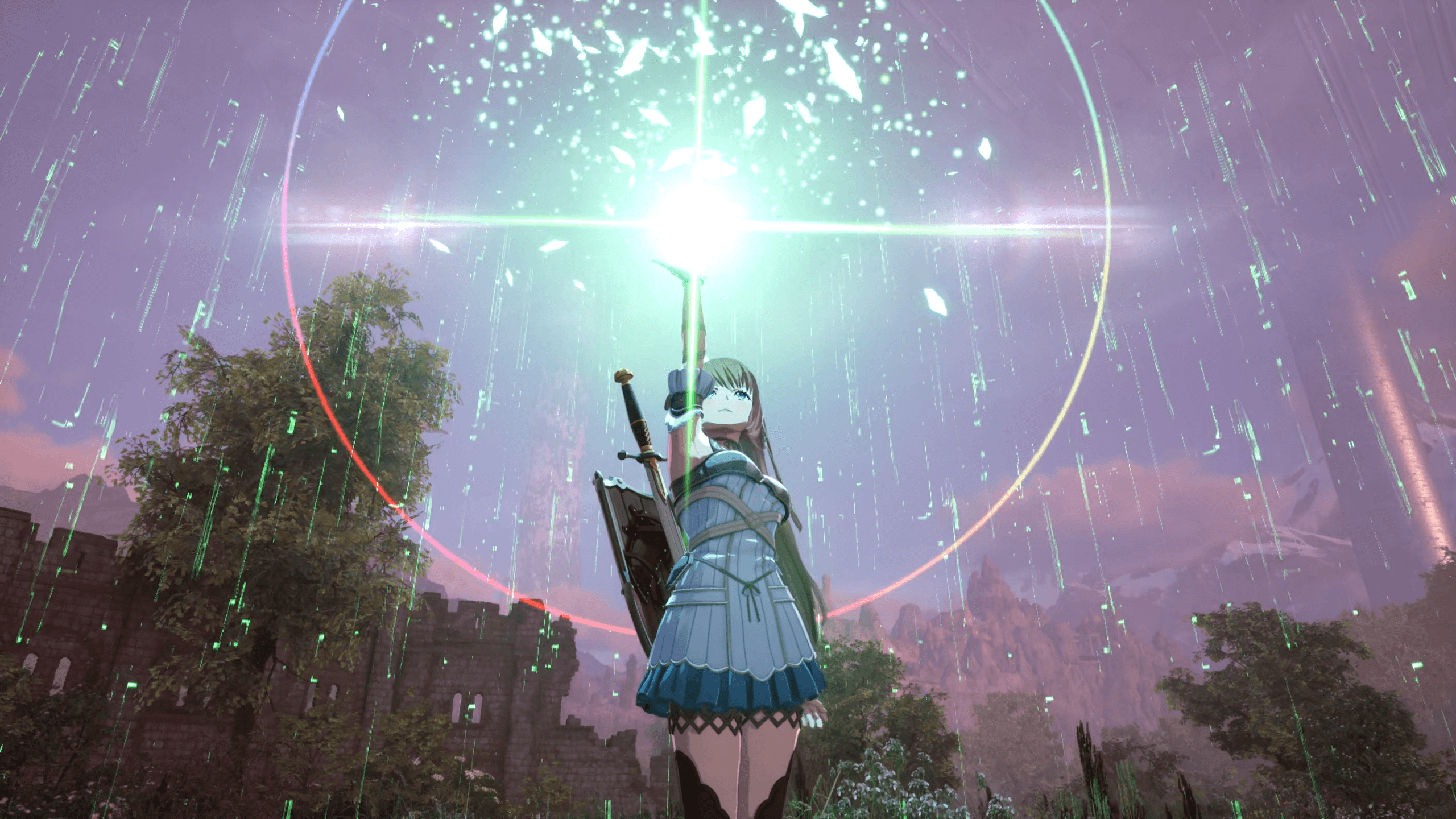
There are still areas that could use some refinement, particularly when it comes to convenience features and certain system designs. But after finishing the preview, I walked away far more excited for the full release than I was when the game was first announced.
If the final version can smooth out some of the pacing issues, improve a few of its rougher systems, and maintain the strong sense of character progression and MMO-style adventure I've seen so far, Echoes of Aincrad could end up being one of the most authentic ways for Sword Art Online fans to finally live out the fantasy of being trapped inside SAO themselves.
Echoes of Aincrad is scheduled to launch on July 10 for PlayStation 5, Xbox Series X|S, and PC via Steam.