 Slimepress
Godzilla Minus One Works So Well Because It Can't Stop Making Its Main Character Suffer
To the celebration of everyone, Godzilla Minus One is available globally. It’s been a special Godzilla film- the first new Godzilla movie out of Japan since the release of the amazing Shin Godzilla, also released in a post-Monsterverse world. At its core, the Godzilla fan typically wants two things. On one hand, they want something [...]
To the celebration of everyone, Godzilla Minus One is available globally. It's been a special Godzilla film- the first new Godzilla movie out of Japan since the release of the amazing Shin Godzilla, also released in a post-Monsterverse world.
At its core, the Godzilla fan typically wants two things. On one hand, they want something thought-provoking, something to recontextualize their relationship with the greater world. I mean, that's where Godzilla started- with an allegory for a horrific war crime. But on the other, they also want spectacle. A man in a lizard suit smashing up miniature buildings was also huge for its time, and there's just as many people who want to see the giant lizard do cool things.
Godzilla Minus One Really Wants You To Move On
It really impresses me just how much Godzilla Minus One does with both halves. While the original Legendary Pictures Godzilla from 2013 was criticized for its overt focus on human characters, Minus One's has some of the best in the business. Why? Because they all move along the movie's main message of holding true in the face of adversity.
It's politically flavored like Japanese Godzilla tends to be, yes, but at its core, the protagonist Koichi (Kamiki Ryunosuke) does not represent a people. Instead, he represents people, period. He's done just about the worst thing a Kamikaze pilot can do- live after being explicitly ordered not to. He's scared of death for a cause he doesn't believe in and as a result, he gets innocent people killed.
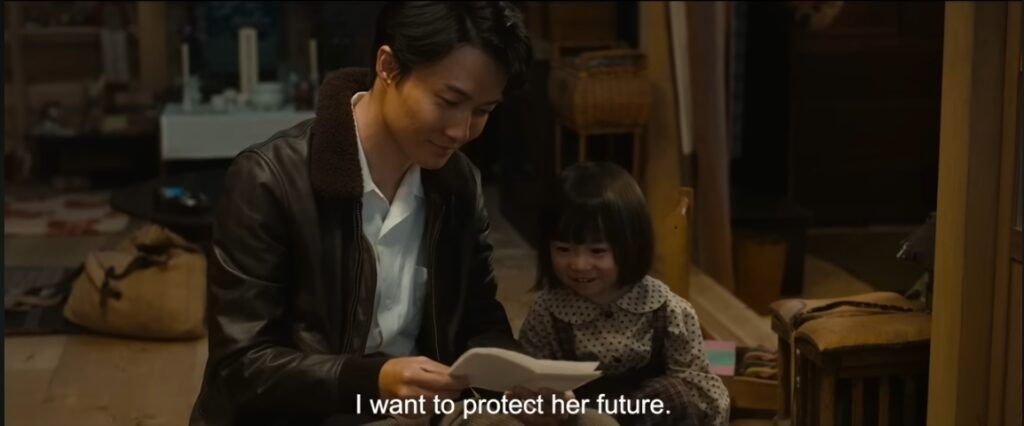
You never need to know more about Koichi's past in Godzilla Minus One because none of it is important, which is a rare piece of filmmaking restraint. No character's past prior to the end of World War II is ever brought up- the war has killed the old them, and all that matters is the now, To their credit, almost everyone succeeds in moving past this- the crew of the minesweeper ship barely acknowledge the existence of a war, and Noriko is more focused on keeping her adopted child alive than the throwaway line that she spoke to her family right before they went up in flames.
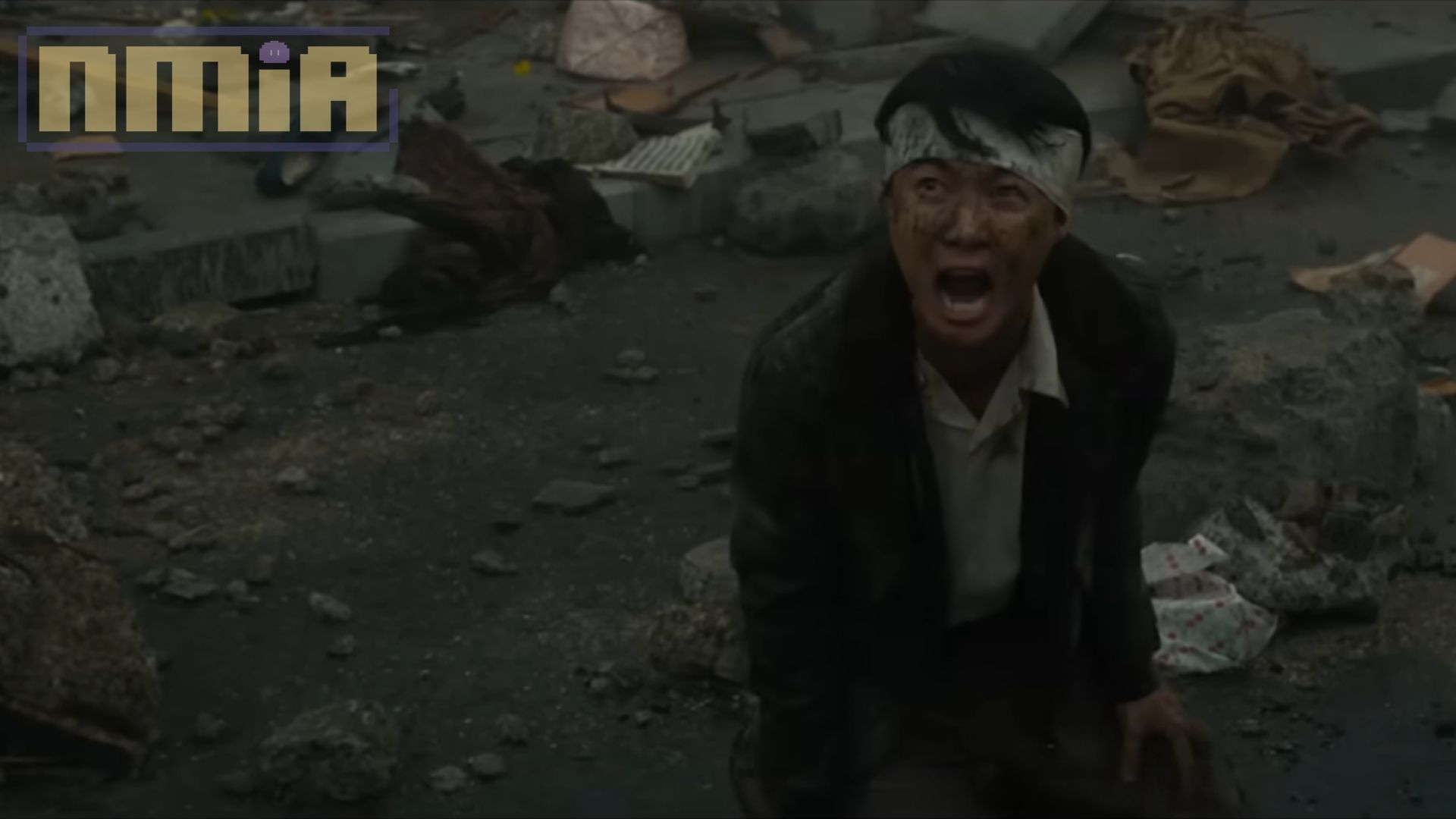
In the face of all this, only Koichi finds the moving on odd. The movie does such a good job of showing him trapped in the prison of his trauma- he can't even have his work friends over for drinks without suddenly snapping at someone just because they dared implied he might be happy.
I personally think that's the reason he seeks out the mechanic from Odo Island for the movie's final act. He expects a kindred tortured soul, someone who's been through the same hell he has and probably also thinks that both their suffering would be alleviated if Koichi just died in a plane crash like he was meant to.
And yet, against all odds, even the mechanic pulls through. In the final operation against Godzilla, he saves Koichi by out-engineering the Japanese aeronautical standard of the time with an eject seat. It's why I think his re-introduction to the movie is its strongest point- at the very end, the closest thing to a kindred spirit to Koichi is absolving him of his torment by letting him live.
Not To Discredit Godzilla Of Course
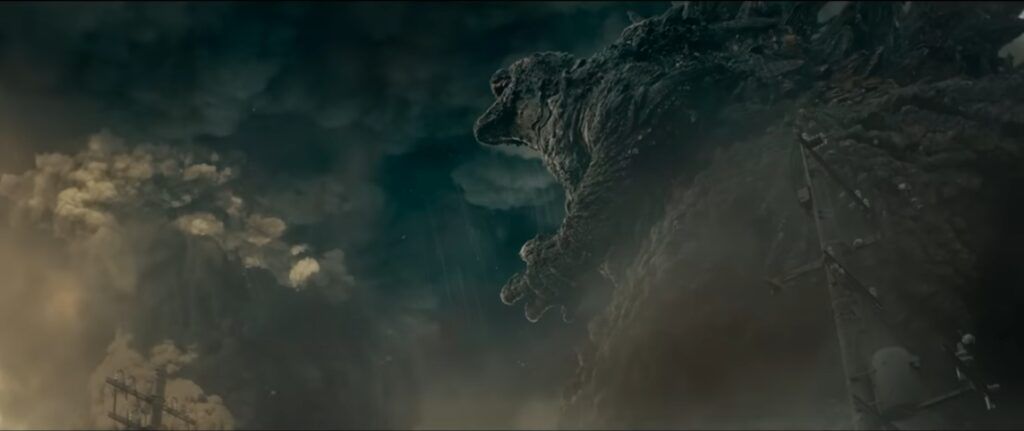
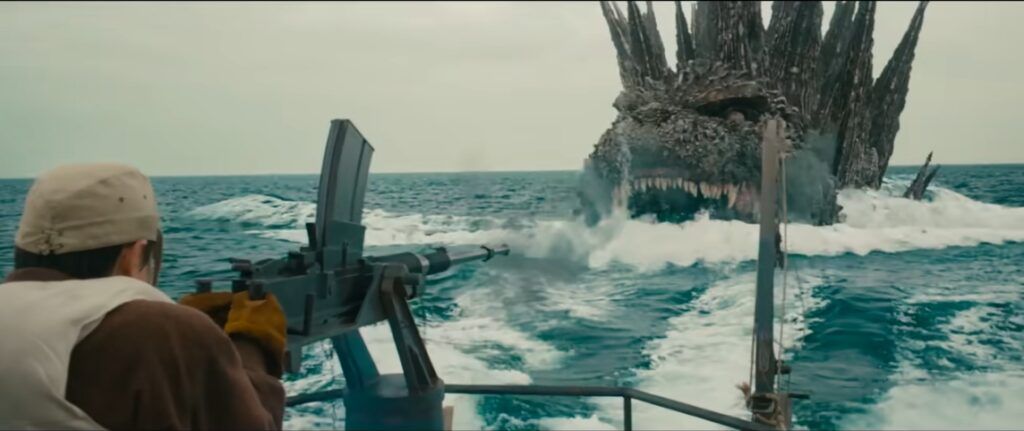
Don't get me wrong, Godzilla in Godzilla Minus One is amazing. I love the way he's presented as a threat that Japan simply wouldn't have been prepared for on the best of days, even less so in the years after the bomb dropped. As movies overdose on all manner of special effects there's a joy to just seeing Godzilla smash apart a city with his bare hands, only firing the atomic breath as a special treat.
But I do think it's Koichi's suffering that really sells Godzilla Minus One. Unlike Shin Godzilla, which features Godzilla morphing into new forms to counter the population or the Monsterverse Godzilla, who fights other Kaiju, the rigidness of Minus One makes sure that you never think about anything other than the movie's main message: to have to choose to be better even when the odds are stacked against you.
Godzilla Minus One is available now on Netflix and I honestly believe it's worth every bit of hype surrounding it. It's drama, it's spectacle and it's one of the most recognizable monsters of the past century all rolled into one clamityfest out to ruin Koichi's life.