 Slimepress
Goldpact Goblins Explains How They Want To Help Indie Games In The Region
While "Developer service firm" is a nice thing to call it, what's in the nitty gritty of what Goldpact Goblins actually does? We sit down with President Goblin Iain Garner to find out.
Last week brought with it the news that ex-Neon Doctrine founders Iain Garner and Vlad Tsypljak had started Goldpact Goblins, a developer service firm aimed at helping developers get their games out the door.
Announced at GameDev Summit 2026, the duo, alongside a new, dedicated team promised a simple deal: a lot of experience on their end, and whatever you need for your game on yours.
Goldpact Goblins Services
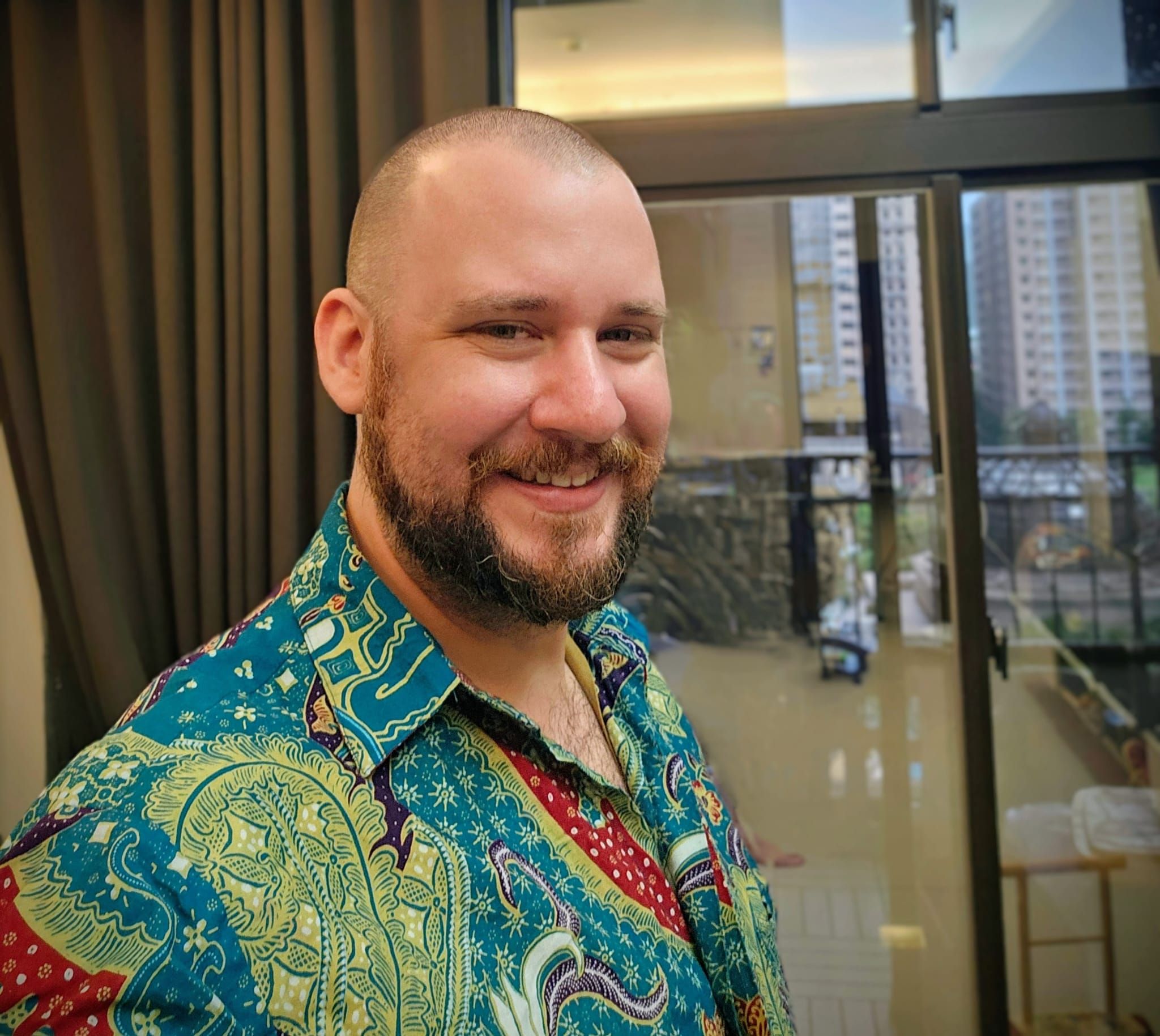
Presenting themselves as a little bit of anything (that's not a publisher), the firm covers a variety of services that might solve problems indie developers in particular face. While that can be a bit of a broad purview, Co-Founder Iain Garner was nice enough to break down some examples of what they're already up to:
Community Management - each game is given a designated community and social specialist who works with the teams to build their own community under the game/developer control. This means that the work we do specifically benefits the developer. We also work hand-in-hand with the developer so that they understand the necessity and get experience working with the community.
Marketing – We help developers deploy their marketing budget in effective and meaningful ways. As we are working with lots of partners repeatedly and have good connections throughout the industry, we are able to make the developers money work harder for them than they can by themselves. We also include no-cost marketing such as using our network of journalists,and influencers to push for coverage at launch. We do not charge extra for press releases and media outreach like most agencies and include activations as part of our monthly retainer.
Business Development – We work to find opportunities for our partners or help them manage opportunities secured before our arrival. For example, we have developers who are getting strong platform support but the requirements for that support pulls them away from core development tasks. In this case we take over the lion’s share of that work to ensure the dev can focus on their game.
We also seek opportunities for our developer and are incentivized by taking a percentage off the top of these deals. This means that we don’t get paid any extra without success but are motivated to push hard to secure interesting deals.Production Support- We have a producer who monitors and has regular meetings with the development teams to make sure that we are on track and flag when things are not looking like they will fit with the current plan. This is important because so many developers can accidentally end up in a doom loop of never getting marketing done because they never get the game to a place they are happy to present. We can spot this very early and adjust. Traditional marketing and PR firms do not offer this . We are good at this and want to avoid spiraling costs.
He also didn't shy away from the pricing model that Goldpact Goblins is using, which covers both retainer and consulting positions:
"It depends on what they are looking for: we offer two basic structures. One is a full service monthly retainer where we provide production, marketing, community, and business development support", Iain says. "This is expensive by nature (much cheaper than our western counterparts but beyond what the average indie in SEA can afford) so this is an option for developers (or partners) who have resources/funding. I would say the best time to bring us in is when you are ready to start pushing hard for launch. 6-12 months before launch".
"The other service is bespoke consulting services that can be charged based on hourly or day rates. We have a sliding scale depending on regions and can really work to keep these costs LOW for small developers. This is great for helping out with pitch decks, providing feedback on publishing agreements, helping with a Go To Market strategy etc. It really depends on what you need", he explains.
One thing he did throw in was a promise of no impossible promises:
"One thing that’s important to note is that we will not be pushing services onto desperate developers. This is reflected in our mission and values. If someone comes to us and asks for help with something that simply cannot be done, we will say no", he notes.
Building On Past Experiences
Given the team's experience in co-development as well as publishing games, Iain described the method as a sort of refined version of what they'd been doing prior- Neon Doctrine had been quite involved as publishers, helping games signed under them with resources like co-development for titles like My Lovely Empress.
"What we are building at Goldpact Goblins is a way for us to work the way we like with a simplified business model that allows us to do what we love to do and what we are good at", he says.
"To be super frank, this is new and it will change and evolve over time. We are constantly checking in with our developers to make sure they feel the impact of our support and that they are satisfied with what we have done. What I can say is that we’ve managed to do a lot in a very short time with this new model and I am very happy with the results so far".
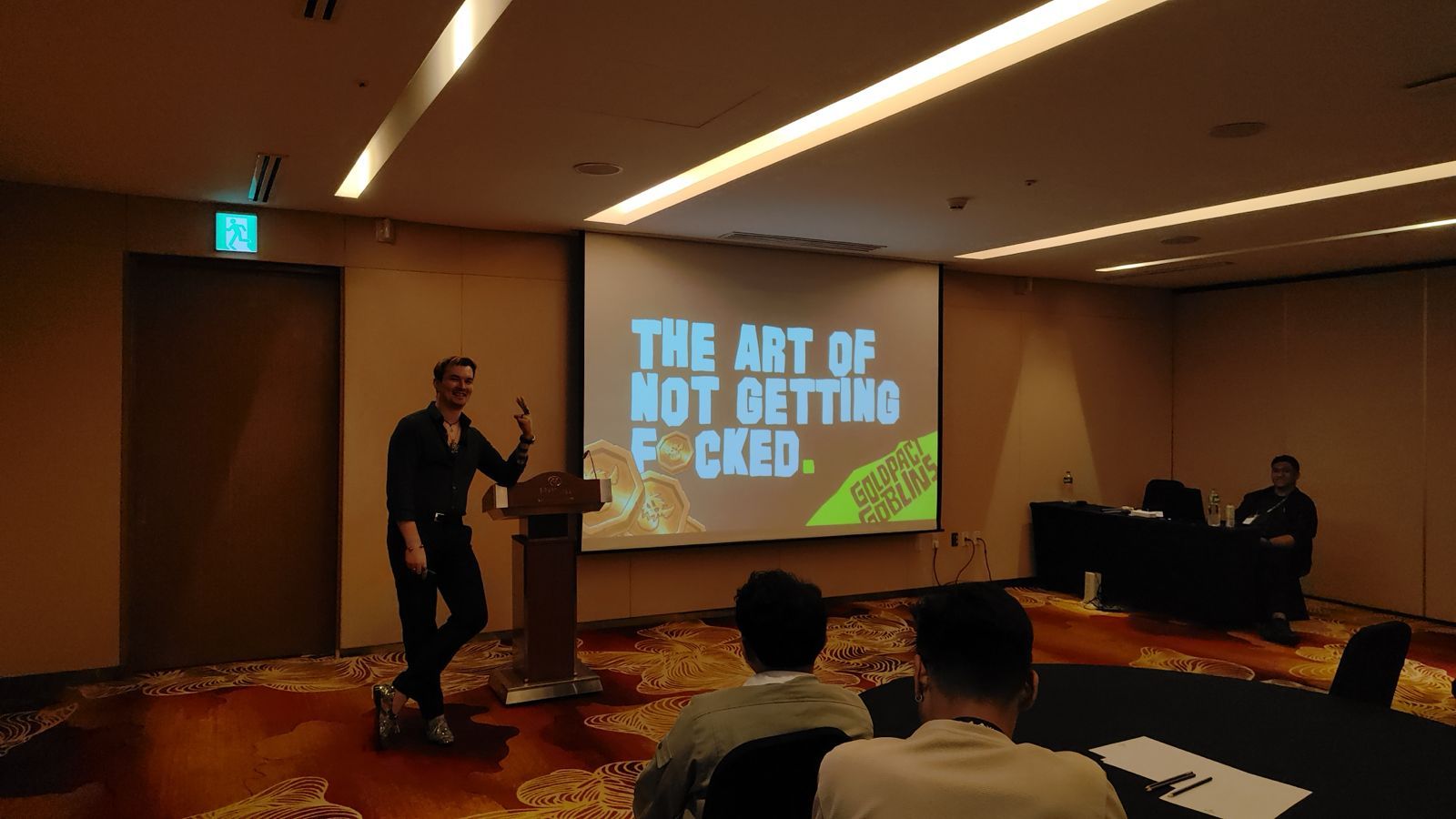
But why do something new at all? Well, part of it has to do with the industry itself. For those not in the know, publishers make back their money spent supporting games via a recoup deal: while a dev and their publisher may have a 50-50 split, it will usually be split further in the publishers favor (say, 70-30) until their investment is "recouped'. According to Iain, Goldpact Goblins refusal to take a revenue share model is a step around that- with developers simply paying for a service and getting it.
"The long story short is that funding games is more expensive now due to a turbulent world", Iain says.
"As a result, publishing deals are getting more aggressive and recoups are harder to attain. What we’ve seen repeatedly is that the developer has investors and publishers who take a big chunk of revenue, even after the platforms have taken their chunk. Often both are taking most of or all until they recoup (or in investor's cases 3x) and suddenly even if a game that did fine, the developer is not able to survive", he says.
"Usually there’s no ill will it’s just the consequence of a lot of moving parts that in the end crush the company with the least leverage", he adds.
Instead, he described the service as being targeted at developers who already have funding- acting within their budget instead of spending a revenue they can't guarantee.
"I think right now we are heading towards a huge reorganization and everyone is going to have to look deeply at their business models and how to adapt them to survive AI, low consumer spending, and the climate crisis. A small, flexible service model like ours is designed to be resilient and Vlad and I give zero fucks about infinite growth. Our motivation is a strong business that pays the team a good wage. That’s it. That gives us a lot of flexibility in how we approach what’s to come", he says.
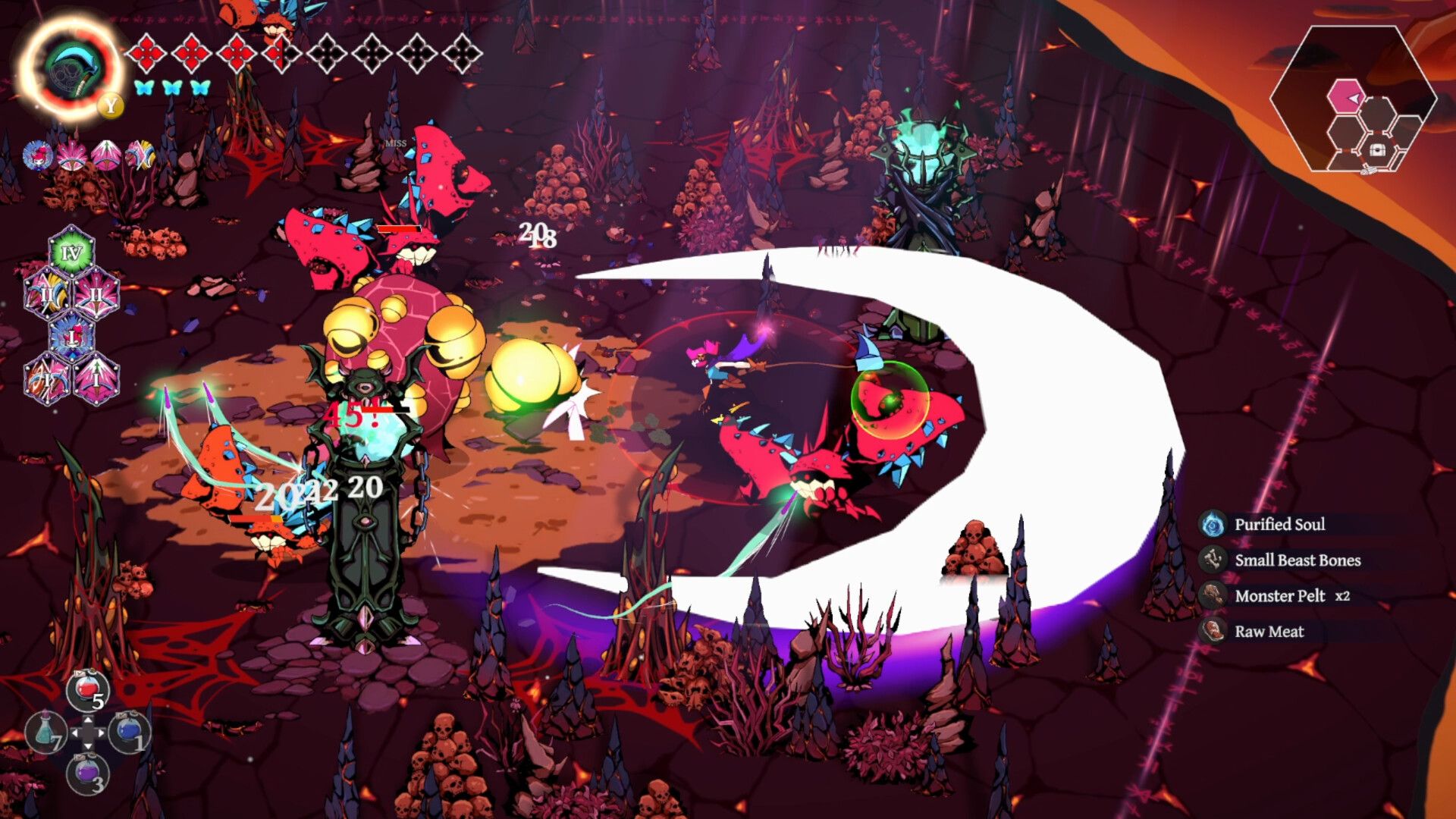
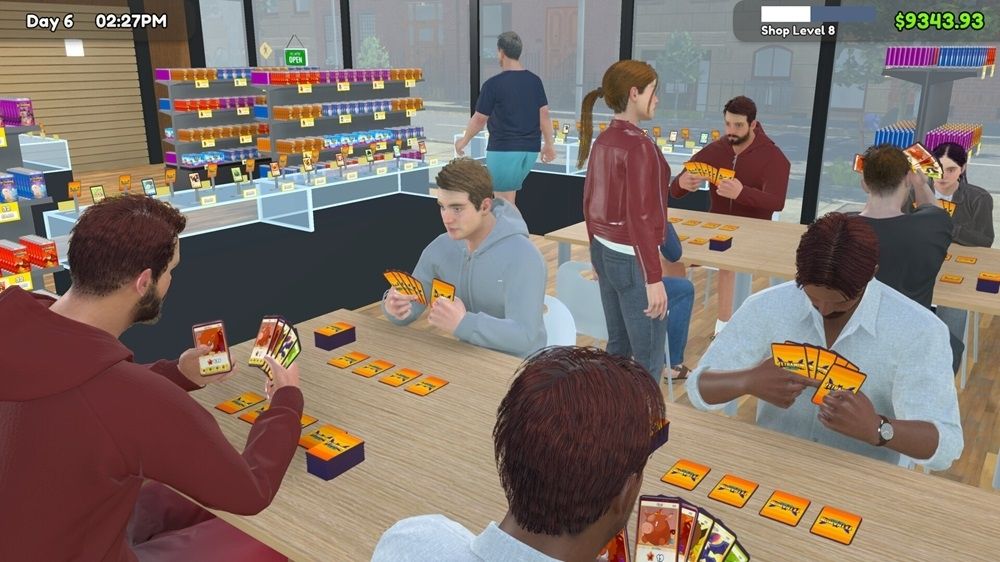
While the firm was only announced last week, the two have announced they've already been hard at work: they've been contracted to assist with multiple games in the SEA region, from viral hit TCG Card Shop Simulator to upcoming roguelike Grim Trials- the fruits of which can be seen in the latter's Steam Playtest.
As Iain talks about the rocky state of making a buck in the gaming scene, ideas like this seem downright radical. Not to say that consultancy itself is untread ground, but more of the willingness to make something that requires multiple follow-ups to lock down what exactly it is. He's also made it clear that the future of gaming doesn't see publishers like EA suddenly replaced by a hundred Goblin-Likes- there's some things you can do with a publisher, like access to dev kits, and other things that make more sense to do with a smaller structure like the Goldpact Goblins team.