 Slimepress
How Tekken 8’s Fahkumram Puts The Spotlight On Thai Culture
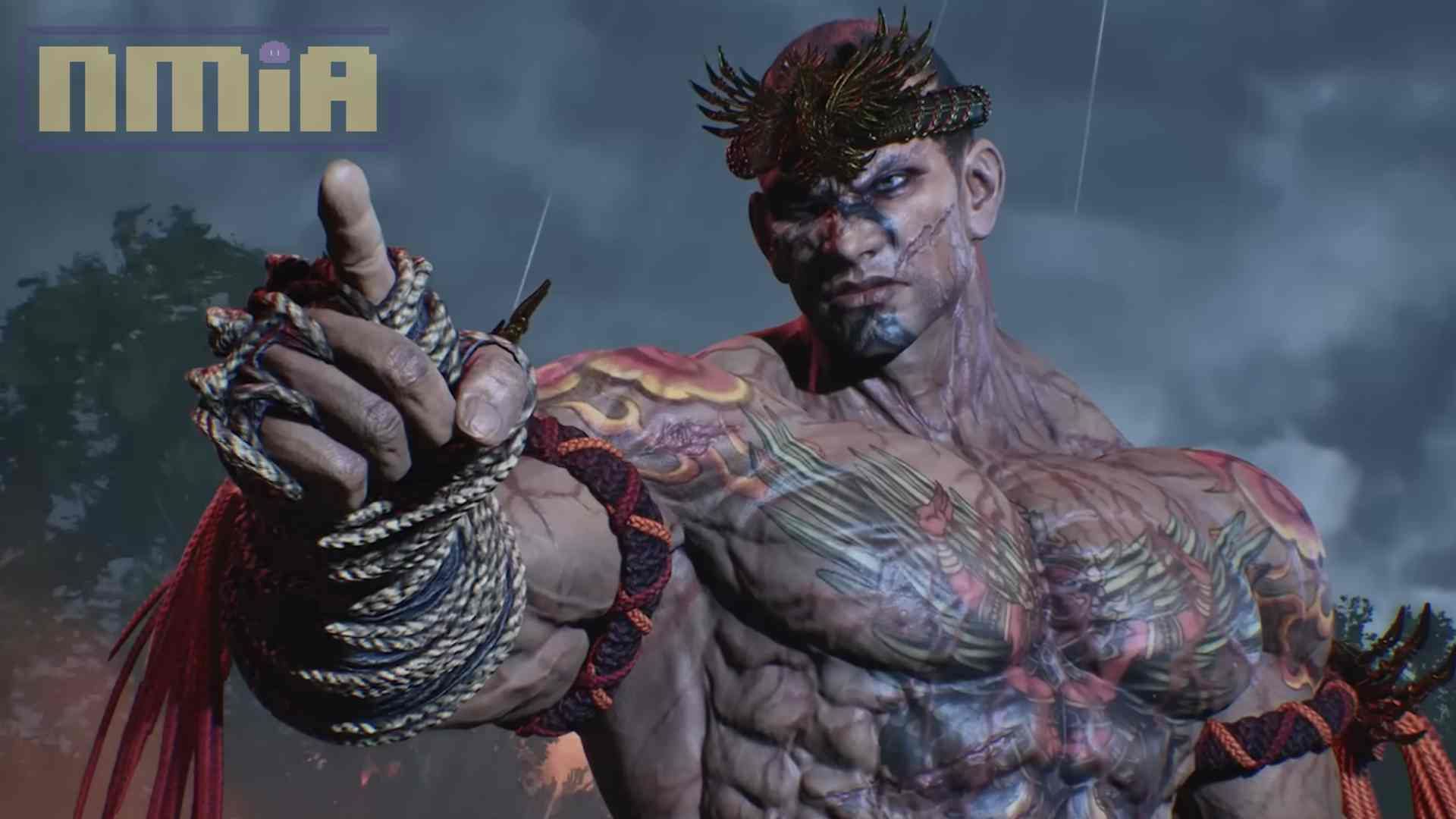
Fahkumram is a divisive Tekken character, to say the least. While many on the receiving end of his ballistic offense hate having to deal with a relatively simple game plan, those of us in the spectator seats get to revel in an undeniable fact: He’s some of the coolest SEA representation in a video game. [...]
Fahkumram is a divisive Tekken character, to say the least. While many on the receiving end of his ballistic offense hate having to deal with a relatively simple game plan, those of us in the spectator seats get to revel in an undeniable fact: He's some of the coolest SEA representation in a video game.
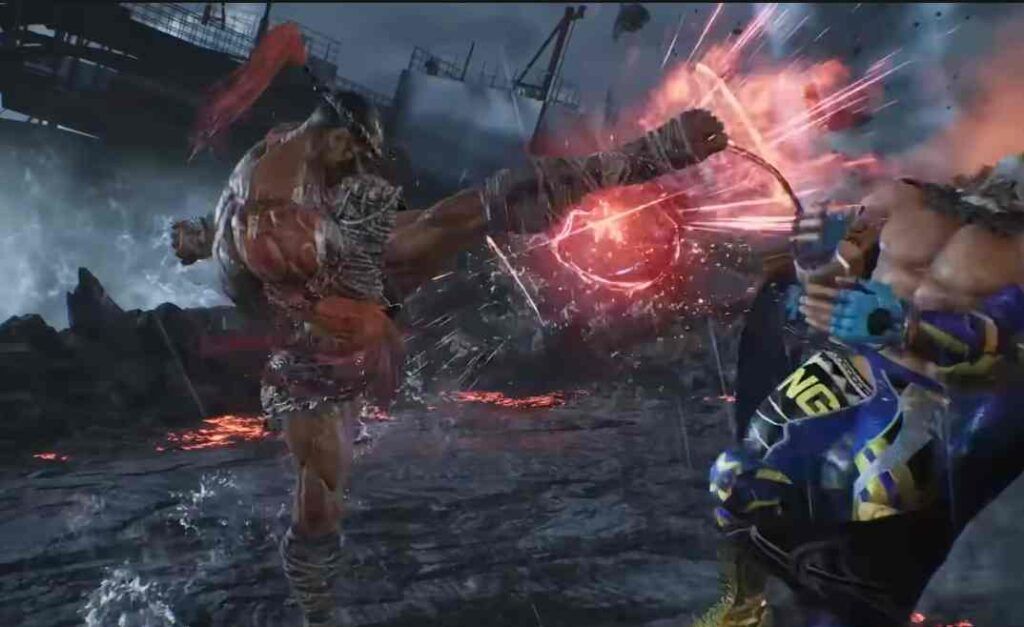
Armed with a brutal arsenal of Muay Thai moves, Fahkumram's return in Tekken 8 has given the developers to take a second pass at his design. Personally, I'd noticed the more bird-like adornments in his default costume- assuming it was a reference to the Thai Game, a breed of rooster that may as well be known as the Fahkumram of Cock Fighting.
Surprisingly, that wasn't the case- speaking to the development team for Tekken 8, they said the visual motifs of Fahkumram swung a little more… mystical.
Family And Tradition
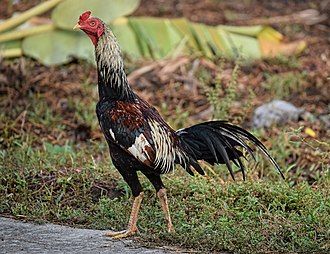
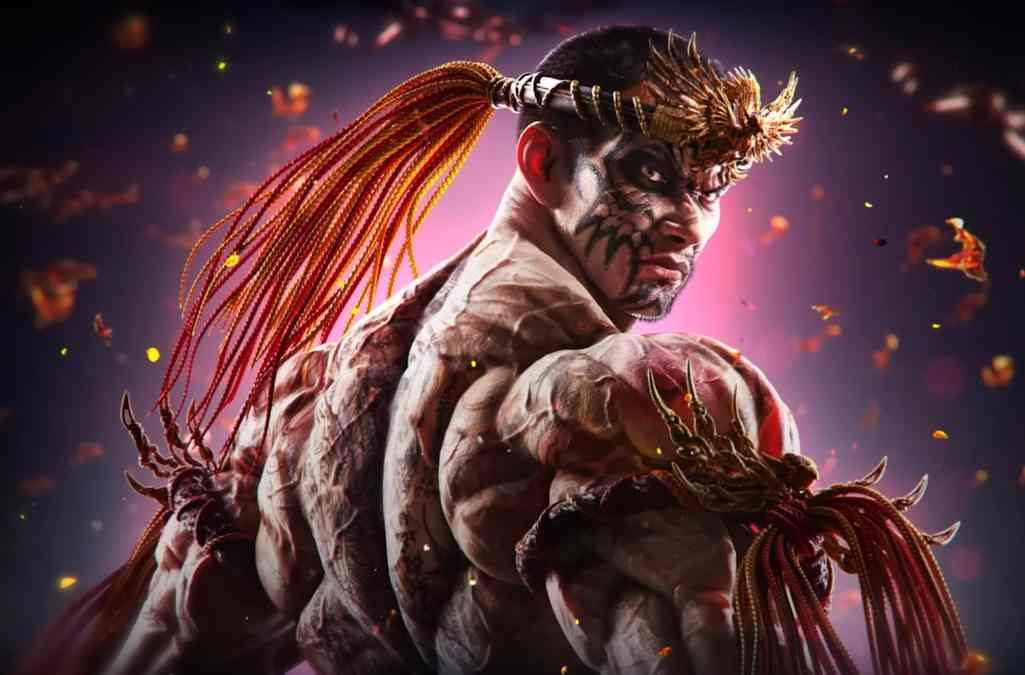
"I am aware of the special significance of the rooster in Thai culture. However, the design for Fahkumram was based solely on Garuda. It started with the tattoo on his chest for the initial design in TEKKEN 7, which itself was loosely inspired by the tattoo on Suakim, who helped with motion capture originally", the development team responds.
Naturally, when you have a motif that works you've got to ramp it up in the sequel. Apparently what I'd mistaken for rooster imagery was a Mongkhon, an important part of Muay Thai culture.
"For TEKKEN 8, we reworked the overall design of the character, and the design team chose to further bring Garuda-inspired design elements to the forefront, as you can see with the design of the Mongkhon, as well", the developers continue.
"The threads that flow from the Mongkhon and Pra Jiad are slightly longer than what you usually see, but we thought it would really make the character stand out in motion. The coloring was influenced by that of his chest and shoulder tattoos".
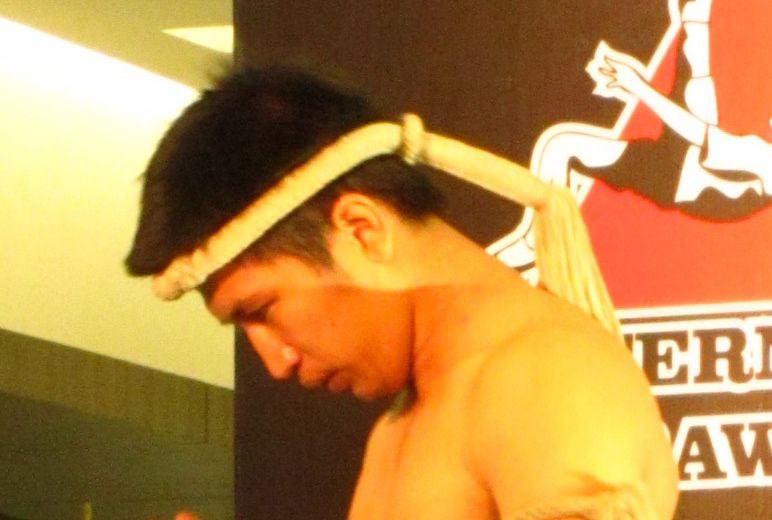
Reader, I must confess. I know nothing about sports, let alone Muay Thai. Just seeing the words Mongkhon and Pra Jiad sent me down a rabbit hole, wondering why in all my conversations with guys who casually drop that they do Muay Thai, none of them had ever said these words.
In my reading I'd learned that these were pretty much the best things you can add to Fahkumram's character: the Mongkhon is a sacred piece of headgear, worn during the Wai Kru rite- a prayer and dance before the fight. It's a big part of Muay Thai tradition, and can be viewed as a symbol of the martial art itself- fighters are given a Mongkhon by their gym's owner as a sign that they'd become strong enough to represent their masters, and the prayer recital as the gym owner takes it off is symbolic of the bonds formed between teacher and student.
While it's not like you ever see Fahkumram with a clique, the way Tekken treats his strength would have you believe that someone had to train him that way. And even if the Mongkhon isn't typically worn into the match, him having his could be seen as his connection to his roots.
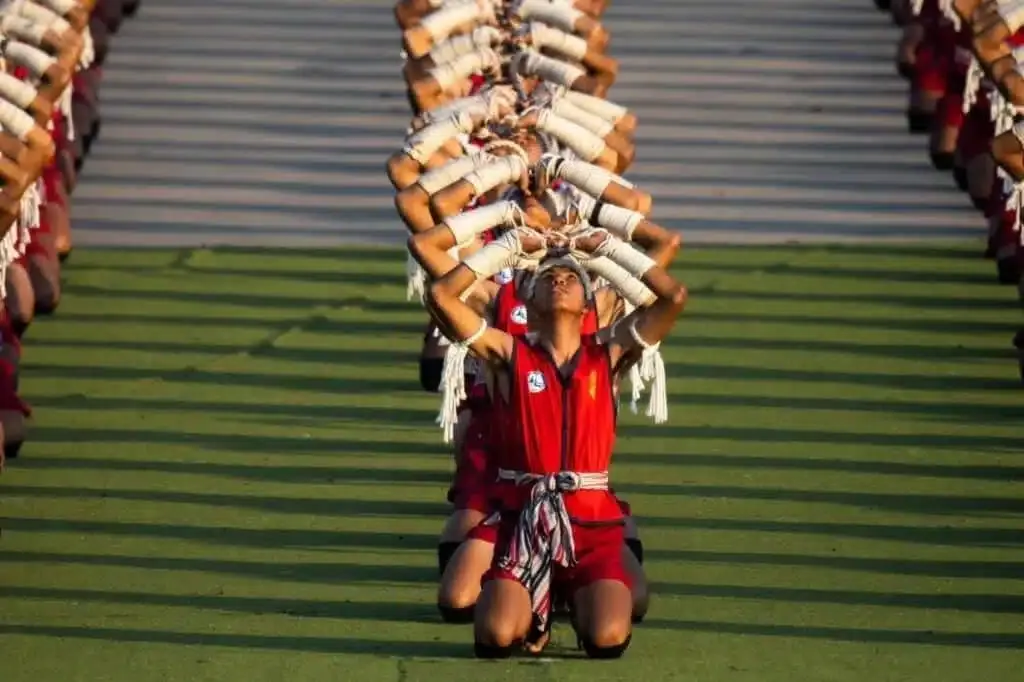
Meanwhile, the Pra Jiad can represent the people the fighter is fighting for- the tradition started with mothers giving fighters part of their sarong to remember them by before they head off for combat. Just like the Mongkhon they are traditionally blessed by monks- meaning they shouldn't be allowed to touch the ground.
While modern Pra Jiad aren't necessarily made from family posessions they still represent that core element of culture surrounding Muay Thai- you're not just in this for you. It's about being a part of something bigger, and showing gratitude for the people who took care of you.
Given how much of Fahkumram's own story revolves around his family, it's exactly the kind of sentimental thing a big lug like him would do- though the team didn't elucidate if his arm bands specifically came from his wife or not.
Giving Fahkumram A New Tattoo
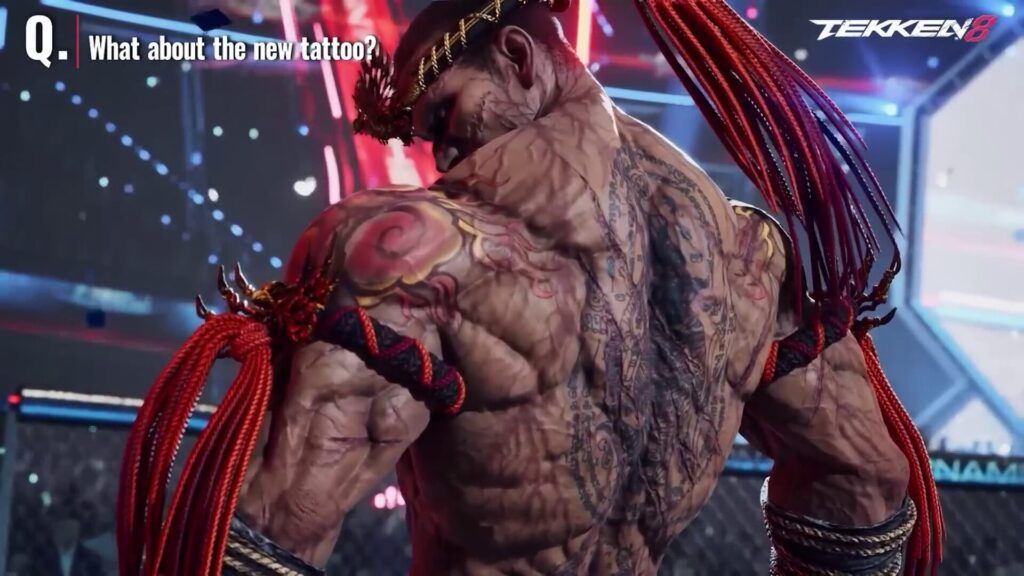
There's also his new tattoos- while Fahkumram had a lot of universally cool tattoos in Tekken 7, his makeover for Tekken 8 gave the team a chance to throw in even more cultural representation by giving him Sak Yant- a specific type of Thai tattoo meant to protect the person who has them.
This wasn't just about sketching based off a "Vaguely Thai Imagery" Pinterest board, however- a Sak Yant isn't just any kind of tattoo. Instead, like so much of the culture around Muay Thai, it's built on acknowledging the masters of different fields, and a real Muay Thai fighter will have theirs designed by monks- with every element being a component of a spell to protect the fighter.
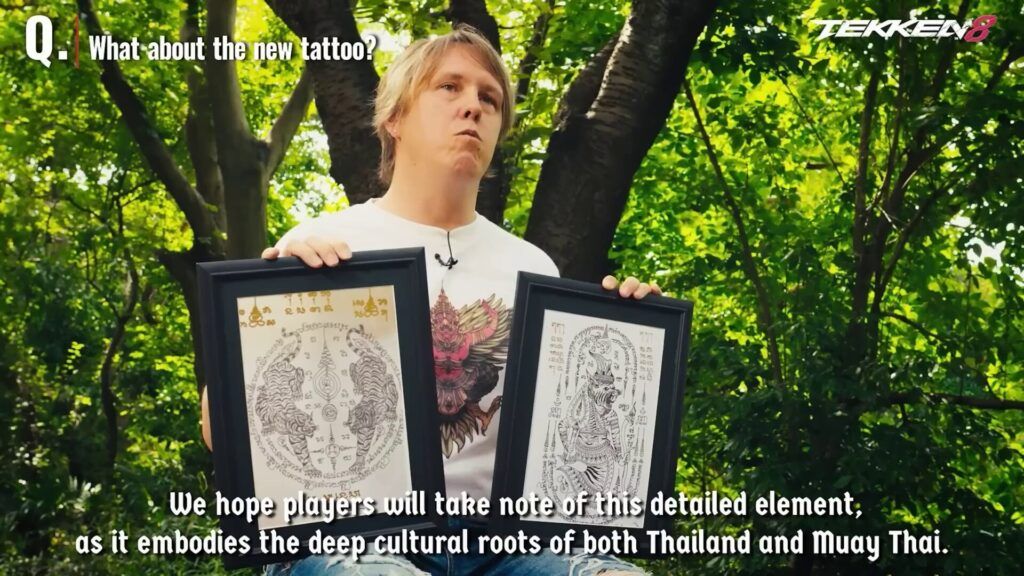
True to this nature, the development team said that they had sought out the help of a real monk to design Fahkumram's Sak Yant, too.
"After talking with the director Nakatsu, we really wanted to add this element when we redesigned him for TEKKEN 8", the development team said. "So, I asked Pakorn (a famous Thai fighter who was at my gym at the time) to show me his Sak Yant tattoos, and said he knew just the right person that would be willing to create one for our character".
"However, the monk was pretty far in the mountains from Bangkok, so I asked the owner of my gym (Nakagawa-san) to help us with this project. When Nadaka had a fight in Thailand, Nakagawa-san went to the temple, showed the rough sketch of the character design to the monk, and asked him for an authentic Sak Yant. Nakagawa-san brought back a very intricate design that was perfect for the character. The dev team and I were quite pleased with the results!"
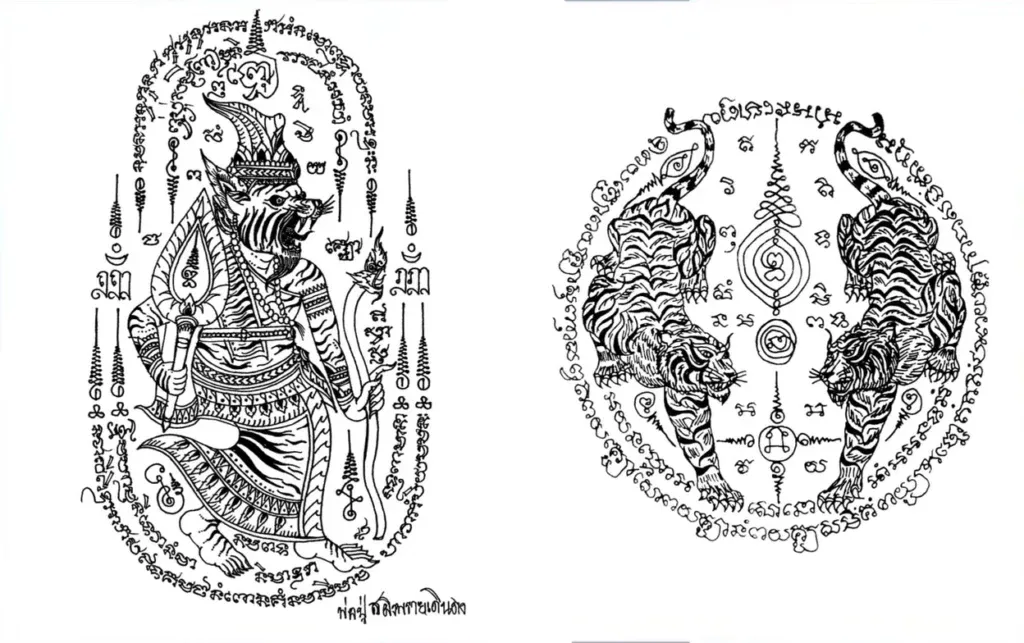
While the team didn't go into the specific components of Fahkumram's Sak Yant, the broad strokes are easy to understand- tigers are common imagery when it comes to Muay Thai Sak Yant, symbolizing strength and power, while also protecting the fighter.
Personally, I've always loved any kind of character design that leads to an educational rabbit hole. Art is a transformation of all the elements of an artists' life, and anything that opens a window into a new world is immediately all the richer for it.
To some, Fahkumram is a neat shorthand of all the things that make something Muay Thai. To others, he's a treasure trove of cultural components- highlighting the richness of SEA and more specifically Thai culture.
That kind of connection is part of what's kept the character relevant: he's not just Thai representation, he's the kind of character that people would want to look up to, or at least admire.
While Tekken may be a world of devil genes, boxing Kangaroos and chainsaw robots, there's a depth to it when it decides to borrow from our world instead. Just this week we got a look at Miary Zo- opening up a whole new world of what Madagascar martial arts looks like.
Either way, it's great to have more games designed in a way that makes the real world all the more interesting.