 Slimepress
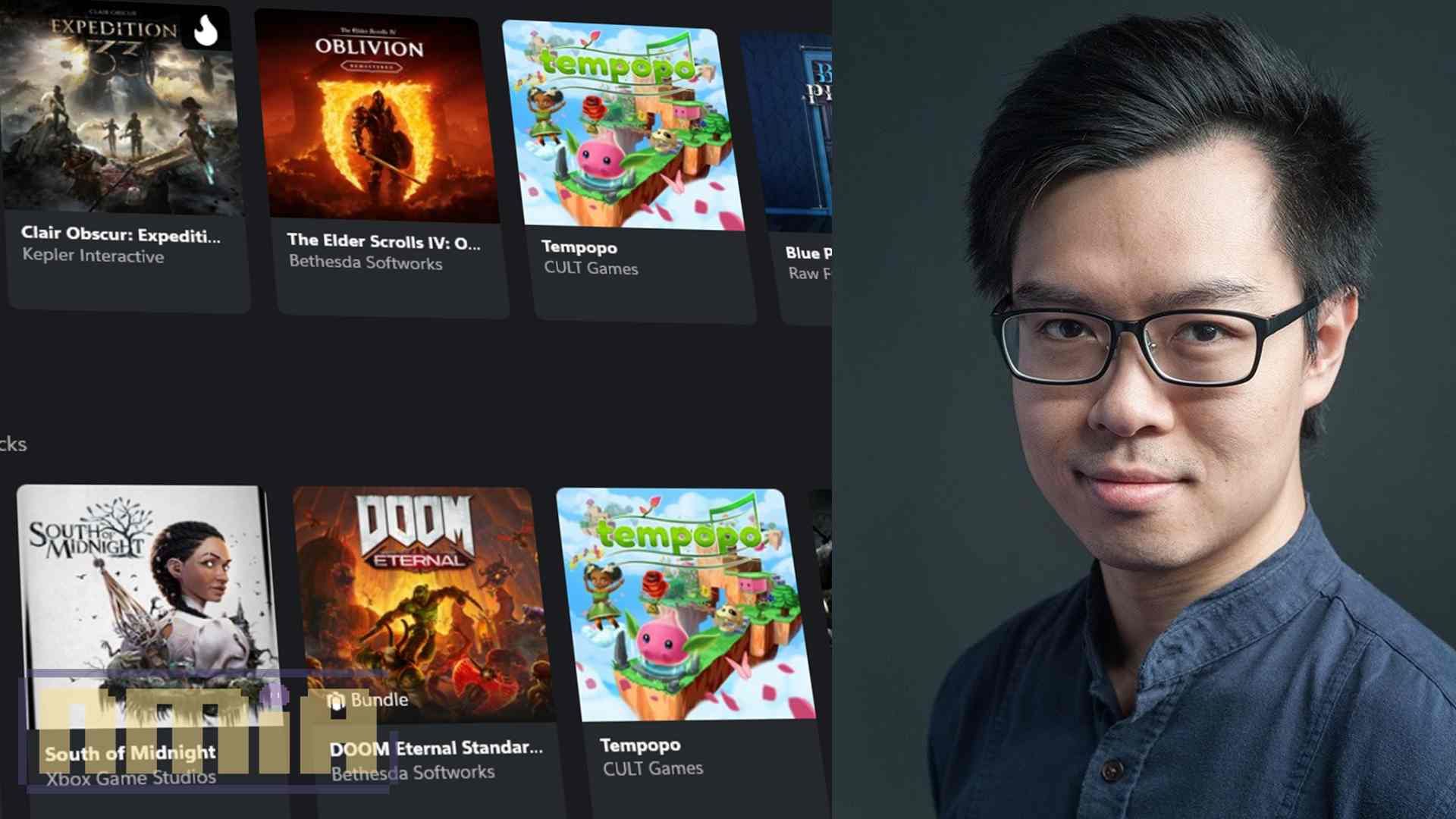
One of the most common misconceptions a gamer can make is assuming it’s all just triple-A. There’s a whole world outside of big, multi-million dollar games, and as discussions about the price of the hobby intensify it’s always important to remember that for every Ferrari there’s about 15 Sedans. Jun Shen Chia, Xbox Strategic Markets [...]
One of the most common misconceptions a gamer can make is assuming it's all just triple-A. There's a whole world outside of big, multi-million dollar games, and as discussions about the price of the hobby intensify it's always important to remember that for every Ferrari there's about 15 Sedans.
Jun Shen Chia, Xbox Strategic Markets Lead for SouthEast Asia, Taiwan and Hong Kong caught up with us at Indie Jam 2025 to talk exactly about Xbox's role in an ecosystem that's going to demand better indie games. You'd think as a platform holder it's as simple as hosting games and accepting your sales cut- yet it looks like Xbox has quite a few chips on this emerging market.
Jun mentions that just this year alone we've had two critically acclaimed games from smaller studios almost back-to-back:
"We've got Blue Prince that has just not long ago recently released, and that has blown people out of the water for what a sort of amazing puzzle experience can look like", he says. "We [also] just had Expedition 33 last week, that launched, and that is an incredible indie game, JRPG experience, which [Nmia Gaming] also gave a great raving review of".
Funding Great Indies

It's not just about recognizing games though. According to Jun, Xbox is actively backing future critical darlings. Indie games can find more than just store space on the platform, with some games getting development funds from the company.
"We are very confident that the indie space is bright as ever, and obviously as Xbox, we're doing our part to sort of facilitate that through the ID@Xbox program, through the developer acceleration program, where we actually fund some of these games, and then more importantly, through Game Pass, where we're helping some of these games reach a wider audience. So I think we're very, very optimistic about the indie scene", he says.

Xbox's Developer Acceleration program is open to game developers at any level: from prototypes to games looking to hit one more platform, Jun explains that the grant accepts applicants at all stages.
"Whenever they're the most comfortable about what they have in front of them", Jun laughs.
"Personally, I am always open to speaking to developers as early as a concept stage. Naturally, depending on the developer and their capacity to realize that concept into something tangible, that's where some of the judgment decisions are made, but more often than not, I'm always happy to see what they have that they're thinking about, and how we can support even the realization of that"
"The developer acceleration program doesn't just support games that are almost ready to launch, we also support prototypes", he notes.
Getting Games Seen
Once those games are made, then what? It's not exactly a seller's market in the games industry right now. Every day hordes of games are released on Steam, and it takes an absurd amount of word of mouth before a game can break into the mainstream like Balatro or Blue Prince.
For Jun and the Xbox team, their solution is simple: pick out the best ones and display them.

"Curation is critically important when you are talking to millions of players around the world that play in our ecosystem, and helping them surface the games that we think matter, or we think that matters to the ecosystem is where we can facilitate some of that work", Jun says.
While this affects all games from pocket-sized indies to triple-A shooters, Jun also shared more about Indie Selects- a spotlight just for indie games on the Xbox platform. He also talked about something indispensable for Southeast Asian indies in particular:
"Something I'm personally proud of is that I was able to kickstart was the Creator tab for East, South, and Southeast Asian creators", he says. "On the Xbox dashboard, if you play on the Xbox, twice every month, this dash rotates in, and it's just a collection of some of the newest Asian games that have come out. And that is the best way for me to surface some of the new stuff from Southeast Asia that we are able to support and launch, and also stuff from the rest of the region".

Being able to spotlight the Southeast Asian games region is also something that happens much easier with Xbox having a regional team:
"Before I was in this role, you know, a lot of the time the conversations had to happen between Southeast Asia and like the US, right, where most of our marketing and like developer relations teams are situated. So for me to be out in the region means that I can afford and give people more time and in our time zone", Jun says.
"So if people wanna pitch to me their amazing game and that's 30 pages long, like over a call, I can do that very simply and easily without them having to lose sleep in the middle of the night or early in the morning. Imagine pitching your dream game at like five in the morning"
It's not just Xbox, either. The Southeast Asian region has been particularly unified in getting its games out there, with events like Indie Jam as well as the upcoming SEA Games Showcase- running alongside Summer Games Fest.

He also gave a highlight to SEAGameAesthetic- a curator who's been putting together the SEAGO showcase every year,
"[These are] good, positive signs that the Southeast Asian game scene is really taking off. And now it's really for us to step on the gas and for the right games to get the notice and the success so that we can build on that"
Stretching Money Spent On Games
Indie games and Game Pass are going to play an important role in the discussion around games in the coming months: as we see more discussion about the rising price of games, both the idea of smaller experiences as well as a subscription based platform to play them are going to be economic steps to weather a growingly luxurious hobby.
Jun says the catalogue-style approach is especially good for indie games- the subscription model means it's a single buy-in for all the featured games on Game Pass.
"The way we see Game Pass is that it's an opportunity for people who would have never thought to try a game like that, the opportunity to try it without having to pay for it upfront", he says.
"We think it's a great discovery tool, especially for a broader audience, and then for people who are really, really fans of the game, they will find ways to support it", Jun explains. "Either the indie game has opportunities for post-sales monetization through microtransactions, or in some cases, they will still go and buy the product and support the game that way".

"We've seen cases of that even through Xbox and Game Pass. So, we really like the way that we've set up Game Pass to offer more discoverability, but more importantly than that, to support the indie titles that people like", he concludes.
He also gave a tease for how Game Pass is doing in the SEA region. Considering the low purchasing power comparatively of some countries, unsurprisingly, a catalogue style selection of games is doing pretty well:
"The most I can say at this time is that we are seeing very good traction. It's doing very well for us since we launched it. And we also understand that in markets like Southeast Asia, PC is one of the primary ways people play, outside of mobile", Jun says.
With bigger and more premium titles launching every year, it's always good to have someone represent the smaller, more compact experiences. Games are just as much about the smaller titles as they are a massive 20-studio rat king of development, with some of the biggest titles being born only of the kind of flexibility afforded a more modest team.

Meanwhile on the development side, these games can only be made with grassroots support, From events like Indie Jam where developers are sharing tips, job opportunities and even perspectives on game development, it's a community where everyone's working together to hit their goals.
It's always nice to see when big publishers jump in to join that effort- a boost both monetary and visibility wise means a lot in these spaces, and having teams like Jun's watching the space is a good way to make sure the next big game gets its time in the spotlight.
Our thanks to Jun for chatting all things indie games with us, as well as Indie Jam for hosting him and various other talents from across the regional games industry.