 Slimepress
Marathon Review — This Starship May Not Be for Everyone, but It’s a Unique and Thrilling Marathon Nontheless
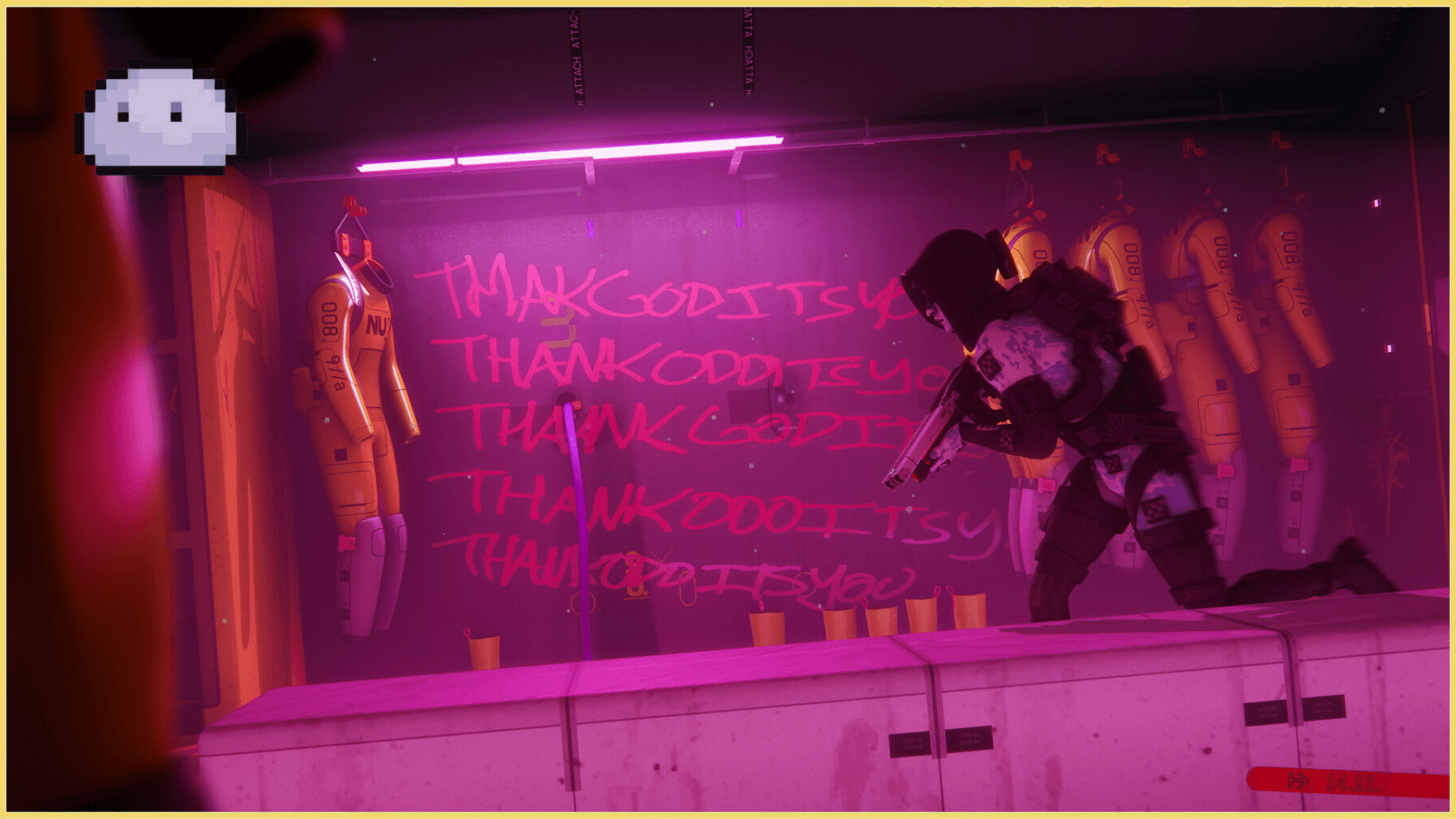
I’ll be honest, I didn’t have high expectations for Bungie’s Marathon at first. The long development cycle, art controversy, and mixed pre-release vibe made it hard to feel confident. I’m also not usually someone who actively plays extraction shooters.
But I have to admit, those early trailers did a pretty good job selling Marathon’s world, it had a certain style that made me curious. Then after a few weeks of actually playing it, I found myself slowly getting pulled in.
Marathon definitely has its issues, but its pacing and overall style can suddenly hook you in certain moments. You start to understand why some players get addicted, and at the same time, why others drop it quickly. It’s a very polarizing game.
What’s undeniable, though, is that the foundation is strong. Bungie’s signature gunplay is still here, great feedback, smooth movement, and a solid combat rhythm. Every run, from picking up contracts to looting and finally extracting, builds tension step by step. And when you actually make it out alive with valuable gear, the sense of payoff feels very real.
Of course, the game isn’t without problems, and some of them do affect the experience. But calling it just another “broken multiplayer shooter” doesn’t feel accurate. It’s more of a game that really depends on the type of player you are.
If you’re willing to learn its rhythm and embrace that high-risk, high-reward loop, it will reward you. But if you’re just looking for a quick, casual shooting experience, it can easily feel frustrating, or even boring.
At the end of the day, Marathon isn’t trying to please everyone. It has its own pace, its own personality, and a very clear audience. If it clicks with you, it’s incredibly addictive; if it doesn’t, you’ll probably drop it after just a few matches.
Title: Marathon
Developer: Bungie
Publisher: Bungie
Platform: PlayStation 5, Xbox Series X|S, PC
Release Date: March 6, 2026
Marathon's Story and Setting
I still have to emphasize this: the most appealing part of Marathon for me is its art direction. The visual identity is extremely distinctive, and it’s clear from the first glance that the game is backed by a strong, well-defined artistic vision. That minimalist, corporate-cold sci-fi design language fits perfectly with the world, with a strong sense of consistency across the UI, environments, and faction design.
The maps also make heavy use of high-saturation colors. Some areas are almost uncomfortably bright, but that intensity gives the game a striking visual impact and makes it highly memorable. It’s the kind of style you don’t easily forget. Even the early trailers already communicated this visual language and tone very clearly, it was obvious Bungie had both ambition and confidence in this aspect.
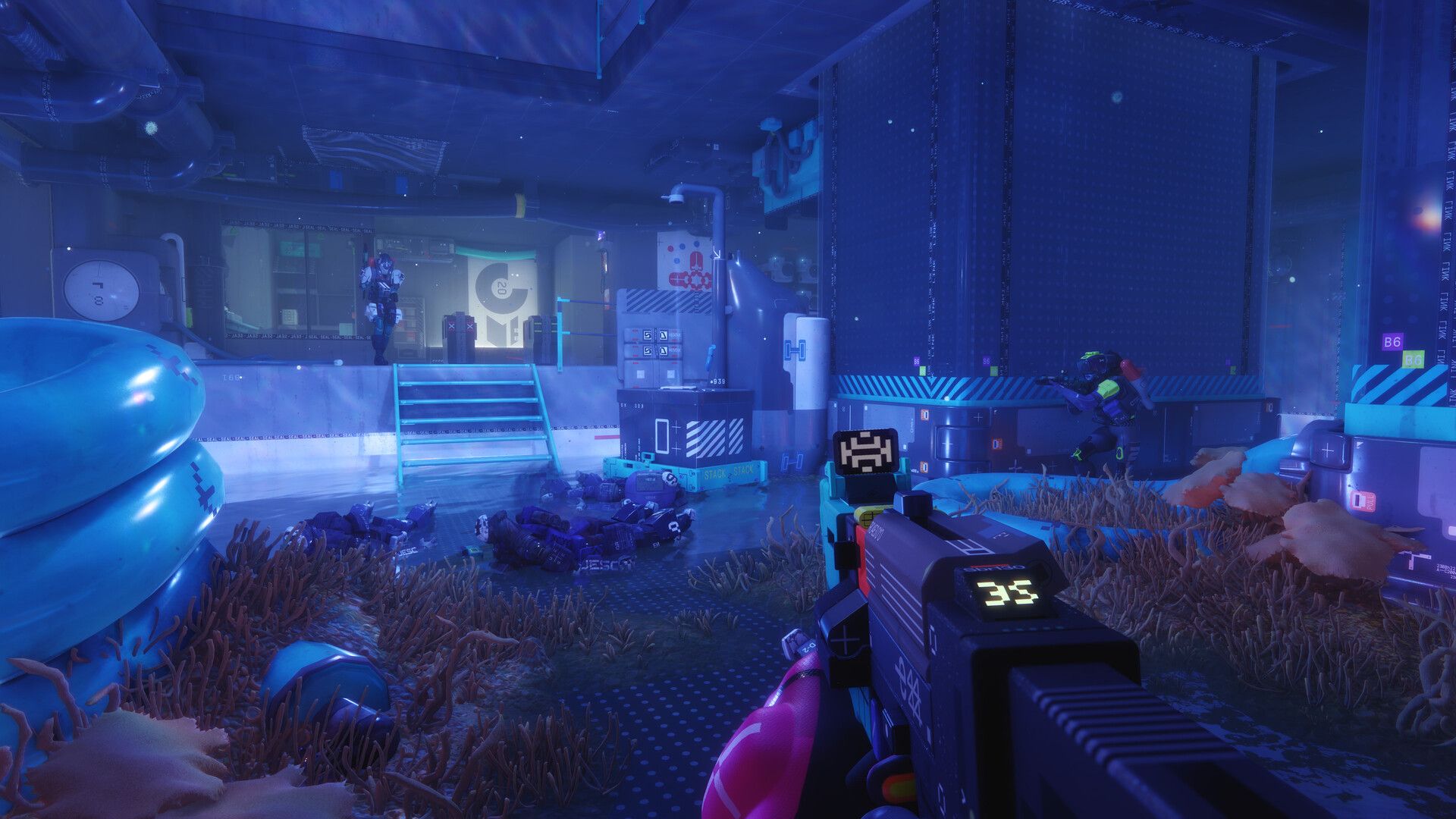
In many ways, they succeeded. You could say the “shell” of the worldbuilding is extremely well-crafted and instantly eye-catching. But precisely because the exterior is so strong, it makes the storytelling feel comparatively restrained.
There are very few in-game cutscenes. Most of the narrative is delivered through those slightly cryptic talking-head portraits, which often feel more like they’re presenting information rather than immersing you in the story. I can understand Bungie’s intent here, Marathon is clearly designed around a fragmented storytelling approach.
The game features multiple factions, each offering contracts tied to objectives you complete during runs. These not only provide rewards but also reveal pieces of background lore. You’re expected to piece together the world gradually by reviewing these details. Over time, this approach does start to work. Personally, it wasn’t until I began running missions for Traxus that I found myself thinking, “Okay, this faction is actually pretty interesting.”
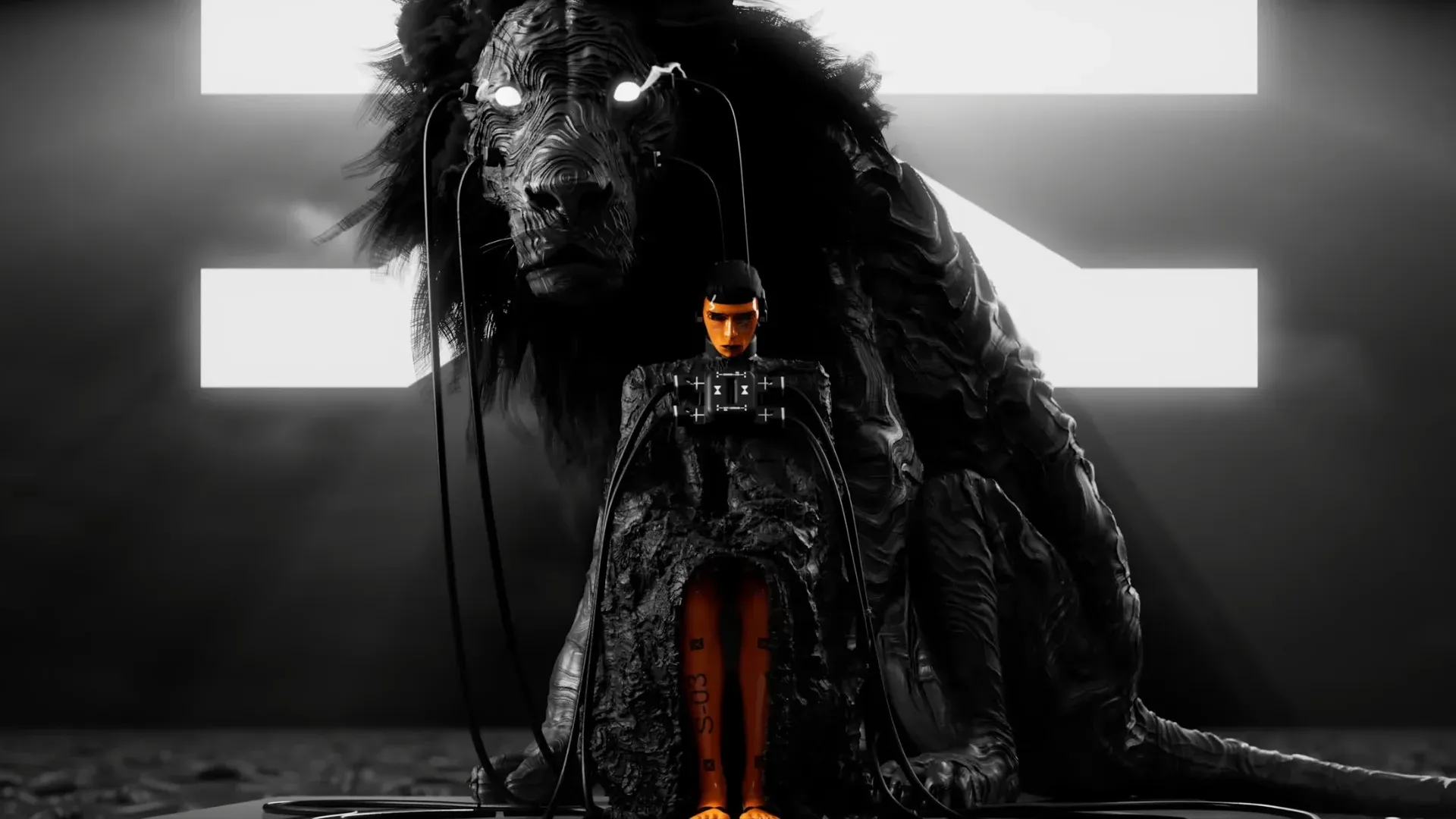
Still, this style of storytelling lacks immediate impact. It leans more toward slowly building understanding rather than pulling you into the narrative right away. At present, most story elements still come from logs scattered throughout the map, presented in a very traditional terminal-style text format. In some ways, this feels like a deliberate nod to the 1995 original, but by modern standards, it also leaves you wanting something more immersive and cinematic.
The world itself, however, is rich. Even the name “Marathon” directly points to the core of the series, it’s not an abstract concept, but the massive colony ship known as Marathon, and it was the central setting of Bungie’s original trilogy back in the 1990s.
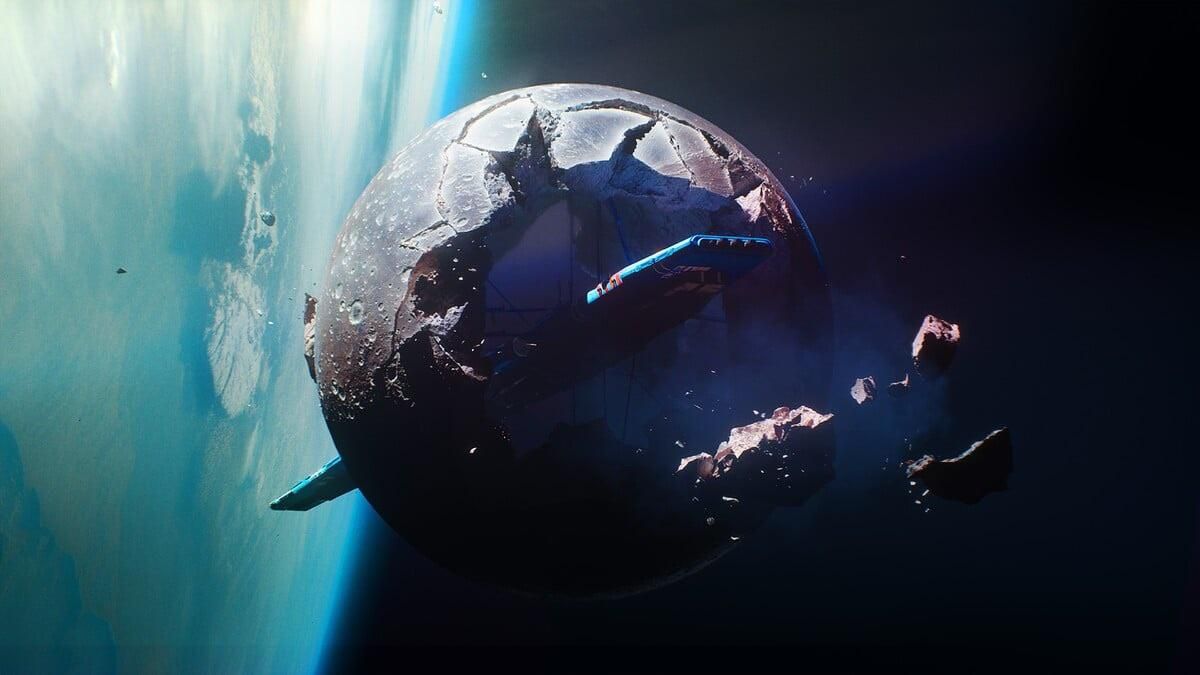
In terms of worldbuilding, the colony ship Marathon originally left Earth around 300 years ago, with the goal of establishing a settlement on Tau Ceti IV. In theory, this should have been a major milestone in humanity’s expansion into space. But things quickly went wrong. Not long after arrival, the Marathon lost all contact with the outside world, and the entire colony vanished along with it, becoming a long-standing mystery.
This new entry essentially picks up from that “lost history.” Centuries later, multiple factions return to Tau Ceti IV with one clear goal: to find out what really happened. But that investigation quickly turns into something far more dangerous: a race driven by resources and information.
As a Runner, the character you control isn’t some heroic figure. You’re just one of many operatives thrown into this ongoing conflict, acting as a disposable agent in a larger power struggle.
Looking back at the original games, Marathon has always centered around two core conflicts: the breakdown of onboard AI systems, and the invasion of alien forces. That combination, technology gone wrong plus an unknown external threat, has always defined the series’ tone. And while the new game presents its story in a more fragmented, player-driven way, those core elements are clearly still there.
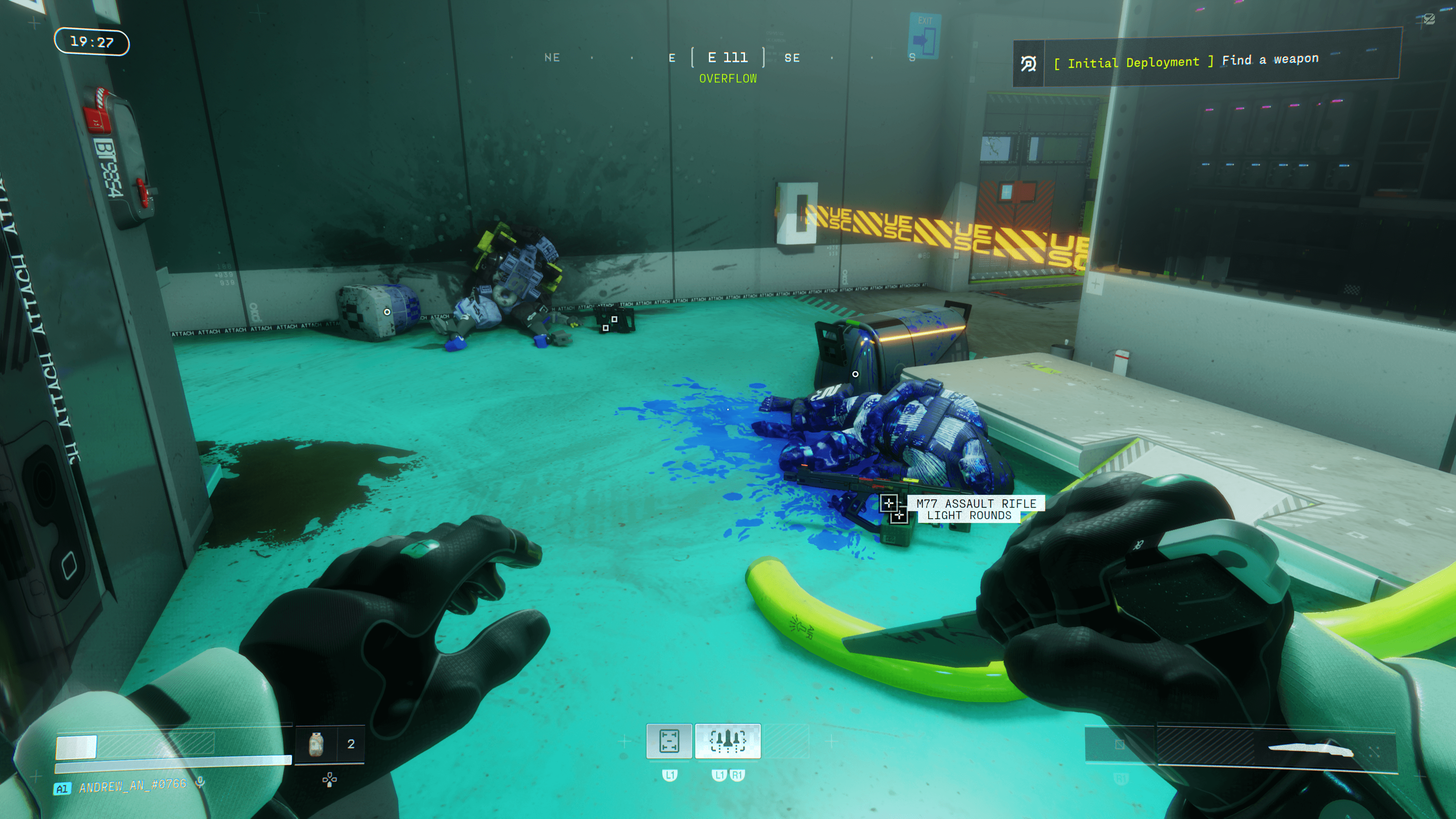
In other words, that colony ship that disappeared 300 years ago may have never truly gone silent. Every mission you take on, every piece of data you recover, is essentially part of uncovering that buried history. The closer you get to the truth, the more it feels like some things might have been better left undiscovered.
Overall, Marathon’s story feels like something worth digging into, but not necessarily something that pulls you in right away. The core ideas are strong: a lost colony ship, a corporate gold rush centered on Tau Ceti IV, and the player as a Runner, a consciousness placed inside a synthetic body, working for six competing factions and ultimately being used up.
It’s a solid framework. But when it comes to how that story is delivered through gameplay, there’s still a noticeable gap.
Marathon's Core Extraction Shooter Loop
At its core, Marathon’s gameplay loop is actually quite simple: gear up, drop in, gather resources, survive in a PvPvE environment, and extract safely.
That loop works, and once it clicks, it delivers a strong sense of tension and payoff. Especially when you’ve had a good run and you’re carrying high-value loot, preparing to extract, the feeling of “if I die now, I lose everything” really kicks in. You’re constantly looting while staying on edge, fully aware that other players could show up at any moment.
And it’s not just players, the PvE AI enemies are no joke either. Don’t underestimate them. They’re divided into distinct roles, and they actively create pressure and noise, which can basically give away your position to others.
Making it out alive under those conditions brings a very real sense of relief and satisfaction. In that sense, Marathon absolutely nails the core appeal of extraction shooters: you’re almost never truly safe.
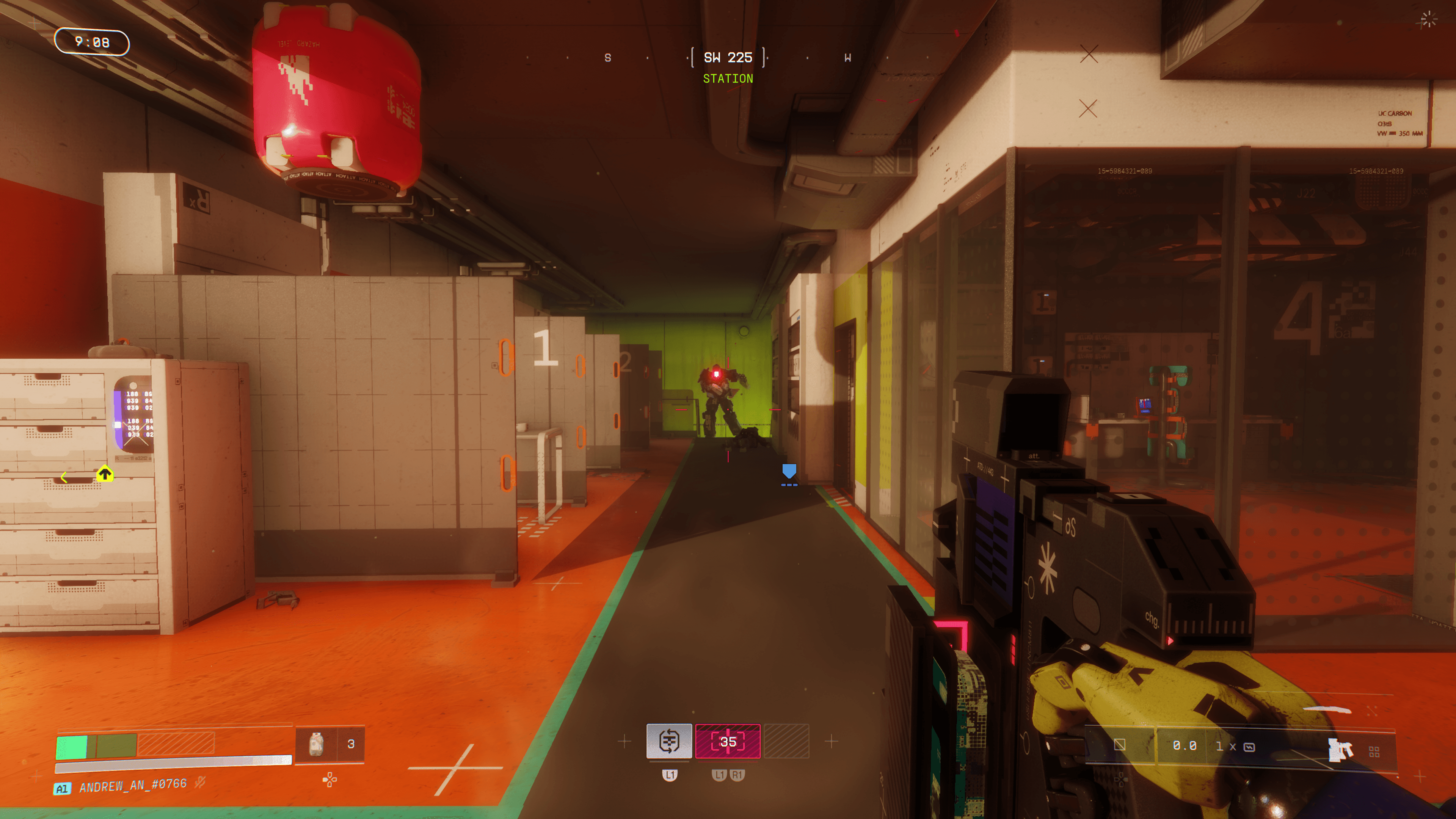
Now back to the contract system, they gives players a clear objective beyond just looting, but since you can only take one contract per run, it can start to feel a bit limiting over time. The focus is clear, but it also makes the experience feel somewhat repetitive, you’ll likely wish you could progress multiple objectives at once.
While the game does have the classic you lose everything punishment setup, the actual punishment doesn’t feel as harsh as expected. Because of that, the sense of risk never fully peaks, and the tension between risk and reward feels slightly muted.
During my time with the game, I did run into several moments where progress stalled, and most of them came down to the contracts themselves.
Multi-step contracts, in particular, can get quite tricky. Your safe window is very limited, you have to complete objectives quickly while constantly watching out for both AI enemies and other players. It’s a consistently high-pressure situation. Some of these missions clearly lean toward co-op play, which can be tough for solo players.
For example, taking down a commander and their guards consumes a lot of resources and easily exposes your position, often attracting even more threats.
That said, it’s precisely because of this difficulty that success feels so rewarding. When you manage to complete the objective and extract safely before everything falls apart, the sense of accomplishment hits much harder, and that’s easily one of Marathon’s biggest strengths.
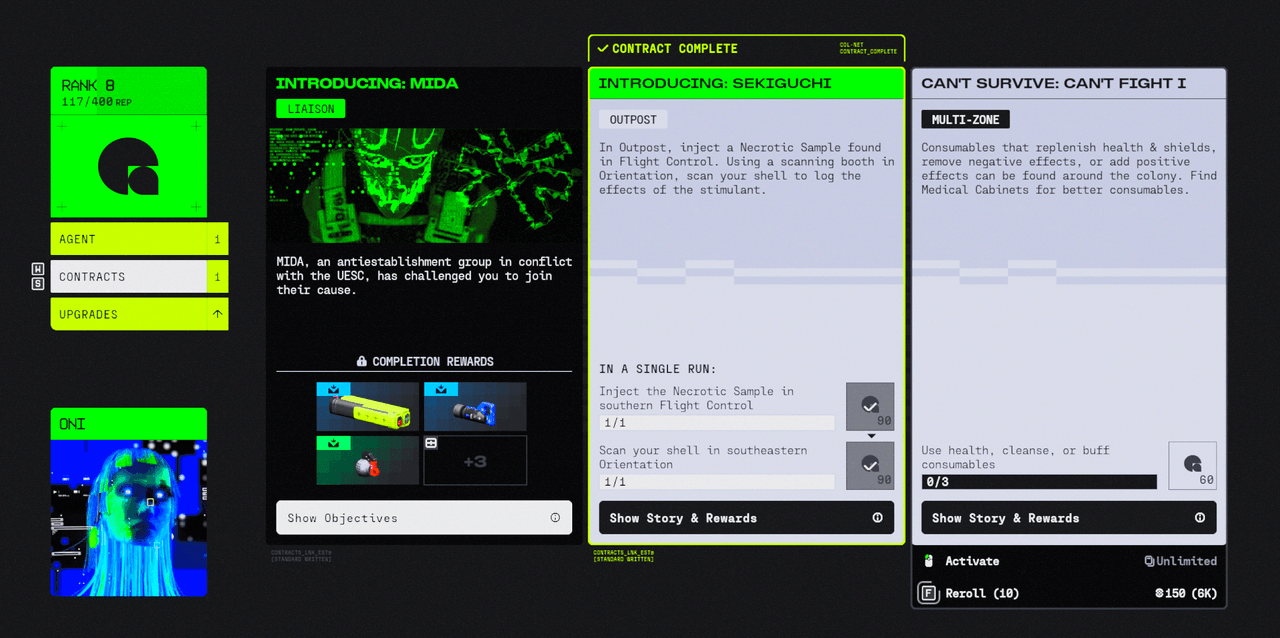
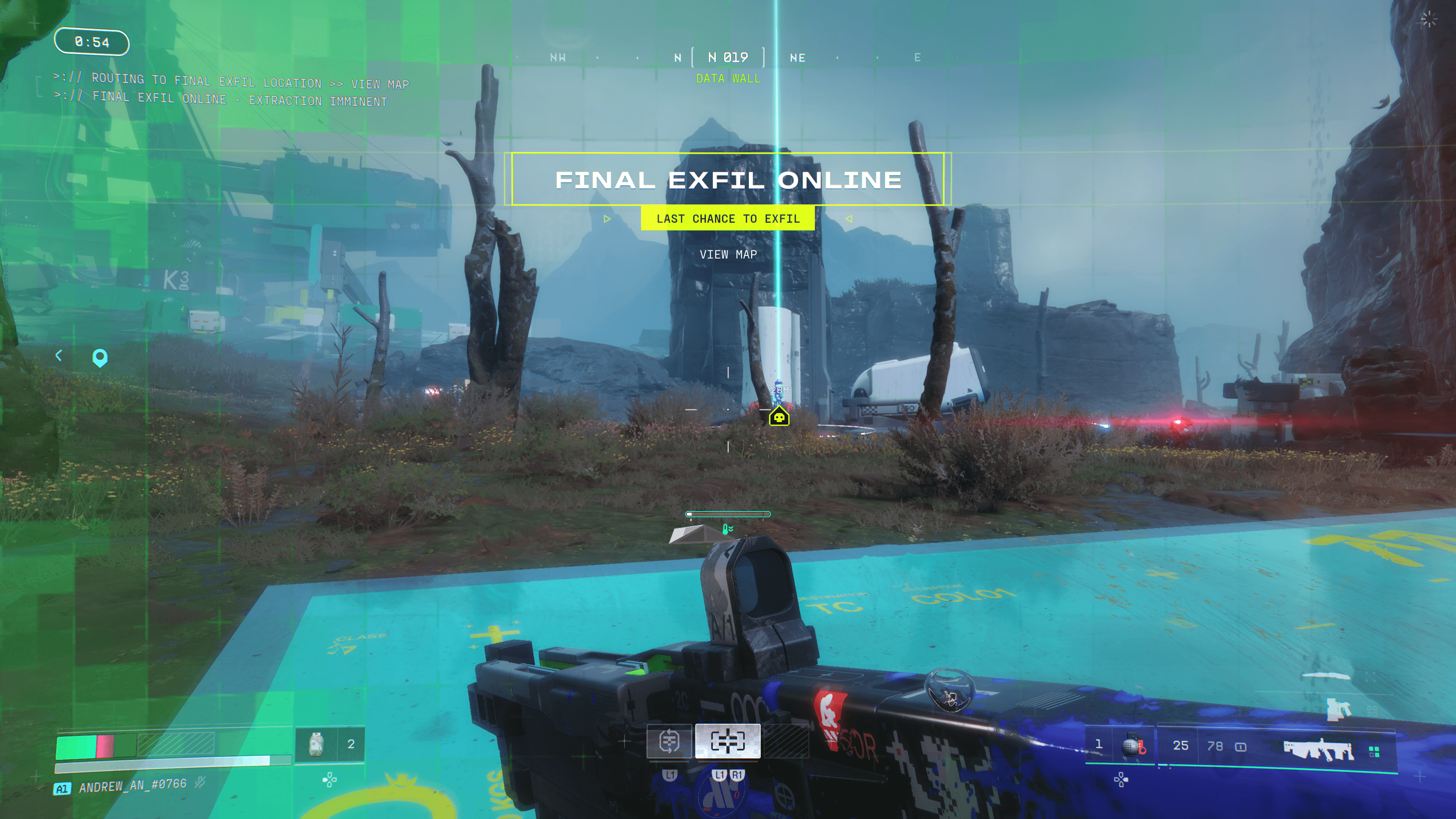
Another concern is the extraction points themselves. In theory, extracting is the most exciting and rewarding part of the loop, right? Like most extraction shooters, the game doesn’t reveal extraction points right away, instead, they appear after a countdown, leaving players to decide when to move and secure an exit.
But after playing for a while, a question naturally comes up: why not just camp the extraction points when they finally revealed? If that becomes the dominant strategy, the experience could easily shift from tense and exciting to frustrating instead.
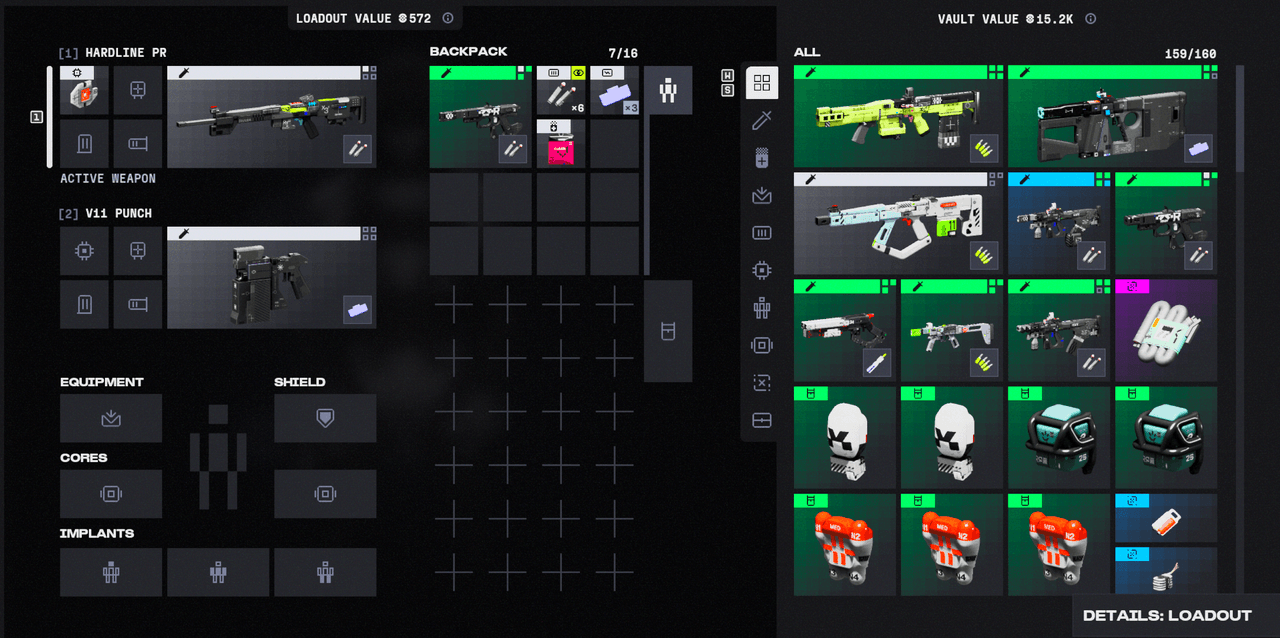
The gear system is a bit of a mixed bag here though. You can bring back weapons, implants, cores, and more from each run, then fine-tune your loadout back at base. The problem right now is that the information isn’t very clear. Most of the time, I found myself judging items purely by color, your typical gray, green, blue, and so on.
It’s simple, but it feels more like the player adapting to the system rather than the system being well explained. You do learn it over time, but it feels more like getting used to it than being properly guided.
As for the shooting itself, there’s really nothing to complain about, this is Bungie, after all. Gunplay is easily the most reliable part of Marathon. The feedback, hit response, and weapon variety are all solid. I personally liked the Overrun AR, which works great against both AI and players once fully built. The BRRT SMG is perfect for close-range aggression, while the Hardline PR can deal huge damage if you get the timing right. As you start putting together a proper build, combat becomes increasingly satisfying.
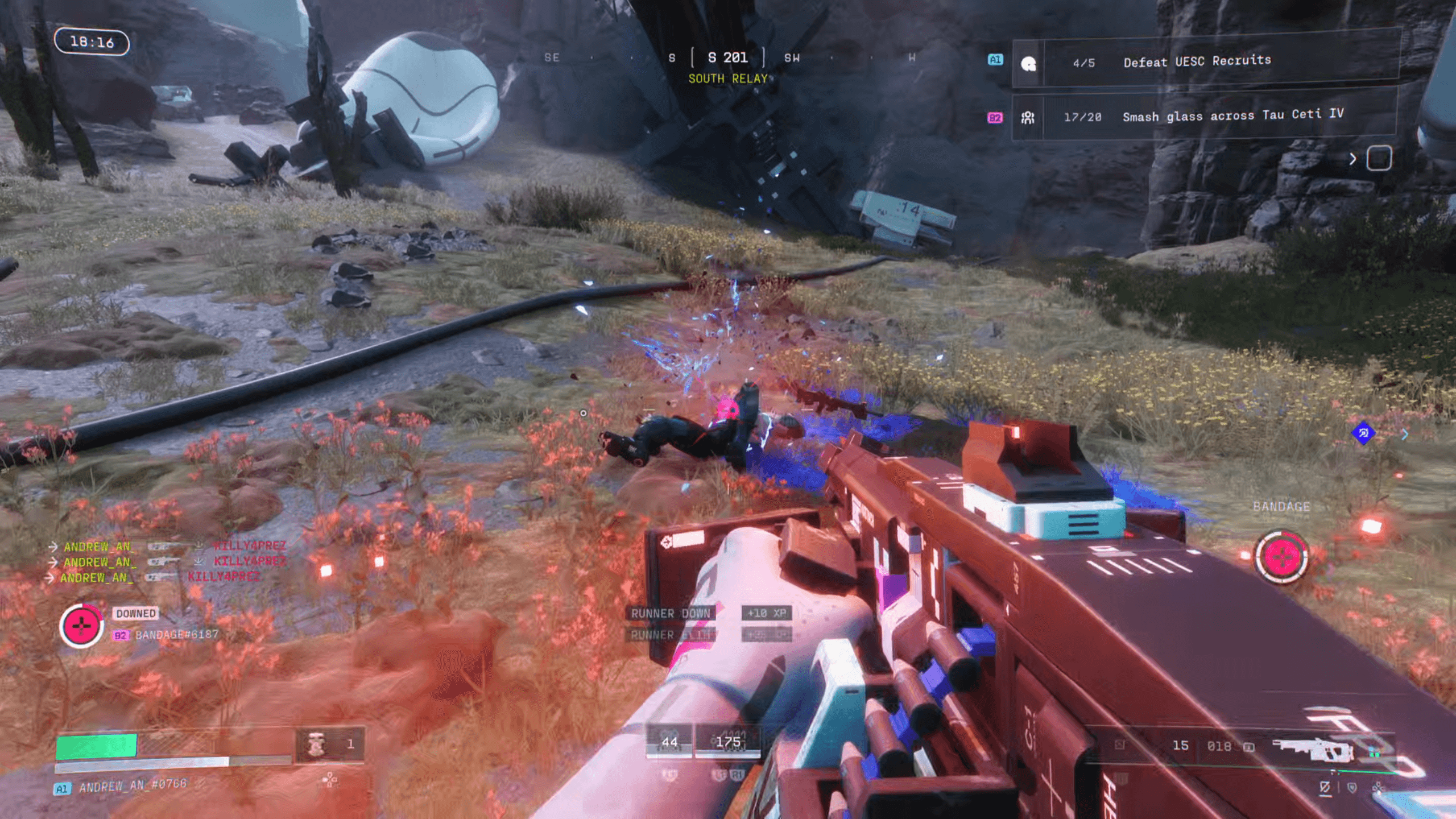
Being an extraction shooter, the pressure of losing everything is definitely there. You always know that one failed run can wipe out everything you brought in. That “one mistake and it’s all gone” feeling is a core part of the tension.
At the same time, the game doesn’t leave you completely exposed to that pressure. It offers a buffer system called Sponsored Kits. Before each run, you can take a free set of basic gear provided by the game, enough to handle most situations. The trade-off is that this loadout is completely separate from your own stash, essentially giving you a “safe but limited” option.
In practice, I ended up using Sponsored Kits most of the time. The reason is simple: it reduces pressure and makes it easier to learn the map, understand the pacing, and experiment with different approaches. You don’t feel punished for mistakes, which encourages more freedom in how you play.
But that’s also where the real tension begins. As your stash slowly grows, you start asking yourself: is this run worth the risk? Should you bring in better gear for higher rewards?
And that internal struggle is where Marathon gets really smart. It doesn’t force tension through punishment alone, it creates it through choice. You can always play it safe, but the most addictive moments are when you decide, “this time, I’m going all in.”
Marathon's Solo vs MP experience
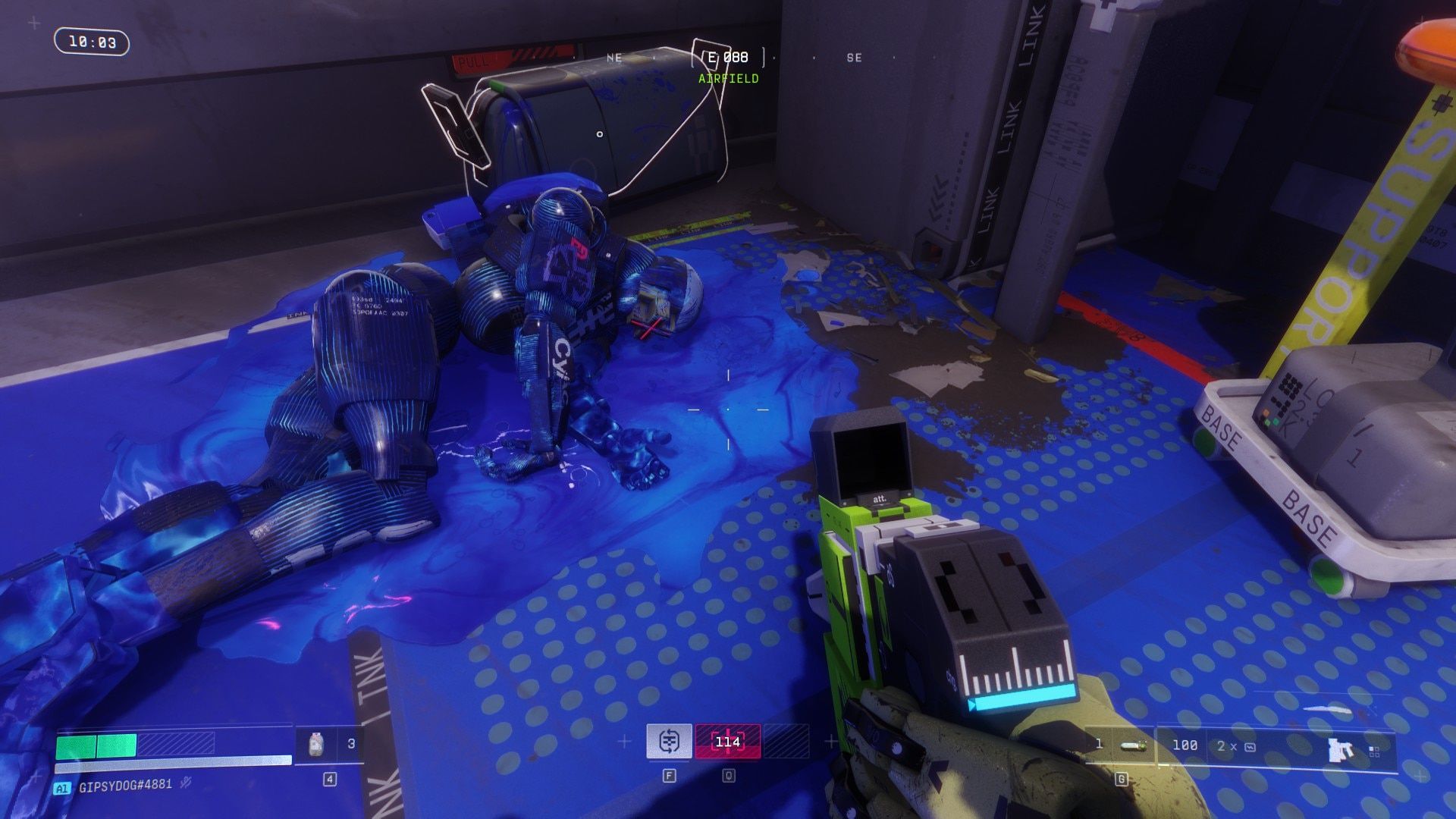
Of course, you can go solo in Marathon on Tau Ceti IV, but honestly, if you plan to queue alone, you should be prepared. The experience often feels more like a stealth survival game.
It blends the most tense elements of extraction shooters and battle royales, and here, sound is everything. Footsteps, gunfire, everything gives away your position. So most of the time, the question isn’t can you fight, but should you fight. You’re constantly weighing choices: engage or hold back, take the risk or extract. That hesitation itself is part of what makes the game so interesting.
Playing solo really highlights how strong Marathon’s sound design is. With headphones on, you can almost “see” the battlefield through audio alone. You can tell where enemies are and how far away they are just by listening. It’s not just a helpful tool, it’s critical information that directly affects whether you live or die, and it pushes the tension even higher.
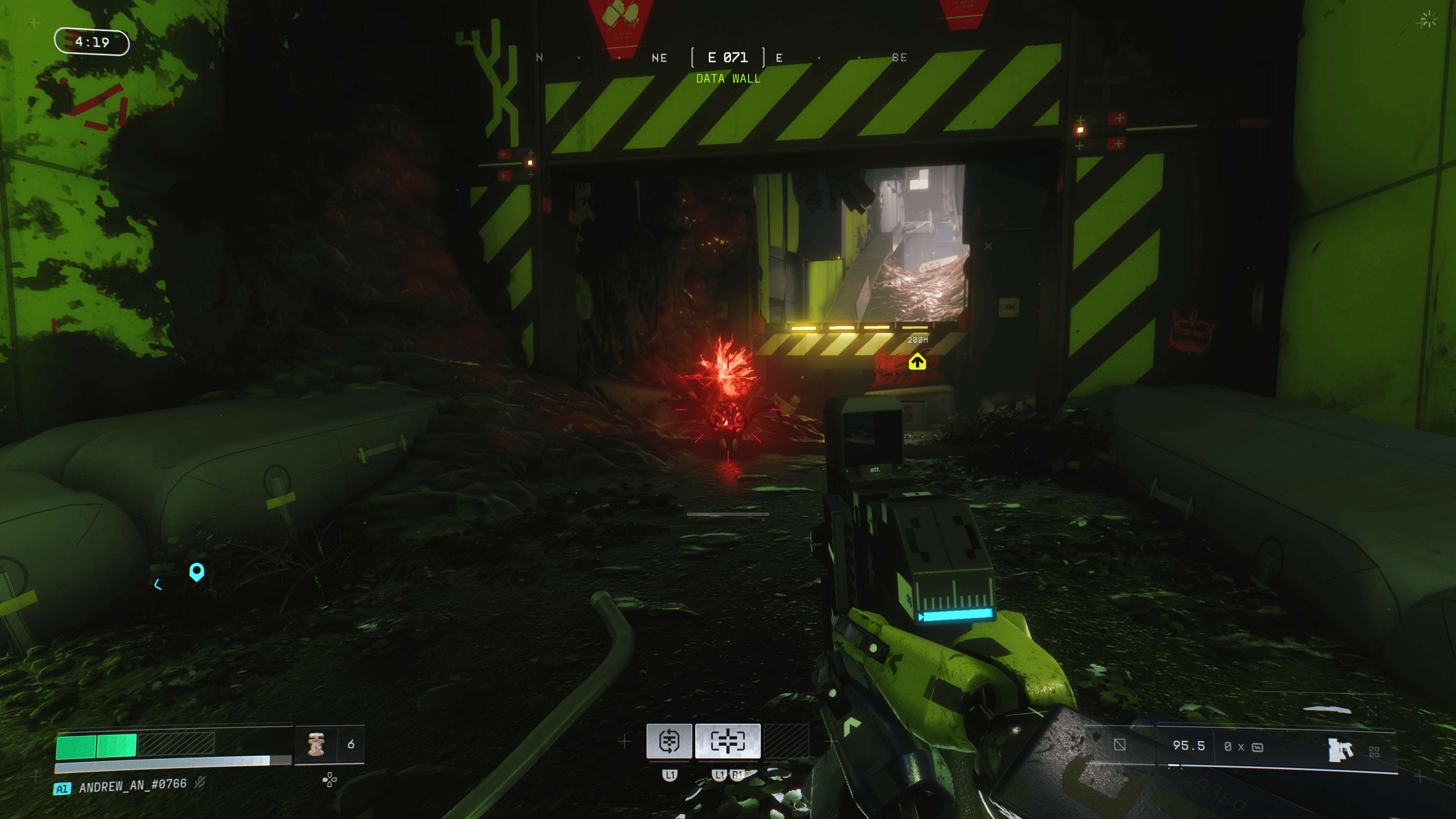
Then there are the AI enemies. Their behavior isn’t overly complex, but they’re far from harmless background units. If you handle them poorly and start making noise, you might draw in other players before you even finish the fight.
In other words, there’s no such thing as a “safe encounter” in this world, almost everything is a potential threat.
One thing I really like is that the game actually gives solo players their own dedicated Runner shell, Rook. And honestly, it’s pretty cool. The whole playstyle leans heavily into survival horror vibes: you go in with basic gear and are basically the underdog, but in return you get things like invisibility and slow health regen, very much a “just survive somehow” kind of kit.
So instead of going in guns blazing, you end up sneaking around, watching from a distance, and picking your moments. It turns into this low-risk, high-reward playstyle, and honestly, it’s one of the most unique—and most memorable, parts of the whole game for me.
But the moment you switch to co-op, it’s basically a different game. Dropping into Tau Ceti IV with friends instantly makes everything feel smoother. You’re more willing to bring in better gear, your decisions are quicker, and the overall pace just feels more stable.
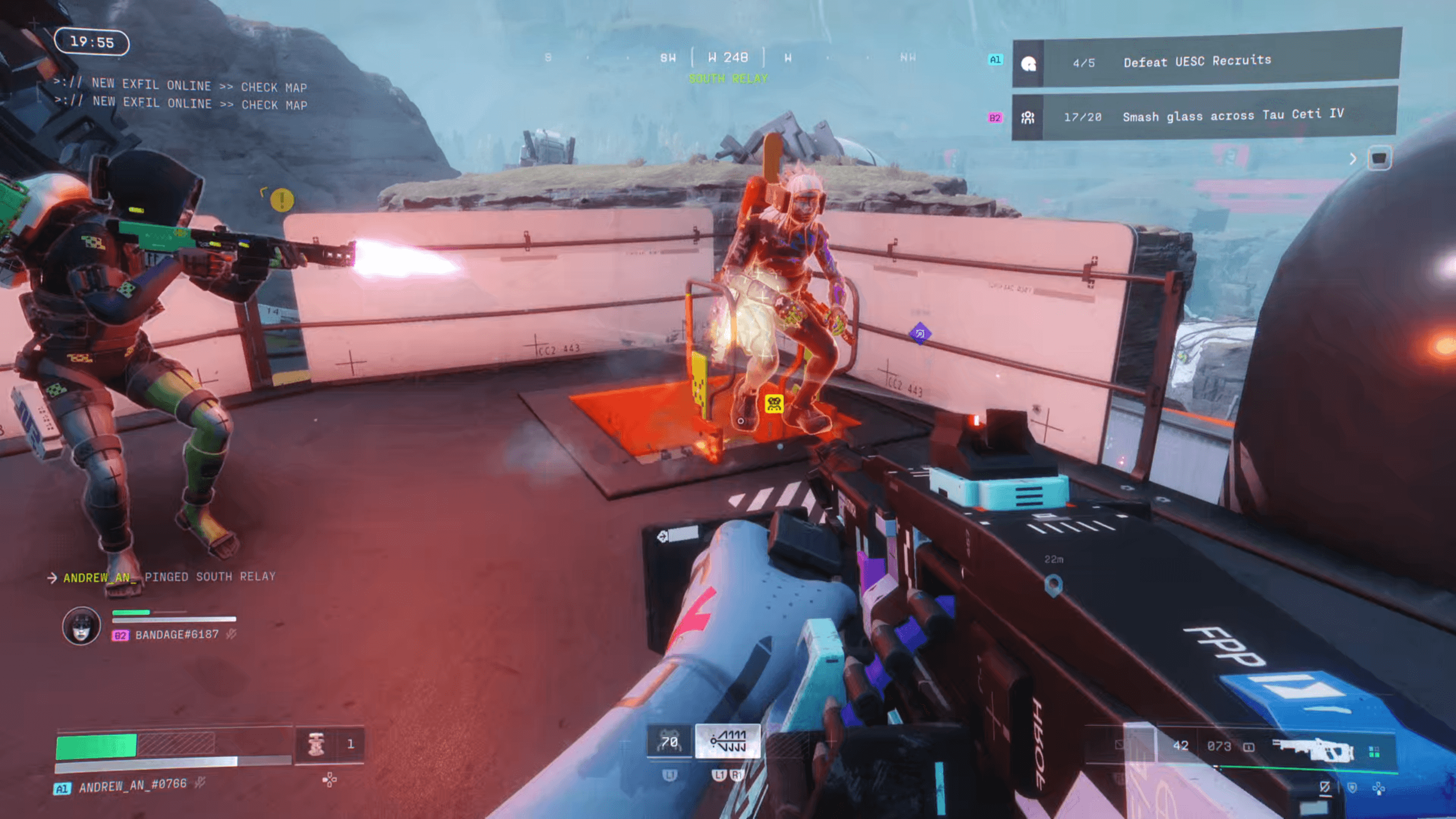
That said, even teamwork in Marathon isn’t completely “safe.” Everyone can take different contracts, so it’s pretty easy for the team to split priorities. And since you can extract separately, there are definitely moments where things feel… a bit awkward between teammates.
Now, one big upside of playing in a team is reviving each other. When you get downed, you don’t instantly lose everything—you go into a downed state, and only fully die if an enemy finishes you off. That alone already makes things a bit more forgiving.
But here’s the interesting part.In Marathon, even if your teammate gets fully executed and turns into a body, you can still bring them back… it just takes longer. And that changes everything. As long as one person is still alive, there’s always a chance to turn things around.
So teamplay isn’t just a bonus, it’s basically your insurance plan. You’re not just trying to survive for yourself, you’re trying to keep the whole squad alive. Of course… someone still has to clutch it. If everyone goes down, that’s it, game over, you lose everything.
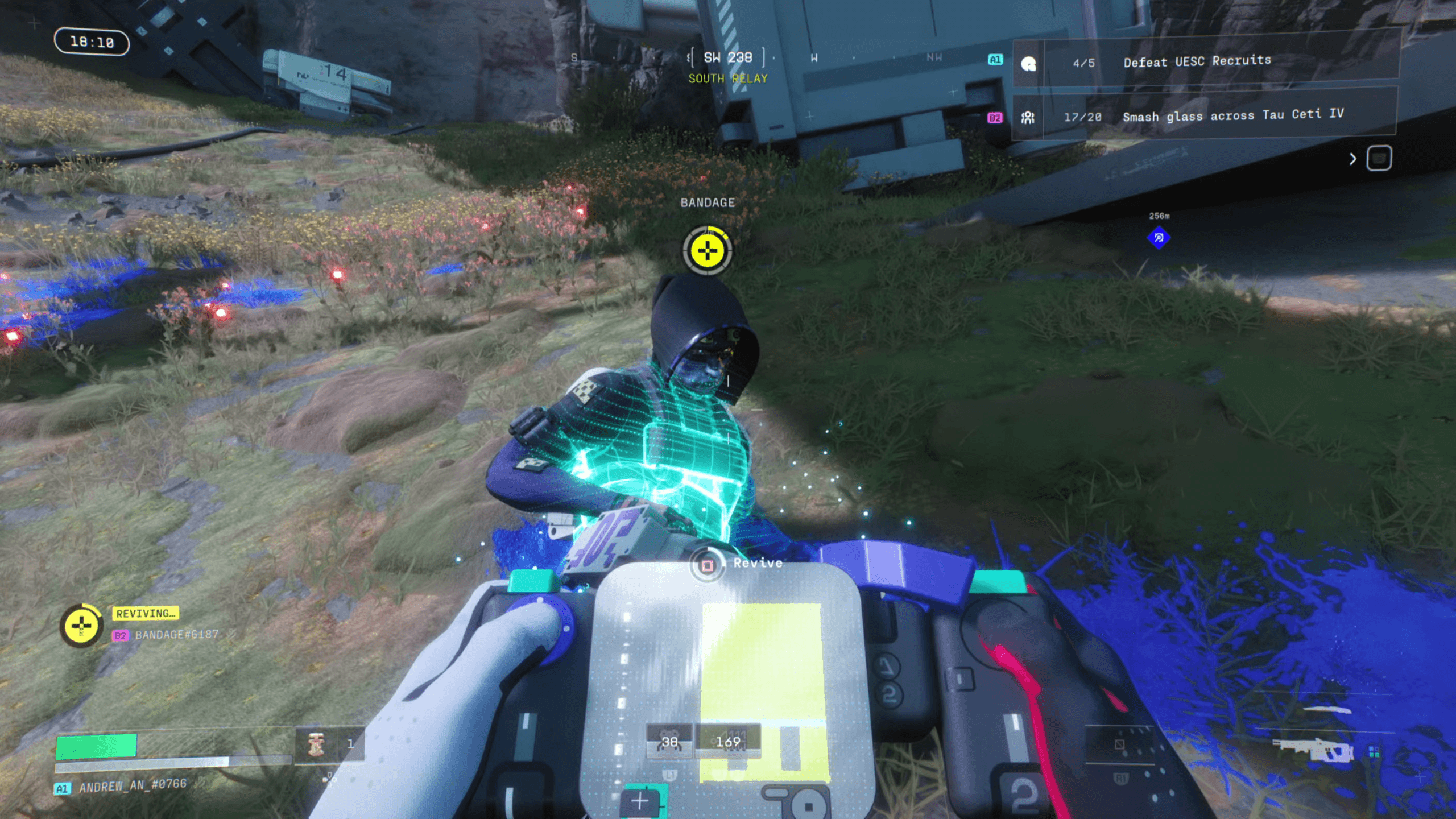
Of course, if you’re queuing with random teammates, the difference is very noticeable. Without voice communication, it’s honestly hard to get any real coordination going. A lot of the time, if you go down, there’s a pretty high chance your gear is just gone, no one’s coming to save you.
Another important factor is the player environment itself. Compared to something like ARC Raiders, where you occasionally get those unexpected non-hostile moments, Marathon feels way more ruthless.
Proximity voice chat is barely used, and most of the time, it’s just see someone, shoot immediately. Those rare “peaceful encounters”? Yeah… they almost never happen in here. The game is clearly designed with one assumption in mind: players are here to hunt each other.
Marathon's Shells
So, with Rook offering such a unique solo experience, the next obvious question is: what about the other Runners?
Marathon actually has a pretty clear direction here. Instead of going with the usual extraction shooter approach, one character doing everything, it leans more toward a hero shooter style, where you pick from multiple Runner shells, each with their own abilities and playstyle.
Right now, there are six Runners in total (including Rook), each with distinct skills and passives. This definitely adds more variety and flexibility to combat.
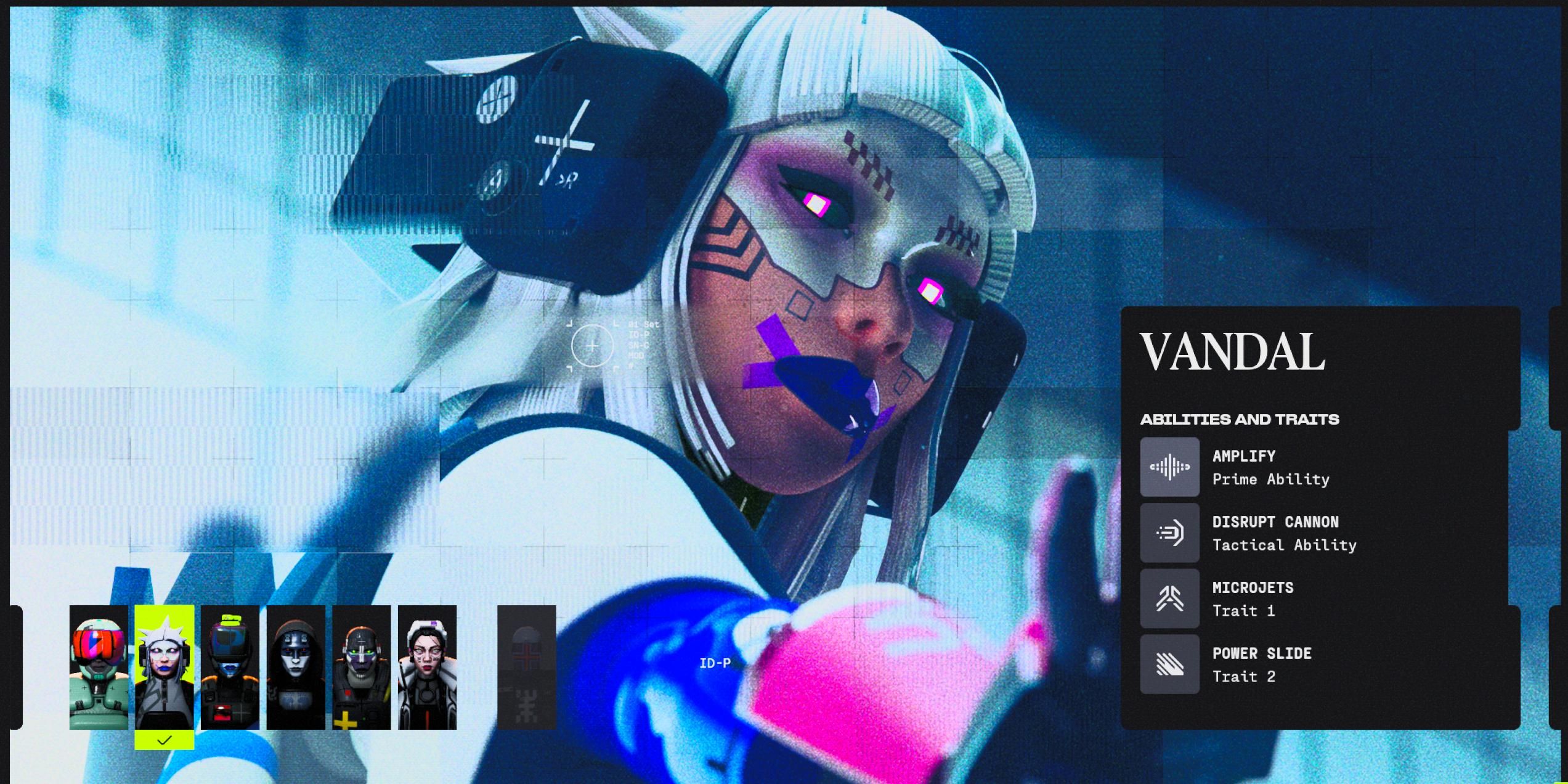
Let’s talk about their design first. The Runners follow that same high-saturation, abstract, slightly avant-garde style the game is going for. It’s visually striking and very recognizable, but it’s also… kind of an acquired taste. They’re not exactly “cool” in the traditional sense, and since they’re all mechanical bodies, there’s a slightly uncanny vibe to them.
You wouldn’t really call them ugly, but it’s also hard to form a strong emotional attachment. In fact, some of them honestly looked cooler in trailers than they do in-game.
And that leads to an interesting point. If this were a pure hero shooter, character appeal would matter a lot, since players usually bond with their mains. But in an extraction shooter? That matters way less. When things get tense, you don’t really care if your character looks cool, you care if they’re effective.
And right now, some of them are very effective. Maybe a bit too effective.
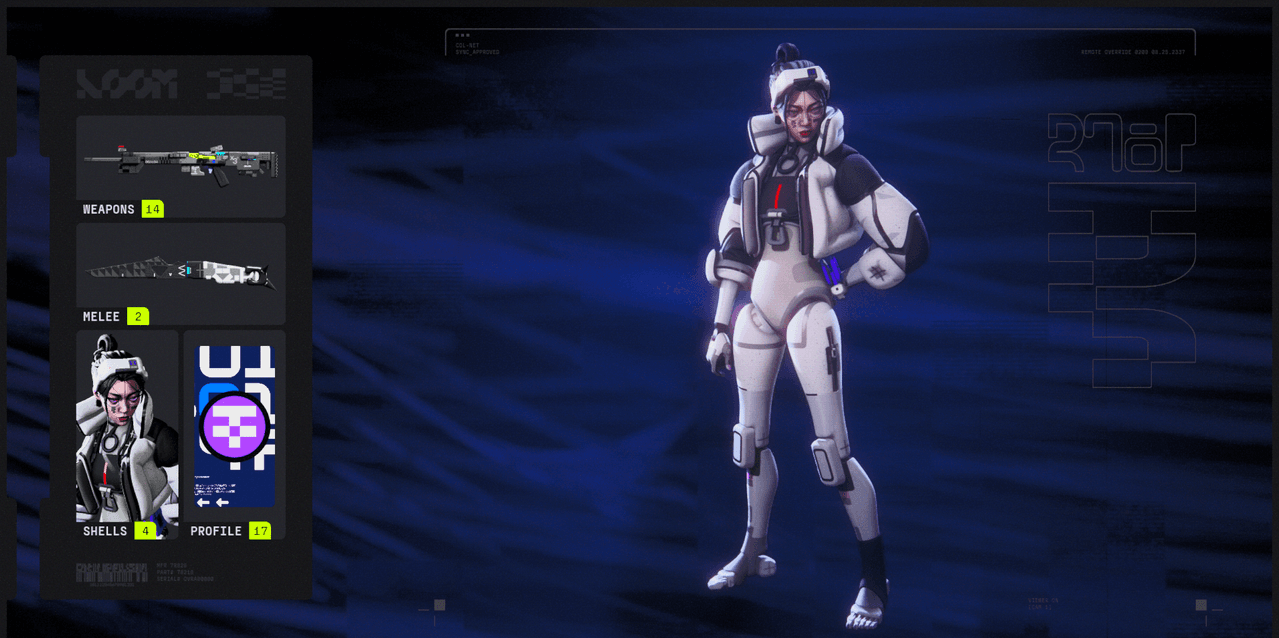
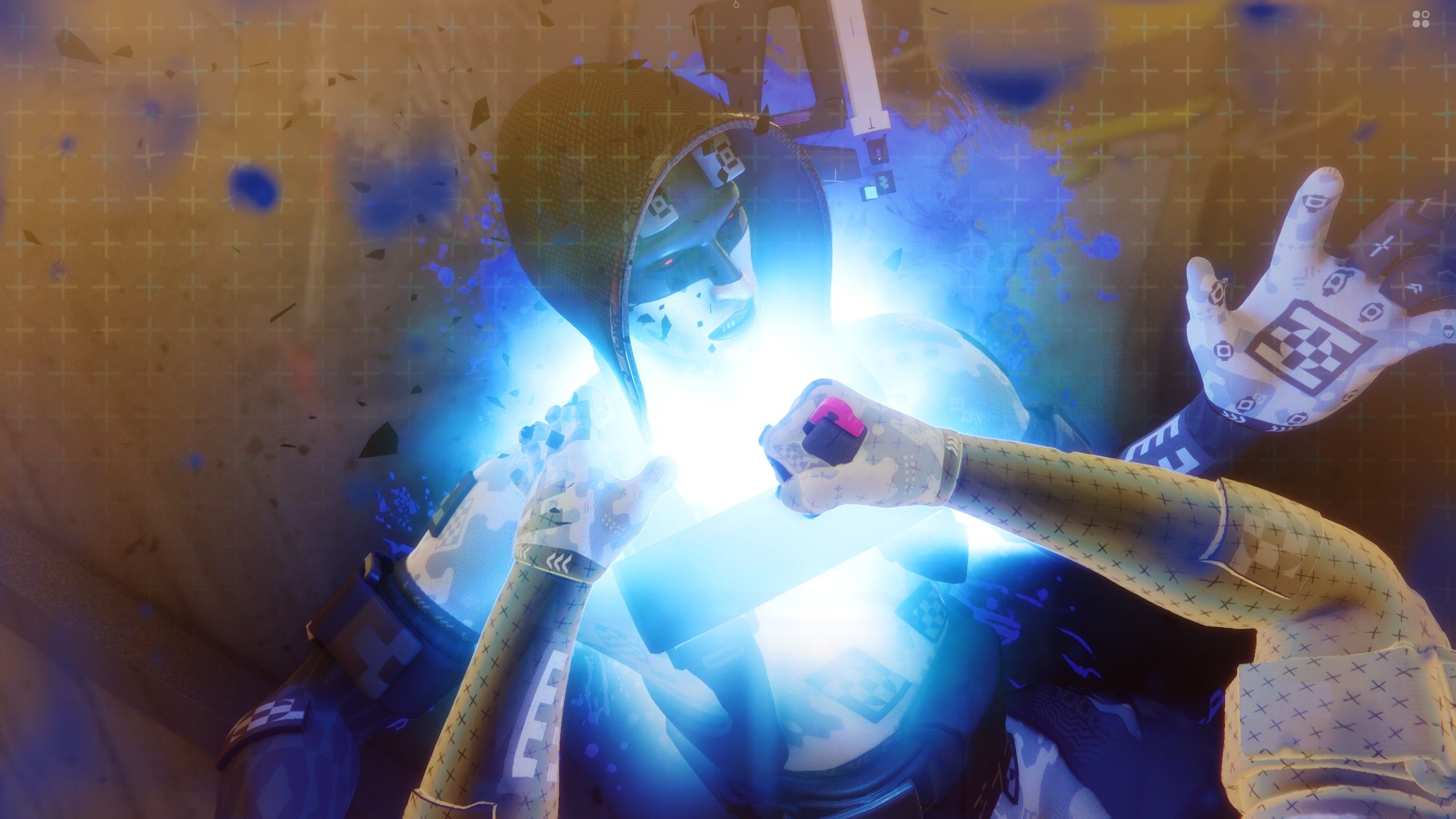
Take Assassin, for example. With built-in invisibility, it can feel borderline broken in certain situations, especially when extracting or ambushing. Then there’s Thief, which is on another level. It can literally steal other players’ loot during extraction and also scan for enemies and resources. The information advantage is huge, honestly, it almost feels like cheating at times.
Triage, on the other hand, fills more of a support role. It can deploy multiple healing drones, making it incredibly strong in longer fights or team play. These abilities definitely make each match more dynamic and add more layers to combat, which is a big plus. But at the same time, it’s pretty clear the system isn’t fully balanced yet. Some characters are strong enough that they start affecting the overall experience, you might even feel like you’re putting yourself at a disadvantage if you don’t pick them.
That said, this is pretty expected for a game like this. Character balance usually takes time to settle. At least for now, the direction of the Runner system feels solid. It adds variety, creates more strategic options, and makes each run feel a bit different. It’s already fun, but you can tell it’s not quite fully tuned yet.
Marathon's Future
After spending more time with the game, I’ve started to feel that sense of repetition slowly creeping in. This high-risk, high-reward loop can definitely hook some players, but the real question is, how long can it last? Is it the drive to grind for better gear? The tension right before extraction? Or just the satisfaction of having a really good run? Whether these elements can keep players engaged long-term is still up in the air.
To be fair, there’s no shortage of things to do. The game is packed with achievements, progression systems, and layered objectives. On paper, you won’t run out of content anytime soon. But for me, the real question is whether I want to keep coming back.
Most runs still end in failure, which gives Marathon a bit of that roguelike feel: fail, restart, try again. It’s a loop that constantly tests your patience and commitment. That said, as I kept playing, I did start stringing together more successful runs. Extracting became more consistent, and once the loop starts clicking, the pacing and sense of accomplishment really do make you want to jump into “just one more run.”
Another thing worth noting is that, win or lose, the game always pushes your progression forward. Completing contracts, killing enemies, or simply making it out alive all contribute to experience gains and seasonal progress. Each season lasts about three months before resetting.
Not everyone will like that system, but in this genre, managing long-term progression balance is pretty much unavoidable. Combined with faction missions and upgrade systems, the game rarely leaves you feeling stuck or unsure of what to do next.
Bungie also has plans for future updates. Season 1 is set to introduce ranked mode, endgame content, balance changes, new gear, and events. Season 2, Nightfall, is planned for June and will bring a new map, a new Runner, and a system called “The Cradle.” The direction is there, but whether it’s enough to sustain a healthy player base is still an open question.
So, now we have to talk about Marathon’s maps.
When you first jump into Marathon, the tutorial throws you into a simplified version of the first map, Perimeter. It’s a pretty standard onboarding setup, lots of indoor spaces, covers all the basics, and does a decent job getting you familiar with the controls and overall pacing.
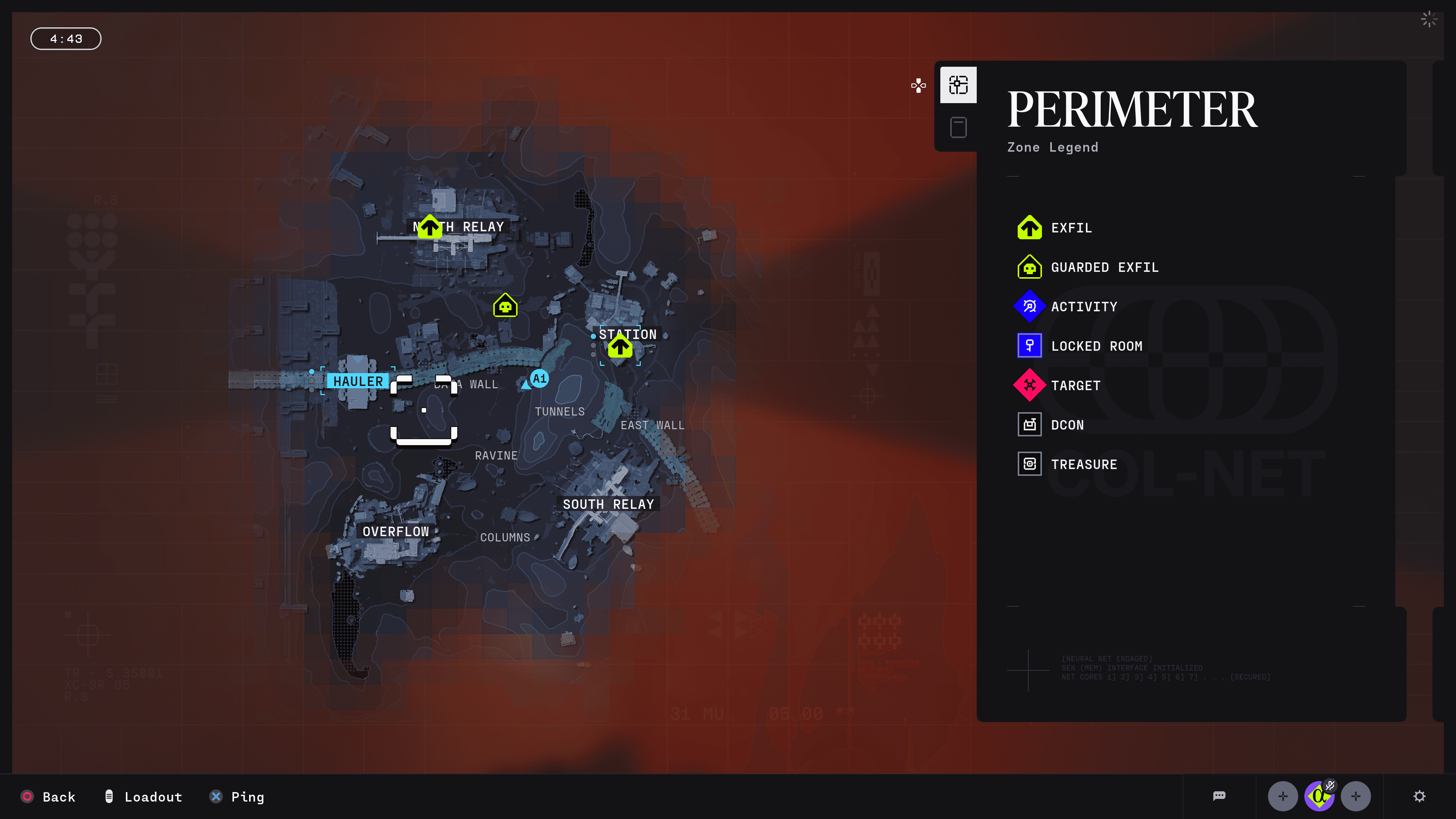
Once you enter the full game, you’ll move into the complete version of Perimeter, and not long after leveling up, you’ll unlock the second map, Dire Marsh. But honestly, neither of these maps is particularly memorable. They feel like very standard entry-level extraction shooter maps, relying more on environmental pressure than standout design.
What does stick with you is the overall aesthetic and atmosphere. The subtle analog-like electronic noise, the faint static, and the constant hum of machinery create this uneasy tension throughout the environment. The nice part is that none of it interferes with important audio cues like footsteps or doors, it adds immersion without hurting gameplay, which is actually pretty well done.
That said, the maps aren’t completely lifeless either, it’s just that their “personality” leans more toward messing with you. You’ll turn a corner and suddenly get shot in the face by a drone camera you didn’t even notice, wander into a nest and get swarmed by enemies, or take damage from toxic plants you barely saw. It’s the kind of design that makes you curse in the moment, but remember it afterward.
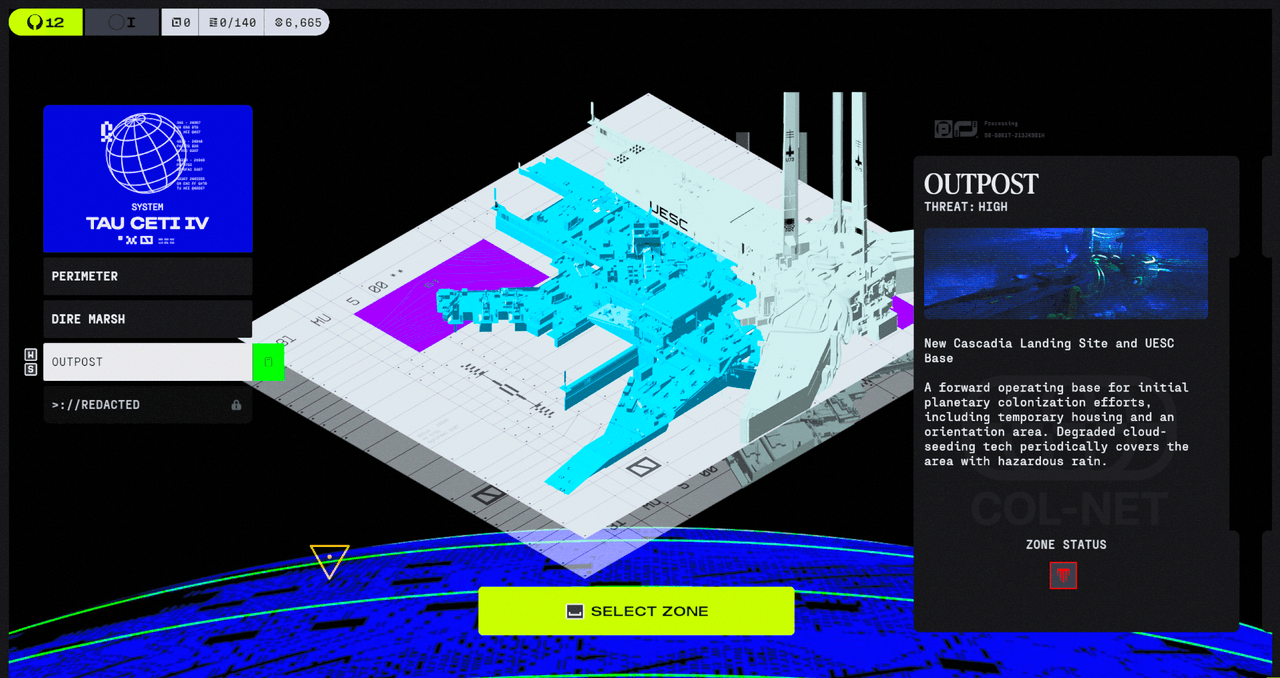
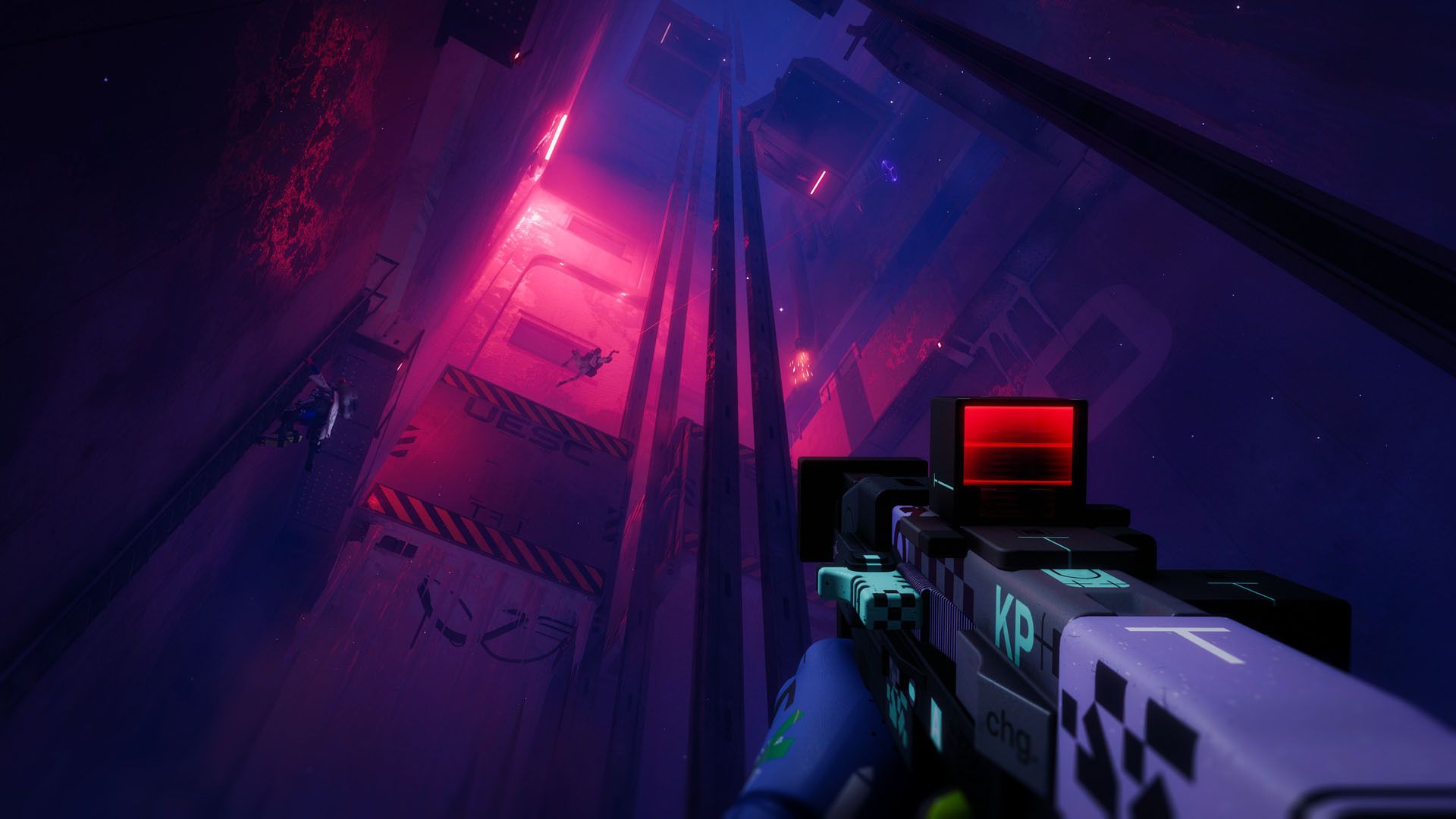
Things finally start to get interesting with the third map, Outpost. This one shifts to a nighttime setting inside a UESC facility, with more verticality and tighter combat spaces. Engagements happen more frequently, and you constantly have to watch for threats coming from above. The pace picks up, things get messier, and this is where Marathon really starts to show its potential.
The problem is, Outpost only unlocks at level 12. Which means you have to push through a relatively flat early game before reaching the more interesting content. It’s understandable that Bungie wants players to learn the basics first, but in practice, it can feel like the good stuff is being held back on purpose, making the early pacing drag a bit.
If Outpost is where things start getting interesting, then the map that really elevates the whole experience is the fourth one, Cryo Archive.
And honestly, I should probably say this upfront: the reason this review took me longer to finish is because I specifically wanted to play Cryo Archive first before giving a proper verdict.
The map only launched on March 20, but the thing is, it’s not content you can just jump into whenever you want. The entry requirements are already pretty steep. You need to hit level 25 and unlock all six factions, which means grinding through a lot of contract-based, story-heavy content first. On top of that, every run requires at least 5,000 gear value, so you can’t just throw on a random loadout and “go take a look.”
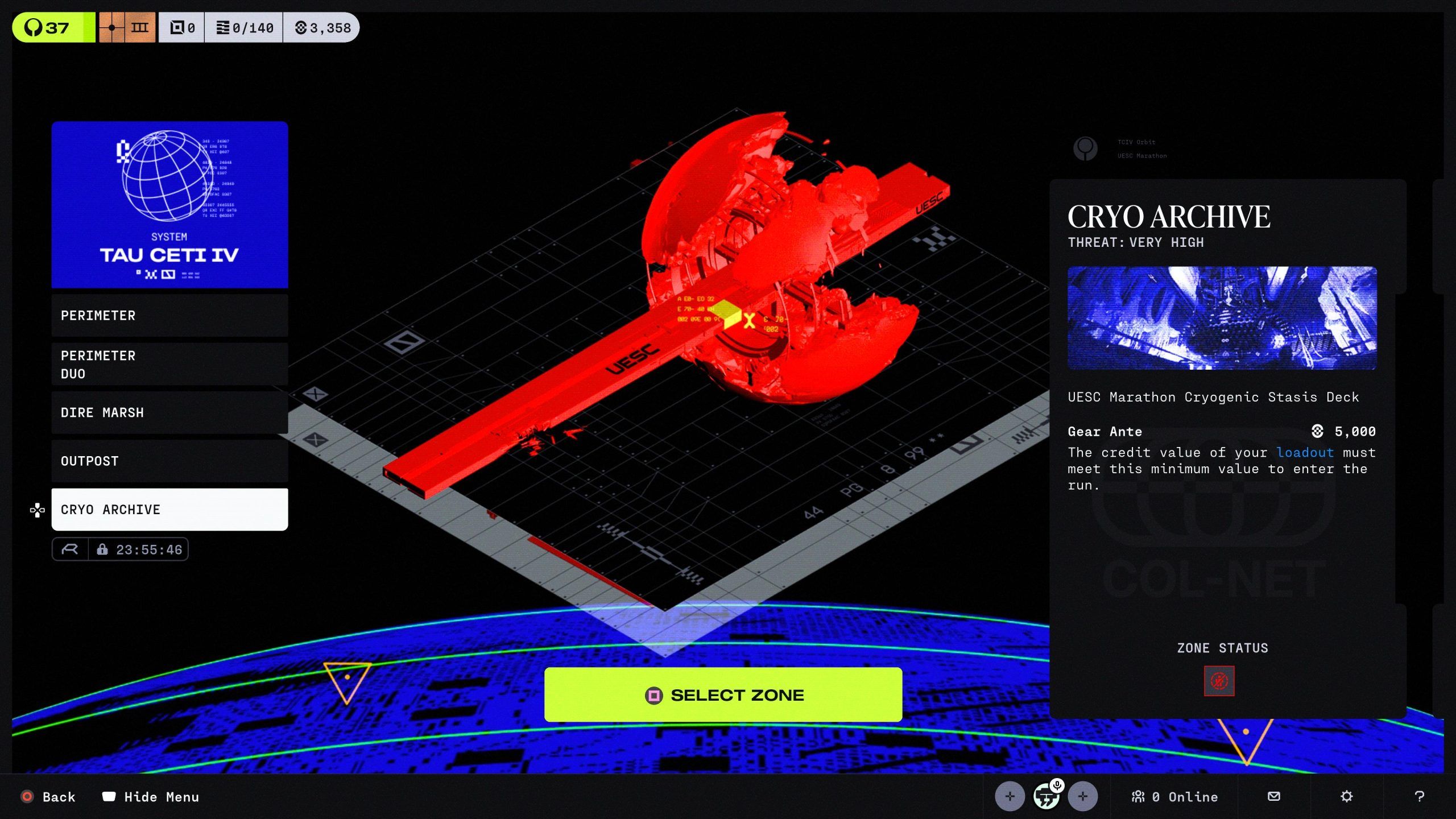
To be fair, the game does give you a one-time Cryo Archive sponsored kit for your first run, so you don’t have to risk your own gear immediately. But once you’re actually inside, it becomes very clear, is that this map is on a completely different level compared to the others.
Cryo Archive introduces a lot more mechanics and puzzle elements, and in many ways, it feels like an extension of Bungie’s old Destiny raid design. It’s no longer about just playing well individually, you need proper team coordination to make real progress.
The main objective revolves around unlocking seven vaults, each containing high-value loot, including unique weapons you won’t find anywhere else. The catch? You can’t just open them freely. You need keys, and the way you get them is very Marathon-ish. They might drop from high-tier loot in other maps, appear within this map, or even come from other players’ corpses.
So the whole process is already chaotic, and on top of that, you’re juggling mechanics while watching your back. At the same time, you’ll need to interact with various systems on the map to raise the security level, which unlocks deeper areas. It’s somewhat similar to Outpost’s access system, but way more complex, the better the loot, the stricter the requirements.
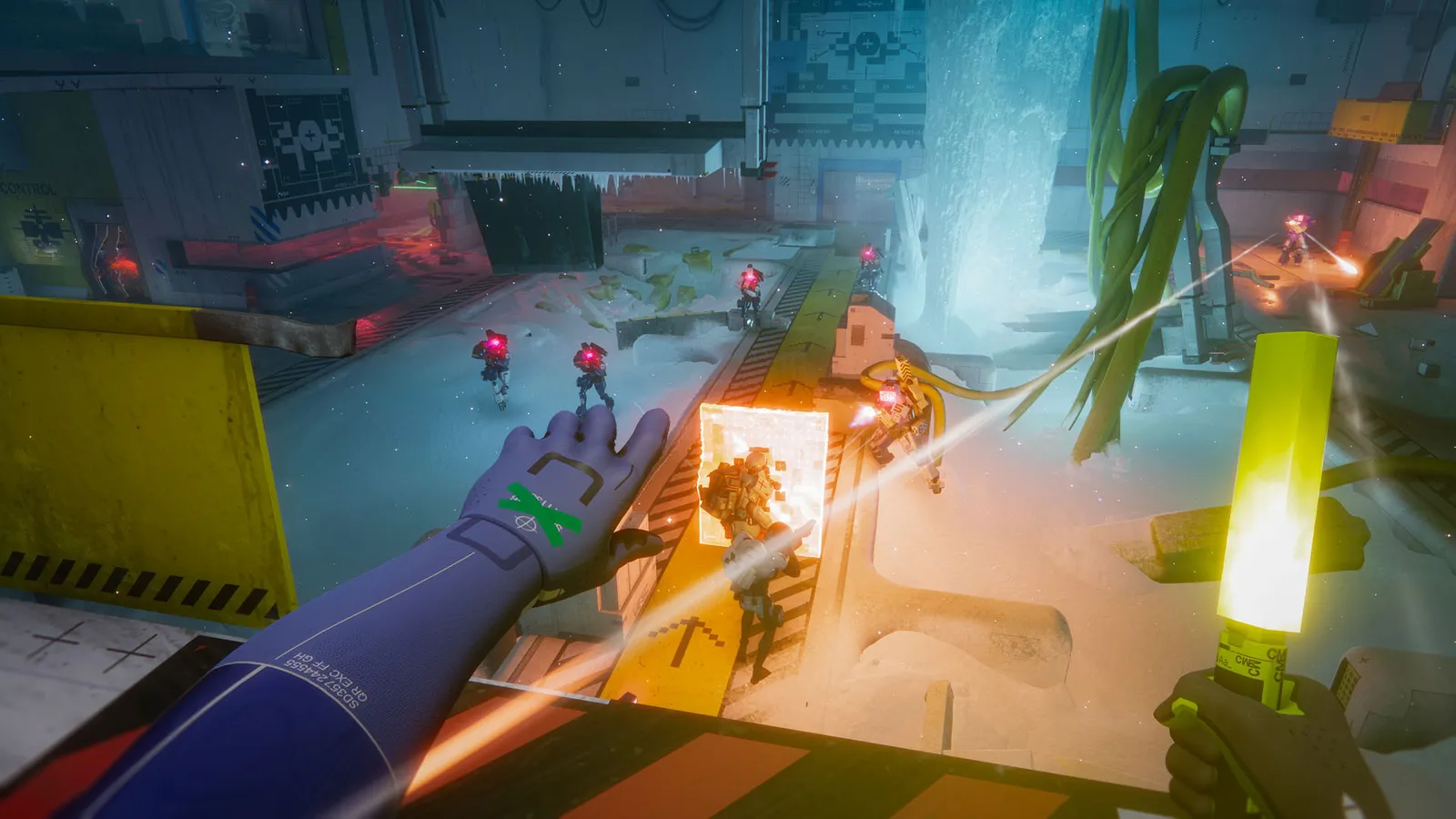
And to extract safely from Cryo Archive? Let’s just say, it’s way more complicated than anything in the previous maps. Without spoiling too much, Cryo Archive doesn’t follow the usual “get to a point and wait” logic. It ramps the pressure all the way up right at the end.
But the real love-hate element here is the randomness. Some of the key mechanics don’t even show up every run. So even if you’re fully prepared and meet all the requirements, you can still get stuck simply because the right conditions didn’t spawn. Add in interference from other players, and the whole experience becomes extremely hardcore, sometimes even frustrating.
And then there’s the biggest barrier: Cryo Archive is currently weekend-only content. Which means a lot of players haven’t even seen the new enemy type, the Compiler, let alone farm this map consistently.
So yeah, my feelings about this map are pretty mixed. On one hand, I genuinely love this kind of high-risk, high-reward endgame design. In terms of depth, teamwork, and sheer intensity, Cryo Archive is easily the most exciting and promising content in Marathon right now, arguably the game at its best.
But on the other hand… it’s really not very accessible. If you’re not the kind of player willing to invest time, retry over and over, or run with a consistent team, this might end up being content you can see, but never truly experience.
Marathon's Final Verdict
Overall, Marathon is a game with very clear strengths and weaknesses. Honestly, you could even say it has a strong sense of “personality.” It’s not perfect, and there’s still a lot that needs time and polish. But one thing is hard to deny: when its gameplay loop really clicks, the level of tension and immersion it delivers is something you don’t often see in this genre.
What stood out to me the most is its art direction. The combination of high-saturation colors and cold, futuristic design gives it a very distinct identity. It’s the kind of visual style that sticks with you immediately, and easily one of the game’s biggest highlights.
That said, what truly holds the game together is still Bungie’s signature FPS gunplay. From hit feedback to weapon variety to overall responsiveness, the combat feels solid and reliable. When that foundation is combined with the high-risk, high-reward loop of an extraction shooter, the tension of “losing everything at any moment” and the satisfaction of “making it out with everything” naturally become the core driving force of the experience.
Add in strong sound design and a well-crafted atmosphere, and Tau Ceti IV constantly feels calm on the surface, but tense underneath. Every run carries weight.
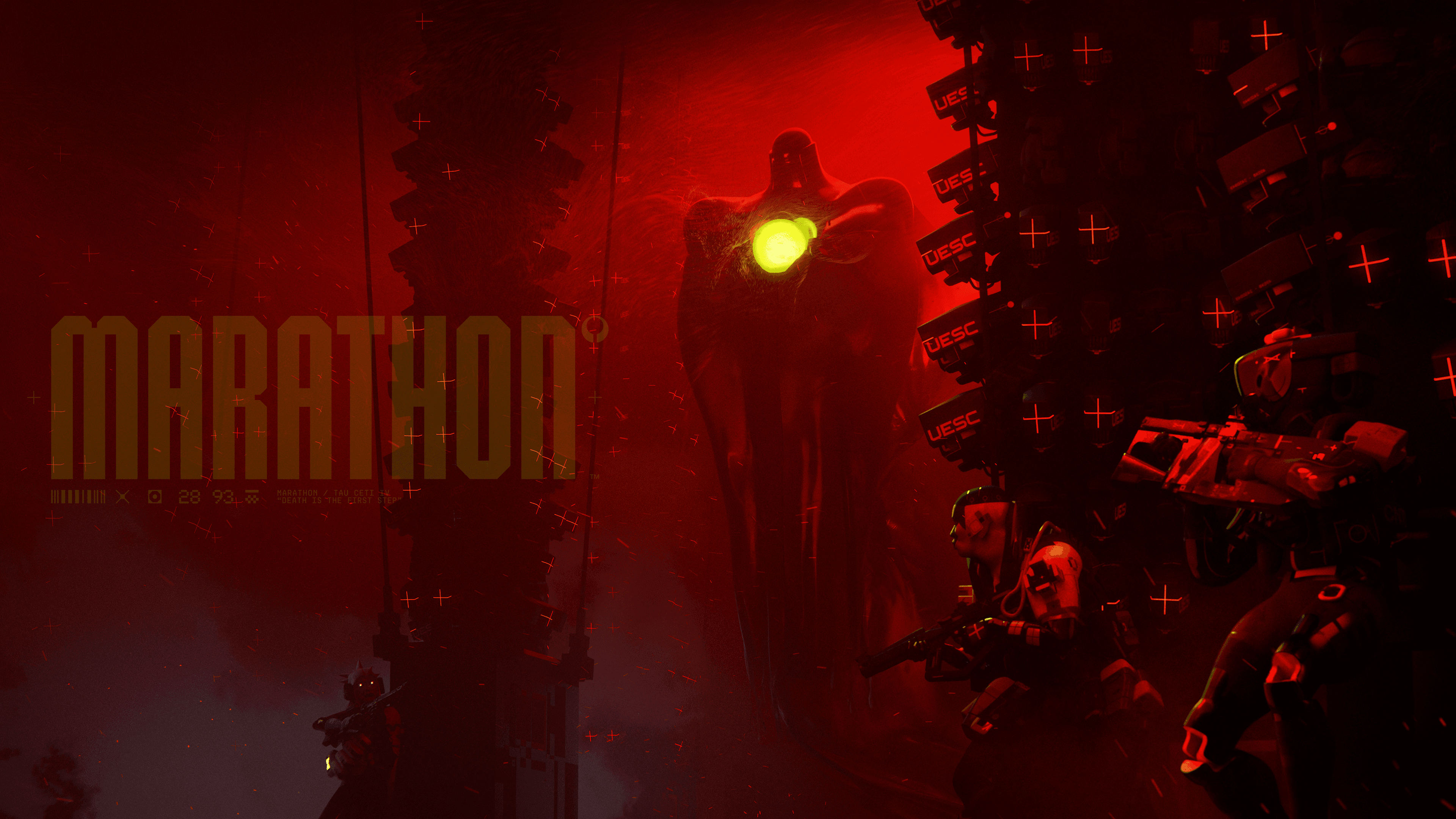
But the issues are just as clear.
While the worldbuilding itself is interesting, the way the story is delivered feels too restrained. It lacks the impact needed to fully pull players into such a unique setting. The Runner designs are visually distinct and play very differently, but their more extreme stylistic direction also means they won’t appeal to everyone. On top of that, while each Runner plays differently, the current balance still feels uneven, with certain characters clearly outperforming others in specific situations.
Endgame content is another barrier. Cryo Archive, for example, is genuinely one of the best parts of the game right now (arguably its peak), but because of its high entry requirements and restrictions, it ends up being something only a smaller group of players can consistently experience.
None of these issues are game-breaking, but they do slow the pacing and weaken the overall appeal to some extent.
In the end, Marathon feels like a game that really chooses its players. It doesn’t try to appeal to everyone, but at the same time, it offers a fairly accessible and responsive core experience. To truly enjoy it, you need to accept its style, understand its risk-reward loop, and be willing to deal with repeated failure and total loss. But once you start adapting to Tau Ceti IV, once you get used to its atmosphere, its systems, and can make the right calls under pressure, the moment you successfully extract becomes incredibly satisfying… and surprisingly addictive.
For me, Marathon right now feels like a game with more potential and polish, but not complete. It already has a strong core loop and shows flashes of something great, but it’s not fully there yet. Whether future updates can refine its systems, balance its design, and open up its best content to more players will ultimately decide how far it can go.
At this stage, it’s definitely a game worth trying, if you’re willing to accept what it is. Because once you step onto that lost starship and start to understand how it works, there’s a good chance you’ll find yourself sticking around, not because it’s perfect, but because in certain moments, it just clicks with you.
Review Score
Pros
- Strong and atmospheric worldbuilding
- Highly distinctive art style and excellent audio design, creates strong immersion and memorable moments
- Top-tier Bungie gunplay
- Tense yet rewarding extraction loop
- Strategic gameplay with room to grow
Cons
- Narrative execution falls short of its worldbuilding
- Systems and balance still need refinement
- Character designs are highly distinctive, though not universally appealing