 Slimepress
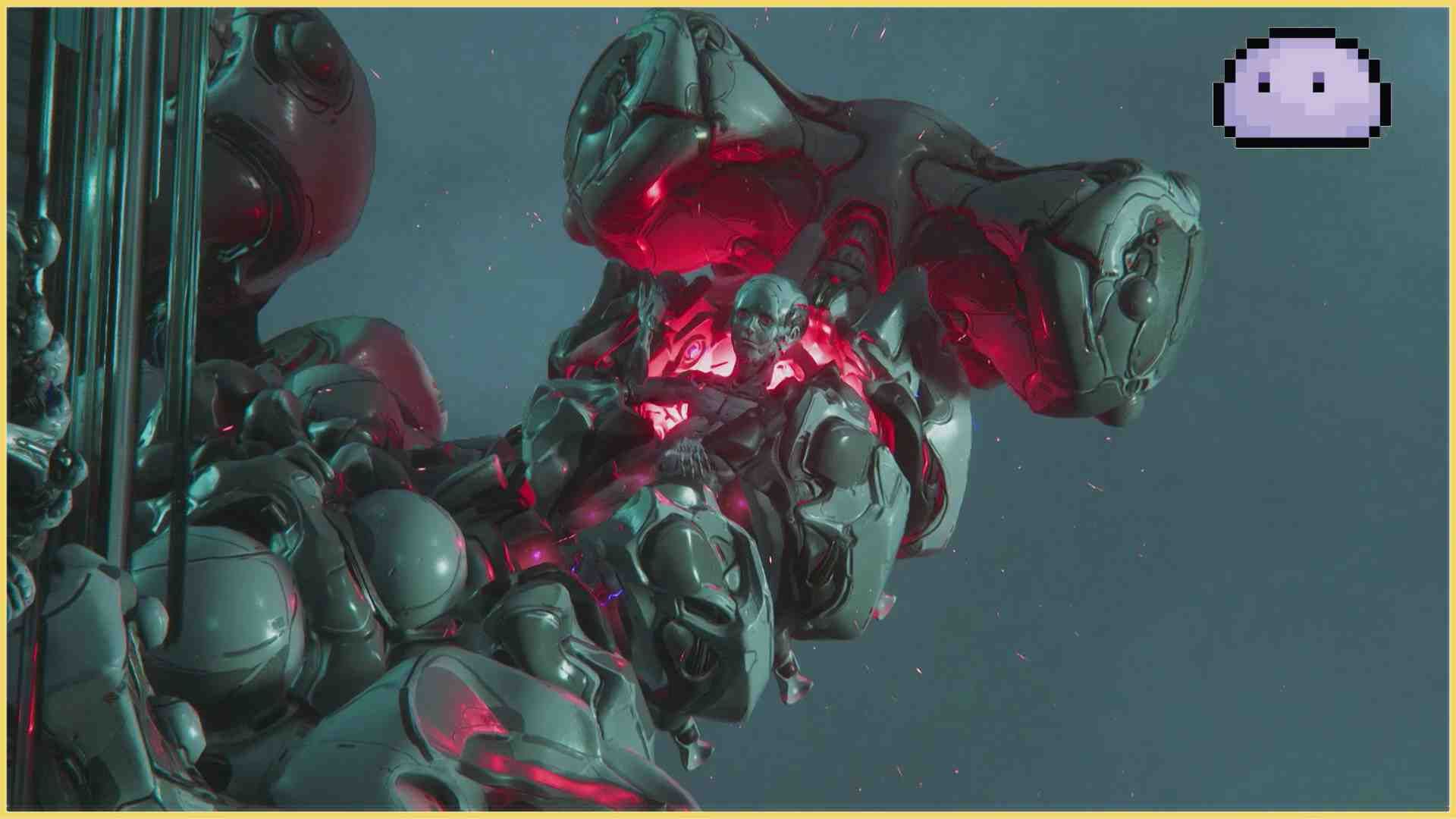
Pragmata may be one of the most optimistic games I've ever played. Since the first hands-on with the demo the game has exuded this 7th gen energy from it, that last flash of creative spirit before games started taking safer swings with it. Now, having played through the full game, it's safe to say that wasn't a demo-only vibe: that creative flash is at the core of what Pragmata is.
Pragmata may be one of the most optimistic games I've ever played. Since the first hands-on with the demo the game has exuded this 7th gen energy from it, that last flash of creative spirit before games started taking safer swings with it. Now, having played through the full game, it's safe to say that wasn't a demo-only vibe: that creative flash is at the core of what Pragmata is.
Given the risks associated with both new IPs and games that were delayed excessively, Pragmata is one that absolutely swings for the fences and nails what it's going for.
Title: Pragmata
Developer: Capcom
Publisher: Capcom
Platform: PS5, Xbox Series X|S, PC, Nintendo Switch 2
Gun and BALL
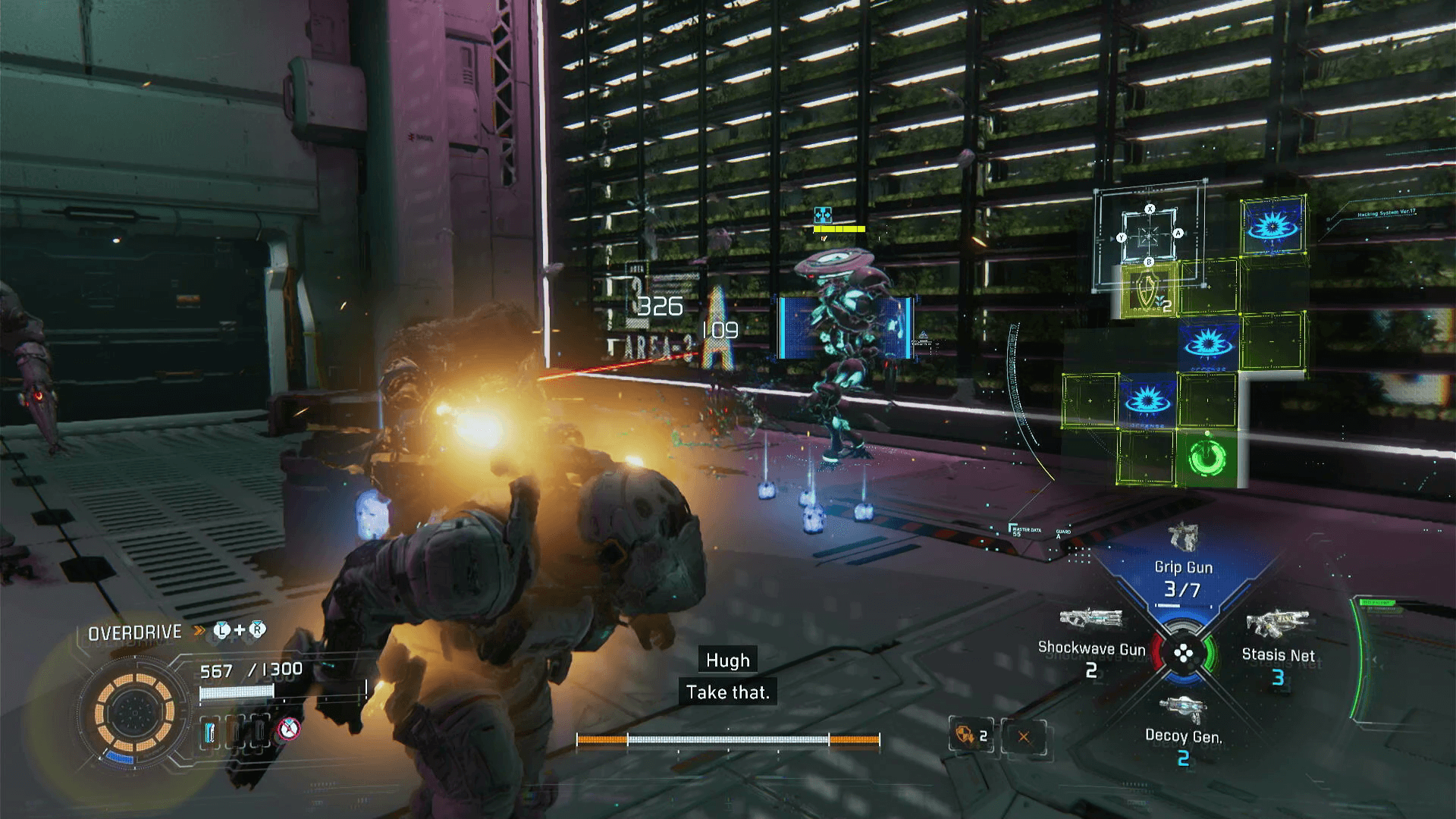
At the core of Pragmata is its dual-character controls. As Hugh and Diana, you have a simple task: hack enemies to expose their weakpoints as Diana, then light them up as Hugh. The catch is how the hacking itself is done- instead of pausing like you would in a NieR Automata, you're meant to do this pathfinding minigame in real time, remembering to dash, dodge and more importantly, shoot while Diana vibe codes her way into dealing crits for you.
But where the magic really shines is just how well these two facets interplay with each other. One of Hugh's guns is a charged rifle, where he can hold it down to increase the damage before shooting. For the true multitaskers, there's nothing stopping you from holding a charge while doing Diana's section, dropping fat crits as you unload a double-charged shot on some poor droid's head.
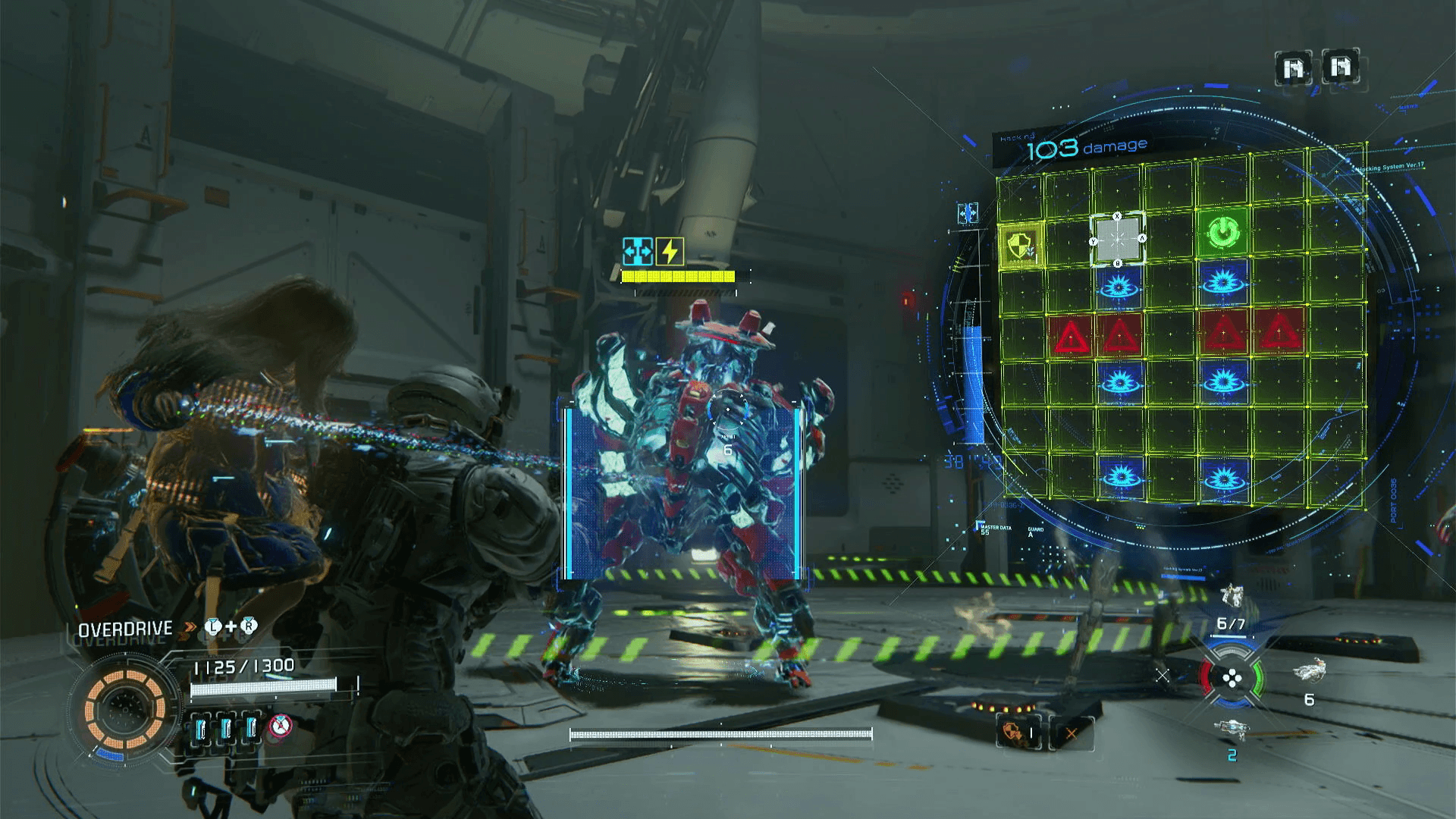
Similarly, Diana also has consumable modules- tiles she can utilize in the hacking minigame for additional effects. While you may be tempted to solely rely on fast inputs to hack enemies, choosing her modules drastically alters your strategies. For crowds, the Multihack lets her open up multipe of the same robot type at once, while ones like Decode increase damage taken.
Heck, if you're really a fan there's also the Mode system- after opening up an enemy she can then exploit that vulnerability further with additional effects if you hack them again. It's one of those things that really rewards how much of your regular shooting time you're willing to spend on it. More importantly, it's also amssively rewarding those of you with the sense to shoot and hack at the same time.
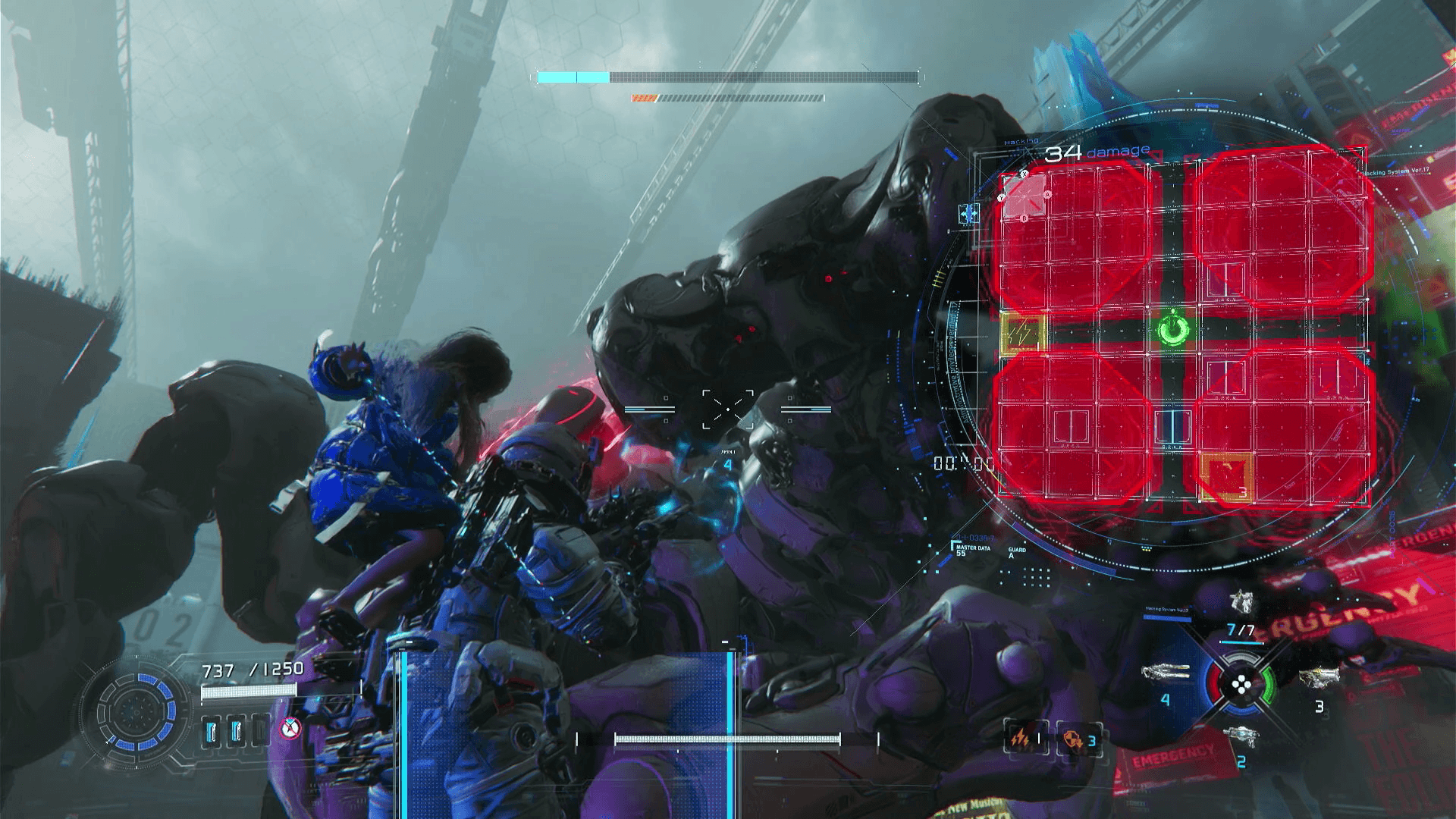
And Hugh's no slouch either. While guns have to be discarded when they're out of ammo, they're all extremely driven by their individual functions. Even though they're sorted into their Offense, Defense and Support-types, individual guns within those types are leagues apart from each other. Guns like the Riot Blaster "support" by knocking robots onto the floor, while Sticky Bombs actively aid Diana by tampering with the size of the hacking grid.
Combine that with that blast of Capcom magic via skills like perfect dodging and ground-teching and I'd totally believe you if you said this was a niche Capcom game that came from the early 2010s. Heck, just describe the shooting and I'd think it was a PS2 game, in all the best ways possible. Even the levels feel like golden-age Capcom: densely packed and intertwining, like if the Undead Burg had a raunchy affair with Rhodes Care Clinic and Fortuna Castle.
Surprisingly Not Dad-Slop
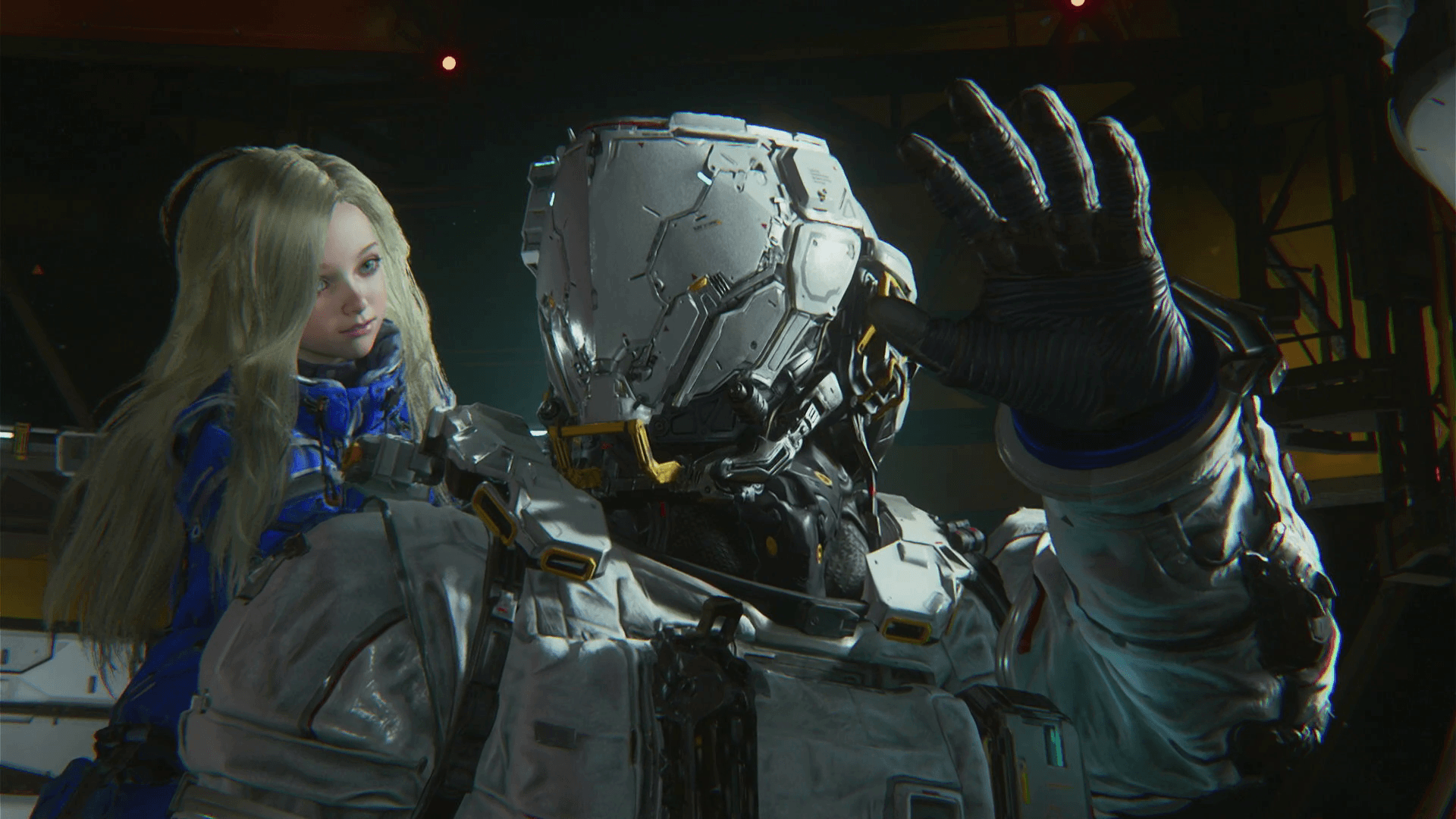
The other element that really drives Pragmata is its story. Look, I'll admit I rolled my eyes a little when I saw yet another big cool dude with a daughter-figure as the setup. That's how I knew it was truly 7th Gen in its design- its writers had probably just had their first kid and wanted to extoll the virtues of childbirth to anyone who would listen.
But surprisingly, Pragmata shies away from that cliche pretty interestingly. Hugh isn't Kratos, and he definitely isn't Joel. At the start of this game he's a pretty normally adjusted guy, and his worldview seems more Kojima than Druckmann. It's one of the reasons Pragmata's delays actually help it rather than hinder- now, more than ever, we need a game that romanticizes connection.
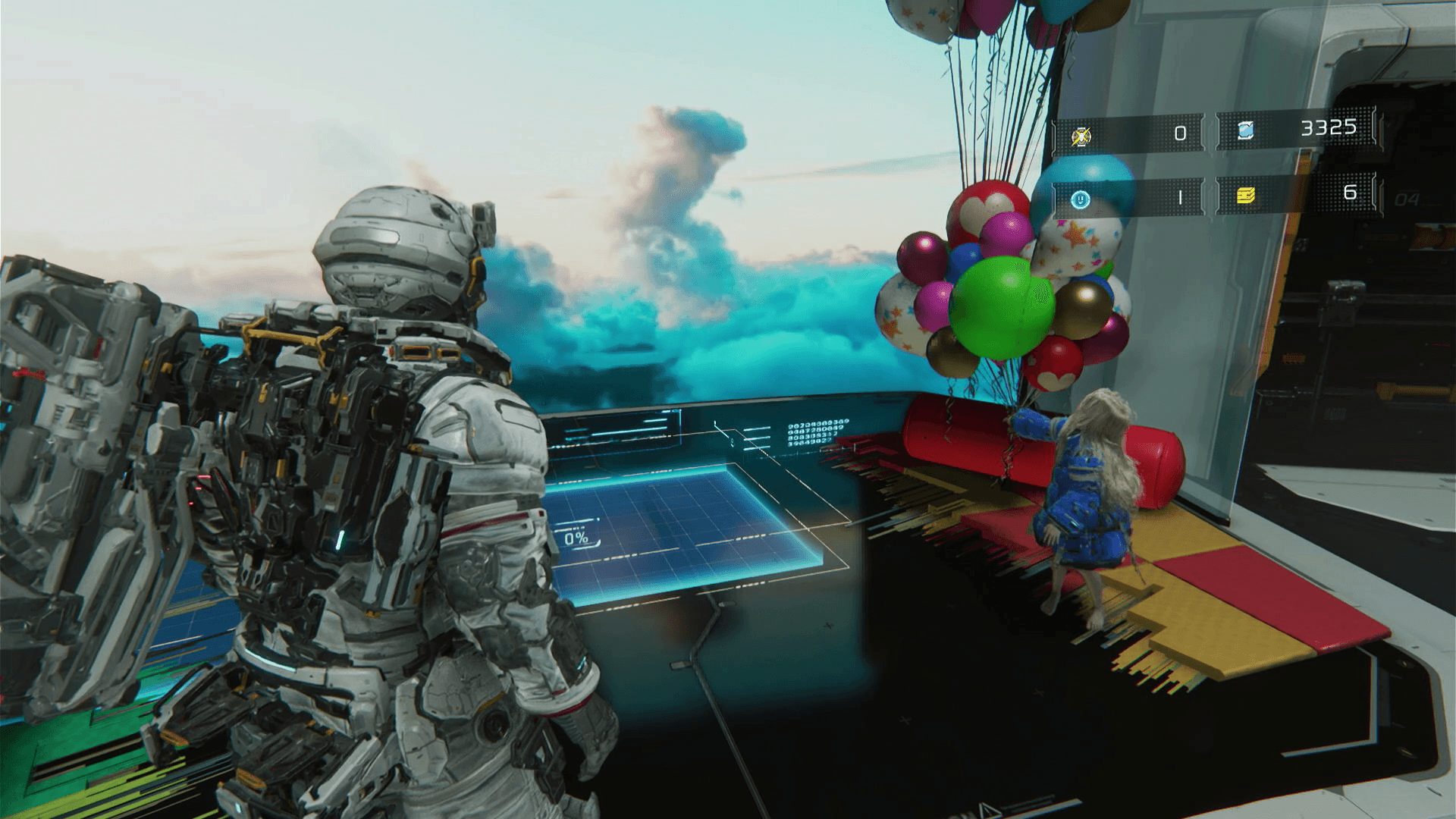
It's not just Hugh- the whole game is constantly drenched in an air that has been robbed of the human soul. Every email you read is about how meaningless life gets when you have a job but no work, and how much of a dystopia the world that humans no longer need to lift a finger is. Hugh comes off as this well-learned person, and he spends the game sharing with Diana all the life lessons he's experienced through his specific path: one that emphasizes human connection and relationship.
In a world where the worst people push for output at the expense of welfare it's nice to have a game that adores the human element. Despite Diana being a machine her child-like behavior isn't presented as an oddity: she simply is, and a lot of the game's heart comes from these small conversations you get to have with her in-between missions. A lot of credit to all the people who brought Diana to life- she's that specific flavor of Capcom-exaggeration and authentic kid behavior that you can't help but be charmed whenever you get her a new REM toy and she acts like the world has fundamentally changed.
Pragmata Verdict
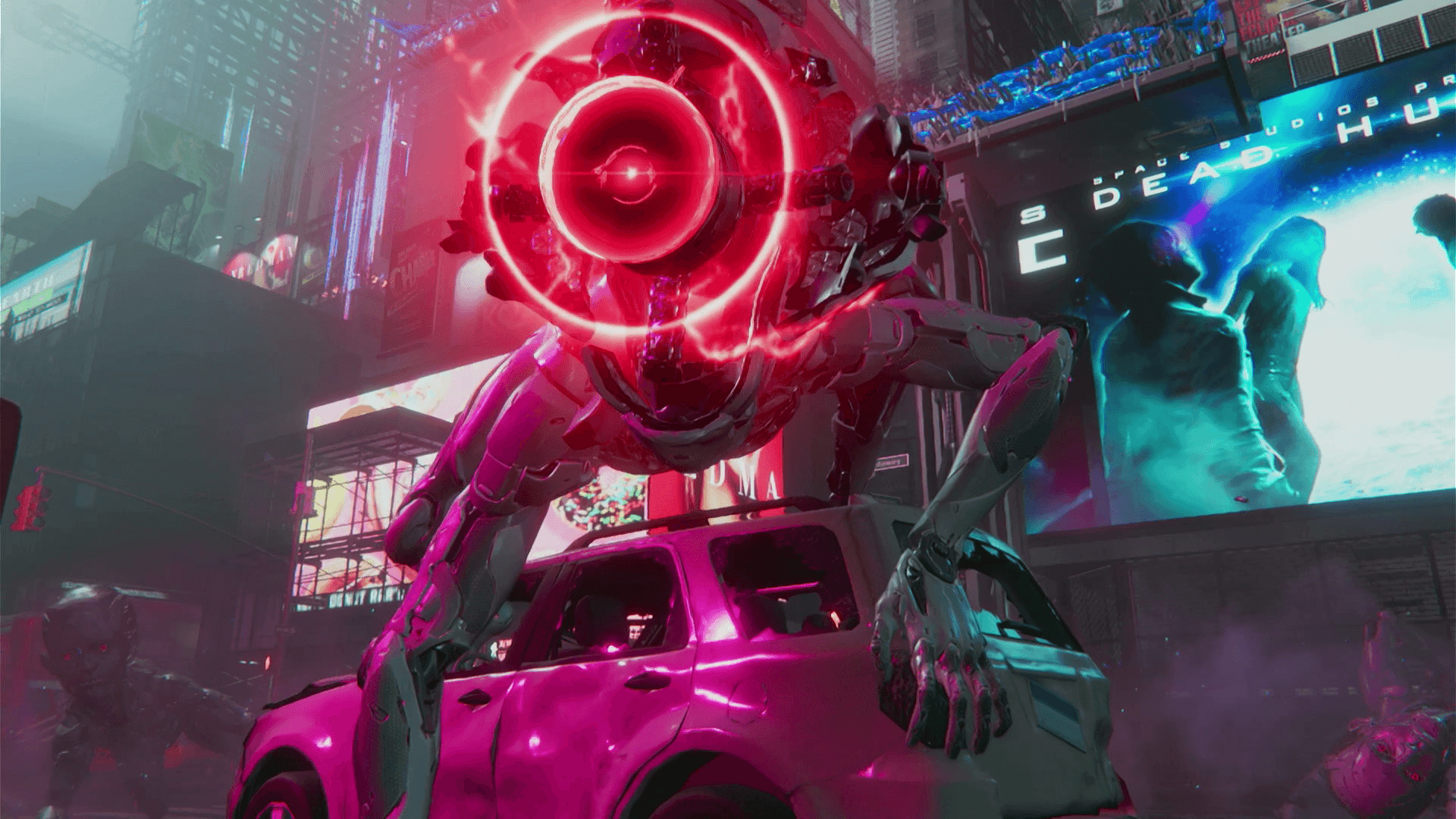
It's hard to describe Pragmata as anything less than worth the wait. For years I'd been wondering what Capcom had in store for this project, and Pragmata's been an absolute delight on that front. It's everything you want out of a new IP- a fundamentally interesting world dripping in artistic intent that's also just fun moment-to-moment.
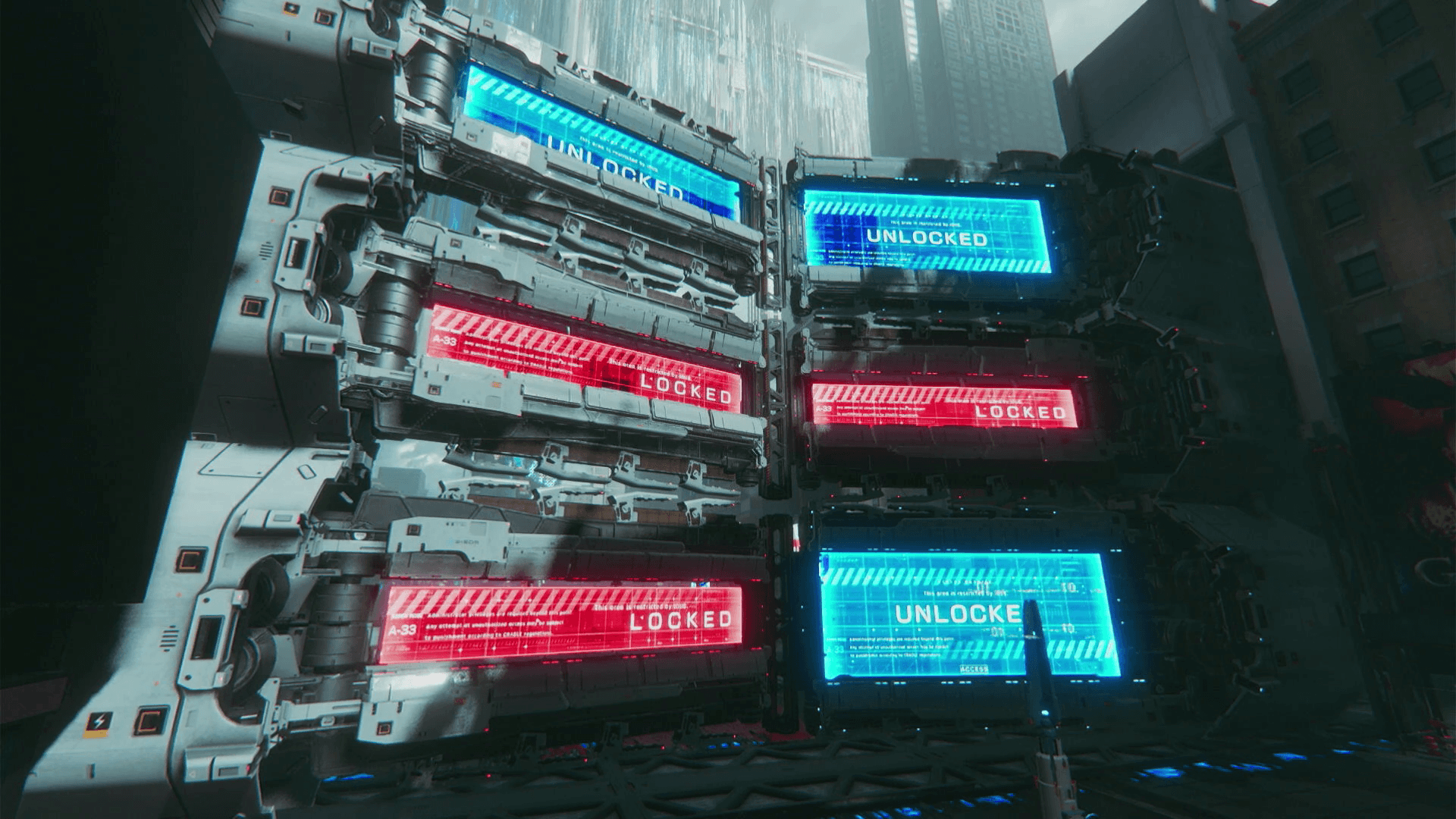
Its biggest gripe can come in the form of its level design: every stage is a locked door that Hugh has to find 5-6 terminals to unlock. The game tries to offset this with Hugh calling it out too, but ultimately that's the vehicle by which all of Hugh's adventures start and end. I personally don't mind it too much because the levels themselves are fun- it's just hard to not rollback your eyes every time there's yet another locked door (sometimes in both form and function) that requires 3-6 keys to open.
Still, as far as gripes go that's fairly minor for what you get otherwise. Pragmata is just as fun to ponder after as it is to actually mash buttons on, and that's a rare feat for a game to be nowadays. Get in on this if you're in the mood for something new.
Game reviewed on Nintendo Switch 2 (Docked). Review code provided by Capcom
Review Score
Pros
- Genuinely inventive gameplay
- A very sweet and thought-provoking story
- Glory to Diana
Cons
- If you don't gel well with the combat it will feel insurmountable