 Slimepress
Rayman Legends Retold Hands-On Preview — From Frenetic Platforming to Sky-Soaring Dragon Riding, a Reimagined Rayman Legends Adventure
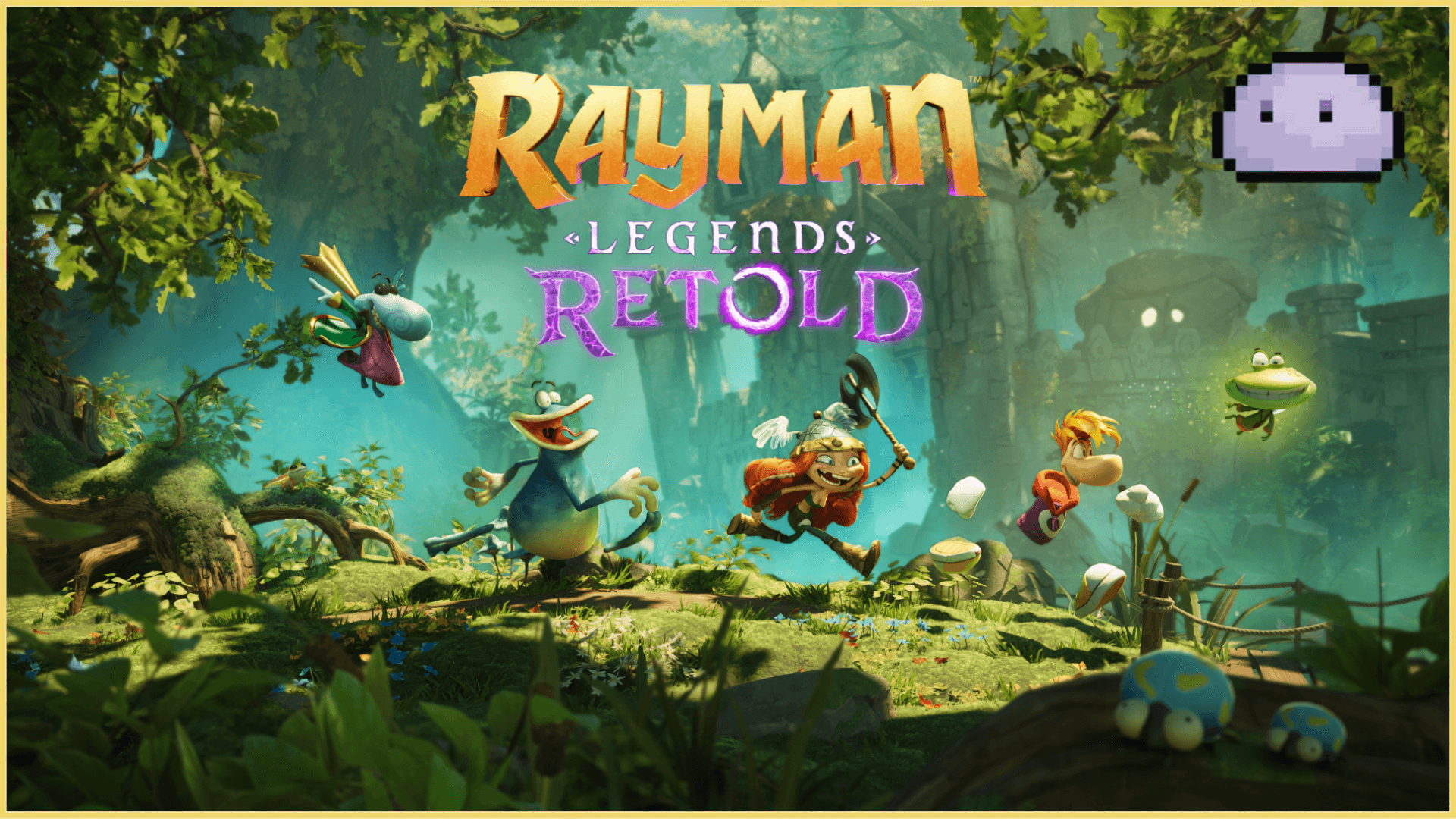
More than a decade has passed since the release of Rayman Legends, and during this time, Rayman has remained one of Ubisoft’s most recognizable franchises, yet it has long been without a true new large-scale entry. Now, Ubisoft is returning to this classic series, but not with a direct sequel or a simple high-definition remaster. Instead, it arrives in the form of an entirely new project titled Rayman Legends Retold.
I had the opportunity to attend a Ubisoft media hands-on event, where I spent around two hours playing a work-in-progress build of Rayman Legends Retold. My strongest impression from the session is that this is not merely a remastering effort. Rather, it feels like a love letter to the past while also serving as a blueprint for the future, aiming to re-establish the foundation of a platforming series once regarded as genre-defining.
It should be noted, that this hands-on build did not include the original Rayman Legends’ key two-player cooperative mode. As a result, it was not possible to evaluate multiplayer interactions or pacing changes in a co-op context. That said, based on the single-player experience, the level design continues to uphold the series’ core principles, emphasizing rhythm, flow, and immediate player reaction, allowing the fundamental structure of its platforming gameplay to come through clearly.
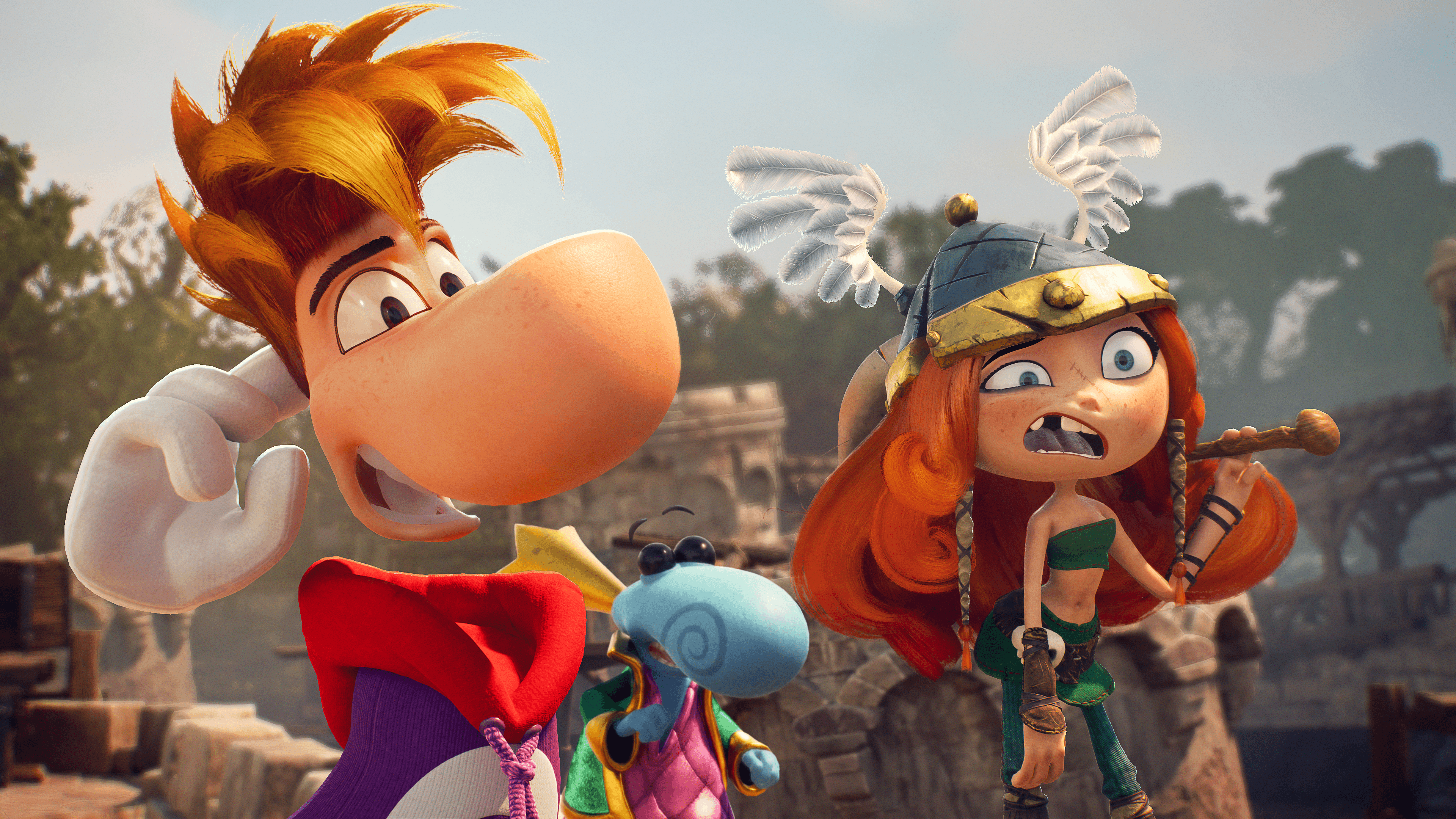
When discussing Rayman Legends Retold, it is essential to first understand the special place the original Rayman Legends holds in the hearts of players.
Released in 2011, Rayman Origins reintroduced many players to the charm of 2D platformers. Developed by Ubisoft Montpellier using the UbiArt Framework, its hand-drawn visual style stood out with striking animation quality. Combined with tightly rhythmic level design and exceptionally smooth controls, it successfully brought Rayman back into the spotlight.
Two years later, Rayman Legends was released and was widely regarded by media as a significant evolution over Origins. With more varied level design, expanded cooperative gameplay, and its now-legendary music stages, it became one of the most defining platformers of its era. In particular, the iconic Castle Rock level remains a standout example of how rhythm and platforming can be seamlessly fused. Players sprint, jump, and dodge obstacles in sync with the music, effectively taking part in an interactive rock concert, an experience that still holds up today as a benchmark in level design.
Because of this legacy, Ubisoft’s decision to revisit Rayman Legends presents a challenge that goes far beyond graphical upgrades. The real difficulty is how to reinterpret a game that is already considered close to perfection.
I think this is precisely why the term “Retold” was chosen. The development team has repeatedly emphasized that Rayman Legends Retold is neither a simple remaster nor a traditional remake. The choice of “Retold” reflects their intention not just to recreate the past, but to re-narrate this adventure.
At its core, Rayman has always been defined by three key elements: boundless creativity and imagination, a whimsical yet captivating fantasy world, and an enduring sense of joy and positivity. Therefore, the goal of Retold is not to replicate Legends frame by frame on modern platforms, but to rebuild its world through new technology, new narrative approaches, and new presentation methods, ultimately laying the foundation for the future of the Rayman series.
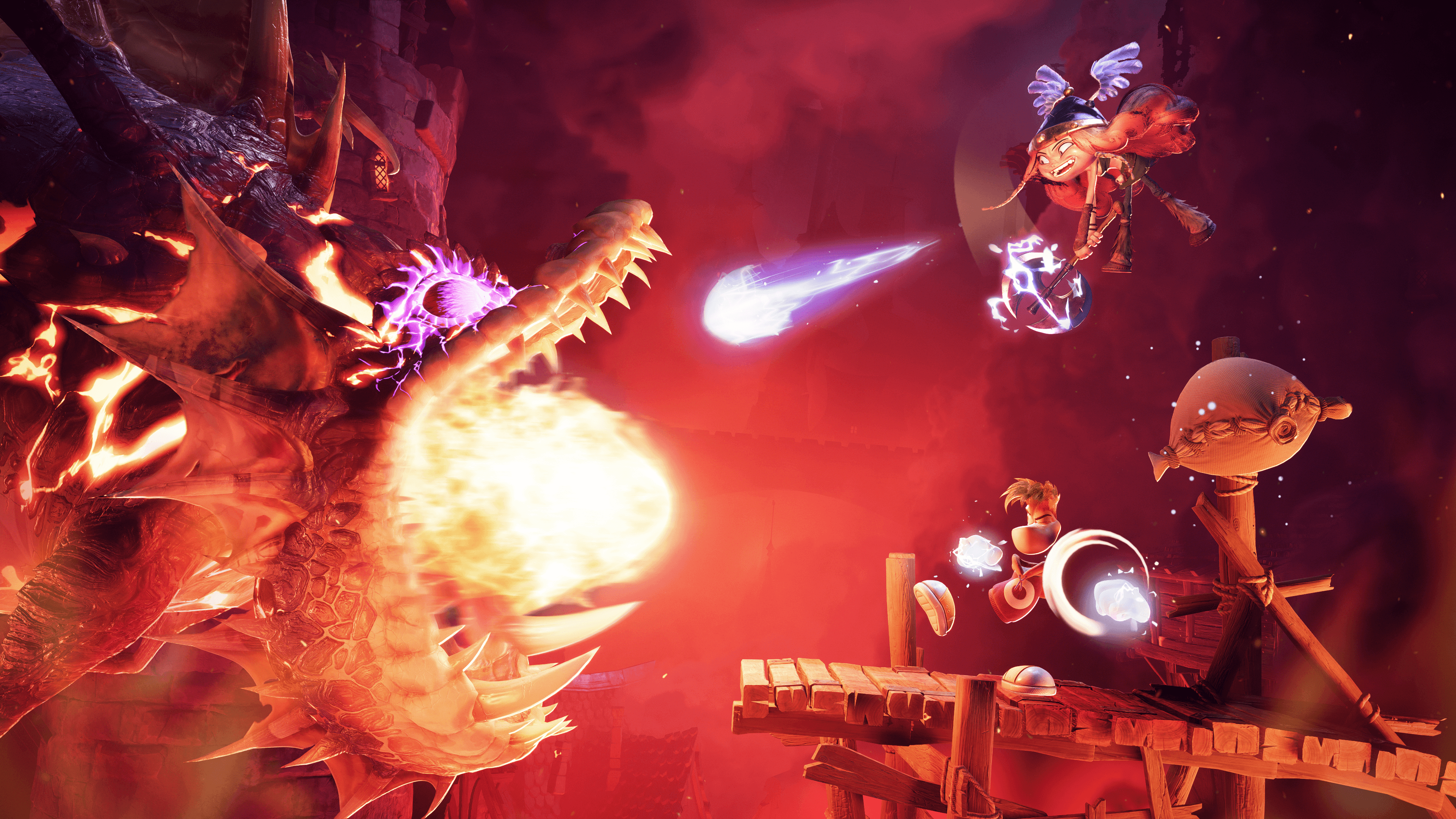
The clearest expression of this ambition can undoubtedly be seen in its visual presentation.
Rayman Legends Retold is being developed using Ubisoft’s Snowdrop engine, a technology previously used in major Ubisoft titles such as The Division, Avatar: Frontiers of Pandora, and Star Wars Outlaws.
At first glance, it is easy to assume that the game has simply translated the original levels into a 3D perspective. However, once you actually play it, it quickly becomes clear that the reality is far more complex.
The development team is not pursuing realism. Instead, they are using modern technology to bring the world of Rayman more vividly to life. Surfaces such as stone, wood, mud, vegetation, and architectural structures now feature far more detailed textures and material definition. While the game still firmly preserves the franchise’s signature cartoon aesthetic, the world itself feels significantly more tangible and immersive than before.
I'd say it feels familiar with the environments remain intact, but the shift to a new 3D presentation creates a completely different emotional impression. If the original Rayman Legends felt like an interactive animated film, then Rayman Legends Retold feels more like a fully explorable fantasy theme park that players can physically step into.
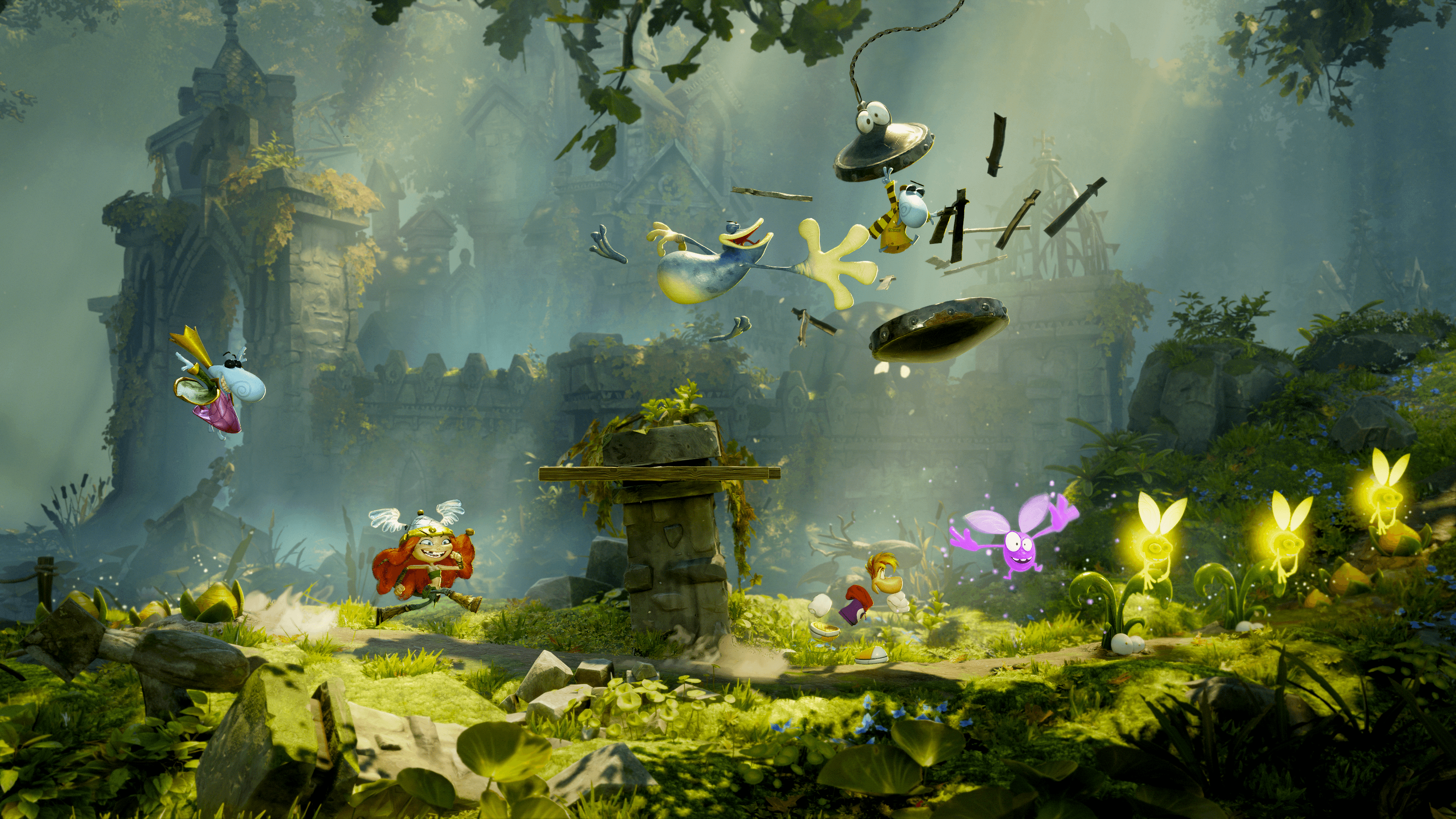
Interestingly, despite the significant upgrades in visuals and narrative presentation, the core gameplay remains largely unchanged.
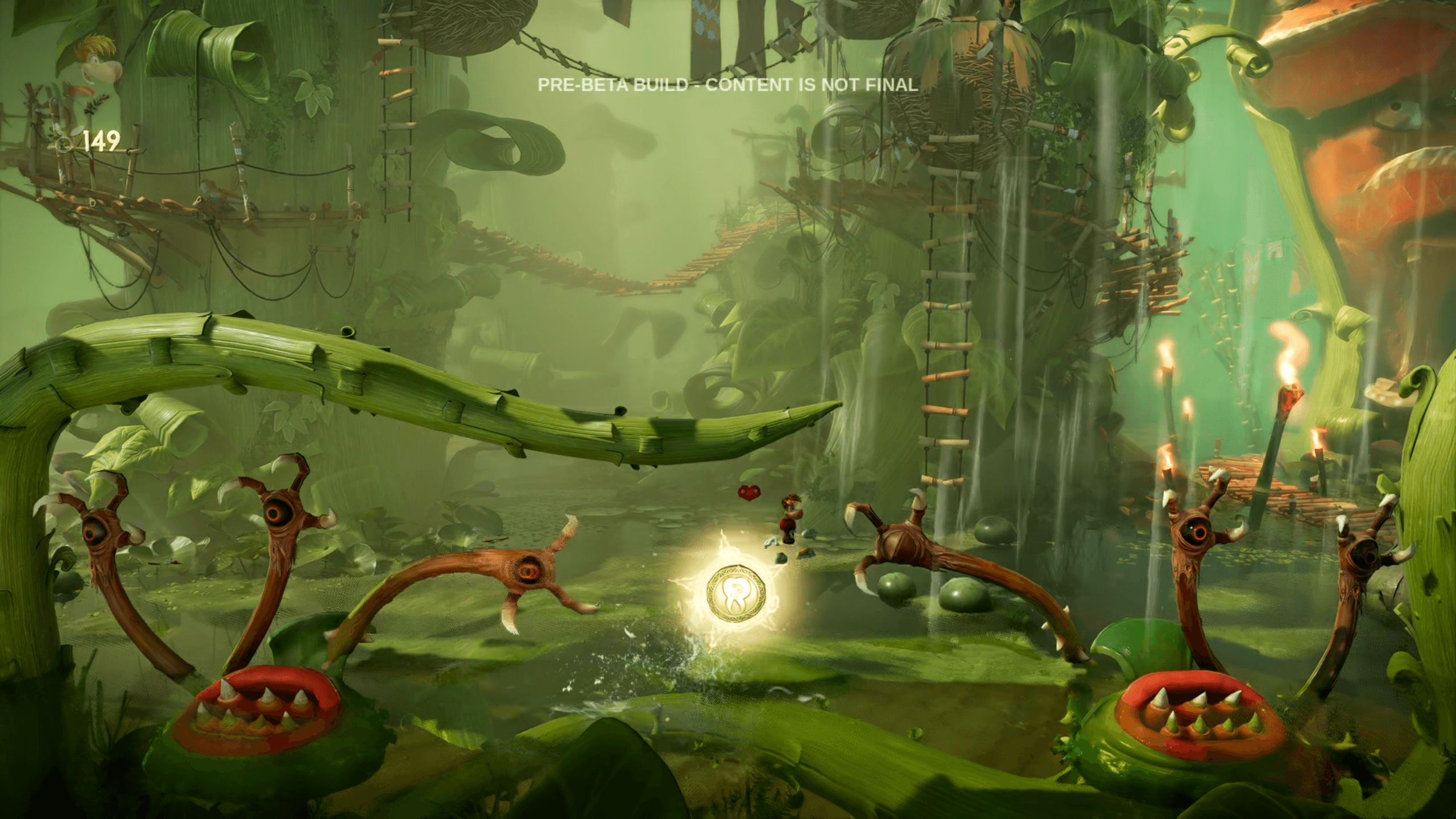
This hands-on session primarily covered the game’s opening and its first two worlds: Old Teensie Kingdom and The Stinkbog, both of which are directly carried over from the original Rayman Legends. Each world consists of multiple levels, and the overall structure remains familiar: players can freely choose which stage to enter, and must still navigate through levels by jumping, running, attacking, and gliding. Along the way, they collect Lums, rescue the cleverly hidden Teensies, and discover various secret areas and hidden routes.
As the first world encountered in the hands-on, Old Teensie Kingdom continues to follow the classic linear platforming structure that defined Rayman Legends. Its pacing is primarily designed around gradual onboarding and tutorial-like progression, using a carefully controlled difficulty curve to help players reacquaint themselves with the core mechanics. These include essential actions such as jumping, attacking, gliding, and avoiding environmental hazards.
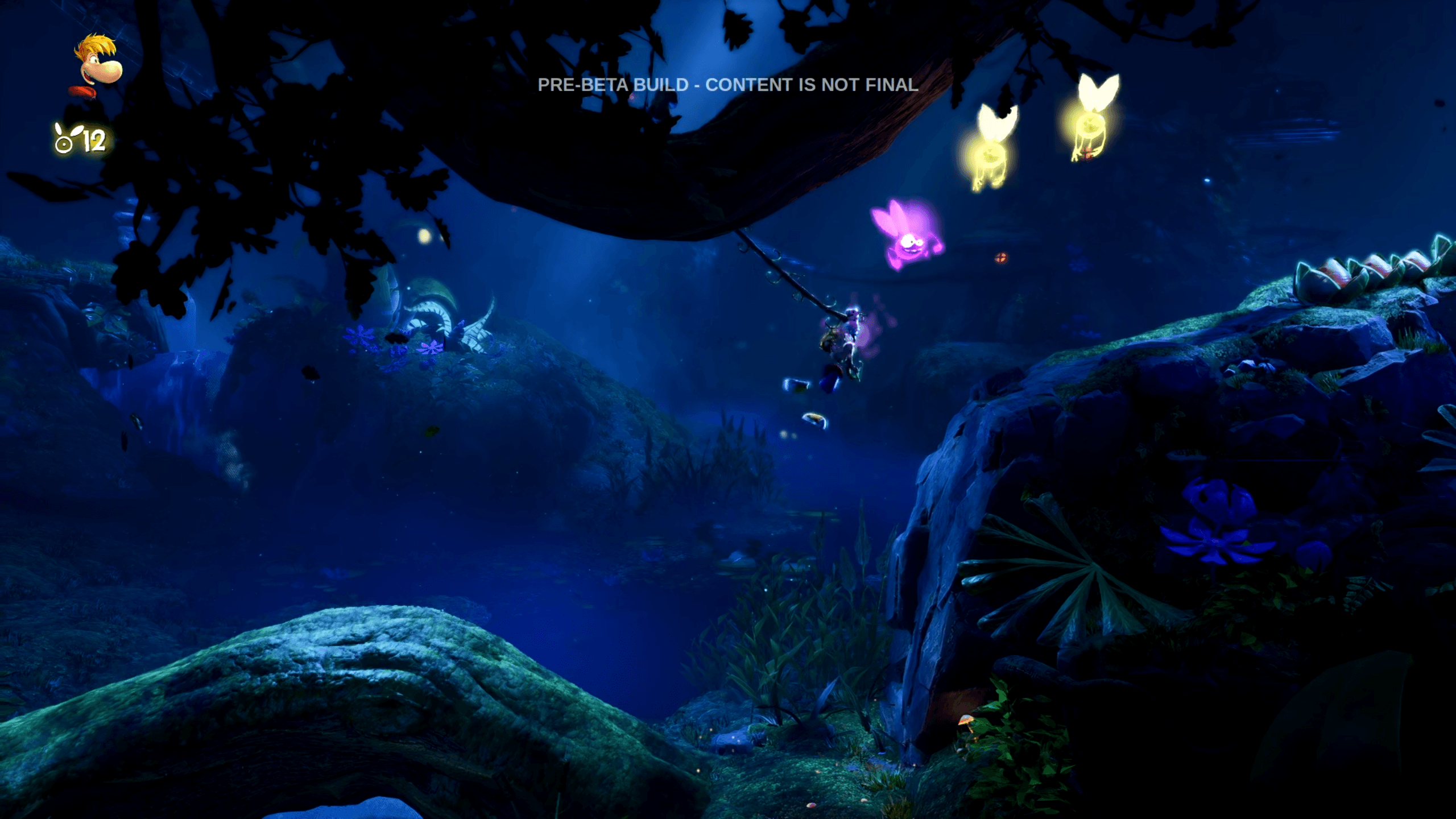
In actual gameplay, this world’s level design continues to emphasize rhythm and fluidity. Players gradually build an understanding of each stage through constant movement and reaction, while objectives such as collecting Lums and rescuing Teensies are seamlessly woven into the experience. This helps maintain a light, fast-paced flow with a clear sense of direction throughout.
Even with the addition of more detailed 3D visual presentation in this remake, the underlying gameplay structure remains faithful to the original design philosophy.
What surprised me most during play was how immediately familiar everything felt. Despite the complete upgrade to a modern 3D art style, the moment the character begins running through levels, jumping, punching, and using the signature glide ability to weave through traps and environmental hazards, the distinct rhythm of Rayman Legends quickly returns.
The placement of obstacles, enemy positioning, and chaining of actions all preserve the series’ signature sense of smooth momentum and satisfaction, effortlessly drawing players into that “just one more level” mindset.
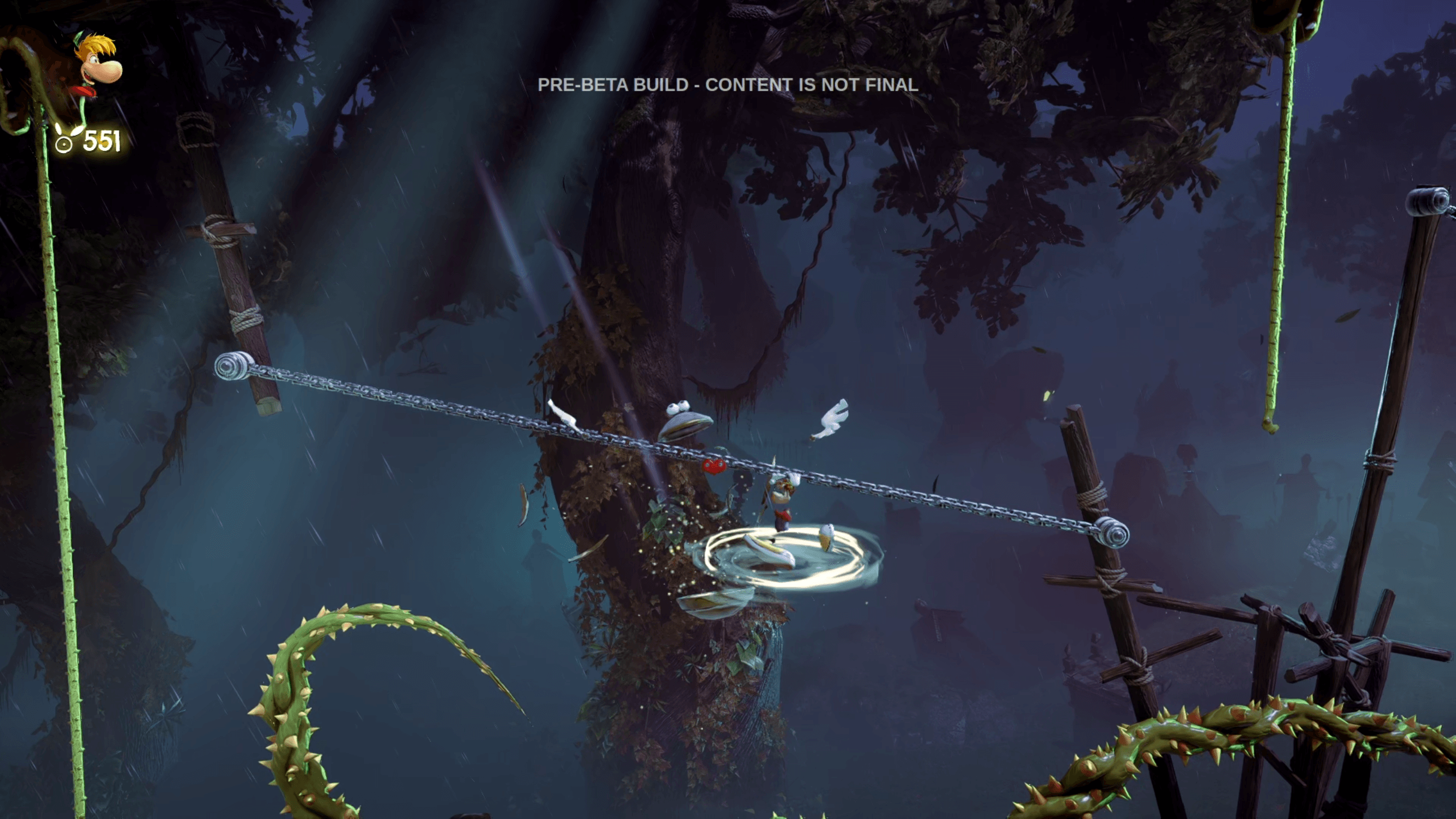
In contrast, the second world, The Stinkbog, introduces a noticeably stronger emphasis on verticality and movement variation in its level design, with gameplay that places greater focus on aerial gliding and rhythm-based control.
Players are required to navigate between platforms at varying heights, using gliding and air currents to adjust their routes, making the experience feel more like dynamic pathfinding rather than straightforward horizontal progression. Compared to the previous area, this world features a more demanding pacing. Its stage mechanics and enemy placements are denser, requiring sustained concentration and precise execution from the player.
Overall, it continues the design direction seen in the later stages of Rayman Legends, where difficulty and complexity gradually ramp up, while the enhanced 3D presentation further reinforces the sense of spatial depth and layered movement.
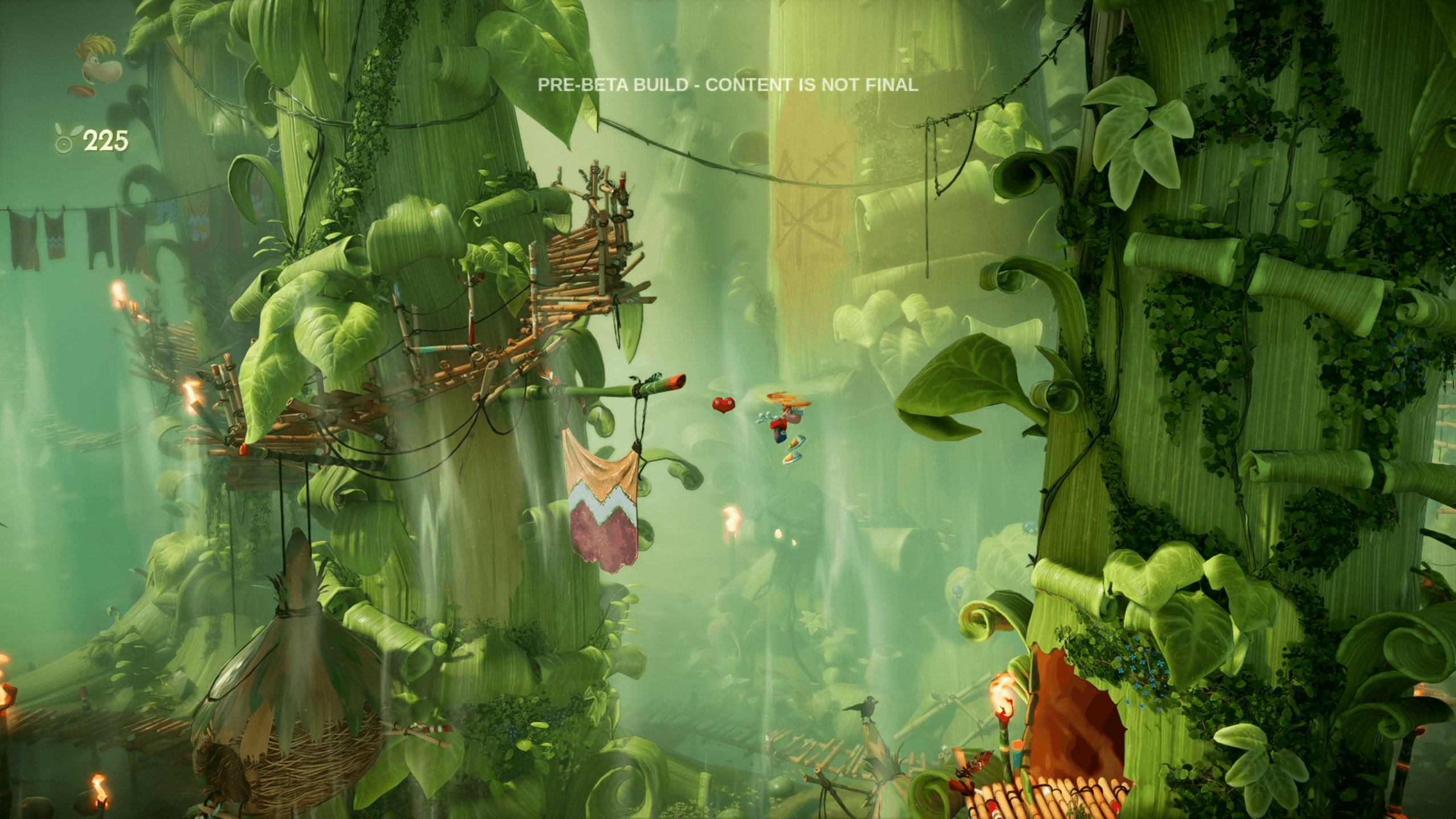
In the end, successfully chaining together a series of jumps, sweeping up large clusters of Lums along the way, and then seamlessly traversing an entire section without breaking momentum still delivers an incredibly satisfying sense of flow. The platforming feel remains highly addictive, built on a near uninterrupted rhythm of movement and reaction.
What truly makes Rayman Legends exceptional, however, is not simply the fact that Rayman can jump, glide, or navigate cleverly designed levels, it is the game’s masterful understanding of rhythm.
Some of the most memorable moments in the original game often came not from completing a level for the first time, but from replaying it over and over again. This is especially true of the later Invaded stages, which transform familiar levels into high-speed time trials that challenge players to reach the finish line as quickly as possible in order to rescue additional Teensies. At that point, success is no longer measured by simply surviving to the end. Instead, the focus shifts to maintaining momentum through every jump, every attack, and every glide, pushing the character's movement to its absolute limit.
As players begin to understand the inertia behind Rayman’s sprint, the subtle displacement gained from attacking mid-movement, and the optimal landing points between platforms, the experience gradually evolves from a traditional platformer into something closer to a rhythmic parkour performance. Even failure rarely feels frustrating, because players can usually identify exactly where they lost momentum—a jump that came a fraction of a second too late, or a landing that was slightly off target.
This is also why, despite Rayman Legends Retold preserving much of the original level structure, I still found myself drawn in by the same familiar appeal. The reason Rayman Legends became a classic was never solely the levels themselves, but rather the fluid rhythm and responsive controls that constantly encourage players to think, "One more try, I know I can do it faster this time."
Even more than a decade after the original release, the core enjoyment of this gameplay loop has not aged. In many ways, this hands-on session makes it easy to understand why Rayman Legends was once regarded as one of the defining modern platformers of its time, the answer still comes through clearly in the moment-to-moment experience.
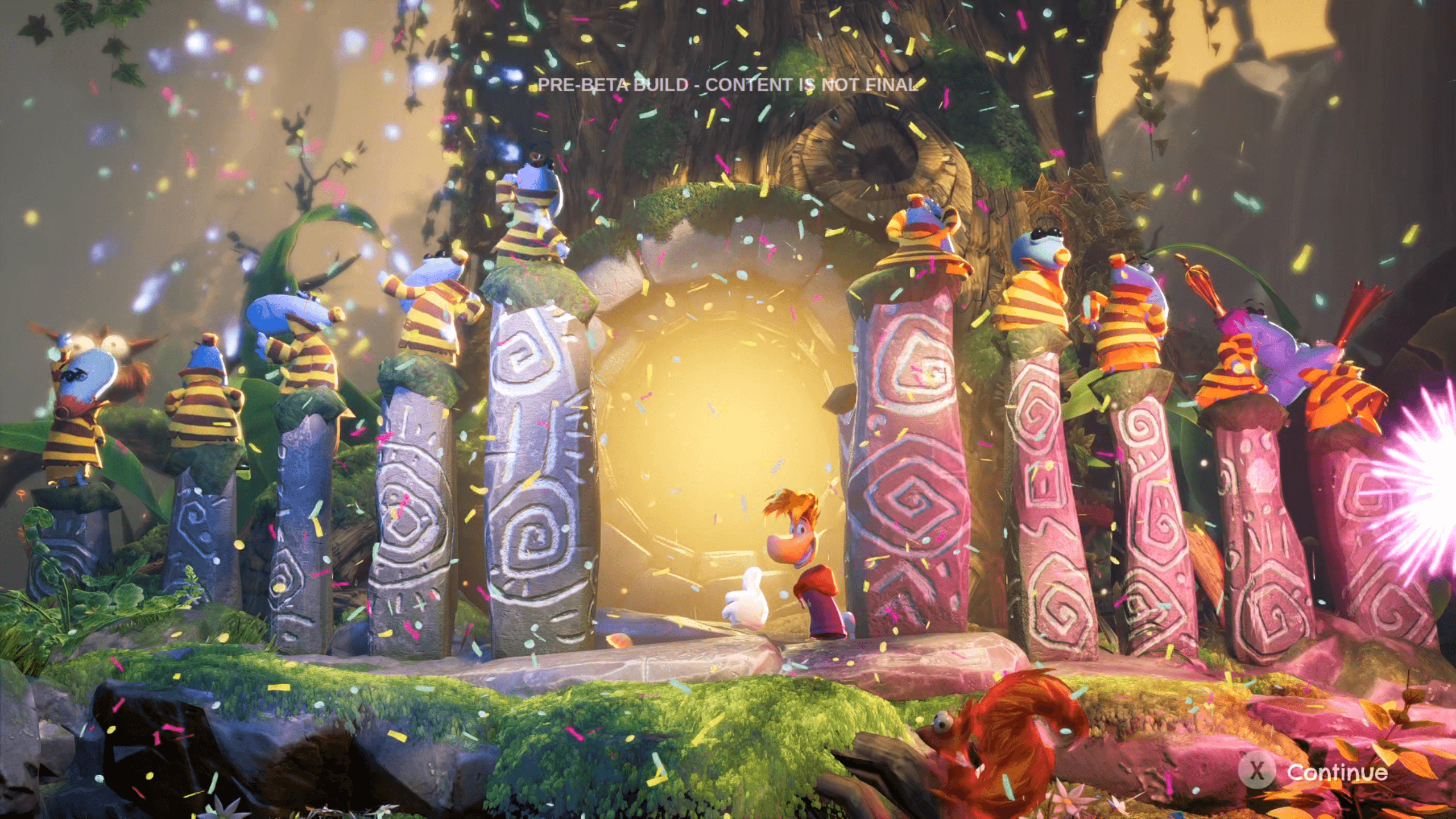
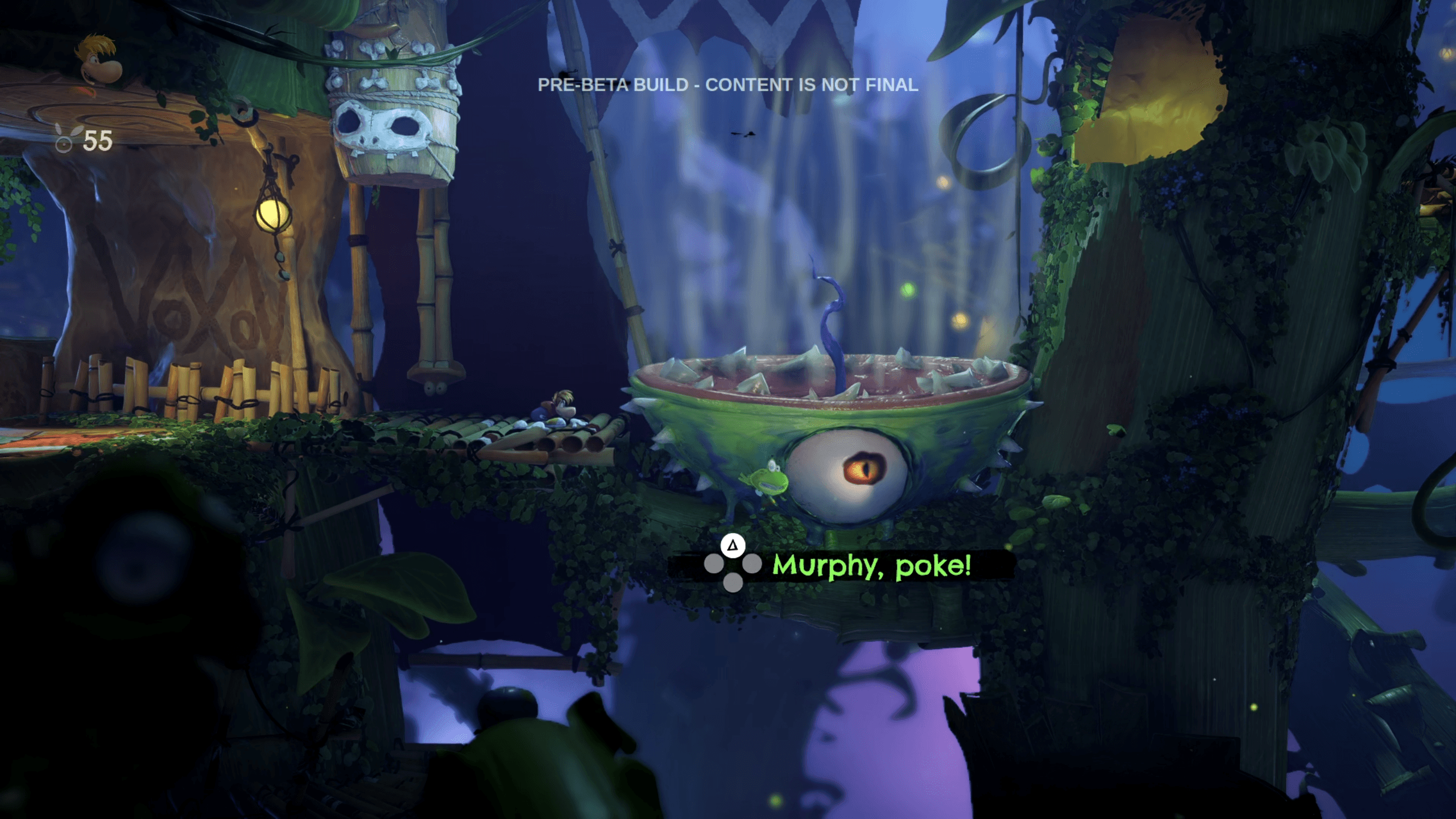
Another system worth highlighting is Murphy’s interactive role.
As one of the most distinctive mechanics from Rayman Legends, Murphy returns in Retold, but its control scheme has been adapted for a more traditional controller-based setup, moving away from the touch-centric implementation seen in the Wii U version.
Rather than functioning as a passive companion, Murfy directly influences level progression. Players trigger actions via button inputs to activate mechanisms, move platforms, open pathways, or assist in clearing obstacles.
What makes this system effective is how naturally it integrates into the platforming flow. Instead of interrupting momentum, Murphy sections act as brief interactive breaks, short puzzle-like sequences embedded within fast-paced traversal. This creates a subtle rhythm shift without ever breaking the overall gameplay continuity.
It is clear that Ubisoft is not attempting to overturn the design that made the original so successful. After all, the reason Rayman Legends became a modern classic lies in its platforming formula, one that strikes a delicate balance between simplicity and depth.
New players can easily enjoy the adventure at face value, while completionists and veteran players are continuously encouraged to push for higher efficiency and faster clear times.
While not surprising, it is still worth emphasizing that Retold adopts the control scheme from the PlayStation 3 version rather than the touch-based design featured in the Wii U release. For today’s console audience, this choice is clearly the more intuitive and accessible approach.
If there is one element in this hands-on session that most clearly represents the new direction of Retold, it is undoubtedly the dragon-riding stages.
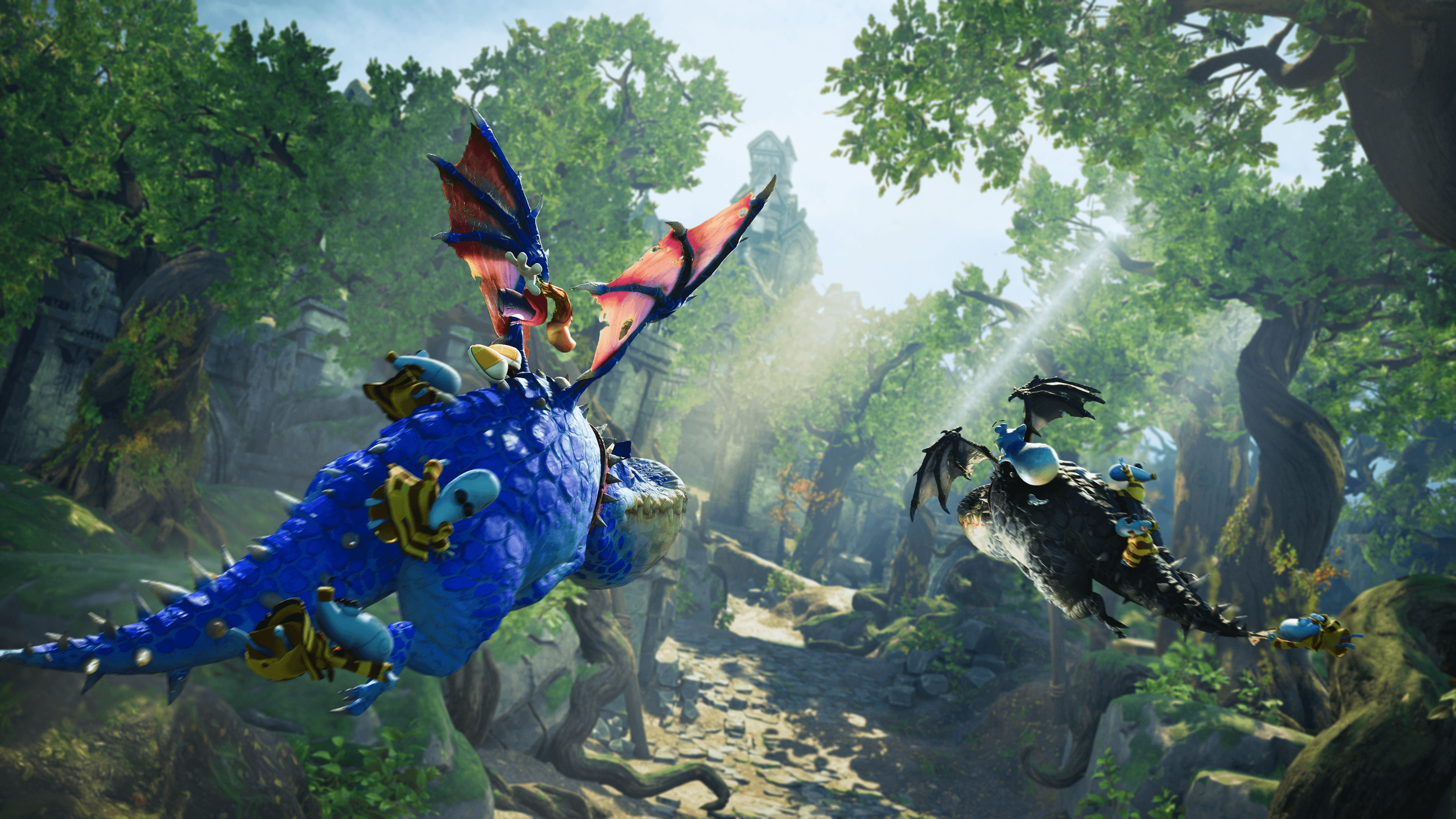
These newly designed dragon sequences serve as connective transitions between different worlds, allowing players to truly feel as though they are embarking on a grand adventure across a fantastical landscape. In practice, the gameplay rhythm here is noticeably different from traditional platforming sections.
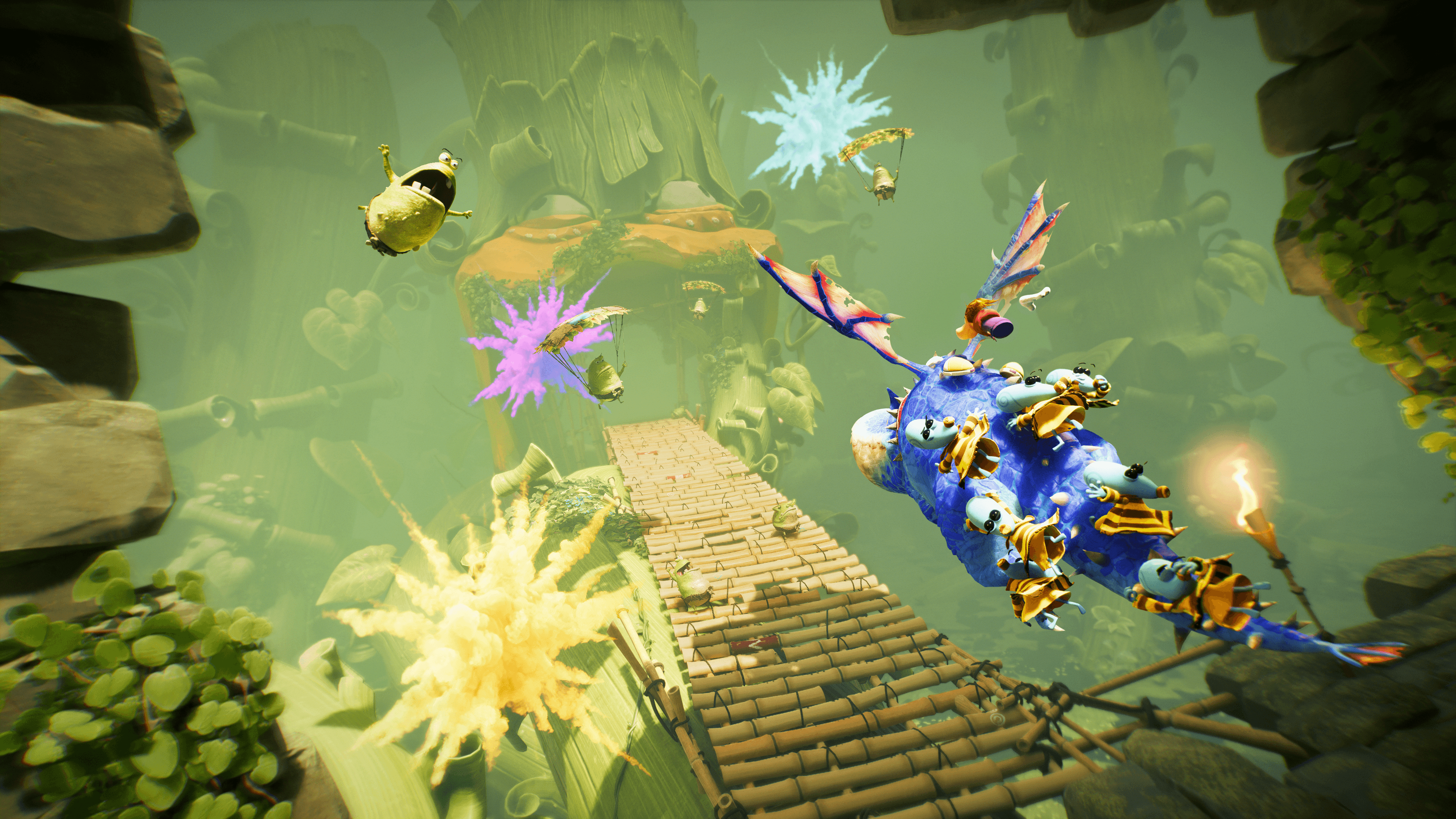
Players mount massive dragons and soar through expansive environments at high speed, dodging obstacles and terrain hazards while being carried along by a strong sense of momentum and visual spectacle. The experience is reminiscent of large-scale action set pieces in modern action games, evoking moments similar to the underwear-airborne sequences in It Takes Two, or even the high-intensity flying segments such as the Icarus Wings sequence in God of War III.
Although some aspects of the controls still feel in need of refinement at this stage, these segments already stand out as one of the most distinctive additions in this remake. Once polished, they have the potential to deliver an even more exhilarating sense of speed and impact.
More importantly, these stages also seem to hint at Ubisoft’s broader vision for the future of Rayman. If the original Rayman Legends was defined by meticulously crafted platforming challenges, then these dragon-riding sections feel like a reminder that Rayman has always been, at its core, a fantastical adventure, rather than just a sequence of platforming levels.
During the hands-on session, occasional input lag was experienced due to on-site hardware and network conditions.
Ironically, these minor disruptions ended up reinforcing an important realization: No matter how much the visuals are upgraded, or how many new narrative elements and adventure-driven ideas are introduced, Rayman Legends Retold is still fundamentally a platformer at its core.
Even slight input delay immediately affects jump distance, landing precision, and timing-based dodges. In that sense, it becomes even more apparent that Ubisoft has not lost sight of what makes Rayman Legends so valuable: its foundation still rests on precise controls, fluid pacing, and highly creative level design.
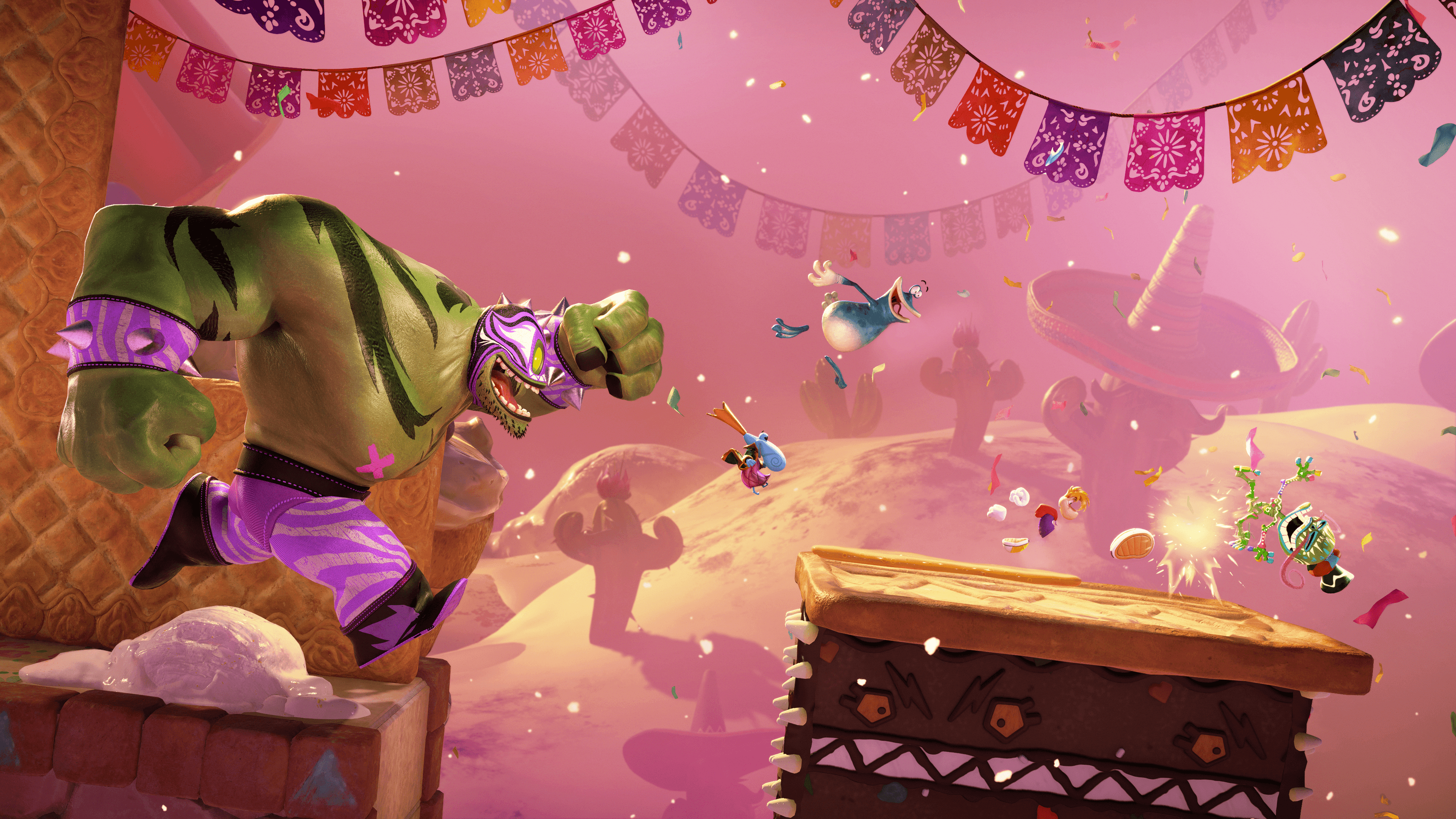
Based on the two-hour hands-on, Rayman Legends Retold demonstrates an ambition that goes far beyond simply giving a classic game a visual upgrade. Ubisoft clearly aims, through this “Retold” approach, to redefine Rayman’s position in the modern gaming landscape, positioning it both as a love letter to long-time fans and as an accessible entry point for a new generation of players to rediscover the franchise.
Rayman Legends Retold is scheduled to launch on October 1 2026, releasing across all major platforms. And if the final release succeeds in fully realizing the ambition shown here, Rayman Legends Retold may not only mark Rayman’s return, but also serve as the starting point for its next decade-long evolution.