 Slimepress
Romeo Is A Dead Man Is A Punk Man
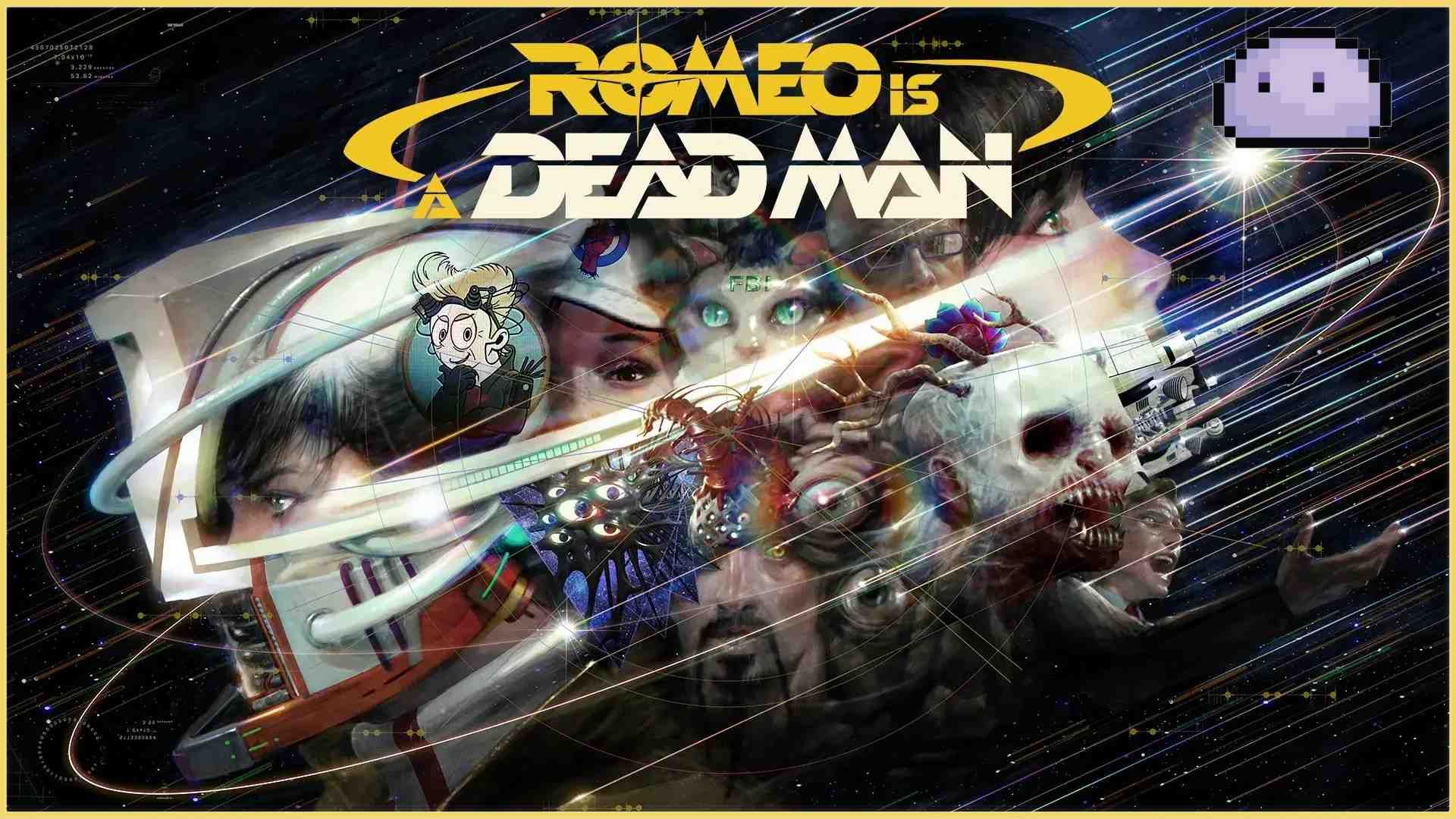
In an age of design by committee and general appeal, this review examines Romeo Is A Dead Man- a game that desperately does its own thing, even occasionally at its own expense.
Romeo Is a Dead Man wears its legacy as a Grasshopper Manufacture title right on its sleeve. The developer, helmed by renowned “punk” director Suda51, is known for its stylized pulp titles that blend charming characters with high visual flair, often alongside clunky gameplay and disjointed narratives.
Romeo very much follows in this legacy, a game with many faults, yet one that still hooks you with its experimentation and willingness to break outside the norm. In a time when gaming feels safer and more conventional, people looking for something more disruptive may find what they’re looking for here.
Title: Romeo Is A Dead Man
Developer: Grasshopper Manufacture
Publisher: Grasshopper Manufacture
Platforms: PS5, Xbox Series X|S, PC
Suda51 Rides Again
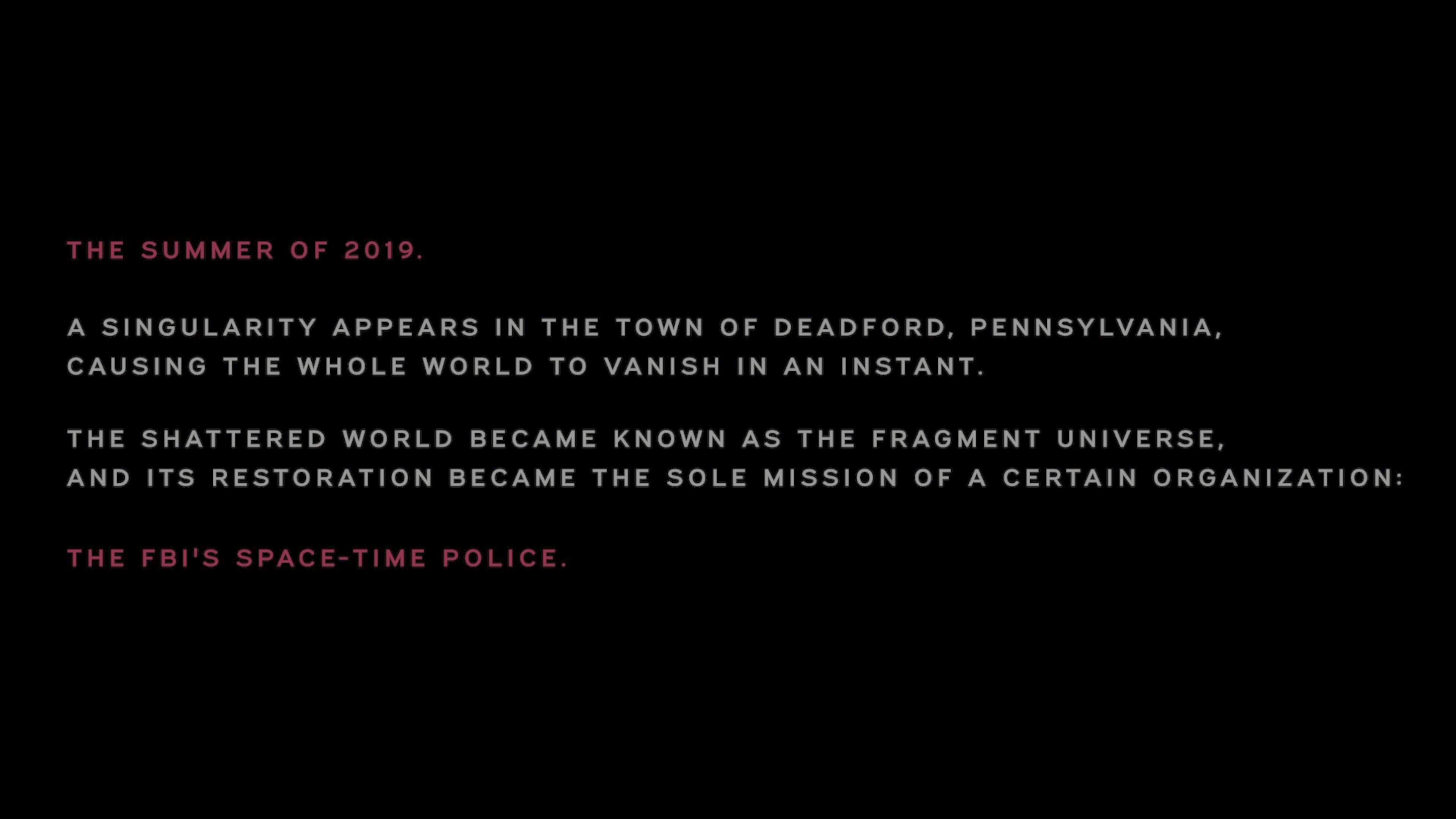
Within the first 30 minutes, Romeo is a Dead Man throws the player into the deep end. Apparently, the world has been shattered across space and time, leading the Space-Time Division of the FBI to try to put it back together by hunting down time drifters across the multiverse.
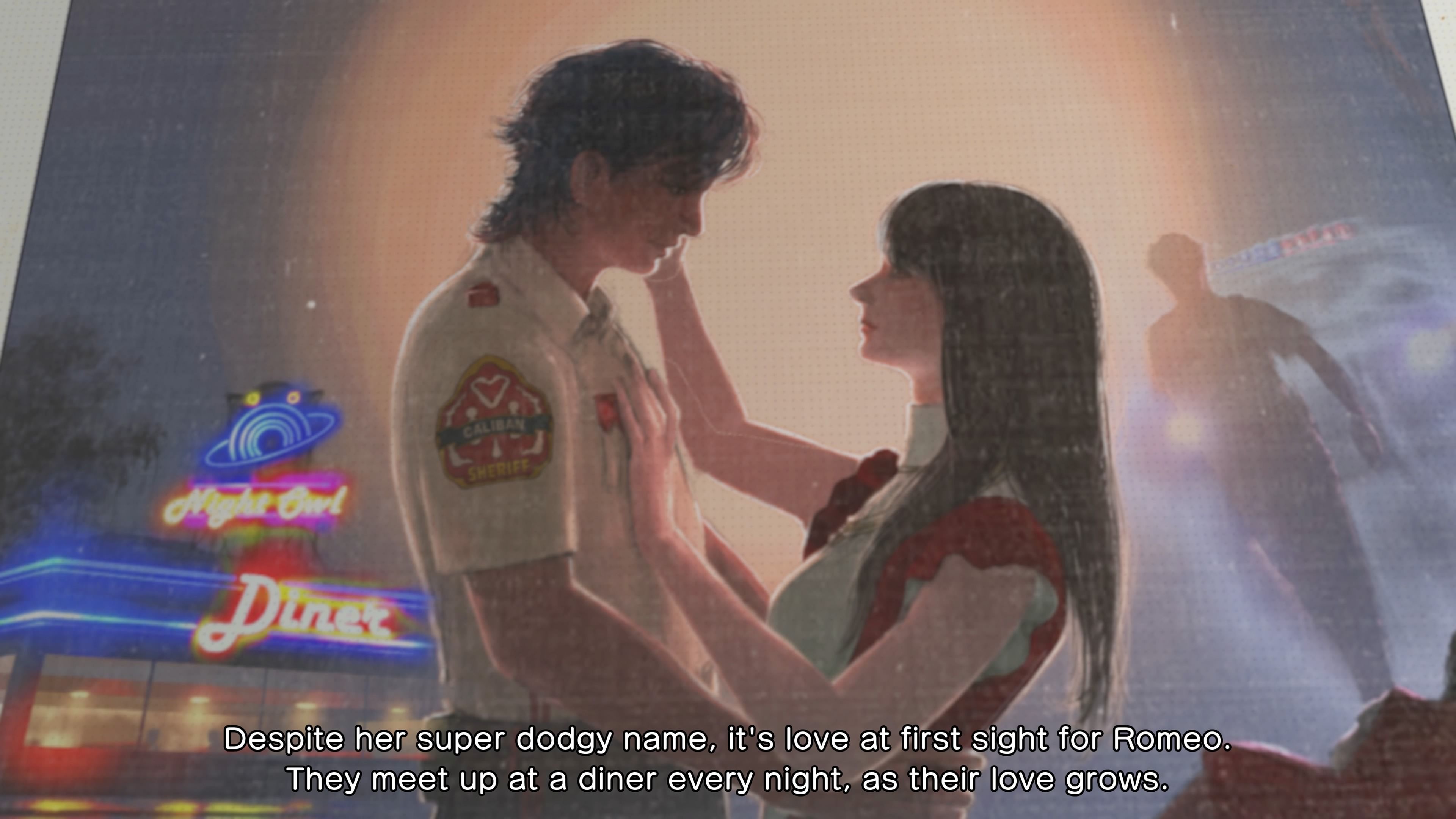
While this is happening, local small-town sheriff Romeo Stargazer is about to elope with the love of his life, Juliet Dendrobium, until he is mortally wounded by a White Devil. Thankfully, Romeo’s genius scientist grandpa is able to save him by turning the sheriff into a half-dead cyborg called “Deadman.”
Now Deadman must join the Space-Time FBI in hunting down criminals across the universe, including multiple variations of Juliet. It turns out she’s a wanted space-time criminal entity with different avatars across several time periods.
Yes More Heroes
This exposition is swung at the player with all the subtlety of a sledgehammer, making for a flashy yet confusing tutorial level as the game moves at a breakneck pace to get you into the swing of things. It’s very disjointed in the first couple of chapters, and I can see people being turned off by all the chaos and unanswered questions.
As the story continues, though, the game makes it clear you don’t really have to fully understand everything. Much like Killer7 and The Silver Case before it, there may be a galaxy of lore here, but it’s treated more as fun trivia than something necessary to understand the central plot. The following chapters quickly put more focus on the main cast and how they find their place in this wider world.
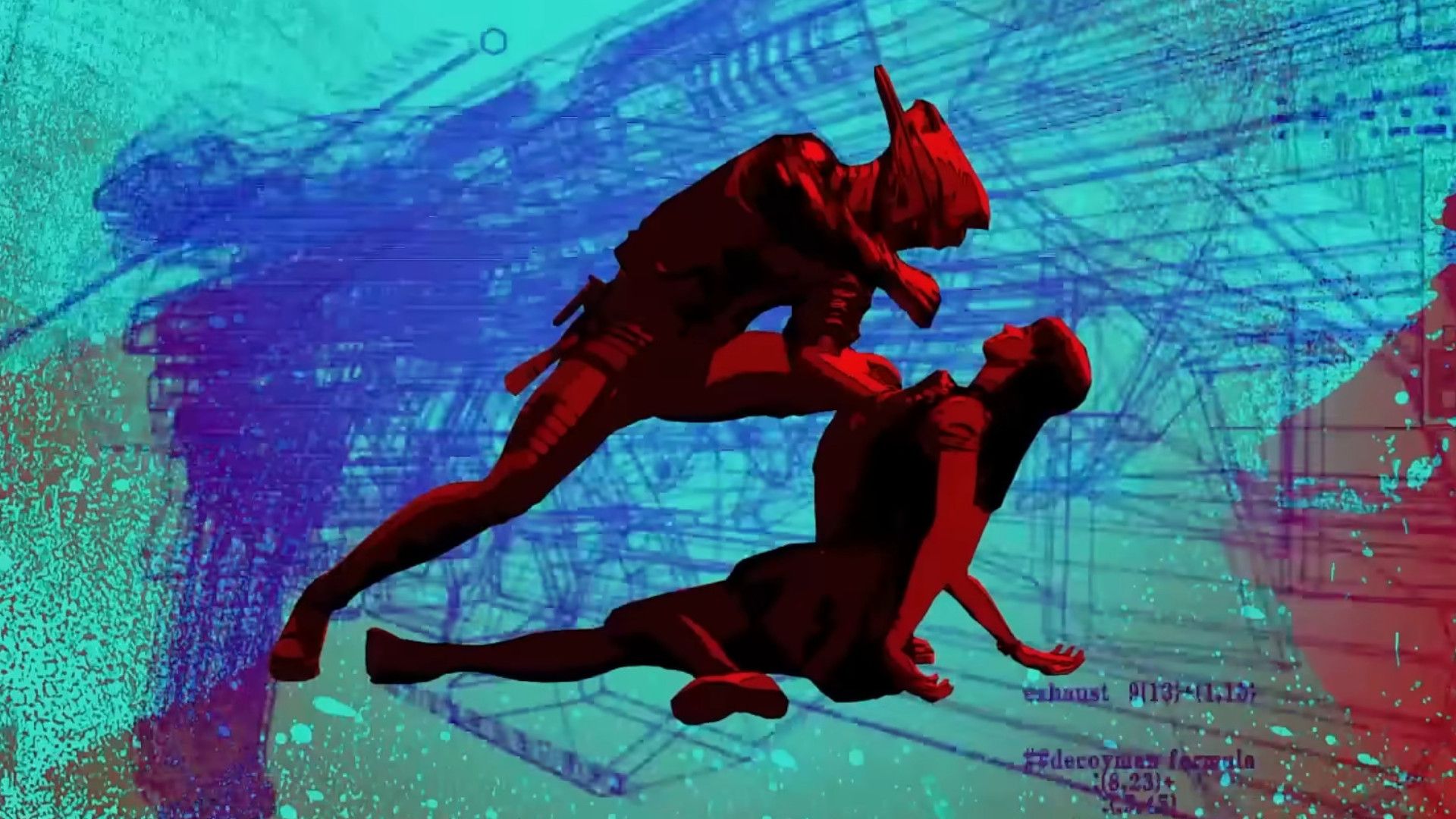
The game gets creative in telling its story through cutscenes featuring different art styles—from traditional CG to comic book panels to even stop motion. This is further complemented by Resident Evil–style diary entries and documents scattered throughout each level, giving flavor text and backstory to Romeo’s new targets and the world at large.
Between each level, you’re returned to your spaceship hub world, represented in an 8-bit style, and given time to relax with the supporting cast, learning more about Romeo through interactions with his family and coworkers. It all works to help the player make sense of this wider multiverse and clarifies where Romeo stands and what he wants to accomplish.
It also adds to the zany nature of the game. The fun of Suda’s storytelling is watching characters go from deep philosophical pondering to obscure anime references to dick jokes within the span of two sentences, and you definitely feel that here.
There’s a scene where your sister performs a full rakugo routine and another where you and a colleague rant about famous football matches, the kinds of topics Suda probably only put in the game because they were running through his own head at the time. It weirdly makes the characters feel more human, like two friends hanging around and talking about whatever topic happens to come up.
Romeo isn’t quite as crass as Grasshopper’s beloved Travis Touchdown or as introspective as Garcian Smith, but he is a likable hero, and you do buy into his complicated romance. At its core, this is the multiverse’s messiest relationship drama between Romeo and Juliet, following a naive young hero forced to kill his girlfriend multiple times across the multiverse while rattling off conspiracy theories and denying that she isn’t the “real” Juliet. It’s bonkers, but in a believable way, showing the pair’s genuine emotion and toxic dependency on each other.
Killer Combat
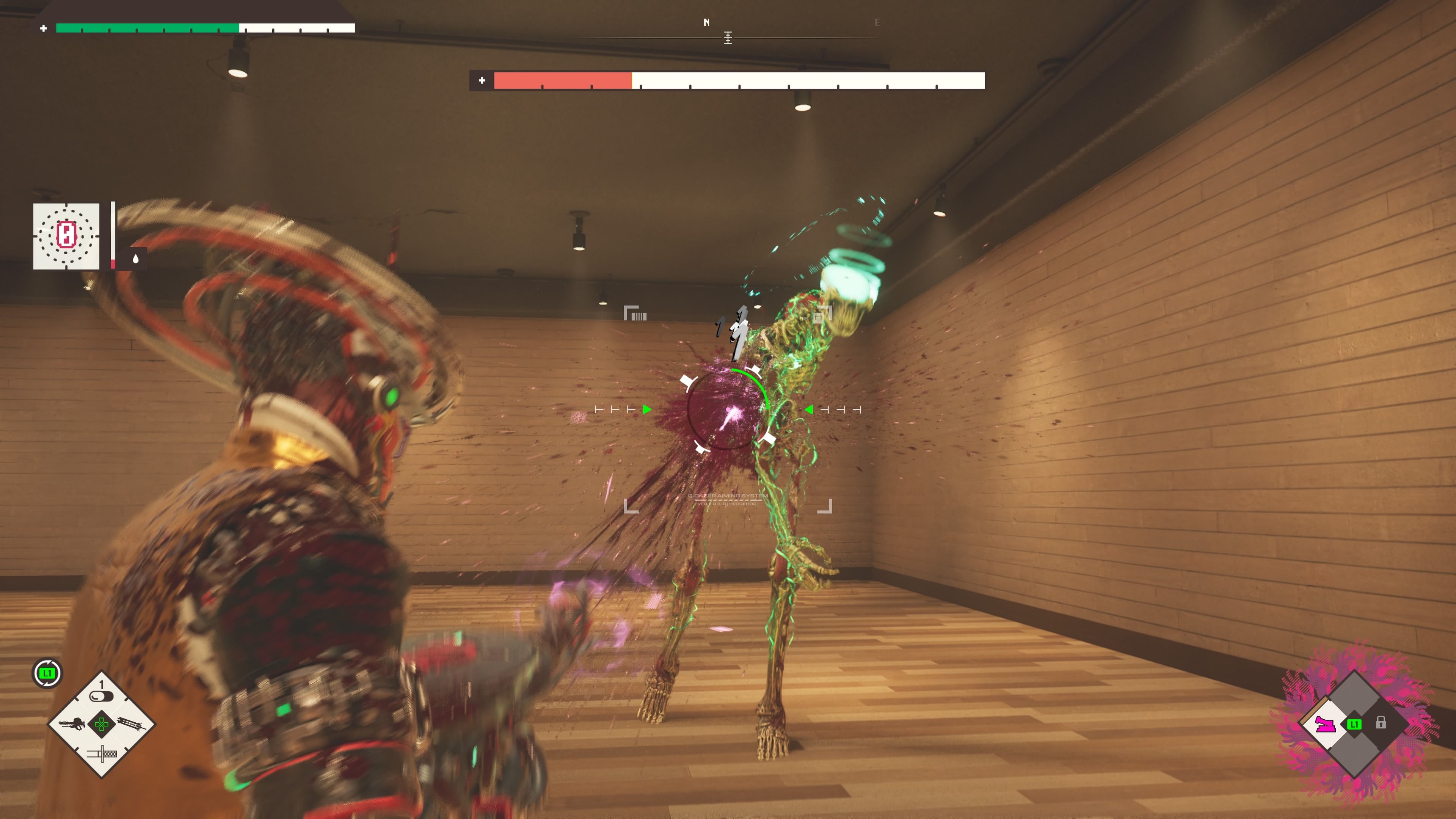
Outside of the plot, Romeo also takes cues from Grasshopper’s previous work with its hack-and-slash gameplay, drawing inspiration from No More Heroes, right down to a similar UI that incorporates elements from No More Heroes 3. You’ve got your standard light and heavy attacks alongside a hard-hitting super move called “Blood Sunday,” which you can perform by collecting blood from enemies, a la Killer7.
Where Romeo steps things up is by giving you eight weapons to choose from; four melee weapons and four firearms. These range from a standard chainsaw katana to dual-wielded spears to a bazooka, all of which feel fairly fluid. The game does a good job of making both weapon types feel valuable: melee weapons are more powerful, but firearms allow you to more accurately shoot enemy weak points for extra damage, again al la Killer 7.
Additionally, you can summon your own zombie minions, called Bastards, who perform minor attacks on enemies. They’re pretty helpful for crowd control, as this game loves dropping you into rooms full of fast-moving enemies.
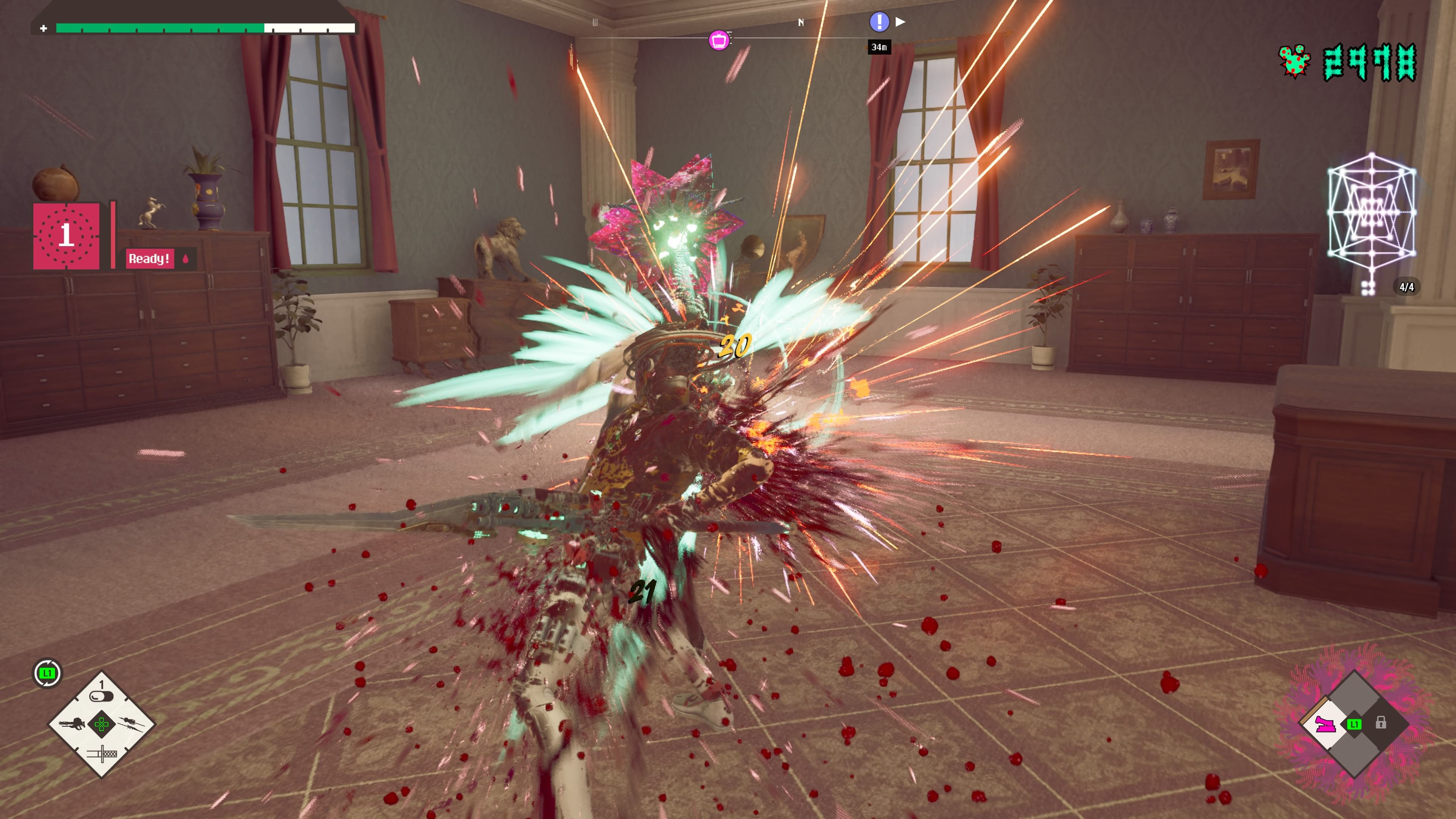
Sadly, while there’s a lot of variety in weapons, it doesn’t always make up for the overall shallow combat system. Outside of a few combos to string together with each weapon, this is far from Devil May Cry-levels of combat depth. That would be fine, Grasshopper games have never been especially deep mechanically, but it also lacks some of the pizzazz of their previous works.
The carnage of mowing down hordes of rotters (the game’s enemies) is incredibly fun and crunchy. Using Blood Sunday to slice through groups while regaining health is immensely satisfying. But when the game throws wave after wave at you without much else to do, it starts to feel repetitive and dull. Some of the longer later levels especially did become a bit of a slog as it felt like I was just fighting the same enemies over and over with limited options on what to do with them. It could really benefit from something like No More Heroes’ quick time finishing kill or wrestling attacks, just a little more spark to make the player anticipate each new battle to get a cool finish.
The game makes an effort to freshen things up with areas called Subspace. These surreal, cubic locations inside TVs require solving puzzles to progress through the level. However, even they feel a little drawn out by the end. It doesn’t help that every Subspace area looks the same, and near the end of the game I found myself tired of them, just wanting to get on with the rest of the stage.
Shadows of The Bastards
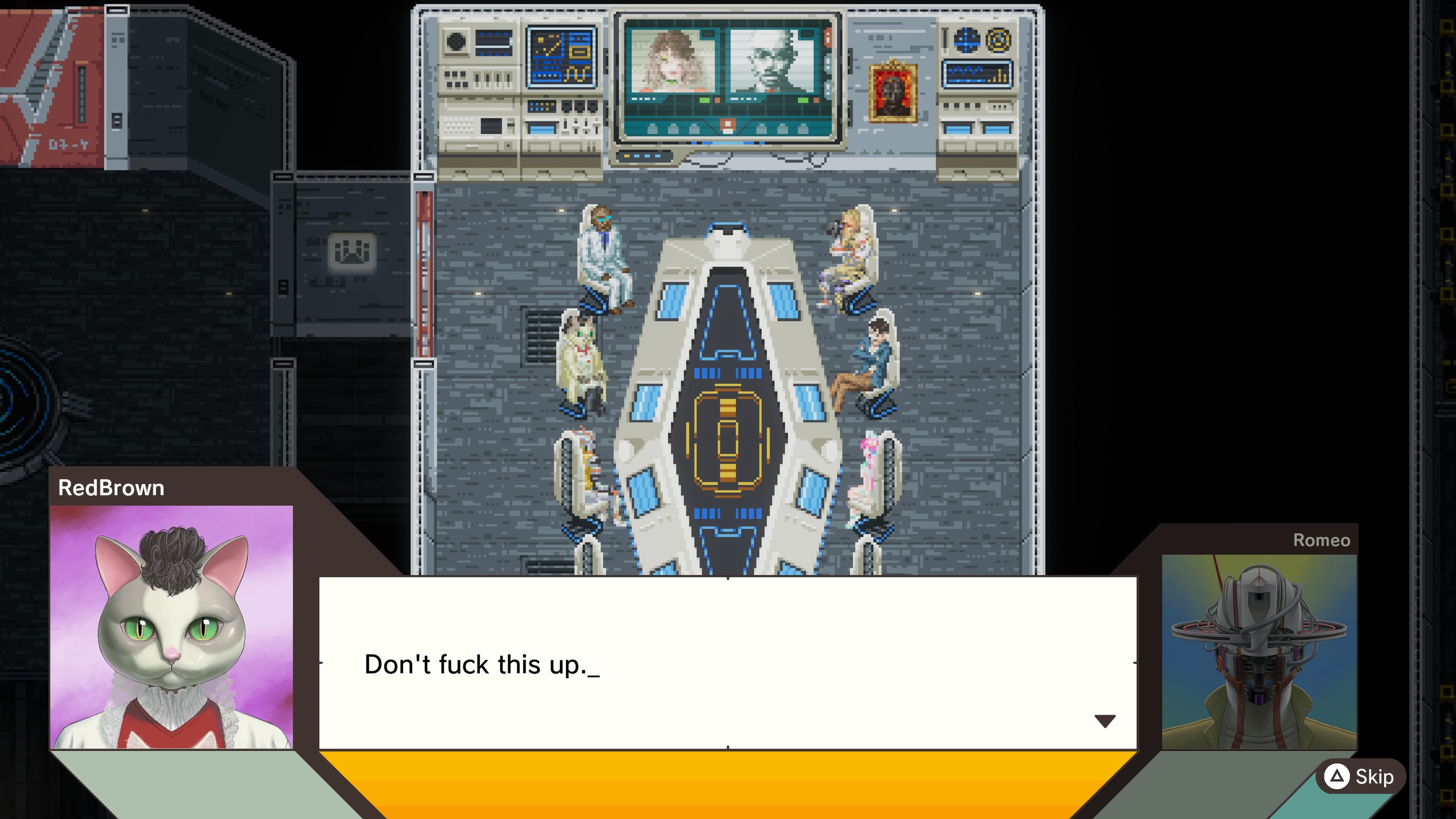
The level design is also well done, though I doubt everyone will feel the same. Most levels are dingier, barebones areas but dripping with solid horror vibes; a cult compound, a deserted town hall, and the best level in the game: an abandoned asylum complete with survival horror gameplay, where you hide from monsters and uncover the dark secrets of its operator.
I can see people finding these settings too beige and bland, especially in contrast to how campy the rest of the game can be. But that contrast is something I enjoy about Grasshopper’s work, the mundane settings clashing with bizarre characters.
I also enjoyed the extras scattered throughout the hub. You can make katsu curry with your mom, farm Bastards with your sister using an SMT-style fusion system, or simply chat with the various characters on the ship. They’re not especially complex, but as I said before, it’s just fun to hang out with them and see what wacky conversations unfold.
As with all Grasshopper games, this is where many cameos from their previous titles pop up, such as No More Heroes 3 boss Midori Morikawa appearing as an FBI agent and a character from The 25th Ward running the inventory shop, even using that game’s distinct UI just for him.
Romeo Is A Dead Man Verdict
Romeo Is a Dead Man is not a game for everyone, but in a way, that’s what makes it so distinct. The gameplay can be repetitive and a little clunky, and the story is confusing and disjointed. It’s understandable that some people won’t get into it, but it feels very much made for those who can.
As someone who enjoys the abstract, over-the-top nature of Grasshopper’s work, I found the combat solid enough while the narrative kept me entertained. The surreal storytelling kept me invested, and as usual, Suda’s writing felt as charming as ever. The characters aren’t the deepest, but he knows how to make them feel human—from their conflicts to their small talk.
In an age where so many games feel audience-tested and committee-approved, it’s refreshing to find one that feels like it was developed simply because the people making it thought an idea was cool and pushed to get it into the game as much as their tiny budget would allow. Romeo Is a Dead Man has plenty of issues, but if you’re looking for something with punk spirit and surreal flair, this Deadman is one worth resurrecting.
Game reviewed on PS5. Review copy purchased by reviewer.
Review Score
Pros
- Chaotic yet endearing plot that incorporates multiple art styles.
- Unique atmosphere and writing that only Grasshopper can create.
- Good amount of weapons and guns to make use of.
Cons
- The plot may be too chaotic and disjointed for some people to get into.
- Combat can feel repetitive and become a drag in the later levels.