 Slimepress
Tools Of The Trade: Room6 CEO Masashi Kimura Talks About The Business Of Indie Games
Indie games have always existed in their own bubble. And not just, “Single dev sells his house and makes a game” indies, either. When you hear about the high demands and expectations in triple A gaming, you wonder if there’s any space in the world for indie games outside of only ever being passion projects. [...]
Indie games have always existed in their own bubble. And not just, "Single dev sells his house and makes a game" indies, either. When you hear about the high demands and expectations in triple A gaming, you wonder if there's any space in the world for indie games outside of only ever being passion projects.
One company, however, has made it work. Japanese indie publisher room6 has been active for the past decade, helping developers get their games out to the public, as well as even getting them across the finish line with both development and technical support.
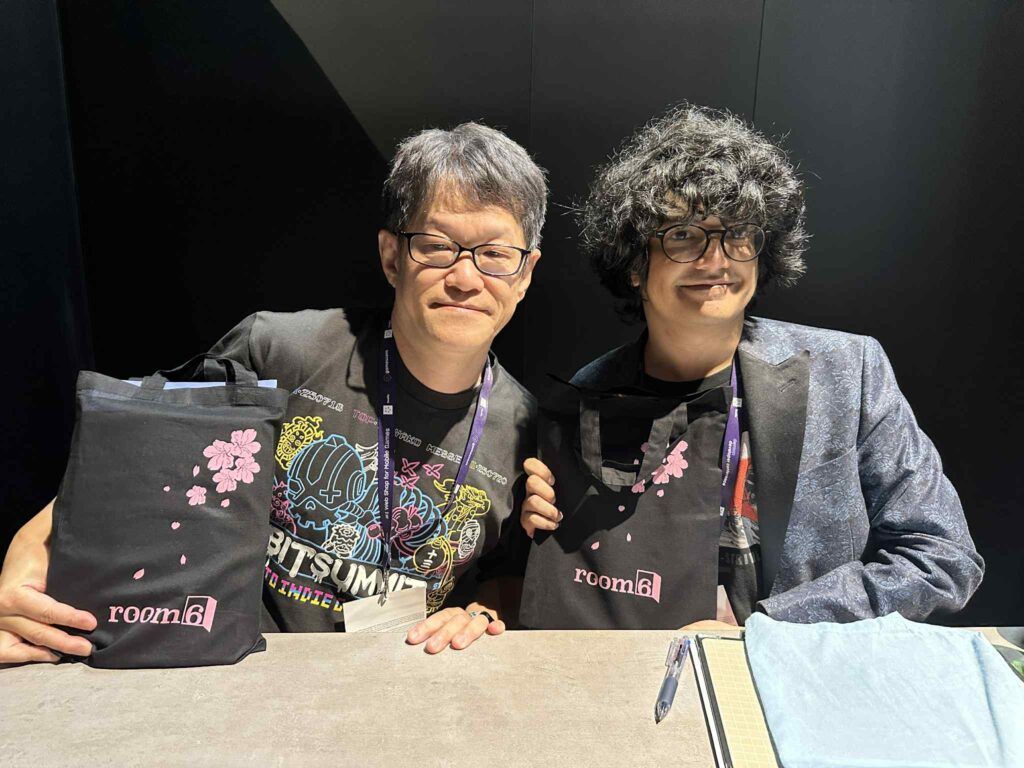
At gamescom 2025, we spoke to Room6 CEO Masashi Kimura about the different beast of publishing indie vs something more triple-A.
"If it's a genre they're willing to create, then they should create it"
One common assumption with publishers is that they're just here to throw a bit of money and get a return on investment. According to Kimura, room6 is a more creative endeavor. The entity's mission is simple: indie devs need help, and the people at Room6 know how to give it.
"On our side [as publishers], it's to let the devs create the game they really want to create. That's like the center of our company", he says.
According to Kimura, it's not about specific market trends or even gambling on the next smash hit: it's about cultivating the passion of people who want to make something.
"It doesn't have to be completely new, but if its something the developer really wants to create then I think that's also a kind of indie game. That's not depending on how it will affect the marketing, if it's also a niche, if a lot of players are playing the game, if that's a genre they're willing to create then they should create it".
"You're not bound to a huge company's financial aspects. As its name, it's independent, and you have choices. That's the way I think about indie games", he says.
Working With Indie Developers
With 10 years under his belt, it was hard to not ask Kimura about the different parts of indie development. So much mythologizing about the scene makes it sound like every indie game was a wrapped parcel from Heaven, come to sell a million copies and spawn a dozen think pieces about the state of the industry.
He said part of the secret at room6 was to embrace the chaos that comes with game development.
"For all games, not just indie games, even if you create a plan on how to develop something, it won't end up like that plan. It will be chaos and nothing will work like you thought it would. So you'll have to deal with new situations and it's also half luck that we're still existing", Kimura says.
That being said, the vision is clear: uphold the creative process. Every time Kimura explained the ins and outs, the goal was always the same- Room6 would help to put something creative into the world by supporting more developers.
"We basically give them their artistic free space so that they can express themselves how they want. Except for the ones who are doing 18+ content, also things which could be received in a negative way in society. We're a bit restrictive on "radical" content", he says.
"Most of our titles have a kind touch on it, not something that'd stand out in a negative way. We want to be more kind".
Reaching Players With Room6
While dealing with developers is one end of the business, there's also dealing with the public. Ultimately nobody makes a game they don't want anybody to play, and this month alone we saw just how limited the pool of everyone's attention is, as multiple indie games swerved out of the way of indie darling Hollow Knight Silksong.
Kimura said that one of their methods was to leverage that a game can find success after launch. Just like how anyone can discover how good Queen's Jazz album is decades later, the same is true for indie games.
"It's pretty difficult. It's not like there's one way and we've figured it out. We're still searching for that one way. For our strategy, it's more like we have a long span when it comes to marketing", Kimura explains.
"It's not like triple-A where we just go "Release date, bam!" and we sell a lot of copies. It's more like we're trying to gradually get people used to us. Over a long time, the game should sell more and more. We have a long-term-focused strategy".
There's also the communication aspect. There's a joke about how many smaller games will use keywords- and the resulting saturation of those keywords as a result. Kimura said that from a communication perspective this was especially hard, since it meant striking a balance between being a shorthand for audiences and also compromising on the uniqueness of the games themselves.
"Now we have to think about how to sell it, how to get people to know it and we'd need a whole year to figure it out, look at other big games and how they do it and to see how we can do it to have a unique approach", Kimura says. "We'd still need time to figure it out".
He also gave us an example of what indie publishers look at when it comes to sales. While we only ever hear of the multi-million pushers, he painted a more realistic number to expect for small developers.
"To begin with, our titles are not big titles. We always say we first aim for 10,000 units. Once we reach there we gradually move up with 20,000, 30,000, etc, maybe even 100,000", Kimura explains.
"For the small market in Japan, if you hit one thousand sales, it's a success already".
He also stressed that an international perspective could be a big part of driving sales:
"If you look at the whole world, 100,000 is not that much. So that's why we decided to come to gamescom to get more reach and surpass the limit of the 100k sales. Then it's a hit, and then we can dream about numbers like 500,000 or 1 million sales", he says.
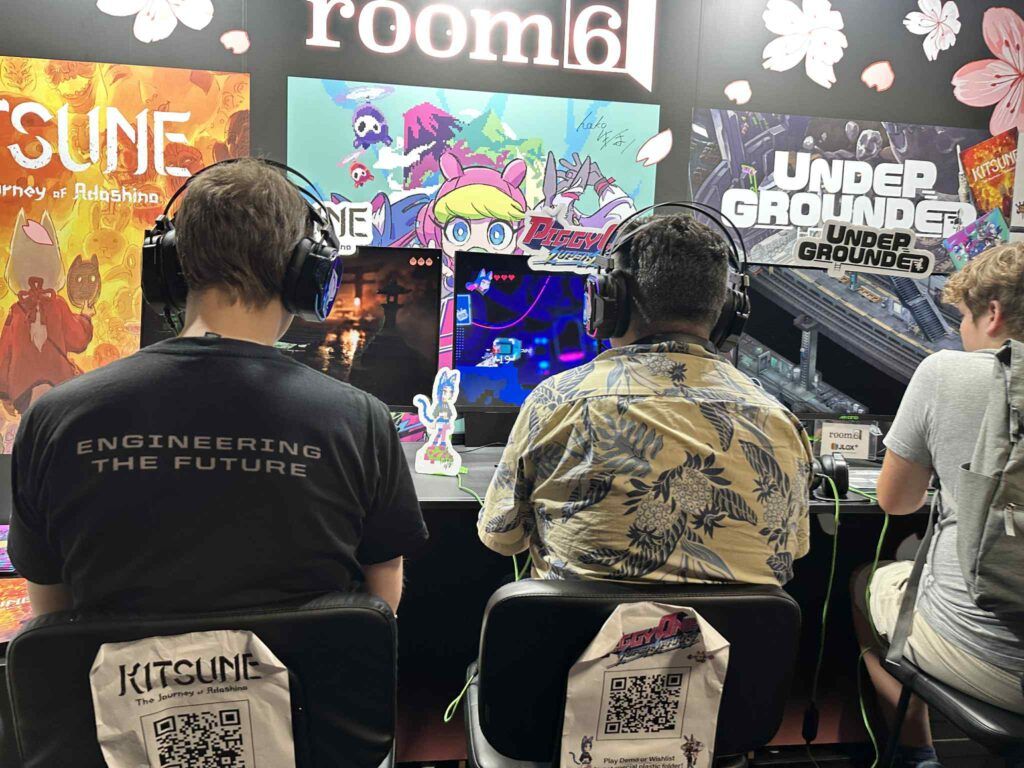
Wrapping up, Kimura stressed that a big part of room6 having a booth at gamescom was about giving German audiences a chance to see and experience something new. From titles like PIGGY ONE SUPER SPARK to merch like clear folders for their various titles, the room6 team got a chance to bring their games out of their traditional market and also meet new types of audiences.
"Japanese games have a lot of unique titles. There are ones we thought would only be successful in Japan. But being here in Germany for gamescom, there *are* Japanese titles which are also well received here", Kimura adds. "We hope there are more Japanese titles that have the opportunity to be better known in the Western world", he says.
Our thanks to Masashi Kimura and the room6 team for taking the time to talk indie games and more with us.