 Slimepress
The Tragedy of Time: Talking Towa And The Guardians Of The Sacred Tree
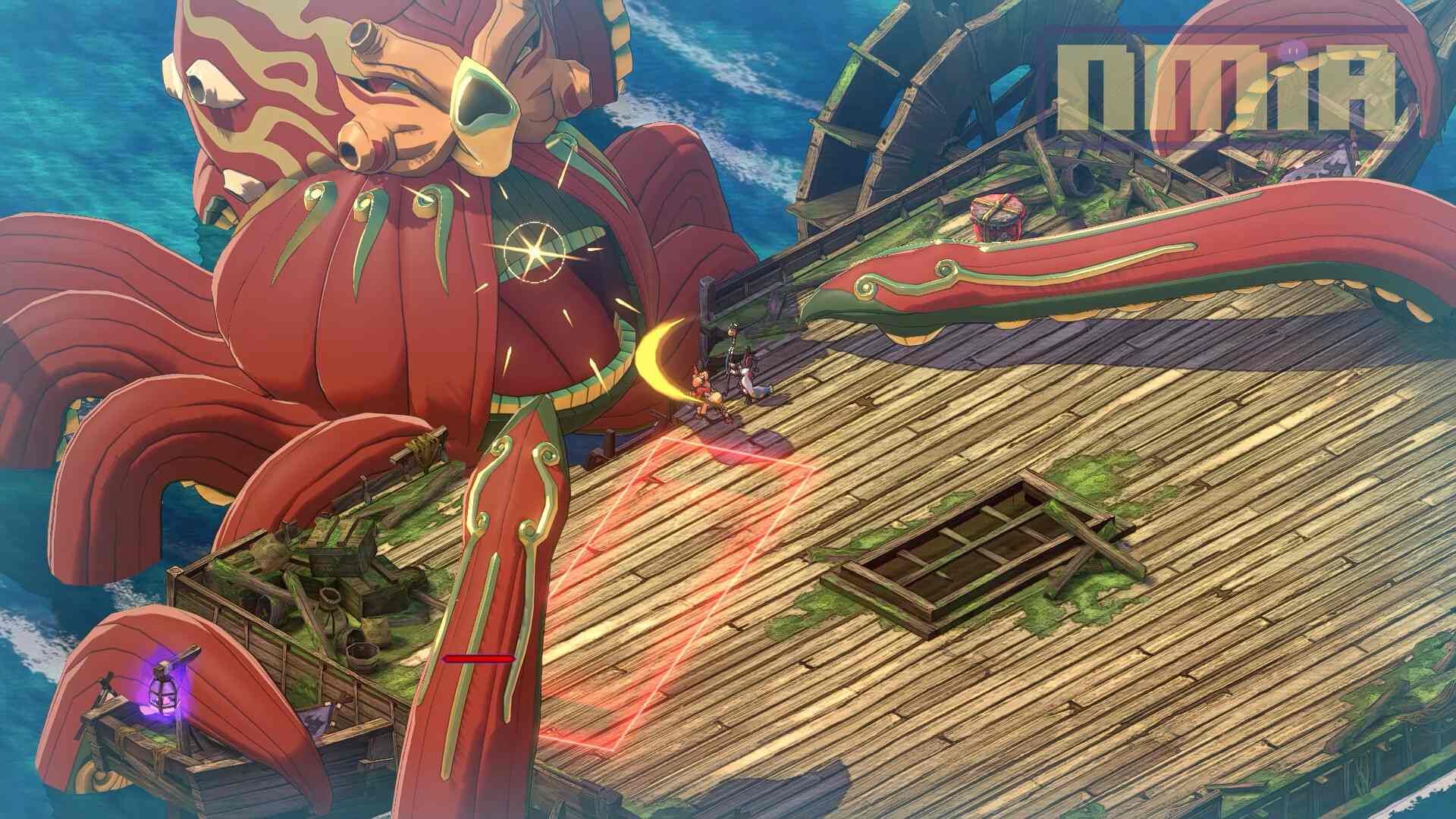
Surprisingly, very little of Towa and the Guardians of the Sacred Tree revolves around its roguelike elements. Even in our preview, the actual randomized attempts had little to say compared to the overwhelming presence of its setting. Starring Goddess Towa and her companions, the game has you controlling pairs of them to go on a [...]
Surprisingly, very little of Towa and the Guardians of the Sacred Tree revolves around its roguelike elements. Even in our preview, the actual randomized attempts had little to say compared to the overwhelming presence of its setting.
Starring Goddess Towa and her companions, the game has you controlling pairs of them to go on a quest to restore mana and defeat the monsters threatening her village.
A successful run sees a bittersweet victory: while time moves forward and the village celebrates, it comes at the cost of your Kagura (the spellcasting half of your pair).

"From a fairly early stage of the project, we had the idea that this would be a game about meetings and farewells, where you meet people and then say goodbye to them", says Nagaoka Daisuke, producer on Towa and the Guardians of the Sacred Tree. "That's how we came up with the concept of the sacrificial ceremony".
"It's meant to be a very emotional part of the story, and we hope you will enjoy the main story to see what happens to those characters after the ceremony", he adds.

Of course, you don't induce fish man grief in people without first having characters worth mourning. Ranging every trope and genre, Towa's companions in Towa and the Guardians of the Sacred Tree are designed in such a way that each one can be someone's favorite- and even Nagaoka isn't immune to their charms.
"Rekka is a big fan of Towa and basically worships the ground Towa walks on. I really like this character because they are a samurai-like character who follows Towa around everywhere they go", Nagaoka explains.
"For the design, Yamashita-san (Yamashita Shuhei, director on Towa and the Guardians of the Sacred Tree), who is in charge of character design, made sure to change the silhouettes of everyone and create a very colorful cast of characters with different personalities", he says.
"For example, you have someone who is very quiet and someone who is very flamboyant. Each was designed to fit their personality and the scenes they appear in. Since this game has a lot of dialogue, we try to show the characters’ personalities as much as we can through those conversations and character interactions".
The Joys Of Yapping In Towa And The Guardians Of The Sacred Tree

The next step of the charm offensive in Towa and the Guardians of the Sacred Tree was giving them a platform to showcase their appeal. During your runs, your characters will talk to each other, discussing their backstories and values. It's the setup to the gut punch awaiting them at the end of the run, with each pair of characters having their own unique dialogue.
"We tried to show the characters’ personalities through dialogue so players can see the relationships between them", Nagaoka says. "Personally, I really like games where the characters talk a lot, whether it’s during battle, on the road, or even outside of events".
He mentioned that Towa being a party-based roguelike also meant they had an avenue for even more dialogue- without having to constantly mutter to themselves.
"Normally you only have one player character, so it’s hard to have conversations. So I thought, why not add characters who can go along with you, so they can talk with each other even in a rogue-like setting? That is one of the key points that led to this system where you take two companions with you", Nagaoka explains.
Of course, the final step of cementing the tone of the game was giving it a human lens to be viewed from. Despite being a goddess and disciple of Shinju, Towa is eternally youthful, running around the village and interacting with its villagers, be it through an elaborate sword smithing minigame or simply teasing the older members of her village.

Nagaoka also said that this was a core part of her personality: she is a goddess who loves people, so she should be interacting with them.
"In Japan, there are many depictions of gods as friendly beings, so we never really wanted Towa to be overly serious", Nagaoka says. "Because she is a very long-lived individual, we wanted her to have a “my-pace” personality, someone who loves humans but still maintains a certain distance".
"This is a story about meetings and farewells, about life and death. So we felt Towa should have human qualities that make her approachable, but also be someone who can observe when someone passes away without becoming too emotionally overwhelmed".
Towa's tone has done an excellent job of setting it apart from the rest of the roguelike market- and now that the game's available, don't forget to check out either its demo or the full game and see how far you get in your own journey.